
Facebook LinkedIn YouTube

7 Best Flood Door Suppliers for Global Buyers in 2026

Time:2026-09-21 Author:Ethan
0%

Flood risk is becoming a procurement issue, not merely a construction concern. WMO’s State of the Global Climate 2024 reported another year of record-breaking heat and severe weather. These conditions can intensify rainfall, drainage pressure, and coastal exposure in many markets. Munich Re’s 2024 natural-catastrophe review estimated global losses near US$320 billion. Flooding remained one of the recurring, high-impact hazards.

This guide examines seven Flood Door suppliers for global buyers in 2026. The evaluation considers tested water resistance, material quality, opening dimensions, installation support, and documented quality systems. It also reviews lead times, export experience, spare parts, and after-sales responsiveness. A door may look strong in a showroom. Its real value appears when water presses against a warehouse entrance at night.

Buyers should request test reports, drawings, warranty terms, and project references before approving an order. Standards and certification claims also need careful verification. A supplier with impressive brochures may still lack regional service capacity. That matters.

UNDRR’s Global Assessment Report 2022 emphasizes that disaster risk is often underestimated, especially when indirect losses are included. Therefore, price alone is a weak purchasing measure. The right Flood Door should match the site’s flood depth, pressure, threshold design, traffic frequency, and maintenance capability.

No shortlist is perfect. Local building codes, shipping conditions, and installation skills can change the final ranking. This review offers a practical starting point, while encouraging buyers to validate every technical claim before signing a contract.
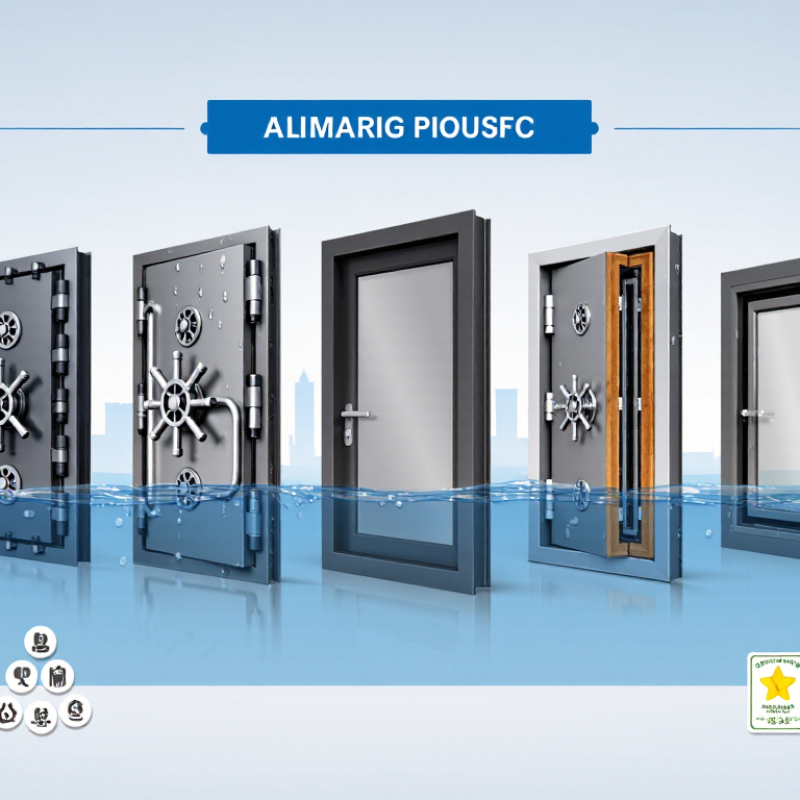
7 Best Flood Door Suppliers for Global Buyers in 2026

Flood Door Basics and Their Role in Global Flood Protection

Flood doors are engineered barriers fitted across entrances, loading bays, or service openings. Their purpose is simple: slow or stop water before it reaches occupied areas. A complete system usually combines a rigid panel, compression seals, secure anchors, and a prepared threshold. Small gaps matter. Water follows them quickly.

The World Meteorological Organization reported 11,072 weather, climate, and water-related disasters from 1970 to 2019. These events caused about US$3.64 trillion in economic losses. UNDRR and CRED also found that floods represented 44% of recorded disasters between 2000 and 2019. Such figures explain why global buyers should assess flood doors as risk-control equipment, not ordinary building hardware.

Performance depends on more than the door itself. Buyers should check tested water depth, pressure resistance, installation conditions, drainage, and replacement-seal availability. Field assessments often reveal a practical weakness: the barrier is strong, but the surrounding wall is not. That detail deserves attention. Debris impact, uneven floors, and rushed installation can also reduce protection. The IPCC warns that heavy precipitation events are intensifying in many regions, increasing uncertainty for site planning. A reliable specification should therefore combine local flood maps, measured opening dimensions, maintenance procedures, and independently verified test evidence. No door is perfect. Even careful planning can miss a vulnerable service opening.

How to Evaluate Flood Door Suppliers in 2026

Choosing a flood door supplier in 2026 requires more than comparing website prices. Start with the door’s intended setting: basement entrance, loading bay, storefront, or utility room. Ask for tested water-pressure data, not broad claims. Reliable suppliers should explain test conditions, sealing depth, panel strength, and expected service life. Request material specifications for frames, hinges, fasteners, and gaskets. Stainless hardware may help in coastal areas, but it does not solve every corrosion problem. Small details matter.

Review the supplier’s installation process closely. A strong door can fail when the threshold is uneven or the wall is weak. Look for measured drawings, anchor guidance, drainage considerations, and trained installation support. Ask whether technicians inspect the opening before production. Confirm production lead time, replacement-part availability, and response times during urgent repairs. Warranty language should identify exclusions, maintenance duties, and water-depth limits. Vague promises deserve careful questions.

Evidence should come from completed projects with similar exposure, not polished photographs alone. Ask for references, inspection records, and performance feedback after a real storm. Check whether the supplier can adapt dimensions without weakening the design. Compare the full ownership cost, including freight, fitting, storage, testing, and gasket replacement. A low quotation can become expensive after one failed seal. My evaluation would include a sample inspection and a written acceptance checklist. I would still leave room for doubt. Flood conditions vary, and some site risks remain uncertain.

Seven Leading Flood Door Suppliers for International Buyers

Seven Leading Flood Door Suppliers for International Buyers

International buyers can find seven strong supplier profiles across the flood door market. One focuses on galvanized steel doors for warehouses. Another develops lightweight aluminum systems for homes and small shops. A third supplies removable barriers for temporary protection. The remaining specialists often handle industrial openings, custom dimensions, heritage buildings, commercial entrances, and regional distribution.

Experience matters when comparing these suppliers. Ask for test reports, installation drawings, pressure ratings, and material specifications. A reliable supplier should explain how the door seals against uneven floors. Check the gasket type, hinge strength, locking points, and drainage conditions. Photos from completed projects can reveal practical details that brochures often miss. Measure the opening twice. Small errors can create expensive site delays.

International purchasing also requires careful communication. Confirm export packaging, replacement parts, technical support, and delivery schedules before payment. Request a sample drawing with metric dimensions. Some suppliers provide excellent engineering but limited after-sales assistance. That weakness matters during a storm. Product performance may also change with poor installation, although buyers sometimes underestimate this risk. I would compare at least three quotations, then inspect the testing evidence rather than choosing the lowest price. A door can look impressive and still fail at the threshold.

Comparing Products, Certifications, Prices, and Delivery Coverage

Choosing among the seven best flood door suppliers in 2026 requires more than comparing website photos. Products differ in pressure ratings, sealing systems, frame materials, and installation methods. Some doors use reinforced steel, while others rely on lightweight aluminum for faster handling. Check whether the design suits basements, warehouses, tunnels, or coastal entrances. Field experience matters here. A door that looks strong may still fail when the floor is uneven or drainage is poor.

Certification documents deserve close inspection. Ask for current test reports, laboratory details, pressure limits, and installation conditions. Regional approvals can also affect project acceptance. Prices usually include the door panel, seals, hardware, and testing, but installation may cost extra. Request a complete quotation with warranty terms and replacement-part prices. Delivery coverage is equally practical. Confirm production time, export packaging, destination ports, inland transport, and technical support after arrival. Fast shipping means little if replacement seals take months. That happens. Suppliers with regional warehouses may reduce downtime, although their prices can be higher. Buyers should compare total ownership cost, not only the initial invoice. I would also request project references from similar climates and flood depths. A supplier may present excellent laboratory results, yet field performance can vary. Rechecking every specification feels repetitive, but it prevents expensive assumptions.

How to Select the Right Flood Door Supplier for Your Project

How to Select the Right Flood Door Supplier for Your Project

Choosing a flood door supplier requires more than comparing online prices. Start with the project’s actual flood risk, opening size, wall structure, and expected water pressure. A coastal warehouse may need a different system than a basement entrance beside a river. Ask suppliers for tested pressure ratings, installation drawings, material specifications, and maintenance instructions. Vague answers are a warning sign.

Experience matters in difficult conditions. Request references from projects with similar openings, water levels, and operating frequency. If possible, inspect an installed door or speak with the facility manager. Check how the supplier handles uneven floors, emergency exits, drainage channels, and repeated sealing cycles. A strong supplier should explain limitations clearly, not promise protection for every situation.

Review manufacturing quality and after-sales support carefully. Confirm inspection procedures, replacement seal availability, delivery schedules, and technician training. Documents should be traceable and easy to verify. Independent testing adds confidence, but it does not replace correct installation. I have seen well-designed barriers fail because the frame was fitted against a damaged wall. That detail is easy to miss. Ask who supervises installation and how performance will be checked afterward. A practical supplier will welcome these questions, even when the answers reveal extra work or cost.

7 Best Flood Door Suppliers for Global Buyers in 2026

How to select the right flood door supplier for your project: compare suppliers against the procurement factors that most directly affect flood protection, compliance, installation, and long-term operating cost.

The percentages represent a practical evaluation framework for international flood door projects. Project owners can adjust the weighting according to local regulations, flood risk, building type, budget, and installation conditions.

FAQS

What is a flood door designed to do?

It blocks or slows water at entrances, loading bays, basements, and service openings. Small gaps matter. Water can travel through them quickly.

What parts usually form a complete flood-door system?

A typical system includes a rigid panel, compression seals, secure anchors, and a prepared threshold. Each part must work together. A strong panel alone is not enough.

How should buyers assess flood-door performance?

Check tested water depth, pressure resistance, installation conditions, drainage, and replacement-seal availability. Ask for current test reports and laboratory details. Unverified claims deserve caution.

Can a strong flood door still fail?

Yes. The surrounding wall, uneven floor, or weak anchors may fail first. Debris can also damage seals during flooding. This risk is easy to underestimate.

Which opening details should be measured before ordering?

Measure the opening width, height, threshold level, wall condition, and nearby drainage route. Record uneven surfaces and service openings. Small errors can create large leaks.

How do materials and designs differ between flood doors?

Reinforced steel can provide high strength, while lightweight aluminum may allow faster handling. The best choice depends on location and use. A warehouse door may not suit a coastal entrance.

What should a complete quotation include?

Request the panel, seals, hardware, testing, installation, warranty, and replacement-part prices. Compare total ownership cost, not only the first invoice. Cheap at purchase may become expensive later.

What delivery and support details should international buyers confirm?

Confirm production time, export packaging, destination ports, inland transport, and technical support after arrival. Regional warehouses may shorten replacement delays. Fast shipping means little if seals arrive months later.

How can buyers reduce planning mistakes?

Combine local flood maps, measured dimensions, maintenance procedures, and independently verified test evidence. Request references from similar climates and flood depths. I would recheck every specification. Assumptions can fail.

Conclusion

This article provides a practical guide to Flood Door solutions for international buyers seeking reliable protection against rising water and severe weather. It explains the basic structure, operating principles, and common applications of flood doors in residential, commercial, industrial, and infrastructure projects. The guide also outlines how to evaluate suppliers in 2026, focusing on product quality, technical design, testing standards, installation support, customization capabilities, after-sales service, and supply-chain reliability.

It reviews seven leading types of suppliers from a global purchasing perspective without focusing on specific brand names, helping readers compare product performance, certifications, pricing, manufacturing capacity, lead times, and delivery coverage. Finally, the article presents a clear selection framework based on local flood risks, opening dimensions, building use, project budget, compliance requirements, and long-term maintenance needs. With these considerations, buyers can identify a suitable supplier and choose a Flood Door system that offers dependable protection, efficient installation, and strong value over its service life.

Ethan

Ethan

Ethan is a seasoned marketing professional with a deep expertise in our company's innovative product line. With a passion for sharing knowledge and insights, he takes the lead in regularly updating our corporate blog, where he explores industry trends, product features, and effective marketing......
Request a Catalog