
What Are the 2026 Best Types of Flood Control Devices?
Choosing the best Flood control device in 2026 requires more than comparing prices. Homes, warehouses, roads, and utility sites face different flood pressures. A coastal property may need modular flood barriers and sealed flood doors. A basement may depend on sump pumps, backup batteries, and backflow prevention valves. Temporary water-filled barriers can protect entrances quickly, while permanent walls offer stronger long-term defense.
Gilbert F. White, an influential floodplain-management expert, said, “Floods are acts of God, but flood losses are largely acts of man.” His observation still matters. Good protection begins with accurate site assessment, drainage mapping, and realistic maintenance plans. It also requires checking product certifications, installation records, warranty conditions, and independent test results. Marketing claims alone are not evidence.
Smart sensors are becoming more useful. They can monitor rising water, pump performance, and power failure. Yet technology is not magic. Sensors need testing. Pumps clog. Barriers need trained installation. Even an excellent device can fail when stored carelessly or fitted against an uneven threshold.
The strongest 2026 choice may be a layered system rather than one product. Combine permanent drainage improvements with deployable barriers and reliable alarms. Local rainfall, soil conditions, building design, and response time should guide the decision. That sounds obvious, but many plans ignore one detail: who acts when the alert arrives? A perfect system without human action remains incomplete. No shortlist is perfect, and future flood data may change today’s ranking.
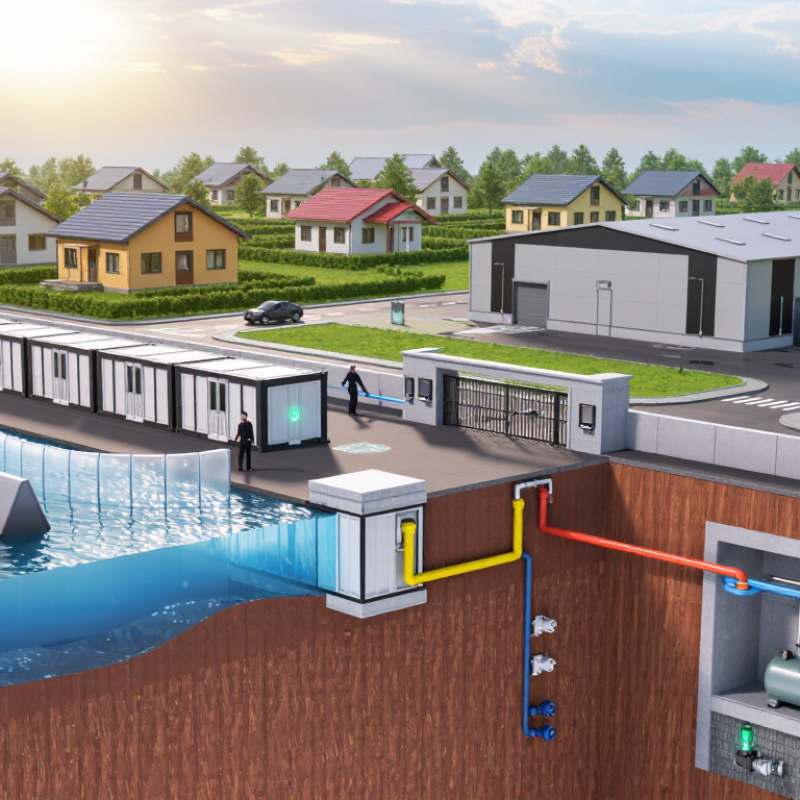
Flood control devices manage water before it enters a building. They do not all work the same way. Temporary barriers block rising water at doors, garages, and low walls. Flood doors use reinforced seals to close vulnerable openings. Backflow valves stop sewage or drain water from reversing direction. Sump pumps collect water below floor level, then discharge it through pipes. Drainage channels guide surface water toward safe outlets.
The FEMA National Risk Index identifies flooding as one of the most frequent natural hazards in the United States. NOAA recorded 27 billion-dollar weather and climate disasters in the country during 2024. These figures show why layered protection matters. A barrier may stop shallow water, but it cannot solve groundwater pressure. A pump may remove seepage, yet it needs electricity and regular testing. Retention basins temporarily store stormwater, reducing pressure on streets and nearby properties. They require space. Often, that is the difficult part.
Tips: Match the device to water depth, flow speed, and entry points. Inspect seals twice yearly. Test pumps before heavy rain. Keep a battery backup available. Do not assume a dry floor proves the system works. Drainage calculations should come from qualified professionals and local flood maps. I would also question optimistic product claims. Site conditions change, and one overlooked opening can defeat expensive protection.
The best flood control device in 2026 depends on the water’s path, speed, and depth. A low doorway barrier may stop shallow street runoff. It cannot safely manage fast river water or coastal surge. That difference matters more than appearance.
Riverine flooding usually needs engineered floodwalls, raised entrances, or demountable barriers fixed to strong anchor points. These systems must resist sideways pressure and floating debris. Coastal flooding brings waves, saltwater, and longer exposure. Sealed openings, elevated utilities, and reinforced barriers are more suitable there. Temporary panels alone may not survive repeated wave impact.
Urban flash floods behave differently. Water can rise around basement doors within minutes. Automatic flood gates, backflow valves, sump pumps, and internal drainage protection can reduce damage. Yet pumps need electricity, so an independent backup is sensible. Small properties may use removable door shields, but fitting errors remain common. A two-centimetre gap can defeat careful preparation.
I would not choose equipment from a product photograph. A qualified survey should examine ground levels, drainage routes, wall strength, and expected water depth. Testing after installation is essential. Maintenance is often neglected. That is where protection quietly becomes unreliable. Flood risk also changes after paving, construction, or blocked drains, so the original solution may need reconsideration.
Different flood risks require different protection strategies. This chart shows the relative suitability of common flood-control devices for major flood scenarios. Scores range from 1 (limited fit) to 5 (strong direct fit); they are planning scores, not guaranteed performance ratings.
Key takeaway: Flood barriers are most suitable for river flooding and coastal storm surge, while backwater valves are designed for sewer backup. Sump pumps and drainage systems are more appropriate for groundwater and surface-water accumulation. A site-specific assessment should consider flood depth, flow velocity, warning time, soil conditions, and local building requirements.
Choosing flood control devices in 2026 starts with the site, not the product label. Permanent barriers suit properties facing repeated flooding, where foundations, drainage paths, and access points can be engineered together. They require higher installation costs, but offer dependable readiness and less seasonal handling. A site assessment should examine flood depth, water velocity, soil stability, and nearby utilities. These details determine whether a fixed wall, raised threshold, or sealed opening is realistic.
Temporary barriers work well when flood risk is seasonal or building layouts may change. They can protect doors, garages, and loading areas without permanent construction. However, storage, assembly time, and trained installation matter. A barrier left incomplete can create false confidence. I have seen teams measure a doorway at its narrowest point, then discover pipes or uneven paving during deployment. That small oversight can leave a dangerous gap. Measure twice.
Portable systems are lighter and easier to move between vulnerable locations. They help homeowners, facility managers, and emergency crews respond to changing forecasts. Compare weight, setup time, water pressure limits, connection seals, and inspection needs. Ask whether one person can deploy the system safely in rain and poor visibility. No option fits every property. A practical choice balances tested performance, staff experience, maintenance records, and local flood maps. Recheck the plan after each event; assumptions often fail first.
By 2026, the best flood-control solution will rarely be one device. It will combine drainage, pumping, and backflow protection. NOAA recorded 27 U.S. billion-dollar weather and climate disasters in 2024, causing about $182.7 billion in damage. That evidence supports site-specific planning, not a single “heavy-duty” purchase.
Drainage devices manage water before it reaches occupied areas. Trench drains suit sloped driveways, while catch basins collect debris and runoff near entrances. Pumping systems then remove water from low points. Sump pumps should include high-water alarms and backup power. FEMA estimates that one inch of floodwater can cause up to $25,000 in property damage. A pump must match inflow, vertical lift, pipe friction, and discharge distance. Bigger is not always safer. Poor sizing can waste energy or overwhelm the discharge line.
Backflow devices protect buildings when overloaded sewers reverse direction. A backwater valve may suit selected sanitary connections, while stormwater systems need different engineering and maintenance. ASCE rated U.S. stormwater infrastructure D in its 2021 Infrastructure Report Card. That grade reflects aging systems and limited capacity. Installation is only part of the answer. Valves need accessible cleanouts, regular inspection, and testing after severe storms. I would not trust a device that cannot be reached. Failure often begins with leaves, sediment, or a neglected battery.
Choosing the best flood control device in 2026 starts with your property’s actual risk, not attractive product photos. Measure likely water depth, flow speed, warning time, and flooding duration. Mark every entry point, including doors, garages, air vents, and low drainage channels. A shallow, slow-moving flood may suit removable door barriers. Fast water requires stronger engineered protection and professional assessment. Small gaps matter.
Flood doors provide durable protection for frequently exposed entrances. Temporary panels work well when storage space is available and warnings arrive early. Inflatable barriers can cover wider openings, but they need careful placement and inflation checks. Water-filled barriers are easier to deploy, yet they may shift on uneven ground. For basements, a certified sump pump can remove residual water, but it should not replace a physical barrier.
During a practical site check, compare tested water-depth ratings, installation steps, maintenance demands, and replacement-part availability. Ask whether independent testing supports the performance claims. Local flood maps and municipal guidance can reveal risks that online descriptions miss. I have seen a well-rated barrier fail because a drain cover lifted beside it. That detail changed the recommendation. Choose equipment that household members can install under stress, then practice before storm season. No device is perfect. Review the setup after every serious rainfall.
Comparison of commonly used flood protection devices based on deployment conditions, expected performance, setup requirements, and practical site needs.
| Flood Control Device | Best Application | Typical Protection Height | Typical Setup or Deployment Time | Reusability | Main Advantages | Key Limitations | Maintenance Requirements | Relative Cost | Overall Suitability |
|---|---|---|---|---|---|---|---|---|---|
| Sandbags | Short-term protection for doorways, drains, garages, and small low points | Usually below 0.6 m per properly constructed barrier | Several hours to several days, depending on quantity and labor | Generally low; filled bags are often discarded after use | Widely available, flexible, inexpensive, and suitable for irregular shapes | Labor-intensive; heavy when wet; can leak if poorly stacked; requires suitable fill material | Inspect stacking, cover gaps, and remove contaminated or damaged bags after flooding | Low | Emergency and temporary use |
| Water-Filled Flood Barriers | Residential entrances, driveways, roads, and medium-length temporary barriers | Commonly about 0.15–0.6 m, depending on design | Approximately 15 minutes to several hours, depending on water access and length | High when drained, cleaned, dried, and stored correctly | Faster and lighter to transport than filled sandbags; uses available water as ballast | May move on steep or uneven surfaces; vulnerable to punctures and fast-moving water | Check for punctures, clean and fully dry before storage, and inspect connectors | Low to medium | Rapid temporary protection |
| Self-Inflating Flood Barriers | Homes, commercial entrances, and locations requiring quick deployment with limited labor | Often about 0.15–0.5 m, depending on the product design | Usually a few minutes to several hours, depending on activation method | Moderate to high, subject to product condition and correct drying | Compact storage; can activate automatically or with minimal preparation | Performance depends on correct placement and ground contact; not ideal for high-velocity flows | Inspect the outer fabric, activation components, seams, and storage conditions | Medium | Fast residential deployment |
| Modular Water-Filled Barriers | Longer perimeters around buildings, parking areas, construction sites, and access roads | Commonly about 0.3–1.0 m, depending on the modular system | Several hours to one day for larger installations | High when properly cleaned, dried, and stored | Scalable length; reusable; can be connected around corners and large areas | Needs a reasonably prepared surface; installation can require pumps, hoses, and multiple workers | Inspect seams, valves, connectors, ballast chambers, and anchoring points | Medium | Large temporary perimeters |
| Aluminum or Steel Flood Panels | Doorways, garage openings, loading bays, and other permanent openings | Commonly about 0.3–1.5 m, subject to engineering and anchoring | Several minutes to several hours after permanent side guides are installed | Very high with routine inspection and proper storage | Durable, reusable, space-efficient, and suitable for repeat flood exposure | Requires engineered guides, strong attachment points, and accurate opening dimensions | Inspect seals, guide channels, fasteners, panels, and corrosion protection | Medium to high | Repeat protection at openings |
| Demountable Flood Walls | Commercial properties, critical facilities, streets, and larger protected boundaries | Often about 0.6–2.0 m or more when engineered for the site | Several hours to multiple days, depending on length and foundation design | Very high | Strong reusable protection; suitable for long boundaries and higher design loads | Higher capital cost; requires engineered foundations, trained crews, and planned storage | Inspect foundations, posts, panels, seals, fasteners, and stored components before each season | High | Critical infrastructure and large sites |
| Permanent Flood Doors and Flood Gates | Building entrances, basement access points, service openings, and critical rooms | Typically designed for about 0.3–1.5 m, subject to site engineering | Seconds to several minutes for manual or automatic closure | Very high | Fast operation; integrates with the building; suitable for frequent flood warnings | Higher installation cost; requires accurate structural design and dependable sealing surfaces | Test operation, hinges, locks, seals, drainage paths, and automatic controls where fitted | High | Permanent building protection |
| Flood-Resistant Air- or Foam-Filled Tubes | Short to medium barriers around homes, temporary worksites, and property boundaries | Usually about 0.2–0.6 m, depending on diameter and arrangement | Approximately 15 minutes to several hours | Moderate to high | Lightweight before deployment; quick to transport; can be arranged in curves | Can be damaged by sharp objects; requires secure placement and suitable ground conditions | Check outer covers, inflation components, seams, anchors, and drying condition | Medium | Portable site protection |
| Temporary Drain and Sewer Backflow Valves | Floor drains, sewer connections, basement drainage systems, and low-level plumbing outlets | Protects against backflow rather than surface water height | Minutes to hours for installation; automatic models may operate immediately when activated | High when inspected and maintained | Helps prevent contaminated water from entering through drainage systems; compact and targeted | Does not stop overland flooding through doors, walls, windows, or cracks | Inspect for blockage, corrosion, debris, seal damage, and correct valve operation | Low to medium | Drainage backflow control |
| Permanent Levees and Floodwalls | Communities, industrial zones, agricultural areas, and high-value infrastructure | Site-specific; commonly engineered above the design flood level with freeboard | Months to years for planning, permitting, construction, and commissioning | Very high when maintained | Provides broad-area protection and can reduce repeated flood exposure | High cost and land requirements; requires hydrologic, hydraulic, geotechnical, and structural design | Routine inspections, vegetation control, erosion monitoring, seepage checks, and drainage maintenance | Very high | Community-scale protection |
They manage water before it reaches a building. Different devices handle different entry points and water pressures.
They block rising water at doors, garages, and low walls. They suit seasonal risks but require careful storage and assembly.A barrier is not magic.
Permanent barriers suit properties facing repeated flooding. They can combine raised thresholds, fixed walls, sealed openings, and improved drainage.Installation costs may be higher.
Check flood depth, water speed, soil stability, drainage paths, and nearby utilities. Measure doorways at their narrowest points.Small gaps matter.
Flood doors use reinforced seals to close vulnerable openings. They must fit correctly and remain maintained after repeated use.An imperfect seal can fail.
It helps stop sewage or drain water from reversing direction. Regular inspection is important, especially before periods of heavy rain.Do not trust appearances.
Sump pumps collect water below floor level and discharge it through pipes. They need electricity, testing, and preferably battery backup.A dry floor proves little.
Retention basins temporarily store stormwater and reduce pressure on streets and nearby properties. Drainage channels guide surface water toward safer outlets.Space can be the problem.
No. Portable systems are easier to move, but weight, setup time, seals, and water limits must be checked.One person may struggle in rain.
Inspect seals twice yearly and test pumps before heavy rain. Recheck the plan after every flood event.Conditions change. Assumptions fail.
In 2026, choosing the right Flood control device requires understanding how different systems prevent, redirect, or remove water. Flood barriers can block rising water at doors, windows, garages, and property boundaries, while drainage channels guide surface water away from vulnerable areas. Pumps help remove accumulated water quickly, and backflow prevention devices reduce the risk of sewage or stormwater entering through pipes. Each solution works best when matched to the site’s flood source, expected water depth, flow speed, and available installation space.
Permanent barriers provide reliable, long-term protection for frequently threatened properties, while temporary and portable barriers offer flexibility for seasonal or unexpected risks. Effective planning should also consider storage, setup time, maintenance, power availability, and compatibility with existing drainage systems. The best flood protection strategy in 2026 may combine several devices rather than relying on one product. By evaluating local conditions, response needs, durability, and total ownership costs, property owners can select practical protection that improves resilience before, during, and after flooding.
