
Facebook LinkedIn YouTube

How to Choose the Best Automatic Flood Gate in 2026?

Time:2026-11-01 Author:Sienna
0%

Choosing an Automatic flood gate in 2026 means matching protection to the place, not simply buying the largest model. A driveway entrance, basement ramp, and loading bay face different water depths, flow paths, and debris. Start with the site. Measure the clear opening, note the lowest floor level, and check where rainwater collects during a storm. Small details matter.

Then compare how each gate activates, seals, and resets. Some systems rise with water pressure; others use sensors or powered controls. Ask what happens during a power outage, how quickly the barrier deploys, and whether one person can inspect it safely. Request documented test results, installation requirements, and maintenance intervals from the manufacturer. Check that stated performance applies to your opening and expected water conditions, rather than relying on a headline rating alone.

Materials and upkeep deserve equal attention. Mud, leaves, grit, and corrosion can affect moving parts and seals. A gate that looks robust in a brochure may need regular cleaning or specialist servicing. That is easy to overlook. Compare the total cost of installation, inspections, replacement parts, and repairs, not just the purchase price. Also confirm that the chosen system fits local building requirements and works with nearby drains or pumps. No gate removes every flood risk; water may enter through another route. A careful assessment by a qualified flood-protection professional can reveal weak points before you commit. There is no perfect choice, and the right decision may still involve trade-offs.
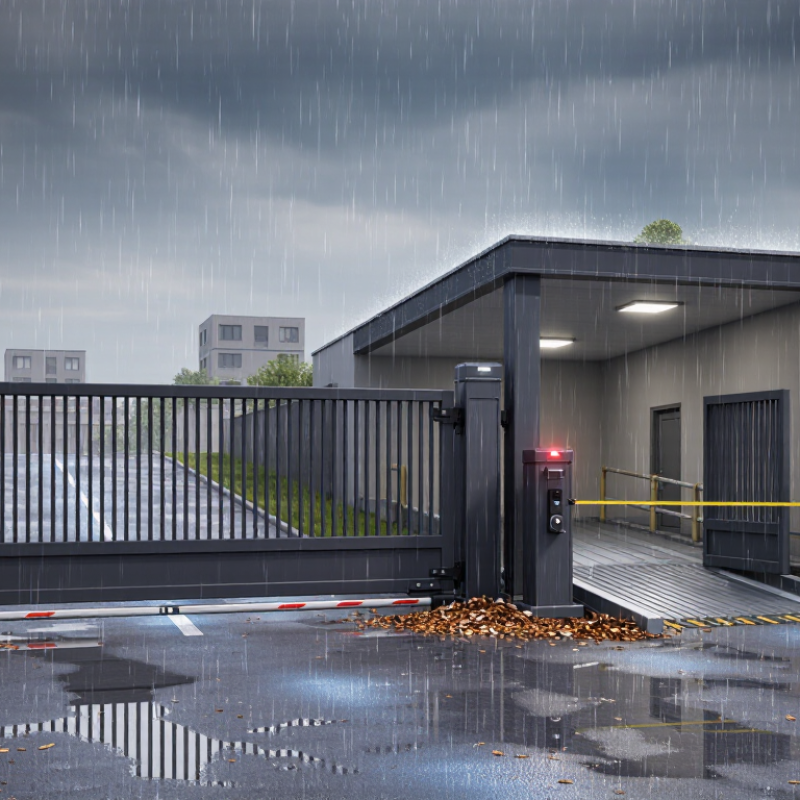
How to Choose the Best Automatic Flood Gate in 2026?

Assess Flood Risk and Site Conditions

Assess Flood Risk and Site Conditions

An automatic flood gate should match the water your site can actually face, not just a regional flood label. Start with FEMA’s Flood Map Service Center and National Risk Index, then compare them with local drainage records, surveyed elevations, and past flood marks. FEMA’s tools help screen community risk, but they cannot replace a site-specific survey. Maps are imperfect. Note the lowest entry point, nearby channels, slope, soil, and where stormwater drains. A blocked outfall or rising tide can push water toward a building even when the street looks dry.

Use NOAA’s 2024 U.S. Billion-Dollar Weather and Climate Disasters report as context: it counted 27 events, with estimated losses of $182.7 billion. That national figure does not predict your property’s flood depth.

For gate selection, document expected water level, flow direction, debris exposure, and how long water may remain. Check whether the foundation and sidewalls can resist pressure, and whether the gate’s opening width fits without obstructing evacuation routes. Measure twice. I would also inspect after heavy rain; one overlooked drain can change the whole assessment. Share the survey and flood assumptions with a qualified engineer before choosing a system.

Compare Automatic Flood Gate Types and Operating Principles

How to Choose the Best Automatic Flood Gate in 2026?

Automatic flood gates differ mainly in how they detect rising water and create a barrier. A passive, water-pressure-activated gate rises as floodwater pushes against it, requiring no electrical supply. No power needed. Its performance depends on clear drainage paths and correct installation; leaves or sediment can interfere. Float-operated gates use rising water to lift a panel or trigger a closure. They suit sites with predictable water levels, but floats need room to move freely. Both designs can respond without someone being present.

Sensor-controlled gates use level sensors and a motor to raise or lower a barrier. They offer adjustable trigger levels and can be checked remotely, but depend on power, controls, and maintenance. That matters. Compare how each type behaves during a slow rise, a sudden surge, and a power failure.

Ask for tested closure times, sealing details, and inspection requirements—not just maximum gate height. Check the ground slope, channel width, and likely debris at your site. A gate that looks suitable on a drawing may bind when grit collects around its moving parts. I would treat that as an easy detail to overlook, and verify it before choosing.

Evaluate Capacity, Materials, Sensors, and Backup Systems

Automatic flood gates should be sized for the water they may actually face, not a generic rainfall figure. Check expected water depth, flow speed, opening width, and debris load. A narrow entrance can still experience strong pressure. Ask for calculations based on site measurements and clearly stated assumptions. If those assumptions feel vague, pause. A bigger gate is not automatically a safer gate.

Material choice matters in wet, dirty conditions. Look for corrosion-resistant components, durable seals, and parts that can be inspected without special tools. Consider grit, leaves, and salt exposure where relevant. A polished housing means little if the hinge or seal wears quickly. Small details matter. Request maintenance intervals and replacement-part guidance before comparing prices.

Sensors should detect rising water reliably, but no sensor is perfect. Ask how the system handles mud, power interruptions, and faulty readings. Test the alarm and gate movement during scheduled inspections. Test it under load. A backup battery or manual operating method can help when the main supply fails. Check how long backup power lasts and whether staff can reach the controls safely. I would not treat a feature list as proof; seeing a documented test record is more useful.

Check Installation Requirements, Maintenance, and Safety Standards

How to Choose the Best Automatic Flood Gate in 2026?

Check Installation Requirements, Maintenance, and Safety Standards

Before choosing a gate, measure the opening, threshold, and surrounding wall condition. A site inspection should also check drainage channels, nearby utilities, and space for sensors or moving parts. A narrow entrance or uneven concrete can complicate installation. Small details matter. Ask the installer to explain required structural changes and how water will drain away after a flood.

Maintenance needs to fit the building’s routine, not just the product manual. Confirm how often the gate should be tested, who can perform the checks, and whether parts are easy to inspect. Look for clear procedures covering seals, hinges, sensors, backup power, and manual operation. Leaves or grit caught at the threshold can prevent a tight closure. That’s easy to overlook. Keep a written record of inspections and repairs, even if the schedule feels slightly excessive.

Review safety documentation before purchase. Request evidence of independent testing, rated water pressure, and performance under expected site conditions. Check local building and flood-protection requirements with the relevant authority or a qualified professional. Ask what happens during a power failure, sensor fault, or blocked gate path. Automatic operation is useful, but it should not make manual access confusing or unsafe. No single rating guarantees protection at every site, so compare documented limits with a site-specific assessment.

Match Gate Features to Budget and Long-Term Needs

Choosing an automatic flood gate in 2026 starts with the water it must stop, not the longest feature list. Measure the opening, estimate likely water depth, and check whether leaves, gravel, or street debris collect nearby. A gate suited to a shallow garage entrance may not fit a doorway exposed to fast runoff. Match its lifting capacity, sealing design, and sensor placement to the site. The lowest quote may exclude installation, battery replacement, inspections, or specialist repairs. That matters.

Set a budget for purchase and ongoing care. Ask for documented operating limits, maintenance intervals, and clear instructions for power failures. Compare costs over several years, including routine tests and replacement parts. If the system uses sensors, ask how it behaves when one is blocked or water arrives unevenly. I would not assume a feature is useful just because it sounds advanced; some buyers may value simple servicing more. Still, convenience has real value when access is difficult.

Tips: Request a site assessment and written maintenance schedule before choosing. Check whether manual operation is practical, and confirm who can service the equipment locally. Keep the instructions accessible. Test it as directed, not only after heavy rain.

How to Choose the Best Automatic Flood Gate in 2026? - Match Gate Features to Budget and Long-Term Needs

A practical comparison of common automatic flood-protection approaches. Budget levels are relative; actual costs depend on opening size, flood design, site preparation, controls, and installation.

Automatic flood-gate approach How it operates Relative initial budget Power and backup needs Maintenance and long-term considerations Best suited to
Water-activated, buoyancy-operated barrier Rising water provides the force that lifts or deploys the barrier. The design can operate without an electric motor or electronic flood sensor. Moderate; civil works, drainage, and a suitable recess can affect the total. Typically does not require grid power for deployment. Confirm whether monitoring, pumps, or alarms need power. Keep the mechanism and water path clear; inspect seals, moving parts, and drainage. Site-specific testing is important. Locations with a suitable installation layout where passive activation and reduced dependence on electrical power are priorities.
Sensor-triggered motorized vertical gate Water-level sensors or a control system signal a motor or hydraulic actuator to raise or lower the gate. High; gate structure, controls, sensors, and commissioning contribute to cost. Requires power for powered operation. Specify backup power, manual operation, and alarm arrangements for outages. Plan inspections of sensors, controls, actuators, seals, and backup systems. Test the complete operating sequence regularly. Sites needing controlled operation, remote monitoring, or integration with a building or flood-management system.
Sensor-triggered sliding or swing gate An actuator moves a gate across an opening after a sensor, alarm, or control system initiates deployment. Moderate to high; tracks, hinges, foundations, and clearance requirements influence the project cost. Usually needs powered actuation. Include a defined response to power or sensor failure, such as backup power or manual operation. Check tracks or hinges, seals, corrosion protection, sensors, and moving clearances. Debris can interfere with movement. Openings where the site has enough room for the gate’s travel path and where an automated closure can be tested and maintained.
Automatic gate with manual backup The gate deploys automatically under defined conditions and also has a documented manual operating method. Moderate to high; cost depends on the primary mechanism and backup design. May rely on mains power during normal operation; verify backup capacity, changeover, and manual access requirements. Test automatic and manual modes, backup power, alarms, and emergency procedures as part of the maintenance plan. Critical access points where a secondary way to operate the gate is important during equipment or power failure.

Selection checklist

  • Define the flood design: Confirm the expected flood level, water pressure, duration, debris exposure, and required protection line with a qualified flood-protection professional.
  • Check the opening and site: Measure the clear opening and review foundations, drainage, groundwater, available recess or travel space, and access for inspection.
  • Compare total ownership cost: Include design, civil works, installation, power, testing, servicing, replacement parts, and any required monitoring—not just the gate price.
  • Plan for failure conditions: Ask how the gate responds to a power outage, sensor fault, obstruction, or communication failure, and how staff can operate it manually if needed.
  • Verify performance and service: Request documented design limits, installation requirements, commissioning and test procedures, warranty terms, and a realistic maintenance schedule.

Budget note: Relative budget categories are for early comparison only, not quotations. Flood-gate costs are highly site-specific; obtain a site assessment and itemized proposal before selecting a system.

FAQS

How should I assess flood risk before choosing an automatic gate?

Compare flood maps with surveyed elevations, local drainage records, and past flood marks. Check the lowest entry point, nearby channels, slopes, and drainage outlets. Maps are imperfect.

What site details affect gate selection?

Record expected water depth, flow direction, debris, and how long water may remain. Leaves and gravel near the threshold can affect closure. Measure twice.

Does a regional flood rating tell me what my property needs?

No. Regional tools can screen general risk, but they cannot predict exact water levels at your building. A site survey and qualified engineering review can help.

What should an installer inspect before fitting a gate?

Measure the opening and threshold, then inspect the surrounding walls, concrete, drainage, and nearby utilities. Uneven concrete or a narrow entrance may require changes.

What maintenance should I plan for?

Ask how often to test the gate and who can inspect it. Check seals, hinges, sensors, backup power, and manual operation. Keep written records.

What should I check about safety and power failure?

Request independent test records and documented operating limits for expected site conditions. Ask what happens if power fails, a sensor is blocked, or the gate path is obstructed.

How can I compare costs fairly?

Include installation, inspections, replacement parts, battery changes, and specialist repairs. A lower purchase price may not mean lower long-term costs. I may be too cautious, but servicing matters.

How can I tell whether extra features are useful?

Match lifting capacity, sealing, and sensor placement to the site. Ask how sensors respond to uneven water or blockage. Simple servicing may matter more than a long feature list.

Conclusion

Choosing the best Automatic flood gate in 2026 starts with understanding the flood risks and physical conditions at your site, including likely water depths, flow rates, drainage patterns, and available installation space. Compare gate types by how they detect rising water and deploy, then assess whether their operating principles suit your location and expected flood conditions.

Look beyond the gate itself: review its water-blocking capacity, construction materials, sensor reliability, and backup systems in case power or communications fail. Confirm that installation requirements, routine maintenance, operating procedures, and relevant safety standards are manageable for your property. Finally, balance the purchase and installation costs against expected service life, upkeep, and the level of protection needed. The right choice is one that fits your site, budget, and long-term needs while providing dependable, practical flood protection.

Sienna

Sienna

Sienna is a skilled marketing professional with a deep expertise in our company’s core products and services. With a passion for innovation and detail, she plays a pivotal role in crafting insightful blog posts that not only highlight the unique features of our offerings but also provide valuable......
Request a Catalog ✉ ↑