
Flood defence is no longer a niche infrastructure concern. It is becoming a practical priority for global buyers, insurers, manufacturers, and property developers. The World Bank reported in 2022 that approximately 1.8 billion people faced significant flood exposure worldwide. Many live in low- and middle-income regions. A flooded warehouse can stop production within hours. It can also damage electrical systems, stored goods, transport links, and employee access. The costs are physical and commercial.
The financial evidence is equally direct. Swiss Re’s Sigma report estimated that natural catastrophes created about US$280 billion in global economic losses during 2023. Insured losses reached approximately US$108 billion. Flooding remains one of the most frequent and disruptive hazards, especially where urban growth has replaced natural drainage. The World Meteorological Organization also confirms that extreme weather events are becoming more severe and costly. These figures explain why buyers increasingly assess flood barriers, drainage systems, water-resistant materials, and emergency planning together.
But data alone cannot choose the right solution. No barrier fits every shoreline. A coastal factory may need permanent protection, while a retailer may require lightweight, rapidly deployable panels. Buyers should examine tested performance, installation time, maintenance records, lifecycle costs, and local operating experience. Claims without independent verification deserve caution. This is where procurement can become imperfect. Product brochures rarely show muddy access roads, blocked drains, or exhausted installation teams. Reliable flood defence therefore requires technical evidence and honest site assessment. Global buyers who plan before the first warning can protect assets, maintain operations, and make more defensible investment decisions.
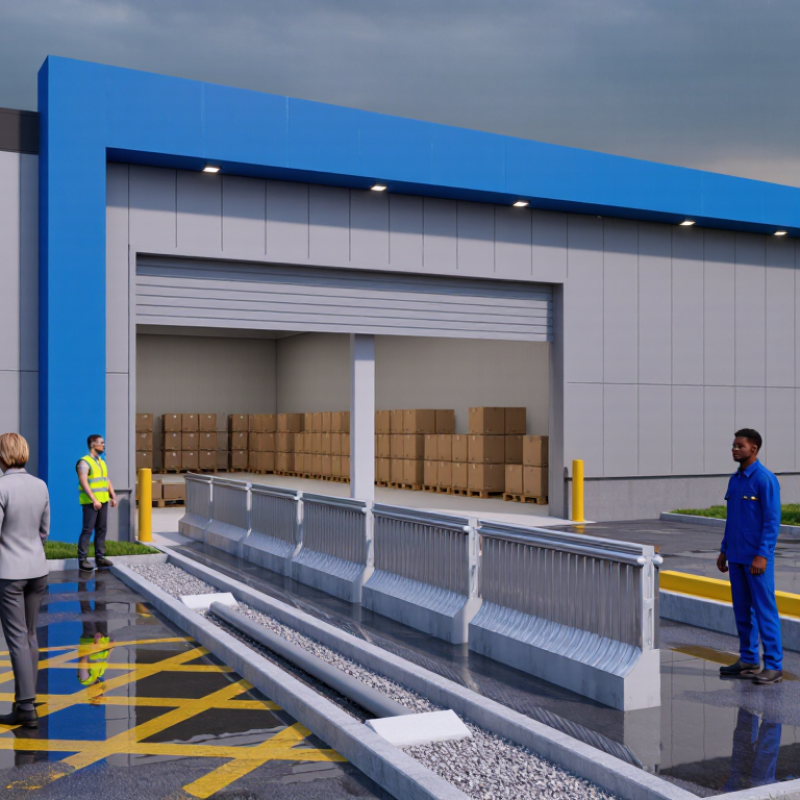
Flood defence is the coordinated use of barriers, drainage, retention areas, wetlands, warnings, and building controls. Its core purpose is not to stop every drop of water. It is to reduce exposure, slow flow, protect lives, and limit economic disruption.
The need is measurable. The World Meteorological Organization recorded 11,778 weather, climate, and water-related disasters from 1970 to 2021. These events caused more than 2 million deaths and about 4.3 trillion US dollars in economic losses. The United Nations Office for Disaster Risk Reduction also reports that disaster losses are rising sharply. Flood risk is no longer only a local engineering concern.
For global buyers, reliable flood defence begins with site-specific evidence. A coastal warehouse may require surge barriers and corrosion-resistant materials. An inland facility may need pumps, raised thresholds, and temporary storage areas. Drainage capacity matters too. A strong product can still fail when installation, maintenance, or local rainfall data is ignored.
Practical evaluation should include tested load limits, expected service life, installation records, maintenance access, and relevant national standards. The International Organization for Standardization advises risk-based resilience planning through ISO 31000 principles. Certification supports trust, but it does not replace field inspection. No system is perfect. That uncomfortable fact should shape purchasing decisions, especially where climate patterns are changing faster than old design assumptions.
Flood defence systems reduce risk by slowing, blocking, and redirecting water before it reaches critical areas. For global buyers, this matters in warehouses, factories, ports, and underground entrances. A well-fitted flood barrier can protect doorways during sudden rainfall or rising rivers. Flood doors add another layer of protection at vulnerable openings. Water finds weak points.
Effective protection rarely depends on one product. Perimeter barriers can guide water toward approved drainage routes, while pumps remove water that passes through small gaps. Sensors may provide early warnings when water levels rise near loading bays. In practice, these systems need accurate site surveys, reliable power, and clear emergency procedures. Independent engineers should assess ground levels, flow paths, soil conditions, and local construction requirements before installation.
Maintenance is where plans often fail. A barrier stored behind heavy equipment may be useless during a night-time emergency. Seals can harden, pumps can clog, and batteries can lose capacity. Buyers should request inspection records, installation guidance, replacement schedules, and staff training. No system removes every threat. An unusual storm may exceed the original design assumptions. Reviewing those assumptions after each serious event can reveal weaknesses, even when the equipment appears to have worked.
| Risk Area | Flood Defence System | How It Reduces Risk | Relevant Performance Dimension | Global Buyer Consideration | Important Limitation |
|---|---|---|---|---|---|
| River overflow | Temporary flood barriers and demountable panels | Creates a temporary perimeter barrier that helps keep rising water away from buildings, roads and equipment. | Barrier height, watertightness, anchoring and deployment time | Confirm the required protection level using local flood maps, historical events and hydraulic assessments. | Water may bypass the barrier through gaps, low points, drains or adjoining properties. |
| Coastal storm surge | Permanent floodwalls, seawalls and raised embankments | Reduces direct wave and surge exposure by placing a designed physical elevation between the hazard and the protected area. | Design elevation, wave loading, foundation stability and erosion resistance | Assess coastal water levels, wave action, land subsidence and future sea-level rise. | A wall can transfer water or wave impacts to neighbouring areas if the wider coastal system is not considered. |
| Surface-water flooding | Flood doors, flood gates and protected access openings | Seals vulnerable entrances and reduces the main pathways through which shallow floodwater enters a property. | Seal integrity, opening width, threshold height and ease of operation | Check compatibility with doorways, emergency exits, accessibility requirements and local building regulations. | Doors and gates require correct closure, inspection and maintenance before an event. |
| Drainage surcharge and sewer backup | Non-return valves, backflow preventers and pumped drainage systems | Limits reverse flow from overloaded drainage networks and removes water that accumulates inside protected areas. | Valve sealing, pump capacity, backup power and discharge route | Verify local pipe sizes, expected inflow, electrical supply and requirements for backup operation. | Pumps cannot solve flooding when the discharge route is itself submerged or blocked. |
| Groundwater and seepage | Waterproof membranes, tanking systems and sealed service penetrations | Reduces water migration through basement walls, floors, joints and utility penetrations. | Material water resistance, joint detailing and structural compatibility | Require a site-specific assessment of soil conditions, hydrostatic pressure and existing cracks. | Waterproofing does not replace structural repairs or a suitable drainage strategy. |
| Critical equipment damage | Raised platforms, elevated utilities and flood-resistant equipment layouts | Keeps electrical, control and mechanical systems above expected flood levels, reducing service interruption and replacement costs. | Elevation above design flood level, anchoring and safe access | Consider local utility standards, equipment weight, maintenance access and business-continuity needs. | Elevated equipment may remain inaccessible during a flood unless safe maintenance routes are planned. |
| Business interruption | Integrated flood-resilience packages and emergency response plans | Combines physical protection, warning procedures, staff responsibilities and recovery measures to reduce downtime. | Deployment readiness, inspection frequency, staff training and recovery time | Evaluate total lifecycle cost rather than purchase price alone, including training, storage, testing and replacement parts. | Physical products are less effective without clear procedures, responsibility and regular exercises. |
| Uncertain future flood conditions | Modular, demountable and upgradeable defence systems | Allows sections, heights or components to be modified as flood-risk information, land use or climate conditions change. | Modularity, expandability, interoperability and availability of replacement parts | Request documented design assumptions, upgrade options, service life and technical support arrangements. | Future adaptability may require additional foundations, storage space or approval from authorities. |
Flood defence protects buildings, equipment, supply chains, and local communities from rising water. Global buyers should match each system to the site’s flood depth, flow speed, soil, and warning time. A product that works beside a river may fail on a coastal site.
Permanent barriers provide strong, continuous protection around factories, warehouses, and transport yards. Demountable barriers offer flexibility where access must remain open. They need trained teams, clear storage, and fast installation. Flood doors and sealed shutters protect entrances, loading bays, and service rooms. Pumps and backflow valves manage water that enters through drains or low points. They are practical, but electricity failure remains a serious weakness.
Nature-based defences can also reduce risk. Wetlands, retention ponds, permeable surfaces, and planted slopes slow runoff before it reaches buildings. For global procurement, buyers should request tested performance data, installation instructions, material specifications, and evidence of compliance with local building rules. Independent inspection is valuable, especially when claims seem too broad. Maintenance records matter more than attractive brochures.
No system is perfect. A costly barrier can still fail after poor installation. Buyers sometimes focus on purchase price and overlook training, spare parts, inspections, and replacement time. A realistic plan should include emergency drills and regular checks after storms. Water finds weak points. That detail is easy to forget.
Global flood defence procurement is important because approximately 1.81 billion people are exposed to a 1-in-100-year flood, including around 780 million people living on less than US$5.50 per day. Buyers should evaluate solutions according to local hazard levels, required protection standards, installation conditions, maintenance needs, and total lifecycle cost.
Key flood defence types: flood barriers and levees provide structural protection; flood doors and demountable barriers protect individual buildings; drainage and pumping systems manage surface water; retention ponds and wetlands temporarily store floodwater; and flood warning systems support early evacuation and emergency response.
Data source: World Bank, “1.81 Billion People Live in Flood-Prone Areas,” 2022. Exposure refers to people located in areas affected by a 1-in-100-year flood.
Global buyers should compare flood defence solutions against local flood risks, not attractive photographs. Start with water depth, flow speed, warning time, and likely flood duration. A coastal site may face saltwater corrosion, while an inland warehouse may need protection from sudden surface runoff. Site surveys matter. Guesswork becomes expensive when doors, drains, and loading bays are measured poorly.
Check the product’s tested resistance, materials, installation method, and maintenance requirements. Independent test reports are more useful than broad claims about “maximum protection.” Ask whether testing reflects real conditions, including uneven ground, debris, repeated use, and pressure from moving water. Aluminium, reinforced composites, and sealed fabrics may perform differently after years outdoors. Small details matter, such as storage space, replacement seals, and access for emergency teams.
Compare the full lifecycle cost, not only the purchase price. Include transport, installation, training, inspections, repairs, and spare components. A solution that needs specialist technicians may be difficult to manage in a remote market. Supplier experience also deserves careful review. Request project references, clear technical drawings, response times, and evidence of quality control. Certification is valuable, but it does not replace a site-specific assessment. No comparison is perfect. Even experienced buyers can underestimate maintenance during a quiet season. Reliable protection depends on preparation, regular testing, and honest limits.
Planning, Installation, and Long-Term Maintenance Requirements
Effective flood defence begins before any product is ordered. Global buyers should assess rainfall records, nearby rivers, ground levels, drainage capacity, and likely flood depths. Local engineers can confirm whether a barrier, door seal, pump system, or raised threshold suits the site. A low-cost choice may fail when water arrives from an unexpected direction. That risk is easy to underestimate.
Installation requires accurate measurements and careful site preparation. Uneven paving, blocked drains, or weak wall joints can create serious gaps. Qualified installers should follow approved technical procedures and record each inspection. They should also test moving parts under realistic conditions, not only during a short demonstration. Independent checks add confidence, especially when equipment crosses borders. Installation photographs and maintenance instructions should remain with the property records.
Tips: Ask for clear load ratings, material specifications, installation tolerances, and replacement-part availability. Confirm who will inspect the system after severe weather. Keep seals clean, remove debris, lubricate suitable components, and test pumps regularly. Review the emergency procedure with staff or residents. Do not wait for a warning.
Maintenance is often overlooked. Water exposure, sunlight, corrosion, and repeated movement can reduce performance. A written schedule helps identify small defects early. Still, no plan is perfect. Real sites behave differently from drawings, so buyers should review the system after each flood event and improve weak points.
Flood defence reduces water exposure, slows flow, protects lives, and limits economic disruption. It cannot stop every drop.
Flood risks vary by location. A coastal warehouse may need surge protection and corrosion-resistant materials. An inland facility may need pumps, raised thresholds, and storage areas.
Options include permanent barriers, removable barriers, flood doors, pumps, backflow valves, wetlands, retention ponds, and permeable surfaces. Each system suits different conditions.
Request test results, load limits, material details, installation instructions, service-life estimates, and maintenance records. Clear technical drawings help too.
Poor installation can create gaps around doors, drains, and loading bays. Even an expensive barrier may fail there.
Pumps may stop during power failures. Removable barriers need trained teams and nearby storage. Corrosion, damaged seals, debris, and uneven ground can reduce performance.
Include transport, installation, training, inspections, repairs, spare parts, and replacement time. The cheapest purchase may become expensive later.
No. Certification supports confidence, but field inspection remains necessary. Testing may not reflect local debris, moving water, or repeated use.
Schedule regular inspections, emergency drills, and post-storm checks. Review weak points honestly. Quiet seasons can hide maintenance problems.
No system is perfect. Changing rainfall patterns may challenge old assumptions. Buyers should plan for uncertainty, not promise impossible protection.
Flood defence refers to the structures, barriers, drainage systems, and planning measures used to protect people, buildings, infrastructure, and goods from flooding. Its core purpose is to reduce the likelihood and severity of flood damage by controlling water flow, creating protective boundaries, and improving preparedness. For global buyers, effective flood defence can support business continuity, protect valuable assets, and reduce long-term repair and recovery costs.
Common solutions include temporary barriers, permanent walls, flood gates, drainage improvements, raised structures, and water-management systems. When comparing options, buyers should assess the level of protection, site conditions, installation requirements, durability, scalability, certification, and total ownership cost. Careful planning is essential to ensure the system matches local flood risks and operating conditions. Professional installation, routine inspections, cleaning, testing, and timely replacement of worn components are also necessary to maintain reliable performance over time. A well-planned approach helps buyers select practical, sustainable, and cost-effective protection for different environments.
