
Field-tested automatic, self-closing, and surface-mounted flood defence gates engineered for urban civil structures, electrical substations, and metro transit networks.
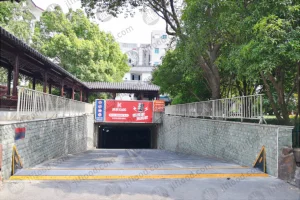
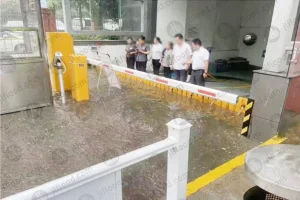
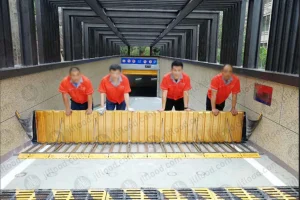
Urban climate volatility and unprecedented flash floods have shifted building safety standards worldwide from reactive flood management to unpowered hydrodynamic passive defense technology.
Traditional flood barriers for commercial real estate historically relied on manual labor—deploying aluminum stop-logs, modular demountable panels, or sandbags. Modern flood risk modeling demonstrates that urban flash flooding occurring during sudden cloudbursts allows less than a 15-minute operational window.
The global construction industry is rapidly standardizing unpowered hydrodynamic self-closing flood gates. Housed flush within entrance thresholds, these systems activate solely via the physical buoyancy of rising floodwaters—requiring zero electricity, zero human intervention, and zero sensor triggers.
Institutional property developers and commercial infrastructure buyers face rising compliance requirements under municipal surface water management guidelines (e.g., UK CIRIA standards, US FEMA floodproofing directives, and China Sponge City urban drainage mandates).
Insurance underwriters now demand certified water-retaining structural barriers for underground parking garages, subway station portals, and utility vaults to prevent catastrophic business interruption and multi-million-dollar property loss claims.
Detailed engineering breakdown of buoyancy dynamics, structural deflection limits, hydrostatic sealing physics, and heavy vehicular load engineering.
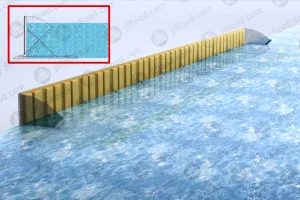
The panel rests embedded flush in a stainless-steel foundation trough. As water surges into the floor channel, incoming fluid enters the bottom chamber, generating upward hydrostatic pressure ($F_b = \rho_{water} \cdot V \cdot g$). The panel pivots upwards automatically on high-torque SUS304 hinge pins.
As water rises higher, the lateral pressure of the retained water body acts against the face of the extruded 6063-T6 aluminum panel. This pressure forces the secondary continuous EPDM rubber seals against side frames and floor plates, creating a tighter seal as water head increases.
Once storm runoff subsides and drainage systems clear the flood chamber, internal drainage ports automatically vent the water inside the foundation trough. Gravity gently lowers the barrier panel back into its flush home position without manual assistance.
Engineering Note for Specifiers: All Junli hydrodynamic flood gates feature structural deflection ratings under maximum design head strictly adhering to L/500 structural tolerances, ensuring no seal separation occurs even under dynamic wave action during urban typhoons.
| Performance Specification | Standard Commercial Grade | Heavy-Duty Industrial / Metro Grade | Testing & Compliance Standard |
|---|---|---|---|
| Standard Retaining Heights | 500 mm – 1,200 mm | 1,000 mm – 2,000 mm | EN 1991-1-6 Hydraulic Head |
| Load Rating (Top Cover Plate) | 15 – 25 Tonnes (Axle Load) | 40 – 60 Tonnes (Container Truck/Fire Engine) | AASHTO HS-20 / EN 124 D400 |
| Structural Alloy Frame | 6063-T6 Anodized Aluminum | 6005A-T6 / Heavy Structural Steel | GB/T 5237 / ASTM B221 |
| Sealing Gasket Material | Dual-Lip EPDM Rubber | Vulcanized EPDM + Stainless Spring Core | ISO 3939 / ASTM D2000 |
| Water Leakage Rate | < 0.05 L/min per meter seam | 0.00 L/min (Zero Leakage Standard) | Factory Pool Hydrostatic Verification |
| Operational Power Requirement | 0 kW (Passive Hydrodynamic) | 0 kW (Passive Hydrodynamic) | 100% Unpowered Reliability |
How Nanjing's specialized industrial engineering clusters deliver structural precision, rapid OEM customization, and cost optimization for overseas EPC contractors and B2B buyers.
Nanjing Junli Technology operates integrated production facilities combining high-tonnage aluminum alloy profile extrusion, automated robotic laser cutting, CNC precision machining, and custom rubber vulcanization lines in a single supply chain ecosystem.
By eliminating third-party sub-contracting loops, we achieve structural tolerances within ±1.5mm across wide-span multi-panel modules, reducing production lead times by over 40% compared to European fabricators.
Unlike generic fabricators who offer design renderings without empirical testing, every flood barrier model manufactured at our facility undergoes full-scale hydrostatic testing in our dedicated 2.0-meter deep water testing pool.
Each wholesale order is accompanied by a certified Factory Acceptance Test (FAT) report, HD water testing videos, material mill test certificates (MTC), and structural deflection calculations.
Eliminate intermediary trading margins. Work directly with factory engineers to receive direct B2B pricing, complete BOQ breakdowns, and modular shipping estimates tailored to project schedules.
Custom clear spans up to 10+ meters without intermediate pillars, embedded or surface-mount options, color matching for architectural facades, and specialized electrical signaling integrations.
Fumigated wooden crate packaging, specialized sea-freight loading arrangements, complete customs export paperwork, and comprehensive English installation manuals for local installation crews.
Tailored structural designs matching the spatial, mechanical, and traffic requirements of diverse modern building types.
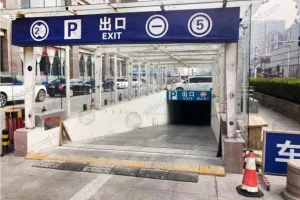
Challenge: Vehicles cross the ramp continuously. Flood barriers must endure heavy wheel loading without deformation while remaining completely flush to prevent vehicle tire damage.
Solution: Embedded Hydrodynamic Automatic Barriers equipped with 40-tonne heavy-duty top plates. High-grade EPDM gaskets seal the recess against rainwater ingress during normal dry operations.
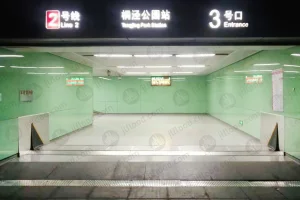
Challenge: Rapid pedestrian flow during peak transit hours. Zero step thresholds allowed due to accessibility and safety regulations.
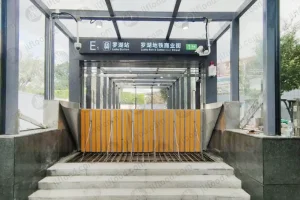
Solution: Flush-mounted automatically deployed flip-up panels integrated into entrance floor plates. Fully compatible with subway central SCADA monitoring systems via wireless limit-switch sensors.
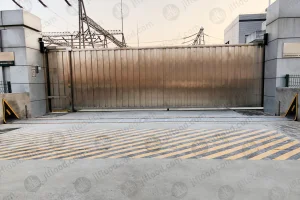
Challenge: Transformer rooms and power distribution vaults are vulnerable to short circuits and urban blackout risks during torrential rains.
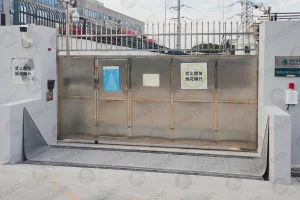
Solution: Substation Gate Heavy-Duty Flood Gates featuring absolute zero-power passive self-closing mechanisms, ensuring critical power infrastructure remains operational even if localized mains power is completely severed.
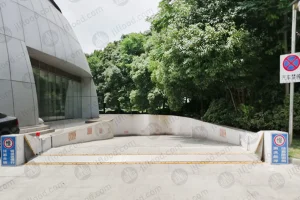
Challenge: Aesthetics must match luxury commercial facades without visible mechanical clutter during dry weather.
Solution: Surface-mounted thin-profile barriers or subterranean concealed flip-up gates finished with custom stainless steel trim or architectural powder coatings matching perimeter curtain walls.
Key engineering information required by direct manufacturers to deliver precise technical proposals, shop drawings, and competitive B2B pricelists.
1. Hydrostatic Water Testing Evidence: Request actual water testing video documentation of the exact gate series.
2. Seal Replacement Feasibility: Ensure EPDM seals can be serviced or replaced on-site without demolishing concrete foundations.
3. Structural Deflection Reports: Verify $L/500$ strain engineering calculations certified by structural engineers.
Expert answers to common questions regarding structural safety, electrical independence, installation requirements, and export logistics.
The panel rests flush inside a recessed stainless steel foundation trough embedded at the entryway threshold. When surface floodwater enters the chamber, natural buoyancy forces push the hollow engineered panel upward. As water levels increase, hydrostatic pressure locks the panel firmly against continuous EPDM perimeter gaskets. The entire process relies on fundamental hydraulic physics—requiring zero sensors, zero pumps, zero motors, and zero grid power.
We supply single-leaf flood barriers with retaining heights ranging from 500 mm to 2,000 mm and clear single spans up to 6.0 meters. For extra-wide commercial ramp entrances or metro station portals exceeding 20 meters, we provide modular multi-leaf barrier arrays with removable or subterranean pop-up intermediate mullions.
Yes. Our embedded heavy-duty automatic flood gates are engineered specifically for vehicular ramps. Constructed with structural 6005A-T6 aluminum extrusion panels and reinforced internal ribbing, the top cover plate is rated for axle loads of 40 to 60 tonnes (AASHTO HS-20 / EN 124 D400 standards), easily supporting heavy commercial delivery trucks, fire engines, and buses.
For embedded flood gate installations, civil contractors must construct a reinforced concrete recess trench according to our structural CAD drawings, complete with bottom drainage connections (to evacuate ambient rainwater) and embedded anchor steel plates. Surface-mounted flip-up barriers require only a level concrete slab threshold suitable for heavy-duty chemical expansion anchors.
All international orders are wrapped in protective anti-scratch film, edge-guarded, and secured within export-standard fumigated plywood crates. Heavy structural frames are fitted with lifting lugs for safe fork-lift or crane unloading at destination ports or job sites.
Because the system has no electrical motors or hydraulic pumps, maintenance is minimal. We recommend quarterly inspections to clear debris or sediment from the bottom foundation trough, flush the internal drainage ports, and inspect the continuous EPDM rubber seals for physical wear or chemical degradation.
Explore our complete range of subway connection channel barriers, power-free automatic gates, and heavy-duty building protection systems.

Connect directly with Nanjing Junli Technology's flood engineering team. Receive CAD clearance drawings, structural deflection models, factory test certificates, and itemized B2B pricing within 24 hours.


