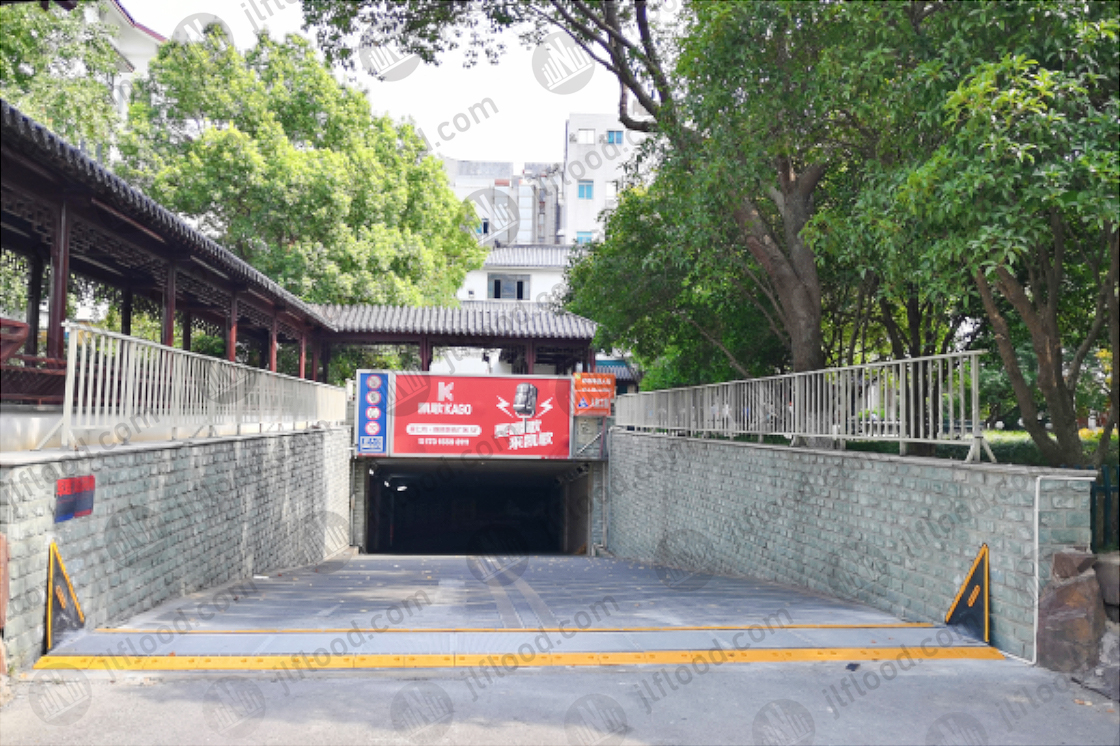
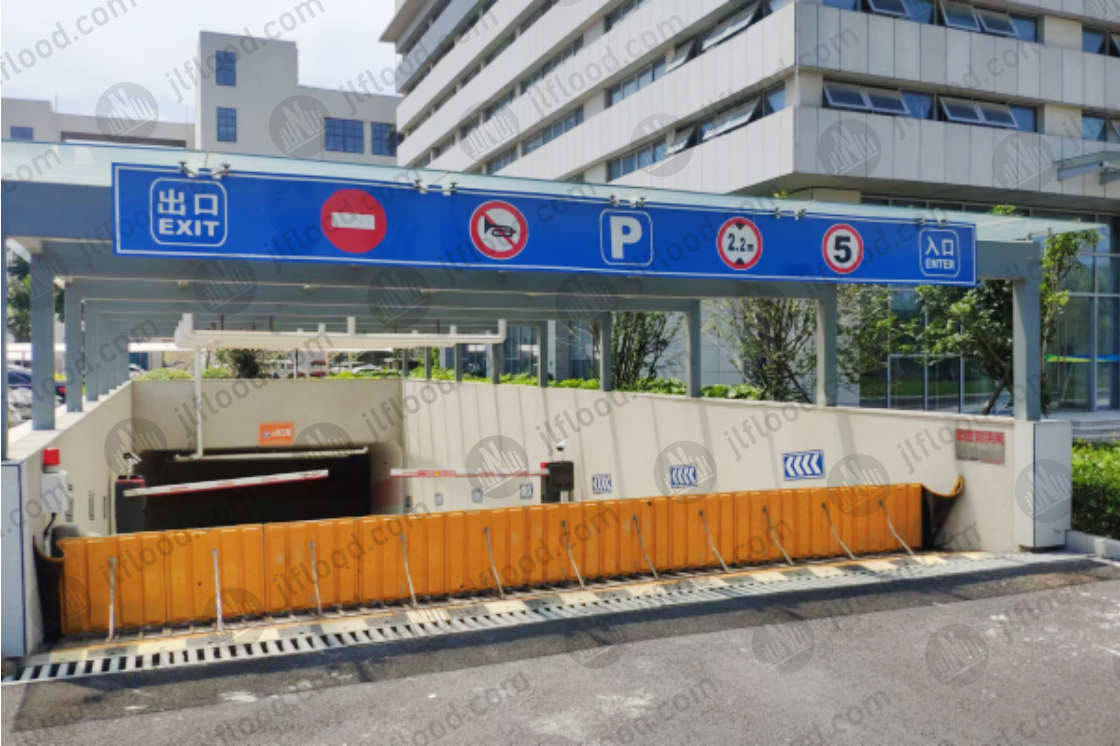
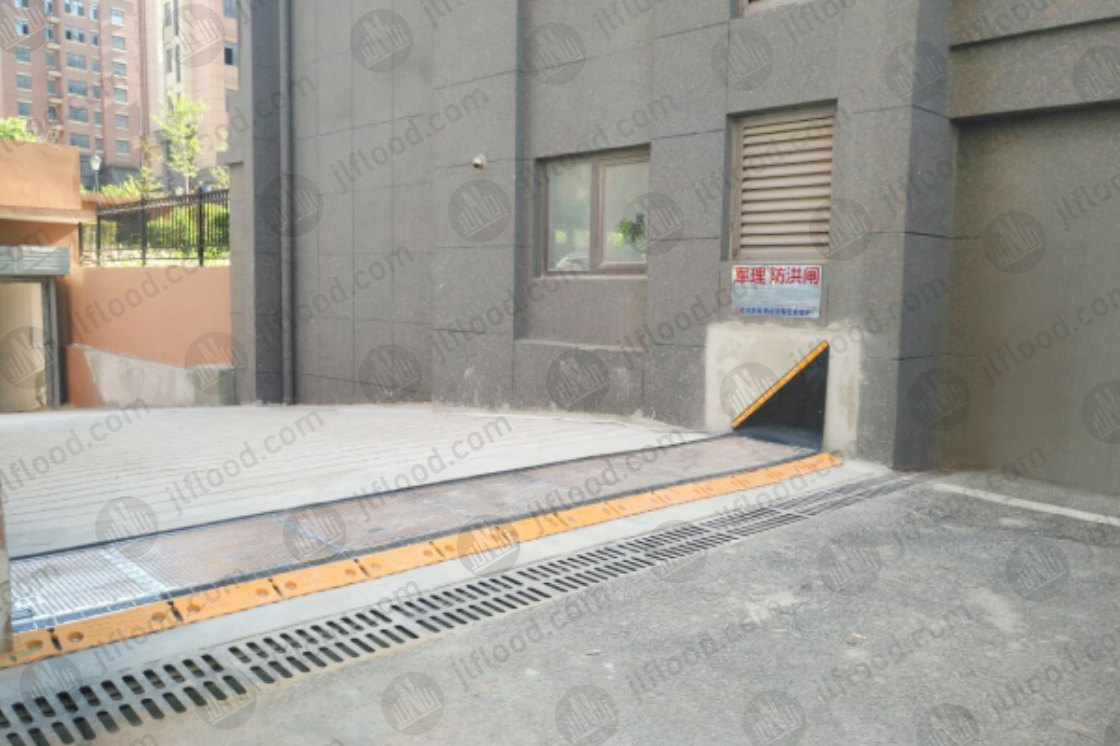
1 / 3

| Model | Water Retaining Height (mm) | Installation Mode | Installation Groove Section (mm) | Bearing Capacity |
|---|---|---|---|---|
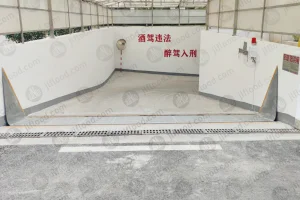
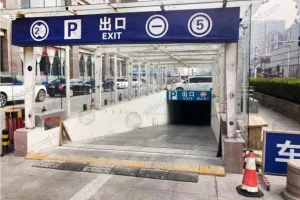
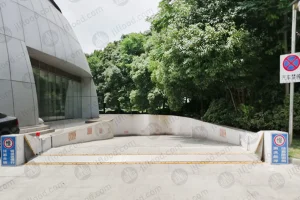
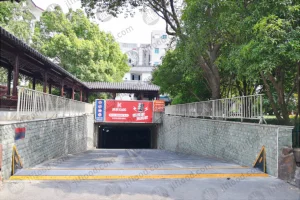
| Hm4e-0012C | 1150 | Embedded installation | Width: 1540 * Depth: 105 | Heavy duty (small and medium-sized motor vehicles, pedestrian) |
| Grade | Mark | Bearing Capacity (KN) | Applicable Occasions |
|---|---|---|---|
| Heavy Duty | C | 125 | Underground parking lot, car parking lot, residential quarter, back street lane and other areas where only allow non-fast driving zone for small and medium-sized motor vehicles (≤ 20km / h). |
This equipment is an important flood control safety facility. The user unit shall designate professional personnel with certain mechanical and welding knowledge to conduct regular inspection and maintenance, and shall fill in the inspection and maintenance record form (see the attached table of the product manual) to ensure that the equipment is in good condition and normal use at all times! Only when the inspection and maintenance are carried out in strict accordance with the following requirements and the "inspection and maintenance record form" is filled in, can the company's warranty terms take effect.
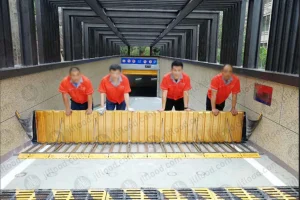
Every month and before each heavy rain, manually pull and place the door leaf at least once, and clean up the sundries in the bottom frame! In order to prevent the door leaf from being stuck by foreign matters and unable to be opened normally; at the same time, the sediment, leaves and other sundries inside the bottom frame and water inlet shall be cleaned up to prevent the water inlet channel (GAP) from being blocked after the door leaf is closed, which hinders the flow of water and can not produce buoyancy, resulting in the door leaf not being able to automatically open and block the water; the deposited sediment, leaves and other sundries will accelerate the corrosion and shorten the service life of the equipment. When the door leaf is opened, the warning light shall flash at high frequency.
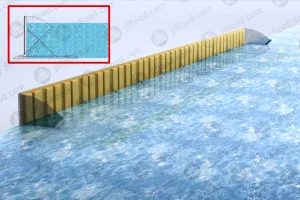
Conduct water injection test at least once a year before flood season! At the front of the flood control barrier, sandbags or manual plates are used to make the dam enclosure, and the drainage switch at the rear under the bottom frame is closed with tools such as screwdrivers. Water is poured in between the dam enclosure and the flood control barrier. The door leaf shall be able to automatically do the water retaining, and there is no obvious water leakage as a whole, and the warning light shall flash at high frequency. In case of surface installation on the slope, the drain switch shall be turned on after the test.
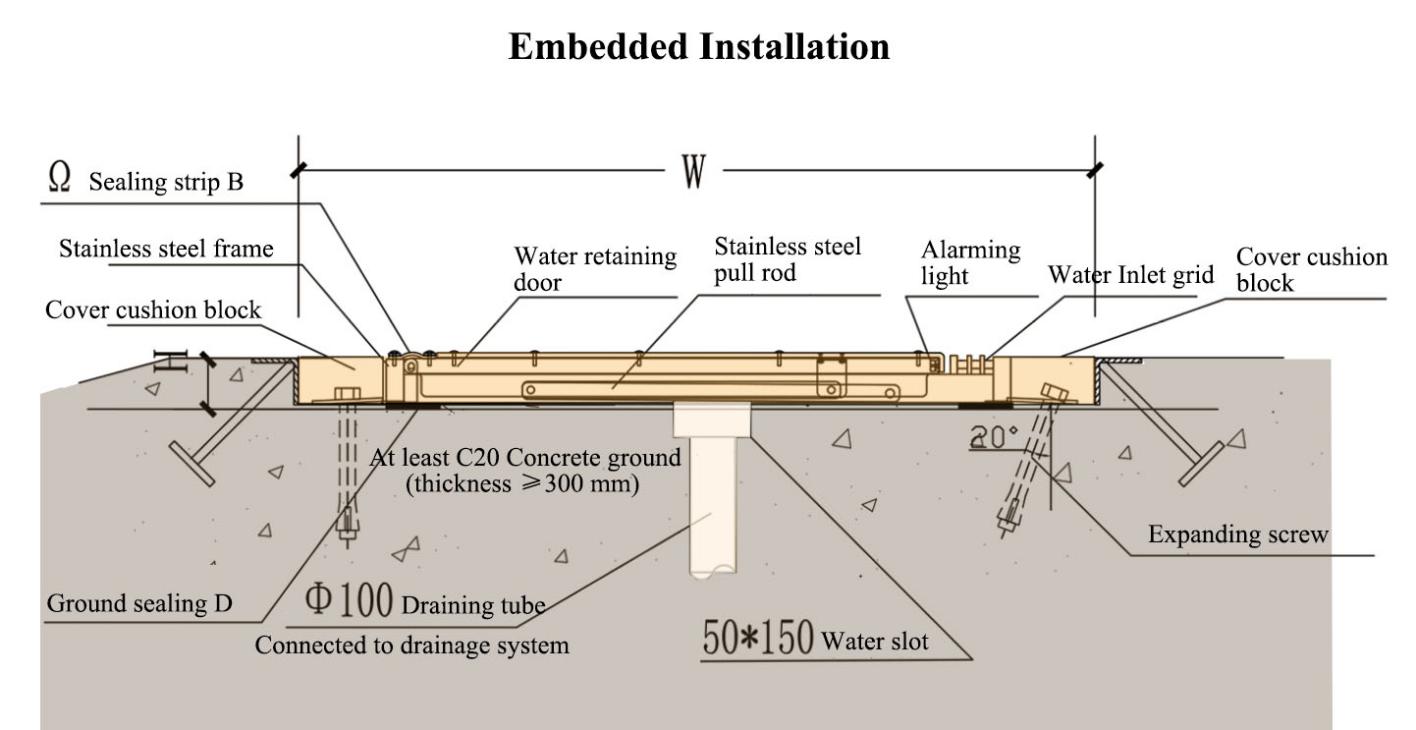
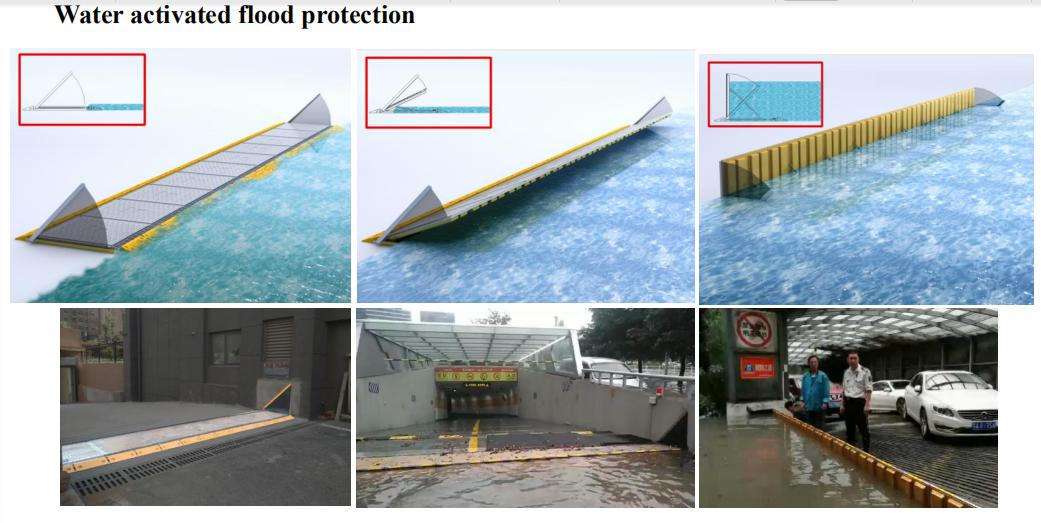
Routine maintenance should be performed at least once a month and before every heavy rain by manually testing the door leaf and clearing debris. Additionally, an annual water injection test must be conducted prior to the flood season.
Model Hm4e-0012C has a Grade C heavy-duty bearing capacity rating of 125 KN. It is designed for small and medium-sized motor vehicles (driving speed ≤ 20km/h) and pedestrian traffic.
Cleaning debris, leaves, and sediment prevents the door leaf from getting stuck and ensures the water inlet gap remains clear. Blockages hinder water flow and buoyancy generation, which prevents automatic opening and accelerates equipment corrosion.
Build a temporary dam enclosure using sandbags or manual plates in front of the barrier, close the bottom rear drainage switch with a screwdriver, and fill the area with water. Verify that the door leaf automatically lifts, retains water with no obvious leakage, and triggers high-frequency warning lights.
Maintenance must be performed by designated professional personnel possessing mechanical and welding knowledge, and all inspections must be documented in the product manual's record form to maintain warranty validity.