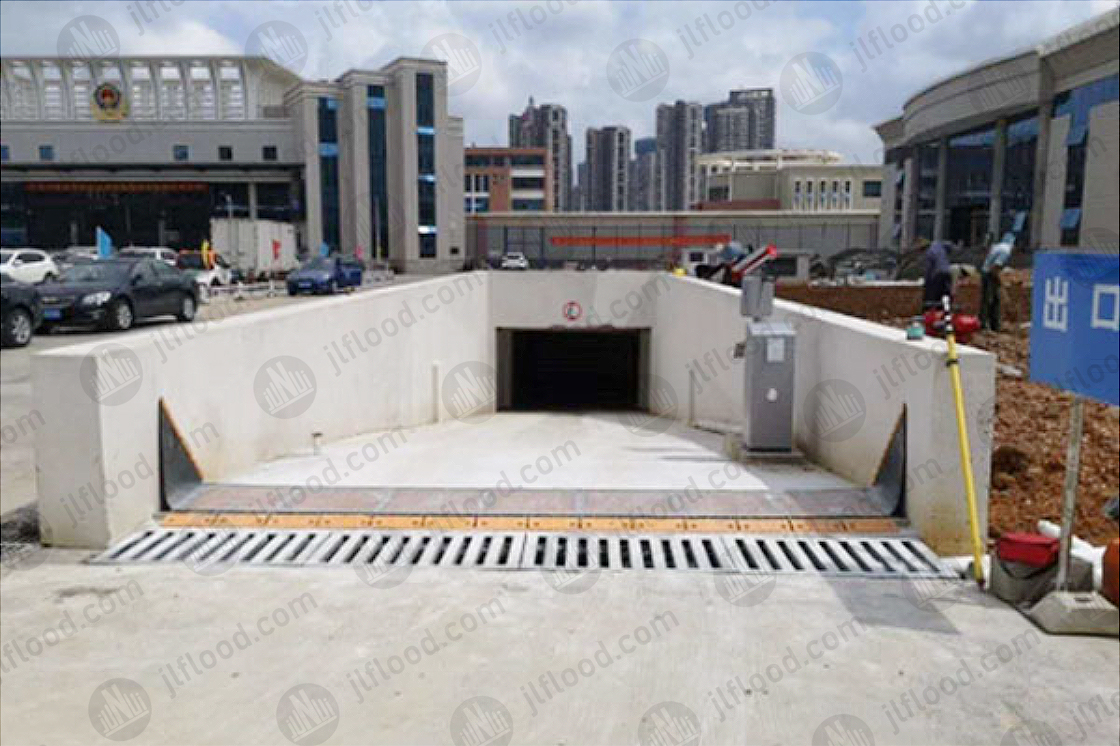
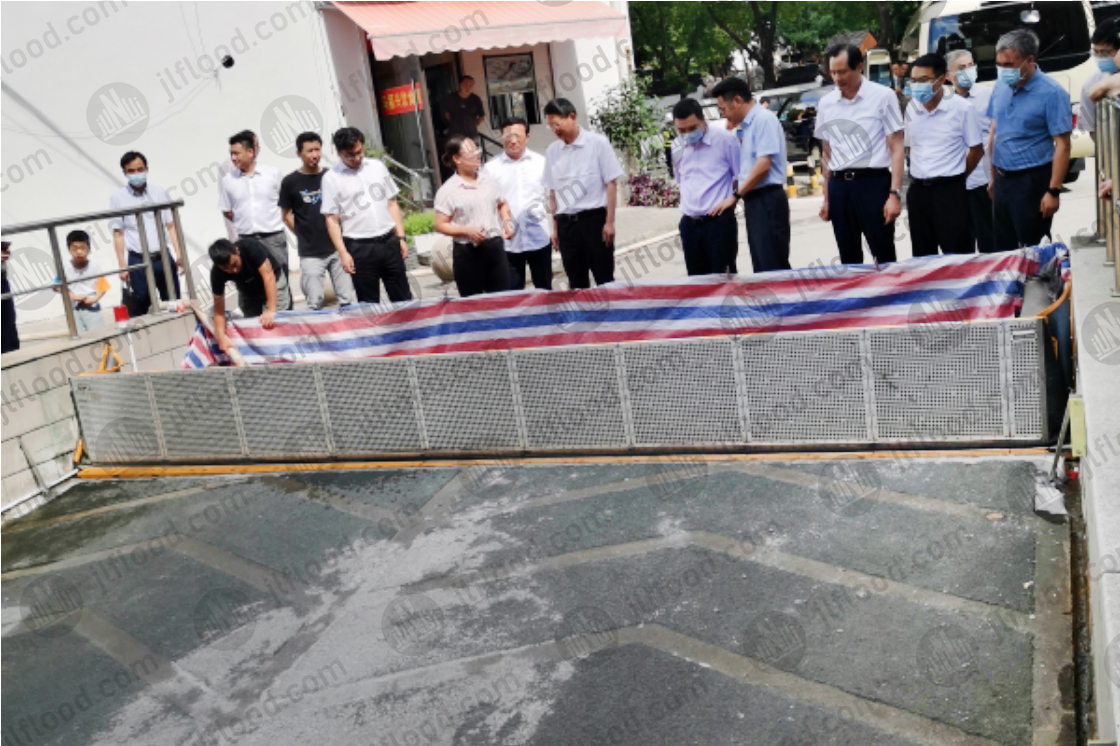
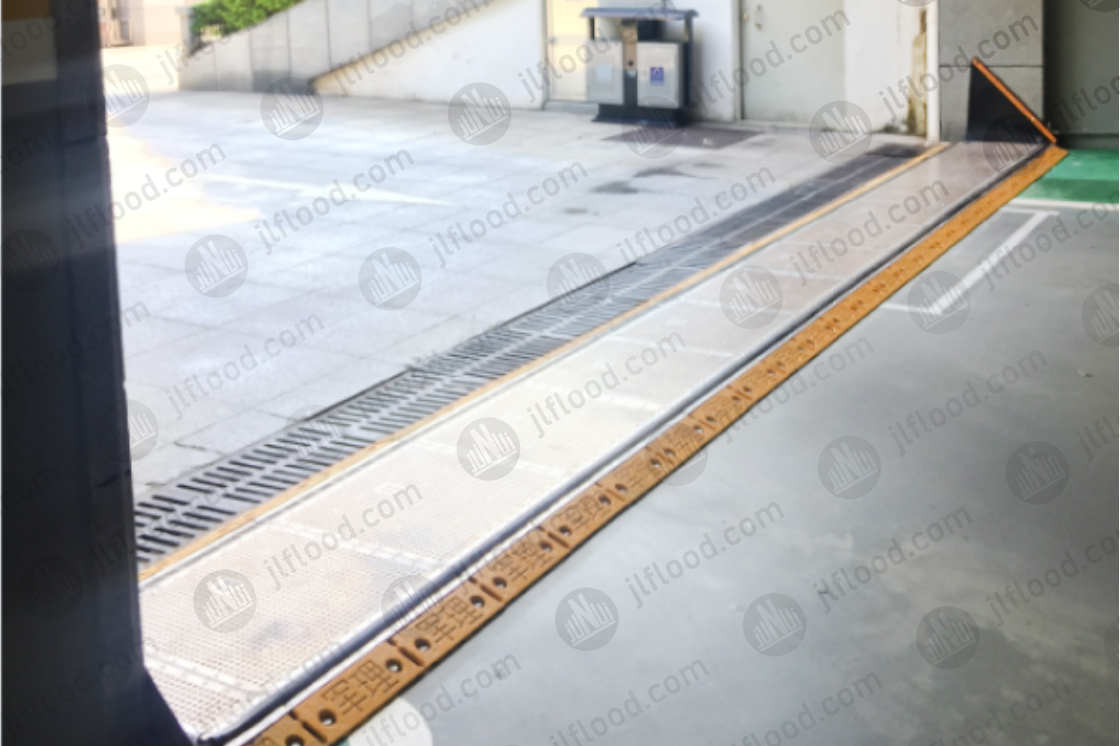
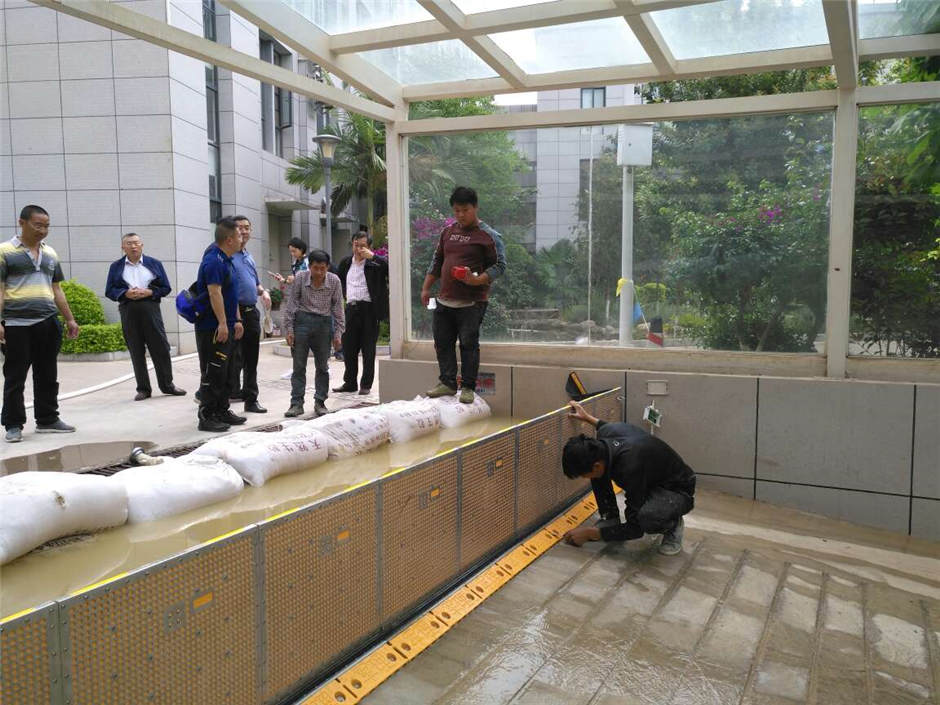
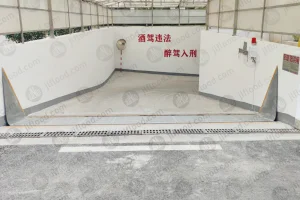
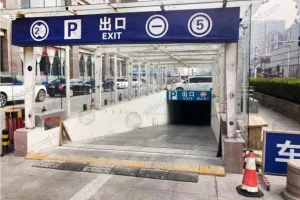
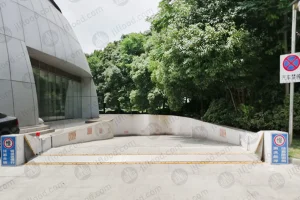
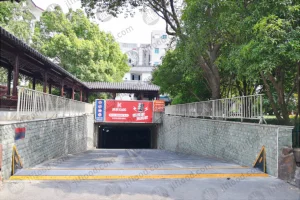
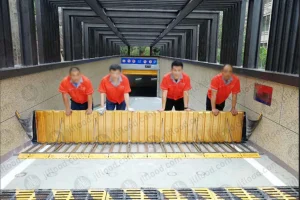
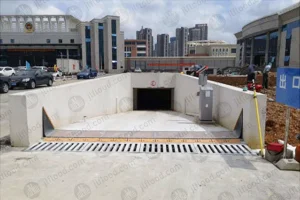
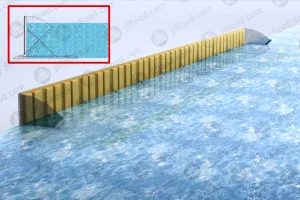
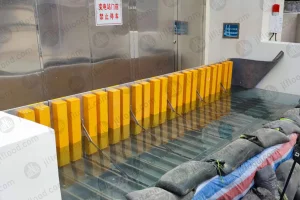
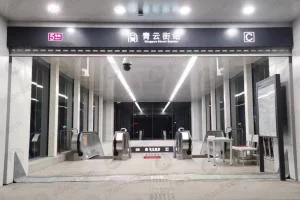
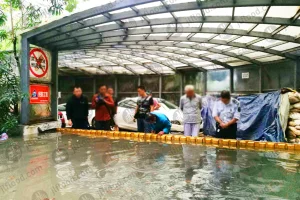
Scope of applicationHydrodynamic automatic flood barrier is applicable to the entrance and exit of underground buildings like shopping malls, residential pedestrian or non motor vehicle entrances and exits and other and low-lying buildings or areas on the ground where motor vehicles are prohibited.Our advantages:1. **Fully Automated Without Electrical Dependency**: Operates normally during power outages in extreme weather.2. **Unmanned Operation**: Automatically rises to block water when the water level reaches the trigger point, providing 24/7 flood control with automatic adjustment of the gate's opening angle according to water level changes.3. **Ground-Flat Storage**: Lays flat on the ground, occupying no space and allowing unimpeded pedestrian and vehicle traffic.4. **Emergency Vehicle Passage**: In the early stage of water blocking, garage vehicles can drive over the water-blocking panels for evacuation.5. **Modular Design**: Enables quick installation without major modifications.6. **Anti-Collision Warning Lights**: Prevents accidental impacts by pedestrians and vehicles during flood control.7. **Optional Remote Networking Supervision System**: Enables intelligent flood control management.8. **Minimal Maintenance**: Only requires periodic cleaning of debris at the gate's base.9. **Dual-Mode (Manual & Automatic) Operation**: Enhances flood control flexibility.10. **Durable Materials**: Ensures a service life of up to 10 years.
Shopping malls, residential pedestrian or non-motor vehicle entrances and exits, and other areas where motor vehicles are prohibited.
Maintenance and Regular Inspection
Equipment Inspection & Maintenance Schedule (At least once every 3 months):
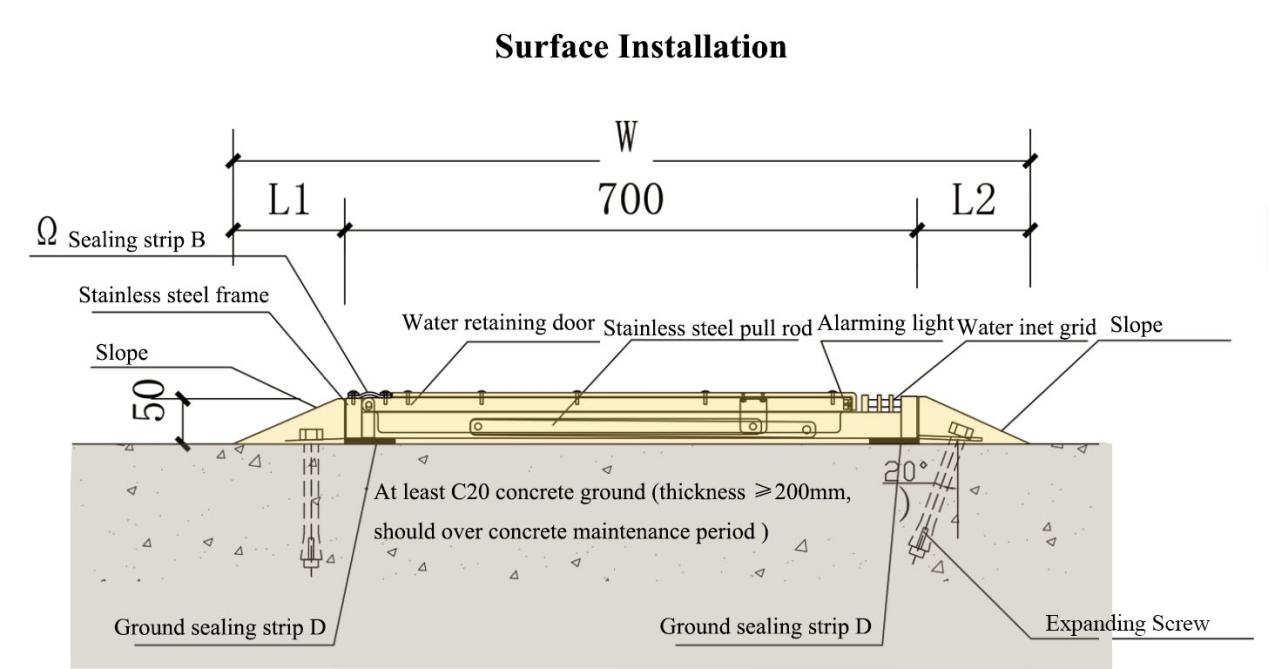
Bottom Frame & Side Wall: The bottom frame and the ground shall be fixed firmly without obvious looseness; the inclined edge of the end water stop rubber soft plate and the side wall shall be fixed firmly without obvious looseness.
Protective Shell & Buoyancy Layer: The yellow protective shell and buoyancy layer at the lower part of the door leaf shall be free from obvious falling off, corrosion, powder generation, deformation, crack, and damage.
Door Leaf & Components: The door leaf and its root hinge, bottom frame, water inlet, and stainless steel batten shall be free of obvious warpage, deformation, rust, crack, and damage.
Sealing Elements: All rubber or silica gel parts shall be free from aging, cracking, deformation, and damage.
Fasteners & Welding: All connecting and welding parts shall be fastened without looseness, crack, and obvious damage; all rivets and bolts shall be fastened without looseness.
Comprehensive Structural Inspection (At least once every 2 years):
Remove the rear and front slope or the cover plate of the bottom frame. Ensure the connecting piece and its welding point fixed between the bottom frame and the ground are free of obvious rust, deformation, crack, and damage. Verify that expansion bolts or steel nails show no obvious looseness and corrosion.
Important Notice: In case of any problem found during user inspection and maintenance, it shall be handled in a timely manner. If it cannot be handled on-site, notify the manufacturer promptly to arrange professional personnel. The user shall be responsible for consequences caused by failure to notify in time. The company follows the principle of continuous product improvement and reserves the right to technical changes without notice.
Automatic Self-Closing Flood Barrier Overview
Frequently Asked Questions (FAQ)
What are the dimensions and specs of model Hm4d-0006D?
Model Hm4d-0006D features a water retaining height of 620 mm, a longitudinal width of 1200 mm, surface-mounted installation, and is rated for Light Duty (pedestrian only) bearing capacity.
Where can the Light Grade (Mark D) flood barrier be installed?
Light Grade (Mark D) barriers have a bearing capacity of 7.5 KN and are designed for shopping malls, residential pedestrian areas, non-motor vehicle entrances and exits, or any location where motor vehicles are prohibited.
How often should routine maintenance be performed?
Routine checks and maintenance must be carried out at least once every three months to verify structural firmness, rubber seals, and hinge condition.
What is required during the 2-year comprehensive inspection?
Every two years, remove the front/rear slope or cover plate to inspect connection points, welding spots, expansion bolts, and steel nails for rust, deformation, or looseness.
What should I do if a maintenance issue cannot be resolved on site?
If an issue cannot be handled directly during inspection, notify the manufacturer immediately so professional service personnel can be dispatched to resolve it safely.