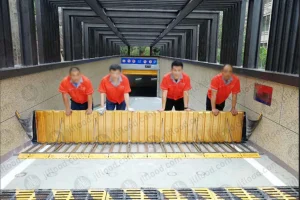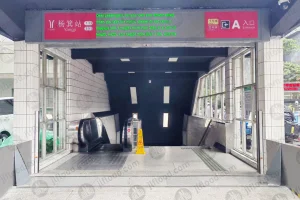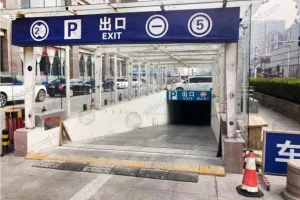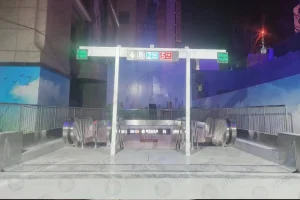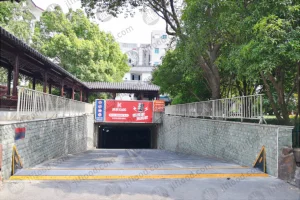

Direct factory-engineered flood protection gates designed to withstand dynamic wheel loads up to 50+ tons while operating reliably without electrical dependency.
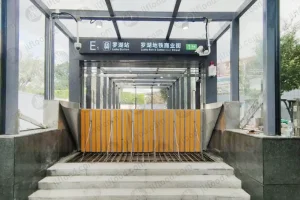
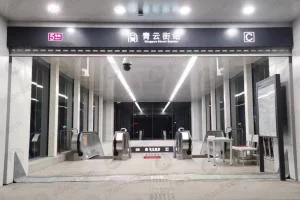
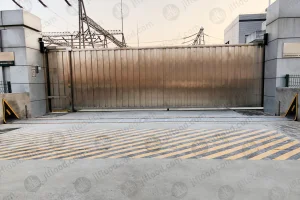
Urbanization, extreme precipitation events driven by climate change, and dense subterranean infrastructure have shifted flood risk management from optional emergency prep to mandatory structural engineering.
Subterranean access ramps at metro stations, commercial parking decks, and logistics centers represent vulnerable zero-elevation entry points during cloudburst rainstorms, requiring automatic water containment.
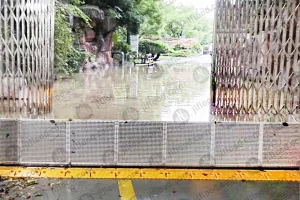
Traditional flood barriers require manual deployment, blocking daily traffic flow. Modern vehicle-passing flood barriers are embedded flush into the roadway, enabling seamless 24/7 heavy transport vehicle transit.
Power grids routinely fail during extreme typhoons. Hydrodynamic barriers utilize natural water buoyancy and hydrostatic pressure to rise automatically, eliminating risks associated with sensor or motor failures.
Engineered by Nanjing Junli Technology Co., Ltd., China's premier specialist manufacturer, vehicle-passing flood barriers combine structural civil engineering with fluid dynamics.
When parked or driven over, the barrier panel acts as a heavy-duty bridge deck across the embedded frame foundation pit. Designed in compliance with standard load specifications (such as HS-20, EN 124 Class D400/E600), the barrier incorporates reinforced 6063-T6 aluminum extrusion matrix profiles or solid ASTM A240 304/316L stainless steel load ribs.
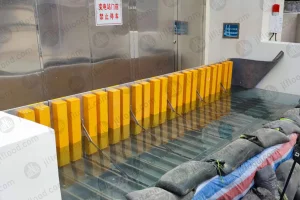
The core technological advantage of Junli's hydrodynamic automatic flood gate lies in its unpowered automatic deploy mechanism. As floodwater flows toward the subterranean ramp, it enters the front inlet mesh of the foundation trench.
| Technology Parameter | Junli Hydrodynamic Automatic Gate | Electric/Hydraulic Active Barrier | Manual Demountable Aluminum Boards |
|---|---|---|---|
| Power Supply Dependency | Zero Power (100% Passive) | 220V/380V Grid + Backup Generator | None (Manual Labor) |
| Vehicle Load Rating | 40 - 60 Tons Heavy Logistics | 10 - 20 Tons Standard Vehicles | Non-driveable (Blocks Traffic) |
| Trigger Response Time | < 0.5 Seconds on Water Contact | 30 - 90 Seconds (Sensor Delay) | 30 - 120 Minutes (Human Deployment) |
| Maintenance Requirements | Annual Pit Wash & Seal Check | Quarterly Motor/Hydraulic Servicing | Storage Depot Inspection |
| Operational Reliability | Fail-Safe Mechanical Buoyancy | Susceptible to Short Circuits | High Risk of Human Error/Delay |
Customized engineering solutions tailored to distinct architectural entrances, traffic frequencies, and flood risk profiles worldwide.
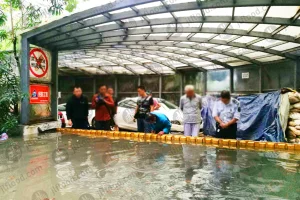
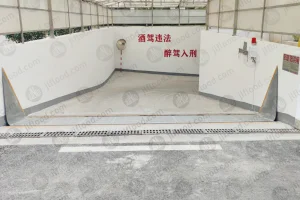
Subterranean parking lots represent high-density asset zones. Installing flush-embedded flip-up hydrodynamic barriers at the top or bottom of slopes ensures that incoming vehicles drive over smoothly during normal operations while protecting subterranean vehicles when torrential rain causes surface flooding.
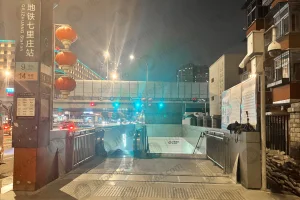
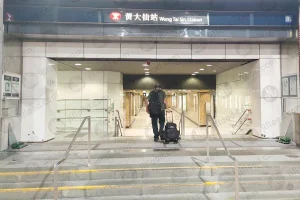
As verified in rail transit networks across Guangzhou, Beijing, Suzhou, Dalian, and Hong Kong, Junli's metro flood barriers protect passenger access paths, connection channels, and ventilation shafts, safeguarding public transit systems from cataclysmic water inflow.
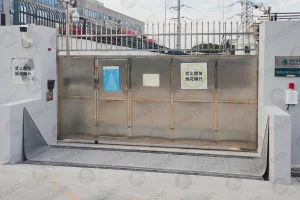
Water ingress into power substations causes catastrophic regional grid failures. Heavy-duty substation gate flood barriers prevent water intrusion into high-voltage switchgear rooms, transformer pits, and cable trenches without obstructing service trucks.
Chemical processing facilities require dual-action containment: stopping external floodwaters from entering clean zones while simultaneously retaining internal chemical spills or fire-fighting runoff inside perimeter boundaries.
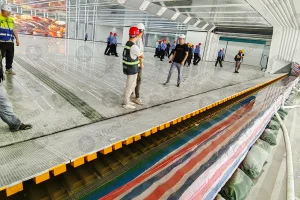
Nanjing Junli Technology Co., Ltd. operates in-house laser cutting, robotic welding, surface anodizing, and full-scale hydraulic test pools in Nanjing, Jiangsu, China.
Foundation frames built with stainless steel anchor channels ensure structural longevity when set in reinforced concrete pits.
Vulcanized, UV-resistant EPDM rubber gaskets maintain a water-tight seal under constant hydrostatic pressure heads exceeding 2.0 meters.
Every custom production lot undergoes actual water-retaining verification in our factory pool to validate lift speed and seal tightness prior to export.
Comprehensive English engineering submittals, CAD foundation templates, material certification, and FEA calculation reports supplied with every project.
As smart cities evolve, flood defense technologies are moving toward hybrid mechanical-digital integration and sustainable structural composite materials.
Purely mechanical buoyancy-driven self-rising barriers. Zero power required, 50-ton heavy axle load rating, flush embedded road profiles.
Solar-powered NB-IoT/LoRaWAN sensors embedded in foundation pits transmit real-time water levels and barrier deployment alerts to municipal control centers.
Implementation of carbon-fiber reinforced polymers (CFRP) to reduce moving panel weight by 40% while doubling structural yield strength and corrosion resistance.
City-wide network of self-actuating barrier arrays connected to predictive AI weather forecasting models for preventative flood zone isolation.
From site hydrologic assessment to civil concrete installation and routine lifecycle maintenance, Junli provides turnkey global project support.
Engineering team evaluates maximum historical flood head levels, slope incline angles, kerb geometry, and clear opening widths (spans up to 6 meters per leaf, or modular multi-leaf arrangements for openings exceeding 20 meters).
Civil contractor excavates foundation pit according to Junli CAD drawings. Concrete rebar matrix and embedded steel outer frames are poured with precise drain pipe connections to ensure residual water evacuates after floods recede.
Factory-assembled barrier modules are lowered into the cured trench, anchored with high-tensile stainless steel expansion bolts, aligned flush with road elevation, and side wall compression seals are calibrated.
Simulated water testing is conducted on-site to verify that the barrier rises automatically upon water entry, seals tightly against maximum design head pressure, and lowers flush when drained.
Explore our full line of specialized hydrodynamic gates, embedded frames, and self-closing barrier configurations manufactured in China for export worldwide.