Explore our field-tested, hydrodynamic flood protection systems engineered for substations, metro lines, commercial underground garages, and critical civil infrastructure.

Analyzing climate volatility, urban inundation risks, and the paradigm shift toward unpowered automatic flood barrier architecture.
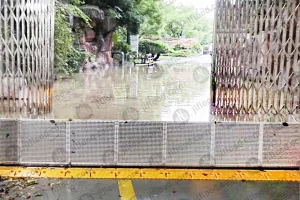
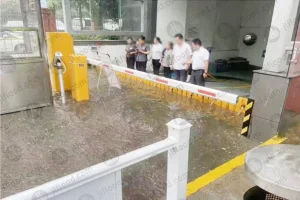
As global climate patterns shift, urban waterlogging and sudden cloudburst events present catastrophic financial and operational risks to commercial assets and municipal infrastructure. Underground transit networks, electrical power substations, underground parking garages, and low-lying industrial parks are vulnerable to rapid inundation. Historical manual flood barriers—such as aluminum modular stop logs or sandbags—suffer from severe failure points: human error during sudden storm events, deployment delays, lack of available labor during off-hours, and storage logjams.
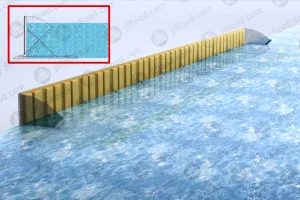
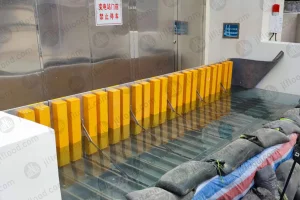
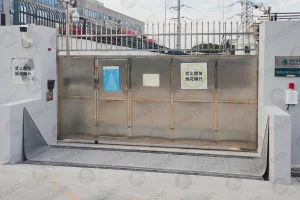
In response to these industrial procurement mandates, China foldable automatic flood barrier manufacturers and suppliers have pioneered hydrodynamic self-rising gate technology. Embedded seamlessly flush with the finished floor level, these advanced barriers transform passive hydrodynamic forces into structural deployment energy. When surface water flows into the barrier's recessed basin, Archimedes' principle of buoyancy, paired with dynamic water pressure, engages to automatically lift and lock the door leaf, sealing critical access thresholds before water ingress can damage critical equipment.
| Performance Metric | Hydrodynamic Automatic Barrier (Junli System) | Electrically Powered Gate | Manual Modular Aluminum Stop-Logs | Traditional Sandbag Barricades |
|---|---|---|---|---|
| Deployment Trigger | 100% Passive Water Buoyancy (Unpowered) | Electrical Sensor / Motor Drive | Manual Human Assembly | Manual Labor Stacking |
| Blackout Operational Risk | Zero Risk (Operates without power) | High Risk (Fails if backup generator fails) | N/A | N/A |
| Deployment Delay | 0 Seconds (Immediate auto-rise) | 30–120 Seconds (Sensor dependent) | 30–120 Minutes (Labor dependent) | 2–5 Hours (Severe latency) |
| Pedestrian / Vehicle Traffic | Flush-mounted; 60-Ton Drive-Over Load | Raised Threshold / Curb Obstacle | Requires Clear Storage Space | Blocks Passage Permanently |
| Maintenance & Lifecycle | 25+ Years; Low annual rubber seal check | High; Motor/PLC/Battery replacement | Moderate; Storage rack maintenance | Single-use; High disposal cost |
Unpacking the fluid dynamics, alloy metallurgy, and zero-energy physical principles behind China’s self-rising flood gates.
The system utilizes the weight of incoming floodwater against a specialized internal chamber to create dynamic buoyancy force. As water fills the stainless-steel bottom tray, the engineered hollow aircraft-grade aluminum leaf naturally pivots upward around a heavy-duty continuous hinge. No sensors, microprocessors, or power cables are required.
Watertight integrity is guaranteed via continuous vulcanized EPDM rubber compression seals along the bottom tray and dual lateral jambs. As hydraulic pressure behind the gate rises, the sealing force against the structural frame increases proportionally, keeping leakage rates below strict EN 12288 and ASTM standards.
Manufactured from extruded 6063-T6 marine-grade aluminum alloy and SUS304 stainless steel reinforcement, the top plate withstands heavy vehicle drive-over loads up to 60 metric tons. Ideal for high-frequency transport passages, logistics hubs, and underground parking entrances.
Why Tier-1 global EPC contractors, architectural firms, and municipal agencies partner with leading Chinese flood control factories.
China's Yangtze River Delta, specifically industrial engineering clusters like Nanjing, Jiangsu, represents the global apex of specialized hydraulic steel gate and automatic flood barrier manufacturing. By integrating raw aluminum extrusion plants, precision laser cutting hubs, robotic welding lines, and dedicated full-scale hydraulic testing pools into a localized 50-kilometer radius, Chinese manufacturers achieve unmatched manufacturing velocity, cost-competitiveness, and rigorous quality assurance.
Unlike suppliers relying purely on finite element analysis (FEA) computer simulations, leading Chinese factories validate every single order in custom hydraulic test basins. Each unit undergoes a 100% water-retaining test to verify zero-leakage rates and panel elevation timing under maximum design head prior to container loading.
Top-tier suppliers like Nanjing Junli Technology maintain in-house civil engineering design teams equipped with AutoCAD, SolidWorks, and Revit software. We provide global clients with customized site-embedment shop drawings, anchor trench layout templates, and BIM models tailored to specific project curb geometries within 48 hours.
By controlling the complete manufacturing workflow—from extrusion and T6 heat treatment to EPDM gasket molding and export packaging—China OEMs deliver custom-fabricated automatic flood gate orders in 15–25 business days, reducing procurement lead times for overseas project contractors by up to 60%.
Deploying tailored automatic flood barrier solutions across critical civil infrastructure assets.
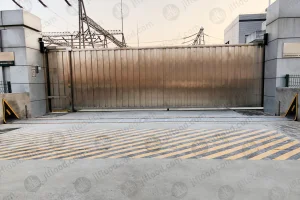
Electrical transformers, switchgear rooms, and cable trenches require absolute protection against water ingress. A single flooding event can trip a regional power grid or destroy millions in high-voltage equipment. Embedded automatic flood barriers installed at substation access gates provide round-the-clock defense with zero maintenance power draw, ensuring uninterrupted grid operations during extreme typhoons.
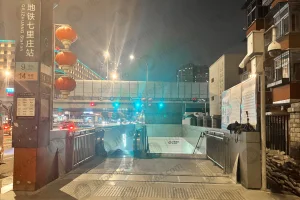
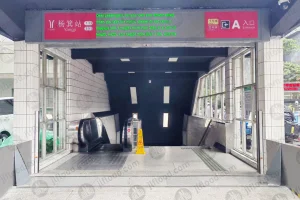
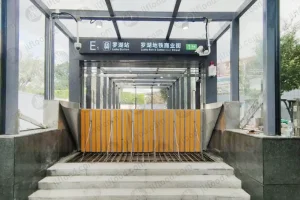
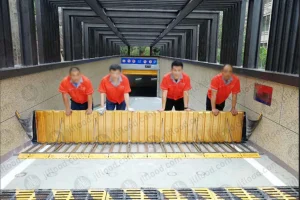
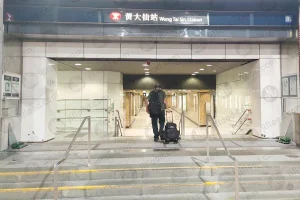
Subway station entrances, pedestrian concourses, and ventilation shafts represent primary targets for urban flash flooding. Foldable automatic barriers installed flush at ground-level station portals permit unobstructed passenger foot traffic during normal conditions, but deploy instantly when storm surges or surface runoffs breach kerb thresholds (as proven in Guangzhou, Dalian, and Beijing Metro installations).
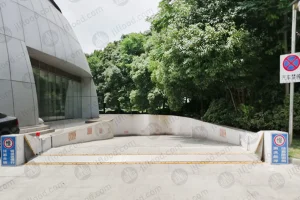
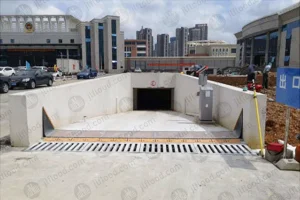
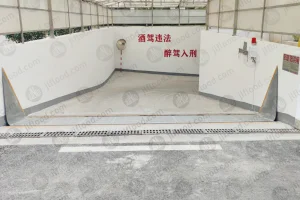
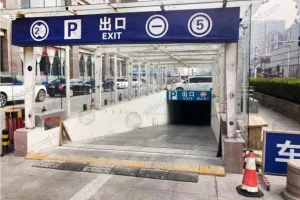
Underground multi-story parking structures are highly vulnerable to rainwater funneling. Hydrodynamic self-closing barriers mounted at the top of ramp entrances eliminate the need for security personnel to deploy manual barriers at night. The heavy-duty 60-ton load capacity seamlessly accommodates SUVs, delivery trucks, and emergency municipal vehicles without structural deformation.
Essential tendering requirements, quality audit parameters, and civil compliance guidelines for overseas buyers.
When drafting tender specifications for international infrastructure projects, EPC procurement teams must evaluate manufacturers across critical engineering metrics to prevent premature operational failure:
How IoT smart sensors, digital twin telemetry, and advanced material science are transforming hydrodynamic defense barriers.
Next-generation automatic flood gates combine mechanical passive deployment with LoRaWAN or 5G NB-IoT sensor nodes. Facilities management teams receive real-time mobile alerts and SCADA dashboard updates the instant a panel elevates due to rising water levels.
While the primary elevation cycle remains 100% unpowered hydrodynamic, future hybrid installations feature solar-charged electromagnetic latches. These allow municipal operators to remotely pre-deploy barriers across entire cities ahead of predicted storm surges.
Leading Chinese manufacturers are transitioning to low-carbon recycled aluminum extrusions and eco-friendly fluorocarbon-free powder coatings, aligning global civil resilience projects with strict ISO 14040 Life Cycle Assessment (LCA) mandates.
Detailed answers regarding civil installation, power requirements, structural maintenance, and export logistics.
Review additional embedded, surface-installed, flip-up, and metro-certified flood control solutions.