Explore our industrial-grade self-rising flood gates manufactured with precision marine alloy frames and EPDM dual-sealing technology.
A comprehensive examination of why passive hydrodynamic flood barriers are replacing traditional manual boards and electrical systems across global municipal and commercial sectors.
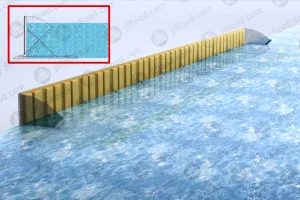
Traditional electric flood gates fail precisely during extreme storm events due to regional grid collapses and battery backup failures. Hydrodynamic gates utilize pure water buoyancy, achieving activation without a single watt of electricity.
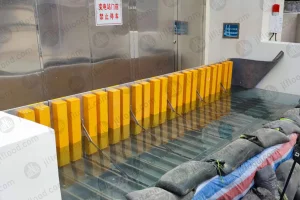
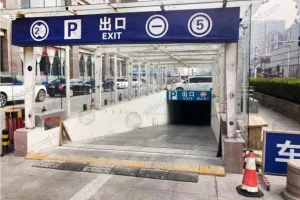
With an automated buoyancy trigger mechanism, our embedded garage barriers deploy in seconds as surface runoff water fills the basin chamber. This eliminates the risk of human error or delayed deployment by facility management teams.
Engineered using high-tensile 6063-T6 aluminum alloy profiles and 304/316 stainless steel axles, the barrier panel seamlessly withstands daily heavy-vehicle drive-over loads up to 40 tons (E600 rating) without mechanical deformation.
How shifting weather patterns and strict urban planning mandates are driving wholesale procurement of automated garage flood barriers worldwide.
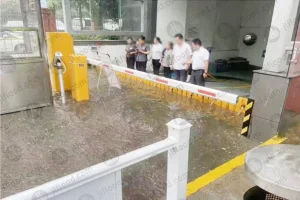
Rapid urban intensification coupled with climate-induced atmospheric rivers, typhoons, and localized cloudbursts has exposed significant vulnerabilities in subterranean building designs. In modern metropolitan centers, underground garages serve not merely as vehicular parking, but as critical conduits for building electrical infrastructure, HVAC systems, and transit linkages. A single flooding breach can trigger catastrophic asset loss exceeding millions of dollars in structural damage and business interruption.
Consequently, international building codes (including FM Approvals, European Union CE directives, and Asian Urban Sponge City directives) are increasingly mandating continuous, unpowered, and autonomous flood mitigation barriers at vulnerable ingress points. Industrial real estate developers, municipal transit authorities, and commercial property managers are migrating away from manual aluminum stop-logs—which require labor-intensive deployment—to hydrodynamic self-closing flood gates that provide 24/7/365 passive readiness.
Strict ESG compliance policies and rising flood insurance premiums are forcing property developers in North America and Western Europe to retrofit underground commercial garages with certified flood barriers. Automated barriers lower corporate risk profiles and secure insurance premium discounts.
With coastal megacities experiencing intensified monsoon seasons, governments across China, Southeast Asia, and Japan are enforcing strict flood defense standardizations for all sub-surface rail transit entrances, utility substations, and underground garage ramps.
Why sourcing automatic flood barriers directly from advanced Chinese factories offers global distributors and contractors an unmatchable competitive ratio of quality, customization, and cost efficiency.
Our production line utilizes 12,000W fiber laser cutting systems and multi-axis CNC machining centers to ensure tolerance levels within ±0.5mm on structural frames, guaranteeing airtight and watertight seal alignment during field assembly.
We co-develop custom fluororubber and EPDM composite sealing gaskets with exceptional elasticity memory, high chemical resistance, and UV stability, preserving continuous sealing tension across temperature extremes from -40°C to +90°C.
Every customized barrier structure undergoes rigorous FEA computer simulation under extreme hydrostatic head pressure and dynamic impact forces, verifying structural safety coefficients prior to extrusion and fabrication.
A rigorous quantitative benchmark comparing passive hydrodynamic flood gates against traditional manual barriers and electromechanical systems.
| Evaluation Parameter | Hydrodynamic Passive Barrier (Junli) | Electric Motorized Flood Gate | Manual Aluminum Stop-Logs |
|---|---|---|---|
| Operating Energy Source | Unpowered (Pure Buoyancy) | Grid Electricity / Battery Backup | Manual Human Labor |
| Activation Trigger Time | Instantaneous (< 1 second) | 30 seconds – 2 minutes | 15 – 45 minutes (Manual Setup) |
| Failure Vulnerability | Near Zero (No Electrical Parts) | High (Blackouts, Motor Burnout) | High (Absent Personnel, Human Error) |
| Drive-Over Load Rating | Heavy Vehicle Load (Up to 40 Tons) | Medium / High | N/A (Must be placed before flood) |
| Maintenance Operational Cost | Minimal (Annual Inspection) | High (Motor, Wiring, Battery Testing) | Low (Storage & Handling labor) |
| Architectural Aesthetics | Flush Recessed (Invisible when dry) | Visible Side Pillars & Motors | Requires Bulky External Storage |
Tailor-engineered mounting solutions designed for varied structural geometries and operational requirements.
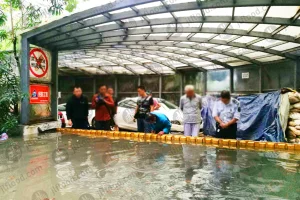
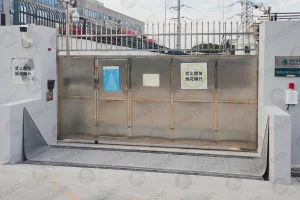
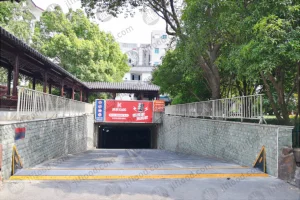
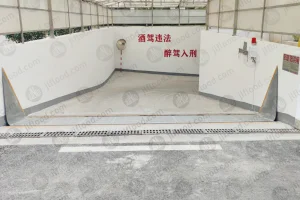
Installed flush at the top or slope bottom of garage entrances. The non-slip top surface plate ensures smooth daily vehicle passage. When storm runoff flows into the bottom drainage channel, the barrier panel automatically floats upward to seal off the ramp opening completely.
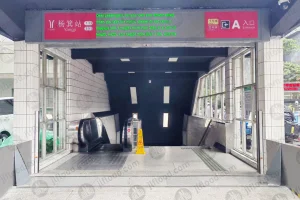
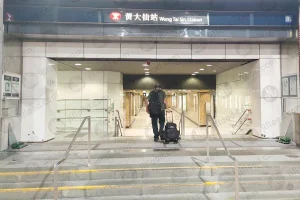
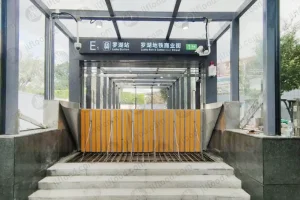
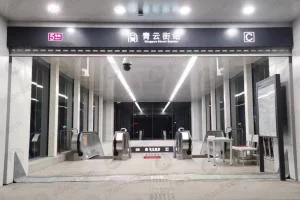
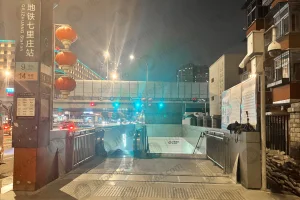
Engineered to meet stringent municipal transit standards. Installed at subway concourse entryways, underground pedestrian connection channels, and ventilation shafts to protect high-density public transit routes from sudden urban flash inundations.
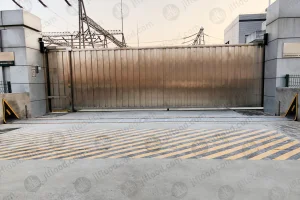
Utility substations require continuous protection against water ingress to prevent short circuits and regional power outages. Our low-maintenance surface and embedded barriers ensure 24/7 protection around main transformer gates and cable trench doors.
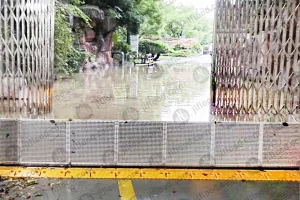
Wide-span entrance solutions designed specifically for heavy freight truck traffic. Customized modular barrier segments lock seamlessly across spans exceeding 20 meters, protecting critical inventory and manufacturing equipment against river overflows.
Expert engineering insights regarding procurement, installation, and performance of automatic garage flood gates.
Browse our specialized embedded, flip-up, and substation-rated flood barrier products available for OEM manufacturing and international shipping.