Precision-engineered hydrodynamic barriers, self-closing flood gates, and underground infrastructure protection systems certified for municipal, industrial, and commercial projects.
Every structural aluminum flood panel manufactured by Nanjing Junli Technology undergoes rigorous hydro-static load tests and zero-power deployment verification.
In modern civil flood mitigation, the selection of material grade dictates the structural longevity, hydro-static yield resistance, and mechanical reliability of barrier barriers under surge conditions. Modern high-density urban environments present unique hydraulic challenges: rapid flash flooding, high dynamic water velocity, debris impacts, and severe localized head pressures. Architectural flood control systems constructed from extruded aluminum alloys have superseded traditional sandbagging, temporary steel piling, and heavy concrete perimeter walls due to their superior strength-to-weight ratio, instantaneous passive deployment capabilities, and modular scalability.
At Nanjing Junli Technology Co., Ltd., our engineering framework utilizes structural aluminum alloys specifically 6063-T6 and 6005A-T6 heat-treated profile extrusions. These aluminum-magnesium-silicon formulations are engineered to provide maximum tensile strength, excellent weldability, and exceptional resistance to atmospheric and chemical corrosion.
| Engineering Property | 6063-T6 Extruded Aluminum | 304 Stainless Steel | Fiberglass Reinforced Polymer (FRP) |
|---|---|---|---|
| Density (g/cm³) | 2.70 (Lightweight, ideal for passive buoyancy) | 7.93 (Heavy, high foundation stress) | 1.80 (Very light, low modulus) |
| Yield Strength (MPa) | 210 – 240 | 205 – 230 | 140 – 180 |
| Corrosion Resistance | Superior (Self-passivating oxide + Anodized) | High (Susceptible to crevice corrosion) | High (Susceptible to UV degradation) |
| Hydrodynamic Buoyancy Index | Optimal for power-free self-rising gates | Poor (Requires heavy counterweights) | Moderate (Lacks structural mass) |
| Recyclability & Low-Carbon Footprint | 100% Infinite Recyclability | High energy consumption to recycle | Non-recyclable (Landfill end-of-life) |
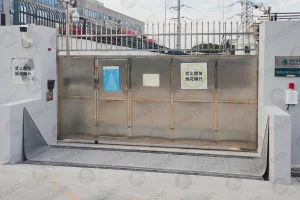
The core technology behind Junli’s Hydrodynamic Automatic Flood Barrier family relies on fundamental hydraulic physics: Archimedes' Buoyancy Principle and Hydrostatic Equilibrium. The barrier panel rests completely flat within a recessed, flush-mounted ground foundation frame during dry conditions. Vehicles and pedestrians traverse the stainless steel cover plates seamlessly without operational friction.
When flash floods occur and surface water overflows municipal curb levels:
Global procurement teams evaluating flood control infrastructure must weigh initial Capital Expenditure (CAPEX) against structural longevity and regulatory compliance. Sourcing wholesale aluminum flood barriers directly from Chinese OEM/ODM manufacturing facilities provides an unparalleled strategic advantage in cost efficiency, mass production capacity, and custom structural tailoring.
China accounts for over 50% of the world's primary aluminum output. Located in Jiangsu province, Nanjing Junli leverages direct vertical integration with top-tier smelting and 5,000-ton extrusion presses, reducing raw material procurement premiums by 25% to 40% compared to Western regional suppliers.
Our 15,000 m² factory houses multi-axis CNC machining centers, automated laser cutting systems, and robotic TIG/MIG welding units capable of holding structural manufacturing tolerances within ±0.5 mm across 6-meter single-span barrier leaves.
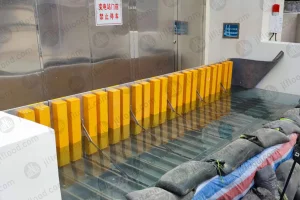
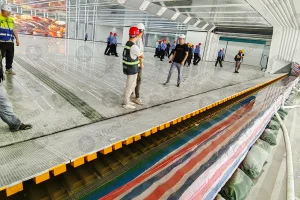
Unlike trading intermediaries, Junli maintains a full-scale hydrodynamic test basin. Every barrier prototype and order batch undergoes full static head pressure water testing, measuring seal deflection and leakage rates prior to export packing.
By controlling every step of the supply chain—from raw 6063 ingot extrusion, anodic oxidation surface finishing (film thickness $\ge 15 \mu m$), to custom EPDM seal vulcanization—Junli guarantees fast lead times (14–21 days for custom project batches) and comprehensive wholesale factory pricelists that allow international distributors to win competitive tenders.
Architectural entryways present drastically different civil conditions. A high-load underground commercial garage ramp demands dynamic axle-load resilience, whereas a metro station connection channel requires rapid emergency clearance and aesthetic integration with public foot traffic.
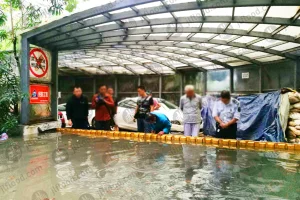
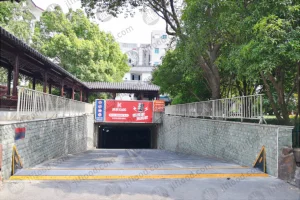
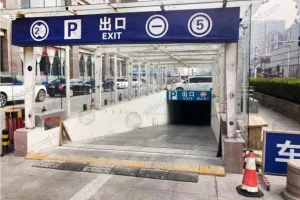
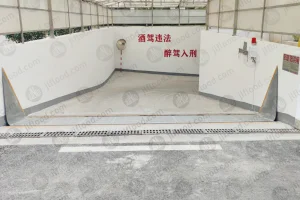
Underground basements house critical mechanical, electrical, and plumbing (MEP) infrastructure alongside high-value vehicles. Flash flooding down parking ramps can submerge transformers and switchgear within minutes. Junli's surface-mounted and embedded garage flood gates are engineered to support AASHTO HS-20 / Eurocode 40-ton vehicle drive-over wheel loads. In dry conditions, heavy delivery trucks and passenger vehicles drive over the flush threshold plate smoothly without component degradation.
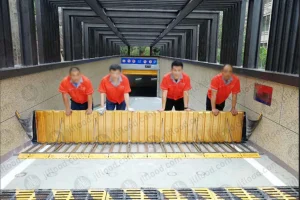
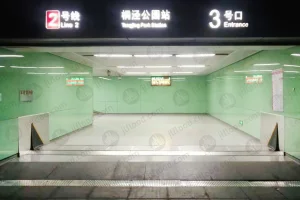
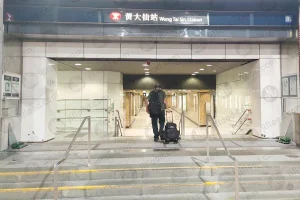
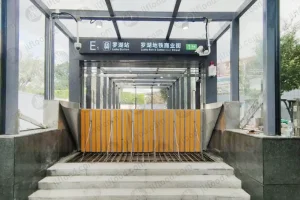
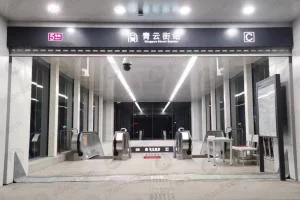
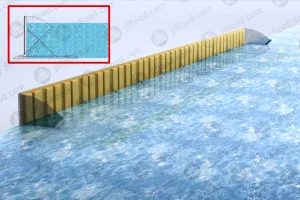
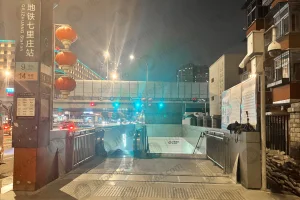
Subway entrances, pedestrian connection channels, and emergency ventilation shafts represent high-risk ingress points for surface storm runoff. In cities such as Guangzhou, Dalian, Suzhou, Beijing, and Hong Kong, Junli modular aluminum metro flood barriers are permanently integrated into station thresholds. Designed with modular end-posts and interlocking aluminum stop-logs, these barriers allow transit staff to seal multi-meter span station portals rapidly or rely on fully hydrodynamic self-rising models (HM4D-0006 series) for zero-latency passive protection.
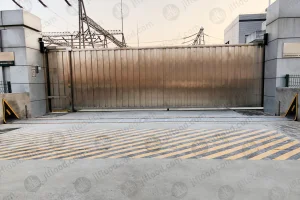
Power distribution hubs and transformer rooms require non-conductive, corrosion-resistant, and tamper-proof flood defenses. Substation perimeter gates utilize custom tall-panel aluminum barriers equipped with dual EPDM bottom bulb seals and security anti-lift locking mechanisms, protecting electrical assets against extreme water depths up to 2.0 meters.
For municipal engineering consultants, architectural specifiers, and corporate risk mitigation officers, selecting a flood barrier manufacturer requires strict adherence to international building standards, quality management certifications, and comprehensive Total Cost of Ownership (TCO) evaluation.
| Cost Factor (20-Year Horizon) | Junli Passive Hydrodynamic Aluminum Barrier | Manual Aluminum Stop-Logs | Electro-Hydraulic Active Gates |
|---|---|---|---|
| Initial Capital Outlay (CAPEX) | Moderate (Single investment) | Low initial material cost | High (Motors, wiring, sensors) |
| Operational Expenditure (OPEX) | $0 / Year (Zero electricity) | High (Staff call-out costs) | High (Electricity + annual servicing) |
| Maintenance Schedule | Annual visual inspection & seal washing | Storage checks & deployment drills | Quarterly motor/hydraulic fluid checks |
| Risk of Deployment Failure | Near-Zero (Physical buoyancy driven) | High (Staff absence, traffic jams) | Moderate (Power outages, sensor fault) |
As global climate patterns intensify, urban flood management is shifting rapidly from reactive disaster relief to proactive, smart urban resilience infrastructure. Two primary technological trajectories are shaping the next decade of architectural flood defense design:
While Junli's automatic flood gates operate 100% mechanically without power, modern Smart City municipal frameworks demand real-time visibility into asset status. Next-generation Junli hydrodynamic barrier panels are equipped with optional passive wireless IoT telemetry modules (LoRaWAN / NB-IoT). When surface water triggers panel deployment, micro-switches transmit instant status alerts to city SCADA platforms and building management systems (BMS), notifying facility directors and triggering emergency sump pumps simultaneously.
With corporate ESG (Environmental, Social, and Governance) commitments driving building material selection, Junli has implemented low-carbon closed-loop aluminum recycling processes. Utilizing hydro-powered aluminum smelting sources and recycling 98% of in-factory extrusion scrap, our aluminum flood barriers deliver a significantly lower embodied carbon footprint ($\le 4.2 \text{ kg CO}_2/\text{kg Al}$) compared to industry global averages, qualifying projects for LEED and BREEAM sustainability credits.
Explore additional specialized flood barrier configurations engineered for substation gateways, metro connection channels, and custom embedded installations.
Detailed answers regarding structural limits, civil work interfaces, factory testing procedures, and global export shipping logistics.
The system utilizes natural hydraulic principles: Archimedes' Buoyancy Principle and hydrostatic equilibrium. The extruded aluminum panel rests inside a flush recessed foundation chamber during dry weather. When surface water flows into the chamber through intake grilles, the sealed hollow aluminum profile creates vertical buoyancy forces. As the water level inside the chamber rises, hydrostatic pressure lifts the panel upward along its pivot axis, automatically engaging EPDM perimeter gaskets against side jambs. The operation is completely passive, requiring zero human intervention, electrical wiring, or battery backup.
Standard single-leaf retaining heights range from 0.5 meters to 2.0 meters, with single clear span widths up to 6.0 meters per leaf. For extra-wide driveways, metro plaza connection channels, or wide riverfront concourses exceeding 20 meters, Junli engineers modular multi-leaf arrays utilizing removable or automatic intermediate mullion supports to preserve structural load capacity without compromising seal tightness.
For embedded models, civil contractors prepare a concrete trench based on Junli’s structural template drawings, embedding an integrated steel outer frame with drainage connections linked to municipal stormwater lines or sump pits. Surface-mounted models require a flat, structurally sound concrete slab with minimum C30 compressive strength, anchored via heavy-duty expansion bolts—making them ideal for retrofit projects on existing operational assets without major excavation.
Junli flood panels are equipped with low-temperature resilient EPDM rubber seals tested to maintain elasticity down to -40°C. For regions prone to severe ground freezing, optional low-voltage self-regulating electric heating cables can be integrated within the foundation frame to prevent ice buildup inside the drainage channel, ensuring instantaneous buoyancy deployment year-round.
Every order undergoes 100% full-scale water basin testing at our Nanjing facility. Panels are tested at 100% and 125% design hydrostatic head pressure for 24 hours to measure seal leakage rates and maximum deflection. Mill test certificates (MTC) for 6063-T6 aluminum alloys, anodization thickness test reports, and factory hydraulic test video recordings are provided with export documentation.
Junli offers global FOB, CIF, or DDP delivery supported by international freight partners. Products are packed in reinforced steel-framed plywood crates to prevent transit damage. Export packages include comprehensive English installation manuals, step-by-step CAD civil alignment drawings, and video guides. Remote online engineering guidance is provided for local contractor installation and commissioning.