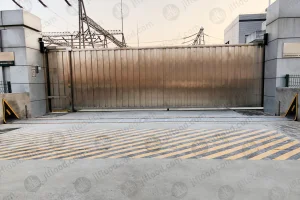
Direct factory wholesale inventory featuring self-rising hydrodynamic flood barriers, underground garage perimeter shields, metro connection gates, and high-voltage substation protection systems engineered to ISO 9001 and CE quality standards.
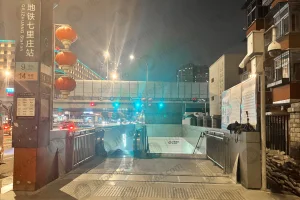
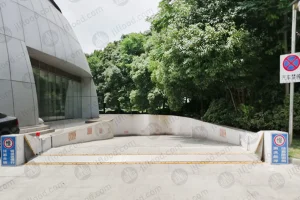
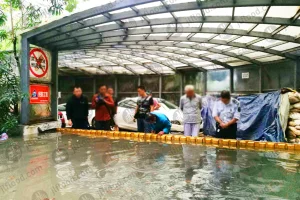
Rapid global urbanization coupled with severe meteorological volatility has amplified the vulnerability of subterranean civil infrastructure. Pluvial flooding—characterized by intense, localized rainfall exceeding municipal storm sewer capacity—presents an existential threat to underground transit networks, commercial underground parking structures, sub-surface power substations, and municipal utility vaults. Historically, municipal risk mitigation relied upon manual deployable flood control measures, such as modular aluminum stop logs, temporary sandbags, or electrically powered vertical lift gates.
According to search intent metrics and civil engineering procurement data, institutional buyers searching for Wholesale Flood Control Manufacturers & Pricelist are no longer merely seeking cheap barrier materials; they require fully compliant, high-load hydrodynamic passive systems. As a leading specialized manufacturer based in China's advanced manufacturing corridor, our facility integrates hydro-structural calculations, customized structural aluminum extrusion, precision EPDM vulcanization sealing, and continuous hydrostatic testing to deliver certified wholesale solutions to international municipal authorities, EPC contractors, and global distribution partners.
The core fluid mechanical principle governing Junli hydrodynamic self-rising flood gates relies on Archimedes' Principle applied to structural buoyant panel assemblies:
F_buoyancy = ρ_water × g × V_displaced > W_panel + F_friction
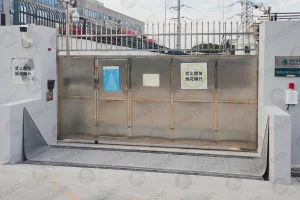
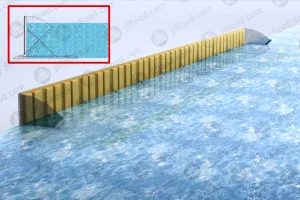
As surface runoff flows into the flush-mounted stainless-steel ground basin, the incoming fluid fills the internal chamber. The rising water level automatically exerts upward hydrostatic displacement forces on the engineered hollow-chamber aluminum door panel. The panel swivels upward along a heavy-duty stainless-steel hinge assembly, locking into position at peak flood level. Because the system operates entirely on hydraulic physics ($F_{buoyancy}$), operational reliability reaches 99.99% under complete electrical grid blackout conditions.
China's infrastructure manufacturing ecosystem offers unmatched competitive advantages for global B2B procurement officers, municipal buyers, and civil construction conglomerates. Sourcing wholesale flood protection barriers directly from top-tier Chinese manufacturers guarantees significant cost efficiencies without compromising structural integrity or hydro-sealing longevity.
From raw material smelting of 6063-T6 aluminum alloys to precision CNC machining of heavy-duty 304/316 stainless steel frame channels, Chinese manufacturers maintain full vertical control. This reduces component lead times by up to 65% compared to European or North American producers.
Subterranean access portals feature unique vehicular clear spans, curb heights, and load-bearing requirements. OEM/ODM capability allows factory custom-engineering of single-leaf spans up to 6.0 meters and modular continuous barrier arrays exceeding 50 meters in total width.
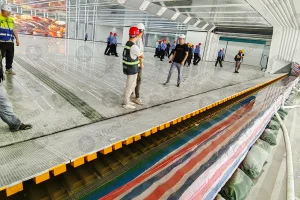
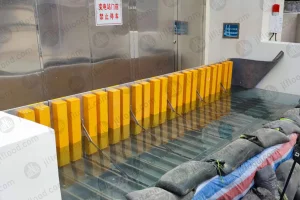
Leading Chinese factories feature full-scale hydrostatic testing basins. Every production lot undergoes real-water submersion testing to verify panel lifting response times, structural deflection rates under dynamic water pressure, and zero-leakage seal integrity prior to export packaging.
The flood protection equipment sector is undergoing rapid modernization driven by smart city initiatives, stringent municipal building codes, and insurance mandate shifts. Buyers evaluating wholesale supplier capabilities should look for the following engineering innovations:
Different urban infrastructure assets present unique structural constraints, hydrodynamic challenges, and operational vulnerabilities. Junli provides dedicated engineering templates for four primary application sectors:
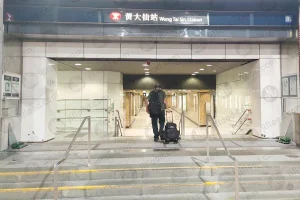
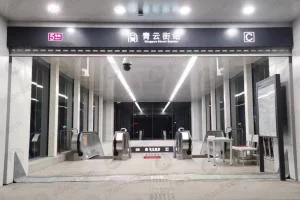
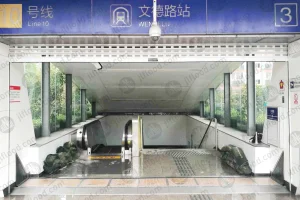
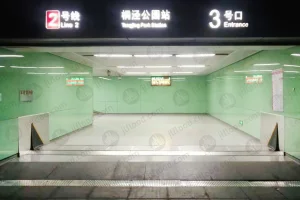
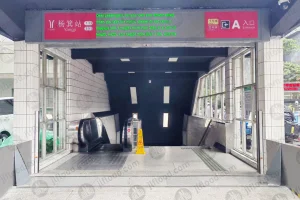
Vulnerability: Rapid ingress through subway entrance stairwells, ventilation shafts, and inter-station connection channels can flood subterranean rail tunnels, destroying electrification systems and stranding commuters.
Solution: Custom embedded surface-type automatic flood gates installed flush at station entrance curbs. Designed with anti-pinch pedestrian safety buffers and optional manual lock overrides for emergency station evacuations.
Vulnerability: Water entry into high-voltage transformer rooms or underground cable vaults causes catastrophic short-circuiting, triggering region-wide power outages during severe storms.
Solution: Stainless-steel non-conductive boundary flood barriers and flip-up automated barriers installed at cable trench portals and perimeter access gates, engineered to maintain zero seepage under 1.5m static hydro-head pressure.
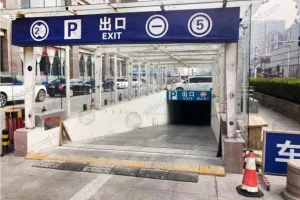
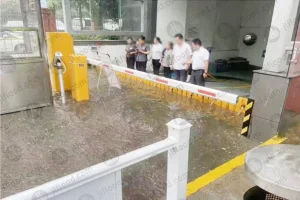
Vulnerability: Steep vehicle entry ramps act as funneling channels for surface stormwater, threatening multi-story underground parking garages and valuable automotive assets.
Solution: Heavy-duty vehicle-rated hydrodynamic automatic barriers. Embedded directly into ramp thresholds, allowing continuous high-speed car traffic during dry weather while automatically deploying when water accumulates on the ramp curb.
When requesting pricing from wholesale flood control manufacturers, unit rates are determined by structural material grade, clear span width, required protection height, dynamic load rating, and embedment style. Below is a detailed standard model specification and cost analysis guide for B2B procurement budgeting:
| Barrier Model Series | Primary Material | Standard Height | Load Capacity | Installation Type | Est. Wholesale Price Range (USD/m) |
|---|---|---|---|---|---|
| JL-HD-EMB (Metro Grade) | Alloy 6063-T6 / SS316 Frame | 500mm – 1200mm | 40 Tons (EN 124 D400) | Flush Embedded Foundation | $450 – $850 / meter |
| JL-HD-SUR (Surface Garage) | Anodized Structural Aluminum | 400mm – 900mm | 25 Tons (EN 124 C250) | Surface Ramp Mounted | $380 – $650 / meter |
| JL-FLIP-ELE (Substation) | 304 Stainless Steel / EPDM Seal | 600mm – 1500mm | 15 Tons (Pedestrian/Light Car) | Flip-Up Hydraulic/Buoyancy | $420 – $720 / meter |
| JL-MOD-CIV (Civil Defence) | Structural Steel / Polymer Coating | 1000mm – 2000mm | 60 Tons (Heavy Industrial) | Deep Recessed Trench | $600 – $1,100 / meter |
*Note: Actual project quotations vary based on total order quantity, custom engineering modifications, marine-grade coating requirements (e.g., fluorocarbon spraying for coastal saltwater resistance), and international freight terms (FOB, CIF, DDP).
To safeguard critical municipal investments, procurement engineering teams must conduct thorough technical vetting prior to issuing Purchase Orders (POs) or participating in global public tenders. Follow this 5-step engineering verification protocol:
Demand Finite Element Analysis (FEA) reports verifying panel deflection ratios under maximum hydro-head depth to prevent catastrophic panel buckling during peak storm surges.
Verify compliance with international water tightness standards (e.g., maximum allowable leakage rate below 0.5 Liters/Hour per meter of seal perimeter under full hydro-head).
Ensure ground frame covers hold certified third-party wheel load test certificates (such as EN 124 or AASHTO axle weight standards) for vehicle driveway applications.
Require full-scale water tank testing videos or live video audit streaming of your exact batch order prior to crate sealing and export shipping.
The barrier panel rests flush inside a pre-installed recessed concrete ground chamber. When rising surface floodwater approaches the entrance, it flows into the inlet grates of the foundation chamber. As water fills the basin, buoyant forces automatically push the hollow-chamber aluminum panel upward along its stainless-steel hinge pivots. As water rises higher, hydrostatic pressure presses the panel tightly against vertical side wall EPDM rubber gaskets, forming a watertight barrier. The process requires zero electricity, zero sensor intervention, and zero manual operational labor.
Standard factory lead time for standard sized modules (e.g., 2.0m to 4.5m wide panels) is typically 15 to 25 business days from drawing approval. Custom-engineered municipal infrastructure projects requiring specialized load ratings or continuous arrays over 30 meters generally require 30 to 40 days for fabrication, assembly, and pool testing prior to container departure.
No. Junli hydrodynamic flood barriers engineered for garage ramps and roadway gateways feature heavy-duty extruded 6063-T6 aluminum alloy or 304 stainless steel surface top plates. These assemblies are structural-load rated to withstand axle weights from 25 tons up to 60 tons (EN 124 D400 standard). Daily vehicular traffic passes smoothly over the flush top plate without altering internal hinge alignment or damaging subsurface sealing channels.
Because there are no complex motors, hydraulic pumps, or electrical wiring, maintenance requirements are minimal. We recommend semi-annual visual inspections: 1) Clear debris, leaves, or silt accumulation from the bottom drainage basin using a standard hose or suction unit; 2) Inspect side EPDM rubber compression seals for wear or debris interference; 3) Manually lift the panel or perform a water fill test once per year to confirm smooth hinge rotation.
Yes. Every wholesale contract includes complete AutoCAD site preparation drawings, concrete rebar embedment templates, foundation chamber drainage blueprints, and comprehensive English installation manuals. Our engineering support team also provides remote video commissioning guidance and can dispatch field technicians for major municipal infrastructure contracts.
Explore our complete range of certified flood protection hardware, including metro connection channel barriers, modular self-opening flood gates, and specialized electrical utility protection units.