Factory-direct wholesale deployment solutions for subterranean civil defense, passenger portals, and high-voltage power substations.
How hydrodynamic automatic flood gates eliminate structural vulnerability, operational downtime, and human error in modern rapid transit infrastructure.
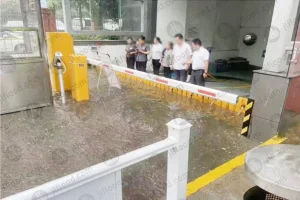
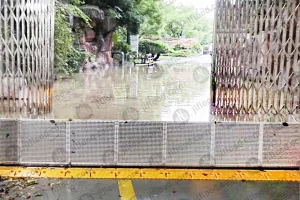
Modern subway systems and high-density urban mass transit facilities represent multi-billion-dollar investments operating below ground level. However, intense precipitation events driven by microclimate destabilization have outpaced conventional municipal storm drainage capacities. When surface flash floods breach subway portals, passenger entrances, and ventilation shafts, the resulting inundation causes catastrophic damage to traction power networks, automated signaling systems, and rolling stock.
Historical reliance on manual aluminum stop logs or emergency sandbag deployment exhibits systemic failure points: extreme labor dependency, long deployment reaction windows (often exceeding 45 minutes), physical access blocking during violent storms, and high probability of improper seal installation under panic conditions.
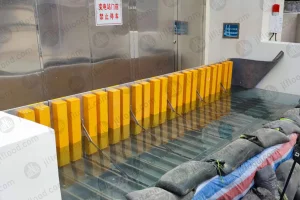
The solution engineered by Nanjing Junli Technology Co., Ltd. shifts flood mitigation from active manual intervention to passive hydraulic physics. Our Wholesale Flood Gate For Subway systems utilize the potential energy of the floodwater itself to trigger automated barrier deployment.
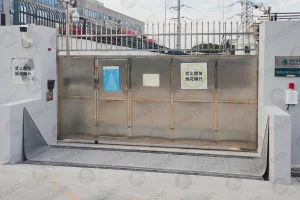
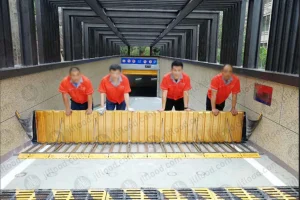
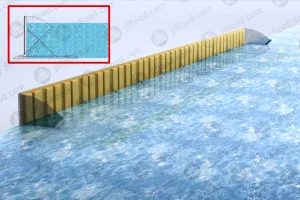
As surface water accumulates at a subway entry portal, it flows into a recessed sub-grade chamber beneath the threshold panel. The fluid dynamic force generates instant hydrodynamic buoyancy, lifting the structural aluminum alloy barrier panel automatically. The higher the external water level rises, the greater the hydrostatic pressure exerted against the retention face, creating a tighter seal against EPDM gasket matrices without needing grid electricity, sensors, or manual labor.
Core Engineering Gain: Unlike electromagnetic or hydraulic pump gates that fail when severe storms trigger municipal electrical grid collapse, Junli hydrodynamic passive flood barriers remain 100% operational during complete power blackouts, ensuring total structural protection of transit assets.
Engineered for high-frequency pedestrian traffic, heavy axle vehicle cross-over, and long-term marine/coastal atmospheric corrosion resistance.
| System Component | Material / Grade Standard | Structural Performance & Engineering Role |
|---|---|---|
| Retaining Barrier Panel | High-Strength 6063-T6 / 6005A-T6 Aviation Aluminum Alloy | High strength-to-weight ratio, structural rigidity against hydrostatic impact, yield strength ≥ 240 MPa. Designed for zero deformation under max design water head. |
| Embedded Base Frame | SUS304 / SUS316 Stainless Steel or Hot-Dip Galvanized Structural Steel | Concrete-anchored embedment trench; resists earth pressure and ground movement; integrated drainage channels remove residual rainwater. |
| Dynamic Sealing System | Co-Extruded EPDM Elastomer + Silicone Composite Lip Seals | UV-resistant, chemical/ozone resistant, low compression set (-40°C to +120°C); delivers zero-leakage sealing rate validated under hydrostatic pressure tests. |
| Surface Driveover Plate | 5083 Marine-Grade Non-Slip Tread Plate (Load Class up to 40T) | Flush-to-floor installation allows unhindered daily transit of passengers, emergency service vehicles, and maintenance machinery. |
| Buoyancy Core Engine | Closed-Cell Polymer Hydrostatic Float Modules | Non-absorbent, permanent buoyancy capability; guarantees immediate passive rising even in high-viscosity silt/mud-laden floodwaters. |
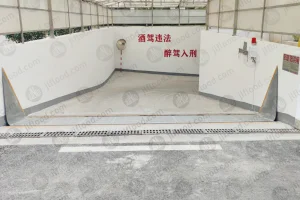
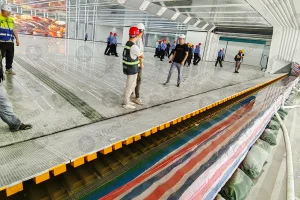
When inactive, the flood gate rests completely flat inside its stainless steel foundation frame, forming a seamless plane with subway concourse floor finishes. Zero trip hazard for transit commuters.
Features primary bottom compression seals paired with side wall lip gaskets. As hydrodynamic pressure builds, the sealing force increases proportionally, meeting strict international water-tightness standards.
Interlocking structural module designs enable custom clear span coverage from narrow 1.5-meter equipment doors up to 30-meter-wide mega subway portal entrances without intermediate structural pillars.
Examining climate resilience mandates across Asia-Pacific, North American, and European urban rail networks.
The Asia-Pacific region houses the world's most concentrated urban rail networks (such as Guangzhou Metro, Shenzhen Metro, Tokyo Subway, and Hong Kong MTR). Coastal geography combined with seasonal typhoon tracks makes these transit networks highly vulnerable to storm surges and torrential rainfall. Following major urban waterlogging incidents over the past decade, municipal transport authorities have upgraded structural building codes.
New civil standards require all sub-grade portals, connecting commercial passages, and underground transformer substations to install certified passive flood protection barriers rated for a minimum 100-year storm flood depth.
In older transit systems across North America and Western Europe (e.g., New York City Subway, London Underground, Paris Métro), aging drainage pumps cannot keep pace with extreme cloudburst events. Structural retrofitting has become a mandatory capital improvement priority.
Engineering consultants specify surface-mounted or shallow-embedment hydrodynamic flood gates (such as Junli's Hm4d-0006E series) because they do not require deep excavation into century-old concrete structural foundations, dramatically lowering total installation costs while achieving compliance with FEMA and NFPA 2500 flood resilience directives.
Specific product matrix matching subterranean architectural portals to hydrodynamic flood gate models.
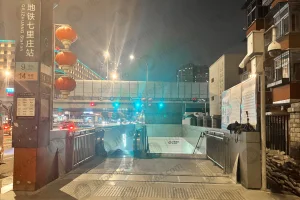
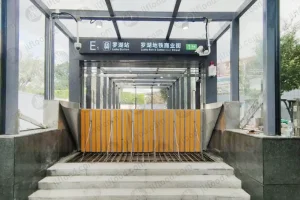
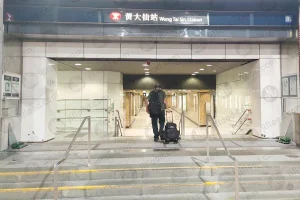
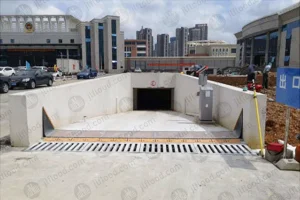
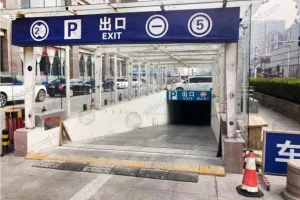
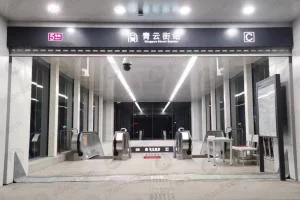
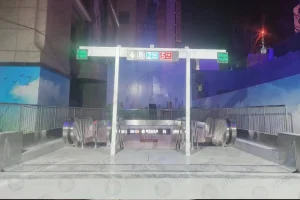
Wide multi-leaf embedded flood gates (e.g., Hm4e-006C series) installed directly at street-level stairs and escalator portals. Remains hidden beneath stainless floor grates during dry weather; auto-erects when surface water threatens passenger stairs.
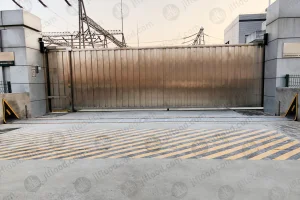
Subway power networks rely on subterranean substations vulnerable to short-circuit disasters. High-retention automatic barrier gates (e.g., Hm4d-0006C) protect high-voltage transformer rooms from catastrophic water ingress.
Ground-level subway ventilation grates act as dangerous funnels during urban flash floods. Vertical flip-up and automatic sealing flood doors prevent water from cascading directly down into main transit tunnels.
Combining passive hydrodynamic reliability with real-time remote monitoring and municipal early-warning networks.
While the physical rising mechanism of Junli flood gates remains 100% mechanical and power-free, modern intelligent subway control centers demand real-time telemetry. Next-generation Junli barrier systems are equipped with solar/battery-powered low-power IoT sensors (LoRaWAN / NB-IoT).
The moment water enters the sub-grade chamber and the panel begins deployment, optical angle sensors and hydrostatic pressure transducers send instant alarm signals directly to the Subway Integrated Supervisory System (ISCS) and central dispatch emergency management consoles.
To support life-cycle asset management, embedded strain gauges measure structural flexure under active water load, while automated self-test modules run diagnostic checks on dynamic seal integrity. Maintenance crews receive automated alerts on mobile terminals regarding silt cleanout intervals or gasket replacement cycles, ensuring peak operational readiness ahead of typhoon seasons.
Expert answers addressing civil interface design, hydrodynamic mechanics, custom procurement, and testing standards.
Explore full structural specifications, pricing lists, and factory OEM lead times for international rail transit tenders.