Facebook LinkedIn YouTube

Wholesale Self-Closing Flood Barrier For Entryways Suppliers & Quotes

Autonomous Hydrodynamic Flood Defense Systems for Commercial, Infrastructure & Industrial Openings. Zero-Electricity Passive Resilience for Global Buyers.

Direct Factory Inventory

High-Demand Wholesale Self-Closing Entryway Barriers

Select from our field-tested, hydrodynamic automatic flood barriers engineered for vehicle ramps, subway portals, power stations, and commercial entryways.
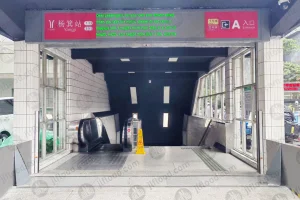
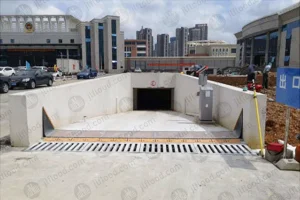
Wholesale Automatic flood barrier, Embedded installation Manufacturer, Suppliers

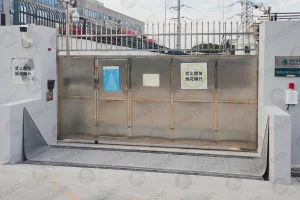
Automatic Flood Barrier Embedded Installation

Get Factory Quote →
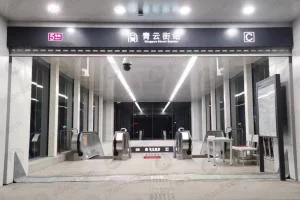
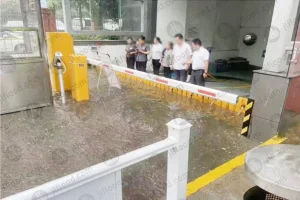
Wholesale Flood Barrier at Guangzhou Metro Yangji Station Suppliers, Factory

Guangzhou Metro Station Barrier System

Get Factory Quote →
Wholesale Flood Gate at Metro Stations Manufacturer, Suppliers

Metro Station Entrance Flood Gate

Get Factory Quote →
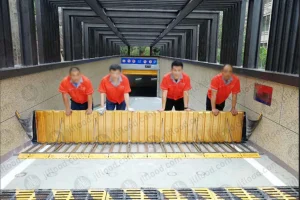
Wholesale Flood control defence Manufacturer, Supplier

Heavy Duty Flood Control Defence Gate

Get Factory Quote →
China Heavy duty automatic flood gate Hm4d-0006c Factory, Pricelist

Heavy Duty Automatic Flood Gate Hm4d-0006C

Get Factory Quote →
China Self opening & Closing Flood Gate Manufacturers, Suppliers

Self Opening & Closing Hydrodynamic Gate

Get Factory Quote →
Wholesale Flood barrier, Flood defence automaticlly Manufacturer, Pricelist

Automatic Hydrodynamic Defence Barrier

Get Factory Quote →
China Flood Barrier at Substation Gate Manufacturer, Supplier

Substation Perimeter Gate Protection Barrier

Get Factory Quote →
0.1 sec
Passive Hydronic Trigger Time
100%
Zero-Electricity Operational Reliability
2.0m
Max Standard Single-Leaf Retaining Height
30+
Global Metro & Infrastructure Networks Protected
Technical Whitepaper Report

Wholesale Self-Closing Flood Barrier For Entryways: Engineering Architecture, Global Demand & Procurement Intelligence

In an era marked by rapid climate acceleration, extreme urban precipitation events, and flash inundation, municipal planners, civil engineers, and industrial asset managers face an imperative demand for zero-failure flood mitigation solutions. Conventional flood defense protocols—such as manual sandbagging, modular aluminum stop-logs, and electrically powered vertical gates—exhibit critical single-point vulnerabilities. Manual systems depend entirely on human deployment speed during unpredictable flash flooding, whereas electrical gates are subject to power grid failure, sensor corrosion, and motor jam exactly when torrential storms disable municipal power grids.

This whitepaper provides exhaustive engineering analysis and procurement intelligence regarding Wholesale Self-Closing Flood Barriers for Entryways. Utilizing self-actuating hydrodynamic buoyancy mechanisms, these passive barriers rise automatically without human intervention, electricity, or electronic sensor reliance. As global procurement officers evaluate supplier quotes, this technical guide outlines structural principles, international commercial trends, manufacturing cost dynamics in China, and exact specification criteria necessary to protect critical underground infrastructure.

Core Engineering Information Gain: The Passive Hydrodynamic Paradigm

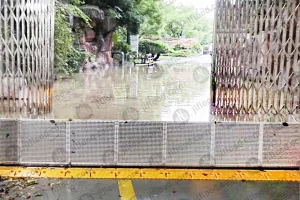
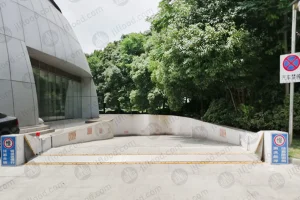
Unlike active gates requiring solenoid sensors or standby pumps, a self-closing hydrodynamic entryway barrier operates on Archimedes’ principle of buoyancy coupled with hydrostatic head pressure. Embedded flush within an entryway foundation pit, the barrier remains unobtrusive to daily vehicular and pedestrian traffic. As water flows into the intake chamber, the hollow sealed panel floats, rises, and locks firmly against EPDM structural seals. The higher the water rises, the tighter the hydrostatic compression seal becomes.

Hydrodynamic Self-Actuation Mechanics & Structural Blueprint

To understand why tier-1 EPC contractors and municipal authorities specify hydrodynamic barriers for metro openings and basement car parks, one must inspect the fluid dynamics and mechanical assembly:

  • Recessed Foundation Reservoir (Embedment Chamber): Manufactured from high-tensile hot-dip galvanized steel or 304/316 grade stainless steel. The chamber features dual-drainage silt outlets designed to channel away ambient stormwater runoff while capturing sudden flood influxes.
  • Buoyancy Door Panel Assembly: Constructed from structural 6063-T6 marine-grade extruded aluminum alloy or stainless steel honeycomb cores, delivering high structural rigidity capable of bearing heavy vehicular loads (up to AASHTO HS-20 / HS-25 load ratings for heavy trucks) when resting horizontally.
  • Double-Lip EPDM Sealing Gaskets: Specialized Ethylene Propylene Diene Monomer (EPDM) vulcanized rubber profiles ensure long-term compression elasticity, UV resistance, and zero-leakage hydraulic sealing against dynamic heads up to 2.0 meters of standing water.
  • Self-Cleaning Hinge & Torsion Stabilization: Precision-machined stainless steel pivot axes prevent debris binding. Internal dampening struts moderate the deployment speed to prevent water hammer or mechanical shock when rapid surges enter the chamber.

Global Commercial & Industrial Status: Market Drivers & Applications

The global market for entryway flood barriers has shifted from temporary surface dams to permanent, embedded passive infrastructure. Major urban centers across North America, Europe, East Asia, and Southeast Asia are standardizing passive barrier mandates in building codes for vulnerable openings:

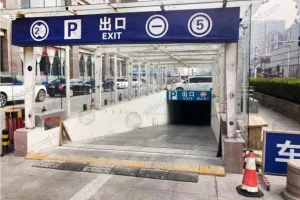
Underground Car Parks

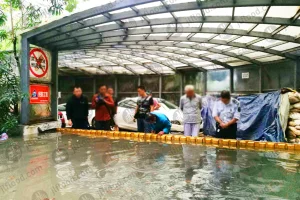
Commercial plazas, residential towers, and hospital parking garages require continuous vehicular access. Embedded self-closing gates sit flat under heavy traffic and rise instantly during cloudbursts, preventing multi-million dollar vehicle and property loss.

Mass Transit & Subways

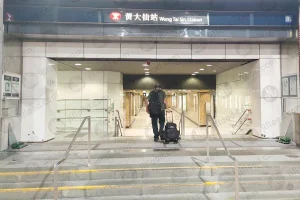
Subway stairwell portals, pedestrian underpasses, and ventilation shafts in networks like Guangzhou Metro, Beijing Metro, and Hong Kong MTR utilize custom clear-span self-closing barriers to safeguard passengers and rail equipment.

Power & Utility Substations

Electric grid substations, transformer vaults, and data centers represent critical infrastructure where water ingress causes catastrophic regional blackouts. Non-electric self-closing barriers eliminate single-point electrical failure modes.

Why Source Wholesale from China? Factory Efficiency & Cost Advantages

International procurement managers sourcing self-closing flood gates encounter substantial cost variance across global manufacturers. Sourcing directly from specialist Chinese original equipment manufacturers (OEMs) such as Nanjing Junli Technology Co., Ltd. yields distinct engineering and economic advantages:

  1. Integrated Metallurgical Supply Chains: China’s robust industrial ecosystem allows factory-direct sourcing of high-grade 6063-T6 aluminum extrusions, 304/316 stainless steel plate, and custom EPDM formulations at a fraction of Western raw material premiums.
  2. Precision Manufacturing Technologies: Advanced fiber laser cutting, automated robotic welding cells, and CNC horizontal machining centers guarantee dimensional tolerances within ±0.5mm over multi-meter spans, ensuring liquid-tight structural mating.
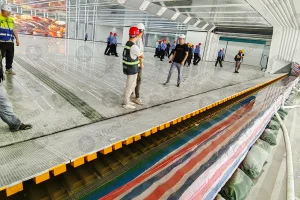
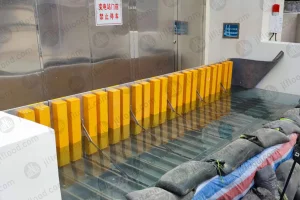
  3. In-House Full-Scale Hydraulic Pool Verification: Premium Chinese producers operate dedicated hydrostatic testing pools where custom order units undergo real-water seal integrity tests, load deflection stress measurements, and deployment velocity timing prior to dispatch.
  4. Economies of Scale in OEM Customization: Whether ordering single entrance units or bulk municipal fleet upgrades, direct factory engagement reduces procurement friction, offering modular clear spans from 1.0m to 20m+ through linked multi-leaf arrays.

Comparative Analysis: Entryway Flood Defense Technologies

To assist technical specifiers in preparing tender documentation, the following table compares primary flood protection systems across critical engineering parameters:

Feature / Parameter Hydrodynamic Self-Closing Gate Manual Aluminum Stop-Logs Electric Vertical Drop Gate
Power Requirement Zero (Passive Hydraulic) Zero (Manual Labor) High (220V/380V Grid + Battery Backup)
Response Trigger Time Instantaneous (< 0.5 sec water influx) Slow (30-120 mins human setup) Moderate (Dependent on sensors/motors)
Human Dependency 0% (Autonomous 24/7) 100% (On-site crew required) Partial (Manual override switch)
Blackout Vulnerability Immune Immune High (Risk of battery / motor failure)
Traffic Load Capability Heavy Vehicle Load (HS-20/25) None (Blocks entry when installed) Overhead clearance constraint
Maintenance Profile Low (Seasonal pit wash down) Moderate (Storage & gasket checks) High (Motor, chain, sensor calibration)

Global Procurement Standards & Architectural Specification Checklist

When requesting quotes for wholesale self-closing entryway flood barriers, global procurement teams should verify that suppliers provide comprehensive engineering submittals including:

  • Structural Finite Element Analysis (FEA): Certified structural calculations demonstrating panel deflection resistance under maximum hydrostatic design head plus dynamic wave action.
  • Material Traceability Certificates: Mill test reports for 304/316 stainless steel and 6063-T6 aluminum components to ensure corrosion resistance in saline or coastal environments.
  • Civil Interface & Embedment Templates: CAD (.dwg) and BIM (.rvt) model integration specifying slab block-out dimensions, rebar clearance, drainage conduit connections, and concrete pouring tolerances.
  • Spare Seal Kits & Lifetime Support: Standard supply of replacement EPDM perimeter seals, compression gaskets, and English-language installation and maintenance operation manuals (O&M).
Direct Buyer Q&A

Frequently Asked Questions: Wholesale Procurement & Specs

Q1: How does a self-closing entryway flood barrier actuate without electricity?

The barrier rests flush inside a recessed foundation pit in the entryway ground. When floodwaters approach, water enters the intake chamber through specialized grates. Rising water creates buoyant force beneath the hollow buoyant panel while hydrostatic pressure forces the gate up and locks it into vertical position against industrial EPDM seals. The entire process is 100% mechanical and passive.

Q2: Can vehicles safely drive over the barrier panel during normal operations?

Yes. Standard driveway and entryway models are engineered to support heavy vehicular loads (such as 20 to 40-ton trucks, fire engines, and passenger vehicles). The panel top plate is manufactured with non-slip patterned aluminum or heavy-duty steel plate designed for continuous daily traffic without deformation.

Q3: What clear widths and retaining heights can Nanjing Junli Technology supply?

Standard single-leaf retaining heights range from 0.5 meters to 2.0 meters. Clear opening widths can range from single pedestrian doors (1.0m) up to wide commercial driveways (6.0m per leaf). For wide spans exceeding 10 to 20+ meters, modular intermediate support columns or synchronized multi-leaf arrays are supplied.

Q4: How do you prevent debris, leaves, or silt from clogging the recessed foundation pit?

The recessed pit is designed with bottom slope gutters leading to municipal drainage discharge ports or sump pits. Stainless steel debris screens prevent large leaves or litter from entering the chamber. Seasonal maintenance simply involves lifting the hinged cover plate and flushing out accumulated sediment with a high-pressure water hose.

Q5: Are factory water-tightness test reports provided with wholesale shipments?

Yes. Every design family undergoes full-scale testing in our specialized hydro-testing pool. We measure deployment response time, seal compression leakage rates, and structural deflection under maximum head pressure. Individual order witness testing videos and third-party inspection reports can be provided prior to container loading.

Q6: What is the typical production lead time and global shipping format?

Standard modular sizes ship within 15 to 20 days. Custom-engineered project orders typically require 25 to 35 days depending on CAD approvals. Barriers are packed in heavy-duty export wooden crates with protective film, accompanied by complete English installation drawings, embedment templates, and maintenance guides.

Complete Wholesale Catalog Selection

Additional Specialty Entryway & Infrastructure Gates

Browse additional modular hydrodynamic barriers tailored for substations, metro lines, and automated civil defence entryways.
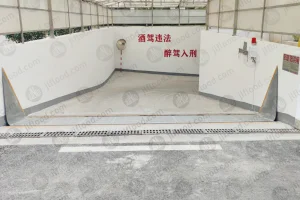
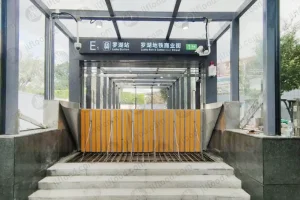
China Embedded flood barrier Hm4e-006C Manufacturer, Quotes

Embedded Flood Barrier Hm4e-006C

Get Factory Quote →
Wholesale Flood Barrier at Metro Stations Manufacturer, Quotes

Heavy Duty Metro Station Entrance Barrier

Get Factory Quote →
China Self closing flood barrier Factory, Factories

Industrial Self-Closing Barrier System

Get Factory Quote →
China Automatic Flood Barrier without electric power Pricelist, Quotes

Non-Electric Passive Flood Defense Barrier

Get Factory Quote →
Wholesale Self closing flood barrier Hm4d-0006D Suppliers, Pricelist

Self-Closing Flood Barrier Hm4d-0006D

Get Factory Quote →
Wholesale Modular hydrodynamic automatic flood gate Supplier, Factories

Modular Hydrodynamic Automatic Flood Gate

Get Factory Quote →
China Flood Barrier at Dalian Metro Stations Manufacturers, Quotes

Dalian Metro Station Flood Defence Gate

Get Factory Quote →
Wholesale Flip-Up Automatic Flood Barrier Manufacturer, Manufacturers

Flip-Up Automatic Doorway Flood Barrier

Get Factory Quote →
Direct Factory B2B Channel

Request Technical Specs & Wholesale Pricing

Submit your entryway clear dimensions, flood head requirements, or civil drawings. Our engineering team provides DWG layouts, FEA calculations, and factory-direct pricing within 24 hours.

Contact Engineering Team → Email Direct Quote Request
Request a Catalog