
Explore our field-proven hydrodynamic flood barriers designed for underground garages, metro lines, and power substations.
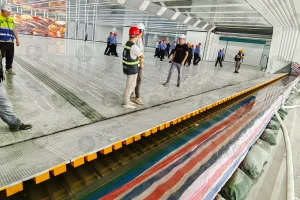

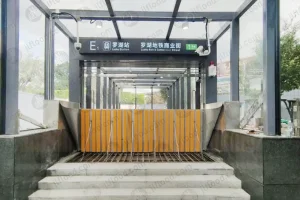
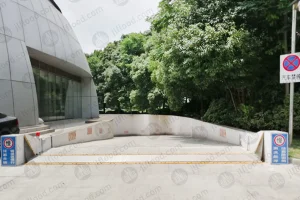
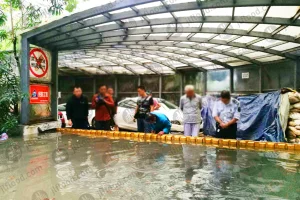
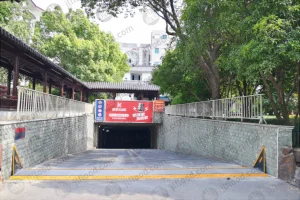
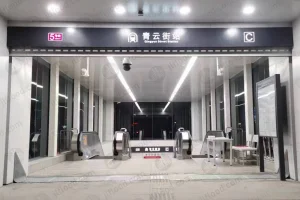
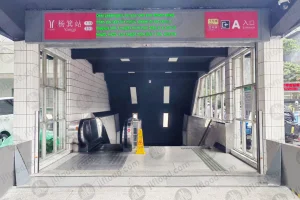
Modern urban landscapes face an unprecedented surge in extreme weather events, driven by rapid climate shifts and intensified urban heat islands. Underground infrastructure—ranging from commercial parking garages, subterranean logistics bays, and metro transit networks to critical power substations—represents the most vulnerable asset class during sudden cloudbursts and urban waterlogging. The economic fallout of a flooded basement garage extends far beyond structural damage; it encompasses multi-million-dollar vehicle write-offs, destruction of electrical switchgears, severe business disruption, and astronomical insurance liability claims.
Traditional flood control methodologies, such as manual sandbag placement or motorized electric barriers, consistently exhibit critical failure points during real-world catastrophe scenarios. Manual deployment relies on human intervention, weather forecasting accuracy, and physical presence—variables that frequently fall short during nighttime flash floods or rapid urban inundations. Conversely, motorized electric flood gates suffer from reliance on grid power or backup generators, which are historically the first systems to fail when floodwaters breach subterranean distribution vaults.
As specialized B2B manufacturers and global suppliers of the Self Closing Flood Gate For Garage, Nanjing Junli Technology Co., Ltd. addresses these engineering vulnerabilities through passive hydrodynamic mechanics. By leveraging the physical properties of water displacement, hydrostatic pressure, and natural buoyancy, our automated barriers activate automatically without human intervention or electrical input, establishing a failsafe flood defence line for commercial property developers, municipal engineers, and industrial procurement managers globally.
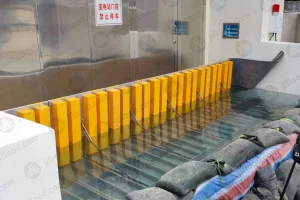
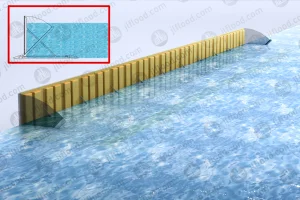
The core technological innovation behind our self-closing flood gate lies in its hydro-buoyant leverage mechanism. Embedded flush into the entrance ramp of an underground garage or facility opening, the barrier panel serves as a standard heavy-duty driveable surface during normal traffic operations.
When surface runoff exceeds kerb capacities, ambient floodwater flows naturally into the recessed stainless steel foundation basin. No sensors or electronic controllers are required.
As the chamber fills, Archimedes' principle of buoyancy exerts upward force on the internal light-density, high-rigidity door leaf panel. The panel automatically swings or rises upward as water levels escalate.
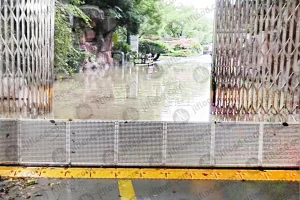
Hydrostatic head pressure pushes the vertical barrier panel tightly against the side frames. High-grade industrial EPDM elastomeric gaskets compress to form an IP68-equivalent watertight barrier seal.
To assist civil consultants and procurement leads in conducting rigorous trade-off evaluations, the table below contrasts passive hydrodynamic systems against conventional barrier alternatives:
| Evaluation Parameter | Hydrodynamic Self-Closing Barrier | Electric / Hydraulic Rising Barrier | Manual Modular Demountable Barrier |
|---|---|---|---|
| Power Dependence | Zero Power Required (100% Passive) | High (Requires Mains / Backup Generator) | Zero Power (Manual Labor Dependent) |
| Activation Response Time | Immediate (< 0.5 Seconds on Inflow) | 30 to 120 Seconds (Sensor-controlled) | 30 to 180 Minutes (Human Assembly) |
| Human Reliability Risk | Zero Human Intervention Needed | Moderate (System Monitoring Required) | Extremely High (Fatal if Unstaffed) |
| Axle Load Capacity | Heavy Vehicle Rating (Up to 40-60 Tons) | Medium to Heavy Vehicle Load | Non-Driveable (Pedestrian Only) |
| Lifecycle Maintenance | Ultra-Low (Annual Gasket Cleaning) | High (Motor, Hydraulics & PCB Servicing) | Moderate (Storage & Gasket Wear Checks) |
| 20-Year Operational TCO | Lowest Total Cost of Ownership | High due to Maintenance & Energy Costs | High Risk-Weighted Labor Costs |
Selecting the right wholesale manufacturer and international B2B supplier requires auditing not just product design, but industrial throughput, structural metallurgy, and manufacturing quality control. Headquartered in the Yangtze River Delta engineering corridor in Nanjing, China, Nanjing Junli Technology Co., Ltd. leverages a highly integrated industrial ecosystem to deliver world-class flood barrier systems at optimized cost structures.
Our self-closing garage flood barriers are constructed from high-tensile extruded 6063-T6 aluminum alloys and heavy-duty SUS304 / SUS316 stainless steel frame housings. This metallurgical profile yields an exceptional strength-to-weight ratio, guaranteeing structural immunity against dynamic hydrodynamic impacts, debris strikes, and harsh environmental corrosion in coastal or saline urban settings.
Unlike trading companies or conventional door fabricators, Junli maintains a dedicated full-scale hydraulic testing pool at our Nanjing facility. Every modular series undergoes rigorous pre-shipment water-retention verification, measuring precise deflection curves, seal compression efficiency, and dynamic response speed under simulated flash-flood pressures.
Our automated CNC machining centers ensure precision tolerances across all single-span and multi-leaf joint configurations, reducing production lead times for global municipal tenders by up to 40%.
We provide comprehensive engineering customization—matching bespoke trench depths, kerb contours, non-standard clear spans, and localized structural load ratings specified by structural engineers.
Export-grade reinforced wooden packaging, complete with English CAD installation guides, embedded frame anchoring templates, and pre-assembled seal modules, ensures seamless sea freight and turnkey installation overseas.
Junli's self-closing flood protection systems are custom-engineered to overcome the unique geometric and operational challenges posed by diverse infrastructure topologies:
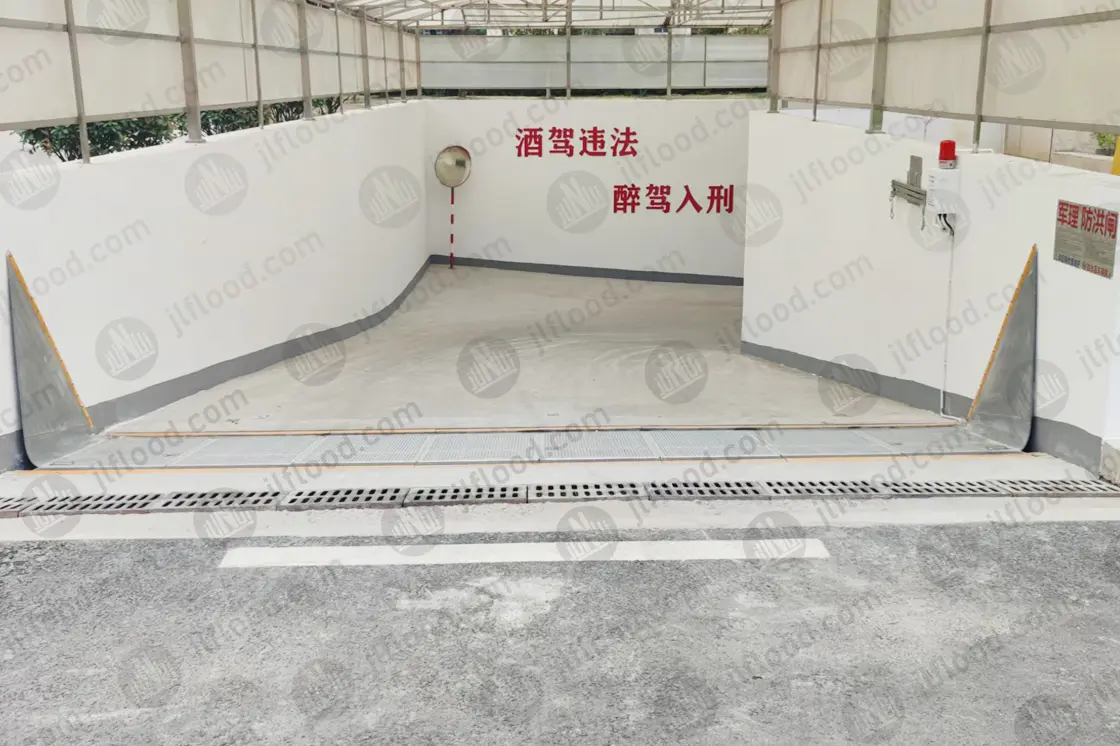
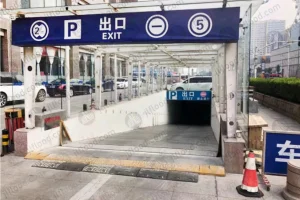
Flush-mounted into ramp inclines. Heavy vehicle drive-over rating ensures smooth everyday vehicular flow, rising automatically when torrential storm runoff rushes down the entry slope.
Explore Garage Barrier Range →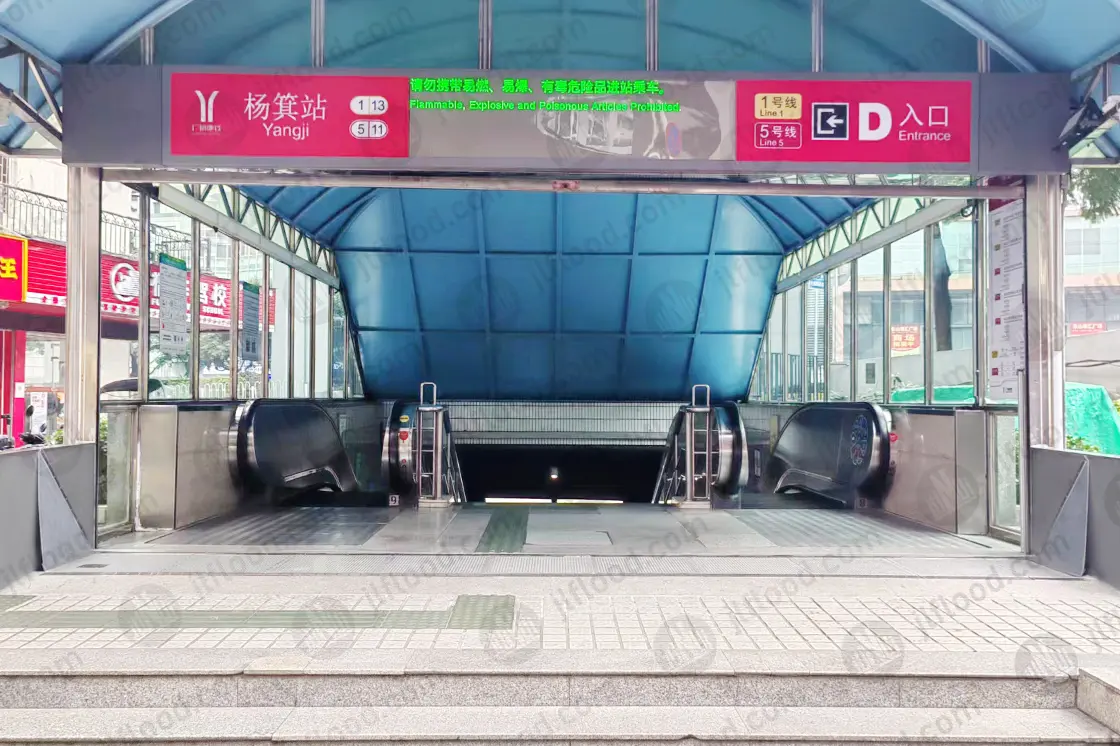
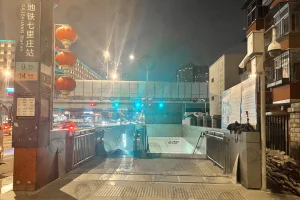
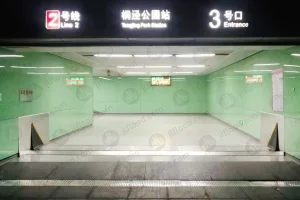
Validated across high-density rail networks in Guangzhou, Beijing, Dalian, and Suzhou Metro systems. Safeguards underground concourses and connecting tunnels against severe urban flooding.
Explore Metro Barrier Range →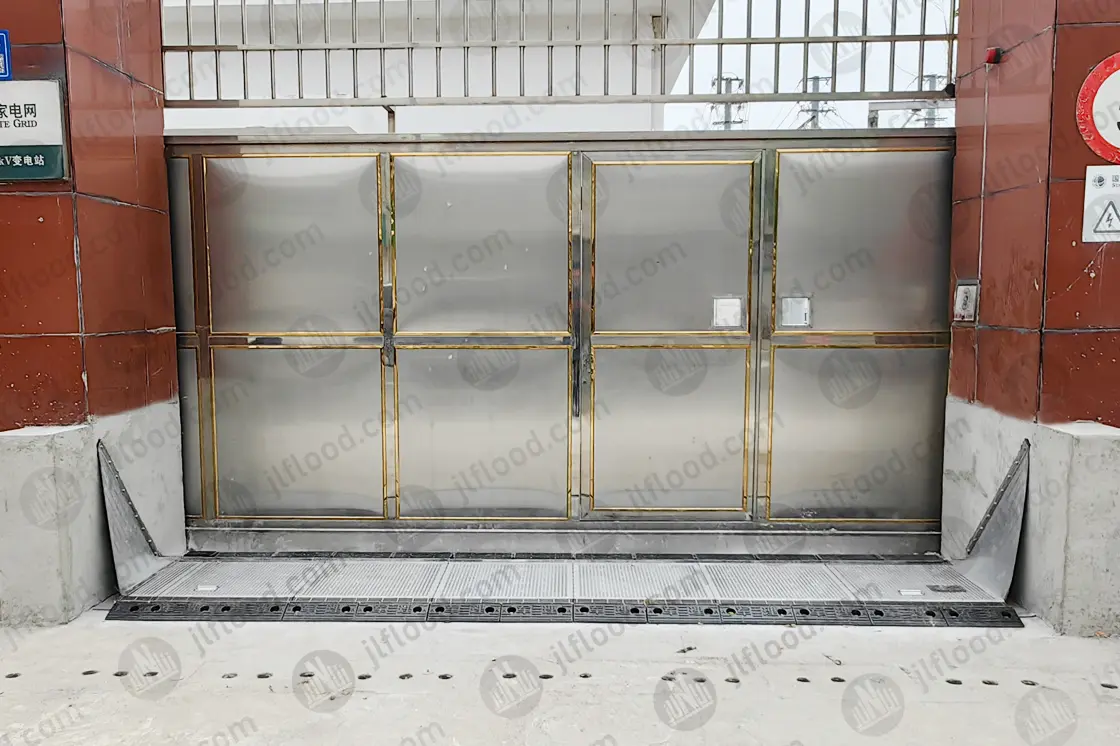
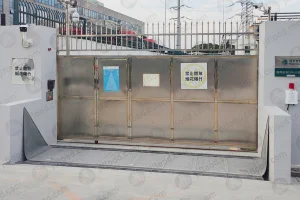
Protects grid perimeter gateways, cable trenches, and transformer vaults. Prevents catastrophic transformer shorts and blackout conditions during regional typhoon events.
Explore Substation Range →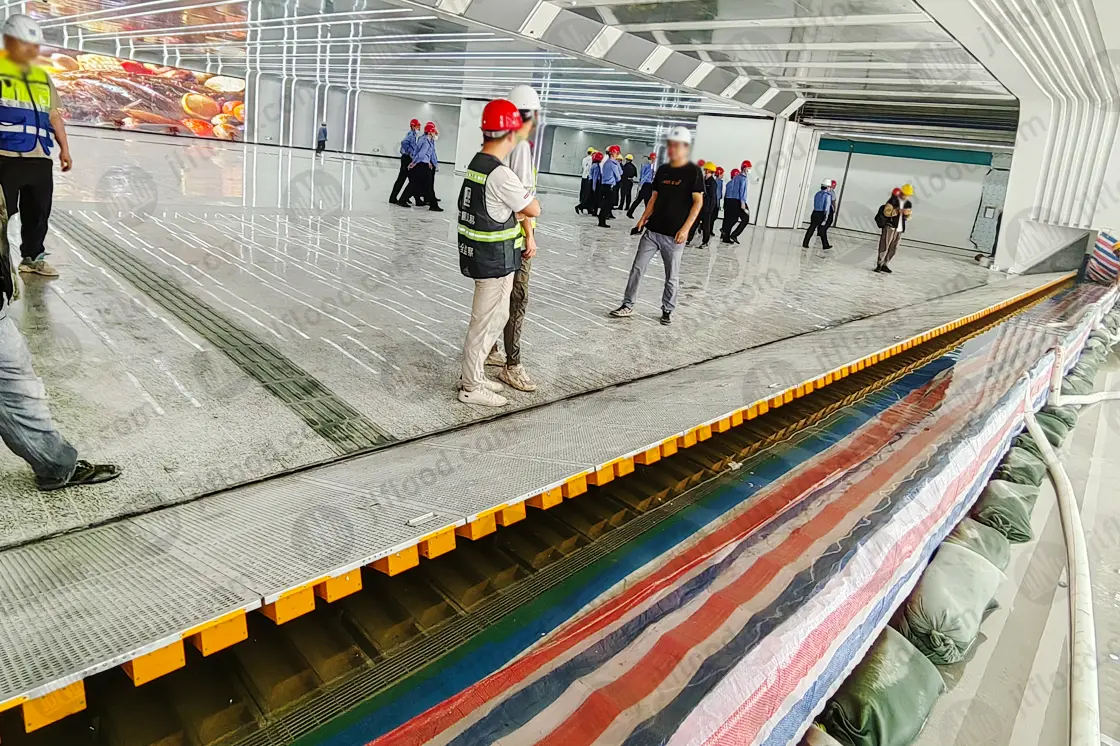
Witness-tested leakage rates under full dynamic water heads. Third-party engineering reports and full video documentation provided per project order.
View Water Test Records →Integrating a self-closing flood gate into new architectural construction or existing retrofit openings requires meticulous civil structural alignment. Junli provides end-to-end engineering support to simplify consultant specification and contractor installation.
Our structural engineering team produces customized CAD embedded layouts, civil trench detail drawings, and project-specific tender specifications within 24 hours.
Detailed technical insights addressing structural, operational, and maintenance queries from global project engineers:
The system relies on pure hydrodynamic physics (buoyancy and hydrostatic pressure). The barrier panel is housed flush within a subterranean foundation chamber embedded at the garage entrance. When flash floods cause water to enter the foundation basin, the natural buoyant force lifts the hollow extruded aluminum door panel upward. As water levels rise further, the hydrostatic water pressure pushes the door panel firmly against the frame gaskets, creating a tight watertight seal without any motors, sensors, or human intervention.
Yes. The top cover plate of the door panel and the embedded foundation housing are engineered from high-strength aviation 6063-T6 aluminum or heavy-gauge steel, reinforced with internal structural ribbing. In its rest position, the system is rated for heavy axle loadings up to EN 124 D400 and E600 standards (supporting 40 to 60 metric tons), allowing daily cross-traffic of delivery trucks, SUVs, and emergency service vehicles without structural deformation.
Because the system contains zero electrical motors, pumps, or electronic circuits, maintenance requirements are minimal. We recommend semi-annual inspections: clearing any accumulated silt or debris from the bottom trench via the integrated drainage outlet, checking the EPDM sealing gaskets for physical damage, and manually rinsing the panel. Gaskets are designed for a 15 to 20-year service life and can be easily replaced on-site if worn.
Standard single panel retaining heights range from 0.5 meters to 2.0 meters. Clear span openings can be tailored to any driveway width. Single-span units accommodate widths up to 6 meters. For wide garage openings, multi-truck bays, or metro concourses exceeding 6 meters, modular intermediate support columns or multi-leaf synchronized arrays are used to span widths up to 30+ meters seamlessly.
For cold-climate installations (e.g., Northern Europe, North America, Northern China), Junli offers optional low-voltage self-regulating electric heating cables pre-installed inside the foundation trench. These cables prevent ice accumulation within the water chamber while maintaining zero power dependency for the main lifting mechanism itself.
Review our complete range of specialized flood defence barriers and custom engineered modular units.
Explore our dedicated product category archives, testing documentation, and engineering blogs.
View recorded field performance during major typhoons and severe flood events.
Discover our full-scale pool hydraulic testing procedures and certification standards.
Browse flush-mounted solutions specifically engineered for residential and commercial ramps.
Review heavy-duty flood gates deployed across subway entrances and transit tunnels.
Specialized perimeter barriers protecting critical electrical power utilities.
International shipping, CAD design support, and remote technical installation advice.


