
Discover our core lineup of self-rising, zero-electricity flood protection barriers engineered specifically for high-density subterranean doorways, ramp basements, and critical urban utilities across Sydney and New South Wales.
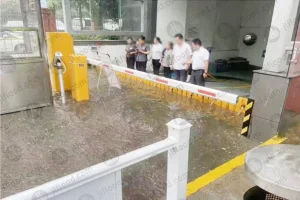
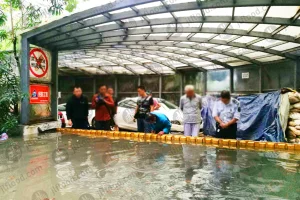
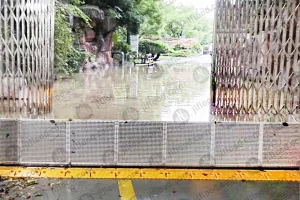
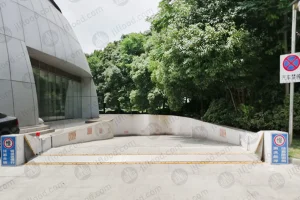
Greater Sydney's unique coastal geometry, combined with extreme weather events driven by East Coast Lows (ECL) and La Niña climate cycles, has created unprecedented hydrologic challenges for commercial property owners, civil asset managers, and municipal infrastructure authorities. From the Hawkesbury-Nepean River catchment to the dense urban concrete canyons of the Sydney CBD, Barangaroo, South Sydney, and Parramatta, surface water runoff during intense storm bursts routinely overwhelms municipal storm drainage channels.
Traditional manual flood barriers (such as aluminum stop logs, demountable flood boards, and temporary sandbagging) present severe operational risks. In multi-level underground parking facilities, metro transit portals, and high-voltage electrical substations, human intervention during flash flood emergencies often fails due to short lead times, traffic blockages, or grid outages. Modern civil engineering in New South Wales requires unattended, zero-electricity, hydrodynamic passive water-retaining flood barriers that trigger automatically upon water contact.
Overland flow paths in low-lying Sydney regions can experience water level surges exceeding 0.5 to 1.5 meters within 15 minutes during torrential cloudbursts, rapidly flooding subterranean property assets.
Under the Australian National Construction Code (NCC 2022) and local Sydney Development Control Plans (DCPs), commercial assets must incorporate certified flood resilience measures up to the 1-in-100-year ARI level.
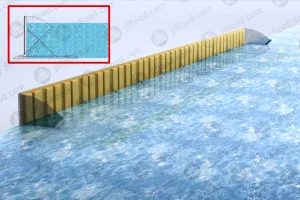
Passive hydrodynamic gates embed flush into the driveway slab. Passing heavy vehicular traffic drives over them seamlessly every day, yet rising floodwater activates the panel mechanically with zero human power required.
The global climate adaptation market has undergone a fundamental technological transition from active, motorized barrier systems to passive hydrodynamic fluid-mechanical designs. Motorized barriers relying on water sensors, electric winches, or hydraulic pumps present catastrophic single-point-of-failure vulnerabilities—specifically, electrical power grid collapse during severe lightning storms or storm surges.
| Generation | System Architecture | Activation Mechanism | Grid Reliability Risk | Sydney Commercial Suitability |
|---|---|---|---|---|
| Gen-1: Manual | Sandbags & Demountable Stop Logs | Manual labor assembly (2-4 hours) | Extreme (Failure if unattended) | Obsolete for major assets; high labor risk |
| Gen-2: Active Motorized | Electric Roll-down / Hydraulic Gates | Sensors, PLCs, & Backup Generators | High (Power cutout, sensor failure) | High maintenance overhead, vulnerable |
| Gen-3: Hydrodynamic Passive | Self-Rising Buoyancy-Driven Barrier | Pure Hydrostatic Water Buoyancy | Zero (100% mechanical reliability) | Gold Standard for Sydney CBD & Infrastructure |
| Gen-4: Smart Hydrodynamic | Buoyancy + IoT Telemetry Sensors | Hydrodynamic lift with remote SCADA status | Zero (Passive lift + live monitoring) | Next-Gen Smart City & Infrastructure standard |
Junli Technology’s hydrodynamic architecture integrates structural grade marine aluminum alloys (6063-T6 / 6005A-T6) and 304/316 stainless steel foundation frames. The patented multi-chamber buoyancy engine provides robust buoyancy-to-weight ratios, ensuring rapid elevation even under high sediment or debris-laden floodwaters typical of Sydney urban runoff.
Every commercial asset in Sydney presents unique spatial, structural, and hydrologic constraints. Below are the standard localized civil installation scenarios engineered by Junli Technology for Sydney project managers and engineering consultants.
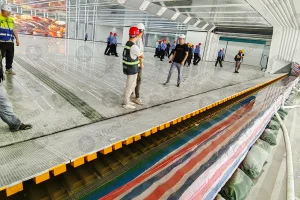
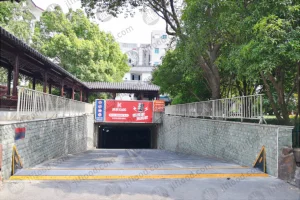
Underground garages require heavy vehicle load rating (Class D/G according to AS 3996) for everyday car and delivery truck passage. The embedded hydrodynamic barrier sits completely flush with the asphalt/concrete surface. As water flows down the driveway ramp into the recessed steel trough, the panel rises automatically to block up to 1.5m head of water, preventing multi-million dollar vehicle and electrical plant damage.
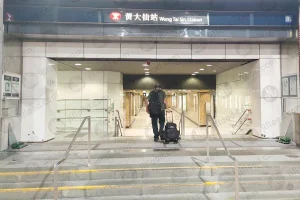
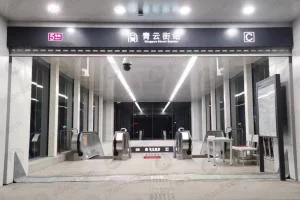
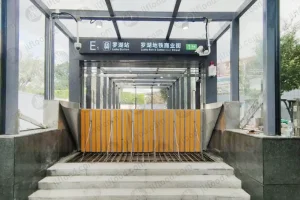
Subway pedestrian access points, ventilation shafts, and connection concourses require structural water containment with zero leakage. Installed at entrance portals, Junli flood barriers prevent flash rain water from pouring down escalator banks into subterranean train tunnels, ensuring passenger safety and operational continuity across Sydney rail networks.
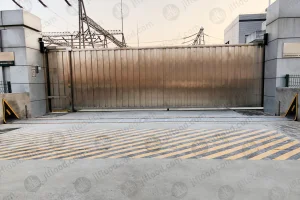
High-voltage transformer enclosures and cable trench entrances are hyper-critical assets. A single flood event can trip regional high-voltage grids. Surface-mounted or low-profile embedded hydrodynamic barriers isolate perimeter gates, preventing water intrusion while preserving routine access for maintenance crews.
Expansive factory loading docks in Western Sydney logistics parks require wide clear spans (up to 30+ meters via modular array linking). Modular hydrodynamic barriers deploy seamlessly across wide door thresholds without intermediate manual posts, maintaining unobstructed forklifts and truck transit during normal operations.
When evaluating flood mitigation capital expenditure (CapEx), project engineers must factor in material specification, foundation preparation, civil embedded drainage, and long-term operating costs (OpEx). Hydrodynamic passive flood barrier pricing in Sydney varies based on structural clear width span, water retaining height requirements, and vehicle axle loading criteria.
| Barrier Model / Configuration | Retaining Height (mm) | Load Rating (AS 3996) | Est. AUD Cost per Linear Meter* | Key Application |
|---|---|---|---|---|
| Surface-Mounted Light Modular Barrier | 300mm – 600mm | Pedestrian / Light Utility (Class B) | $1,200 – $1,800 AUD | Pedestrian doors, equipment rooms, retail storefronts |
| Standard Hydrodynamic Ramp Barrier | 600mm – 1000mm | Medium Vehicle / Delivery (Class C/D) | $2,200 – $3,400 AUD | Residential car parks, commercial basements |
| Heavy-Duty Subterranean Hydrodynamic Gate | 1000mm – 1500mm | Heavy Commercial / Fire Truck (Class D/G) | $3,500 – $5,200 AUD | CBD office towers, shopping centers, logistics depots |
| Metro Infrastructure & Substation Gate | 1200mm – 2000mm | Custom Industrial / High Head Load | $4,800 – $7,500 AUD | Subway station openings, high-voltage utility yards |
*Note: Estimated prices are in Australian Dollars (AUD) for supply and engineering components. Final turnkey pricing depends on concrete structural works, localized drainage connections, freight to Sydney, and site commissioning requirements.
The core structural superiority of Junli Technology’s flood barrier lies in its advanced hydrostatic seal physics and material durability. Unlike standard rubber gaskets that deteriorate under Sydney's strong UV rays and oil/petrol runoff, Junli utilizes marine-grade EPDM triple-extrusion sealing profiles combined with fluorocarbon-coated stainless hardware.
Fabricated from extruded high-tensile 6063-T6 aluminum alloy panels with internal reinforcing ribs. Offers extreme flexural strength under full hydrostatic water head pressure with minimal structural deflection.
As the floodwater level rises, hydrostatic water pressure pushes the dual-density EPDM profile firmly against the frame sidewalls. Higher water pressure creates a tighter, more impermeable seal.
Integrated bottom flush-drain channels prevent silt accumulation inside the recessed foundation housing. Automatic top sediment wipers protect the mechanical hinges during lowering cycles.
Read detailed engineering answers regarding installation in Sydney concrete structures, compliance, maintenance under Australian environmental conditions, and custom specifications.
Browse our complete engineering range of specialized flood protection gates tailored for power substations, underground mass transit networks, garage basements, and critical public buildings.
Contact our technical engineering team today for civil design assistance, shop drawings, structural load calculations, and competitive project tender pricing in New South Wales.
Send Inquiry Now - Immediate Project Consultation

