


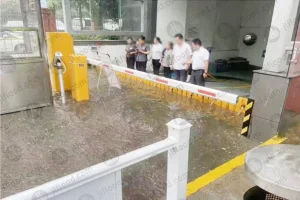

Engineered for high-head surface water retention, zero-electricity automatic elevation, and rigorous urban deployment.
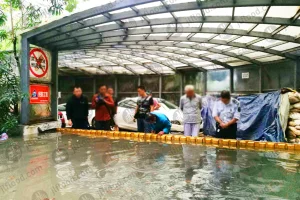
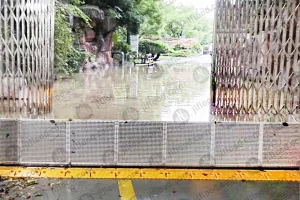
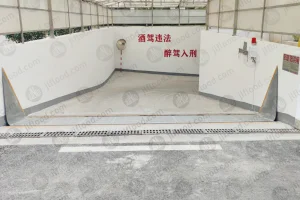
Designed and verified to maintain 100% water-retaining integrity during extreme cloudbursts and deep winter freeze conditions.
Grid Power Required (Passive Hydraulic Trigger)
Cryogenic Polymer Gasket Operating Limit
Structural Hydrostatic Load Capacity
Design Service Life (6063-T6 Anodized Alloy)
The Moscow Metropolitan Region is experiencing a significant shift in extreme hydrometeorological events. Historically dominated by predictable spring snowmelt floods (rasputitsa), atmospheric warming across the Eurasian continent has introduced high-intensity short-duration summer cloudbursts. Combined with the rapid urban consolidation of the Moscow Ring Road (MKAD) logistics corridors and high-density financial districts like Moskva-City, surface runoff rates have vastly outpaced municipal storm sewer expansion.
Subterranean infrastructure in Moscow faces a compound structural hazard: water ingress during sudden storm events, coupled with severe freeze-thaw cyclicity during winter. Conventional manual stoplogs or electrical flood gates present critical points of failure:
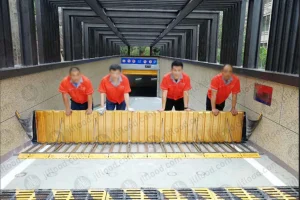
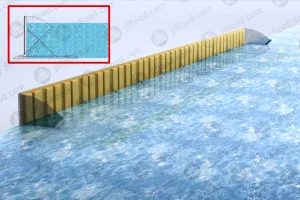
Technical Information Gain: Nanjing Junli Technology’s hydrodynamic passive flood barriers remove electrical and human dependencies completely. Driven purely by fluid dynamics and structural displacement, incoming floodwaters enter a submerged foundation chamber, generating instantaneous hydrostatic displacement that elevates the high-tensile alloy barrier wall automatically.
To withstand the rigorous engineering mandates of Russian construction oversight (GOST standards) and ensure long-term operational integrity, Chinese actual water-retaining flood barriers utilize a multi-stage passive deployment mechanism. Below is an engineering analysis of the structural components utilized in Junli’s heavy-duty series.
High structural strength to weight ratio. Anodized surface treatment prevents pitting corrosion from aggressive de-icing salts used extensively across Moscow roadways during winter.
Specially formulated dual-durometer polymer seals designed for flexible resilience down to -45°C, ensuring zero compression set during multi-day freezing immersion.
Zero electrical reliance. As surface water drains into the embedment basin, buoyancy forces pivot the structural panel upwards, automatically locking under hydrostatic head pressure.
The embedded frame (constructed from AISI 304 or 316 stainless steel) is cast directly into the reinforced concrete threshold during civil construction or retrofit milling. Optional low-voltage, self-regulating anti-freeze heat-tracing cables (15W/m to 30W/m) can be incorporated into the drainage floor of the pit to prevent ice formation inside the mechanism during early spring freeze-thaw transitions.
For Russian general contractors, municipalities, and commercial real estate developers in Moscow, procuring high-grade structural flood defense barriers from leading Chinese manufacturers offers substantial strategic benefits over legacy European suppliers:
| Comparison Vector | Junli Technology (China Factory Direct) | Western European Suppliers | Local Workshop Fabrication |
|---|---|---|---|
| Price-to-Performance | Direct factory quotes; 35%–50% cost savings against European brands. | Exorbitant premiums due to transit overhead and brand markups. | Low upfront cost, high risk of seal failure and structural buckling. |
| Manufacturing Scalability | Advanced CNC extrusion lines, robotic welding, 10,000+ m²/month capacity. | Limited production batches; multi-month lead times. | Manual assembly; inconsistent tolerance control across wide spans. |
| Custom Engineering | Bespoke dimensional customization for clear spans up to 6000mm per panel. | Rigid standard modular sizes; expensive custom engineering fees. | Basic stoplogs; lacks integrated hydrodynamic buoyancy math. |
| Eurasian Railway Logistics | Direct rail shipping via China-Europe Freight Train (Nanjing/Vorsino 14-18 days). | Complex sanctions hurdles and unreliable logistics corridors. | Domestic truck freight, but raw material component bottlenecks exist. |
Nanjing Junli Technology operates full-scale hydraulic testing pools where every custom barrier is pressure-tested against real hydrodynamic head pressure prior to container loading. Test reports, CAD/BIM models, and material certificates are issued with full technical transparency.
Deploying actual water-retaining flood barriers in Moscow requires engineered adaptation to specific urban asset profiles. Below are primary installation blueprints validated across major industrial and commercial projects:
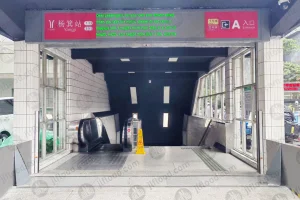
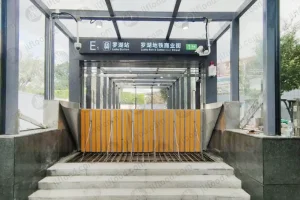
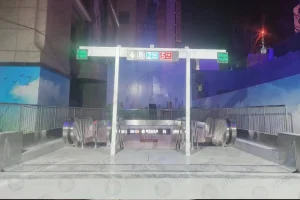
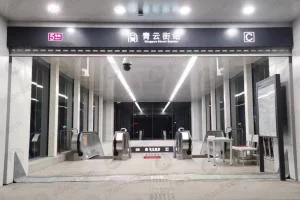
Pedestrian subways, surface station concourses, and ventilation shafts require surface-installed or embedded self-rising barriers. Zero-step flush mounting prevents trip hazards for commuter traffic while guaranteeing instant seal activation during cloudbursts.
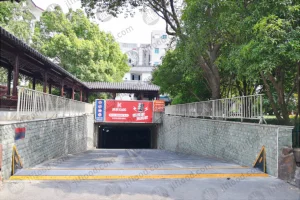
Underground parking entrances along steep inclines experience rapid velocity runoff. Modular heavy-duty flip-up and hydrodynamic automatic gates accept continuous 20-ton axle load passes while providing up to 2.0m retaining heights during flooding.
Substation perimeters and transformer vaults require 100% leak-proof security to eliminate catastrophic short-circuit risks. Junli’s sealed stainless enclosure modules provide continuous hydrostatic defense around vulnerable power assets.
When requesting quotes for actual water-retaining flood barriers, procurement managers should evaluate the overall landed cost structure, which includes unit fabrication, custom modifications, freight logistics, and site civil preparation.
| Barrier Model / Type | Standard Height (mm) | Structural Material | Estimated Price Range (USD / Meter Run) |
|---|---|---|---|
| Hydrodynamic Automatic (Hm4e Series) | 600mm – 1000mm | 6063-T6 Anodized Aluminum Alloy | $420 – $680 / m |
| Heavy-Duty Ramp Gate (Hm4d Series) | 1000mm – 1500mm | Reinforced Alloy + Stainless Frame | $650 – $950 / m |
| Flip-Up Garage Door Barrier | 500mm – 800mm | High-Grade Lightweight Alloy | $380 – $550 / m |
| Substation Enclosure Barrier | 800mm – 1200mm | Corrosion-Resistant Stainless / Alloy | $500 – $820 / m |
Note on Logistics to Moscow: Freight via direct container train (Nanjing to Moscow Vorsino / Kresty terminal) typically adds approximately $120 to $220 per meter depending on total volumetric weight. Official customs documentation and certificate of origin (Form A / EAC compliance notes) are provided by Nanjing Junli Technology.
Achieving absolute zero-leakage performance requires strict adherence to foundation interface guidelines during civil preparation:
Direct responses from Nanjing Junli Technology’s senior hydraulic engineering department.
Our flood barriers designed for Northern Eurasian climates utilize high-elasticity cryogenic silicone and fluorosilicone polymer blend seals tested to maintain flexible sealing memory down to -45°C. For locations prone to heavy ice accumulation, an optional low-wattage heat-tracing cable system can be embedded inside the structural frame tray to prevent ice locking.
Single-leaf clear spans can reach up to 6000mm (6 meters) with standard retaining heights between 500mm and 2000mm. For wider openings, such as 20-meter warehouse ramp entrances or metro plazas, intermediate removable structural mullions or multi-segment modular sync-gates are integrated seamlessly.
We provide full technical documentation sets in English and Russian, including certified structural calculation sheets, hydrostatic pressure test videos from our Nanjing test facility, material mill certificates, CAD/BIM drawing details, and installation civil guidance manuals.
Standard fabrication takes 15 to 20 days following technical drawing approval. Direct rail freight via China-Europe Express trains (Nanjing to Moscow Vorsino freight hub) takes approximately 14 to 18 days, enabling total order delivery within 35 to 40 days.
Browse our complete line of automatic barriers, metro defense gates, and heavy-duty garage protection barriers.
Submit your opening dimensions, clear spans, and required retaining heights. Our engineering specialists will generate a complete technical proposal, CAD embedment details, and direct factory pricing within 24 hours.
Send Inquiry Now