Hydrodynamic automatic flood control gates factory-tested for severe tropical monsoons, MRT/LRT extensions, and commercial basements.
Why industrial parks, transport hubs, and high-density commercial real estate in Malaysia require hydrodynamic zero-power flood prevention.
Malaysia experiences intense equatorial climatic conditions dominated by the Northeast Monsoon (Novembers to March) and the Southwest Monsoon (May to September). In recent years, rapid urbanization across the Klang Valley (Kuala Lumpur, Shah Alam, Subang Jaya), Penang's Bayan Lepas Free Industrial Zone, and Johor Bahru’s Iskandar Economic Zone has exacerbated the frequency of severe flash floods (banjir kilat). The failure of conventional surface drainage under extreme rainfall events (exceeding 100mm/hour) puts critical commercial assets, underground parking structures, subway stations, and electrical substations at risk of catastrophic water inundation.
While macro-engineering projects like the SMART Tunnel (Stormwater Management and Road Tunnel) provide regional river-basin diversion, local asset protection remains the ultimate responsibility of property managers, EPC contractors, and municipal authorities. Traditional flood mitigation—such as sandbags or manual aluminum modular barriers—introduces severe operational risks: human error, slow deployment times during sudden flash floods, and reliance on electrical power during grid blackouts. This whitepaper analyzes how leading Chinese OEMs and manufacturing factories, specializing in hydrodynamic automatic flood barriers with rigorous factory water testing, fulfill Malaysia's growing procurement demand for autonomous, power-free flood control solutions.
How hydrodynamic physics eliminates electrical dependencies during emergency urban flood events.
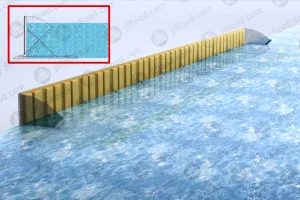
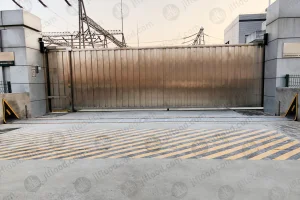
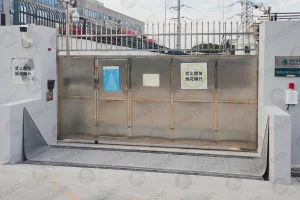
The core barrier leaf sits flush inside an embedded ground foundation frame during normal operation. As surface floodwater flows into the retention chamber, hydrostatic pressure and engineered buoyancy tanks automatically lift the barrier leaf without electrical motors, sensors, or manual triggers.
Utilizing high-grade Ethylene Propylene Diene Monomer (EPDM) dual-component rubber seals along side wall frames and bottom pivot hinges. Under hydraulic pressure, the seals compress dynamically against the structure, creating a hermetic seal resistant to silt, debris, and urban oil runoff.
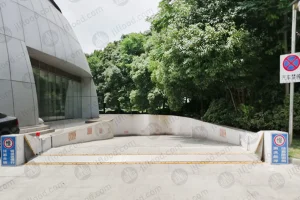
Engineered for high-traffic environments, the top cover plate supports heavy axial loads up to 60 tons (T44 / AASHTO HS20 standards), making it ideal for underground car park ramps, logistics hubs, and industrial factory entrances in Klang and Penang.
| Performance Indicator | Hydrodynamic Automatic Barrier (China OEM) | Electric Motorized Gate | Manual Modular Sandbags / Panels |
|---|---|---|---|
| Power Requirement | Zero (100% Water-Powered) | 230V/415V Grid + Backup GenSet | Zero |
| Response Time | Instantaneous (< 0.5s upon water inflow) | 30 - 120 seconds (If sensor works) | 30 - 90 minutes (Human dependent) |
| Blackout Reliability | 100% Operational | High Risk (Power failures during storms) | N/A (Manual labor required) |
| Factory Water Testing Standard | 100% Full-Scale Pool Hydrostatic Tested | Electrical Dry Simulation Only | Visual Weld Inspection Only |
| Maintenance Overhead | Ultra-Low (Quarterly debris clearance) | High (Motors, PLCs, battery checks) | High Storage & Replacement Cost |
Why factory water-retaining verification is essential for Malaysian EPC tenders and structural engineering sign-offs.
Purchasing engineered flood barriers without empirical water testing exposes project owners to devastating financial and legal liabilities. Top-tier flood barrier factories in China operate custom-built hydrostatic testing verification pools. Before any unit is exported to clients in Kuala Lumpur, Penang, or Johor, rigorous factory acceptance testing (FAT) is conducted under real hydro-head pressure.
The barrier panel is installed in a full-scale test pool simulating site-specific embedment dimensions. Water levels are filled to maximum retention height (e.g., 600mm to 2000mm) and maintained for 24 to 48 continuous hours to monitor structural deflection and structural stress.
Simulating flash flood surface turbulence caused by passing vehicles or storm surges. Pumps introduce dynamic hydrodynamic pressure and water currents against the barrier face to verify structural stability and hinge mechanical locking integrity.
Engineers measure any allowable seepage against international flood standard criteria (e.g., FM 2510, BS EN 12288). Leading Chinese suppliers guarantee a zero-leakage threshold (or < 0.5 liters/hour per meter of perimeter), far outperforming standard civil work tolerance.
Every factory order includes a full Quality Control (QC) Dossier: HD Video Testing Records, Mill Material Certificates (Stainless Steel 304/316, 6063-T6 Aluminum), Finite Element Analysis (FEA) Stress Reports, and Third-Party Witness Reports (SGS, TÜV, or ISO 9001 certified lab verification).
Engineered integration across mass rapid transit, commercial real estate, and electrical grid infrastructure.
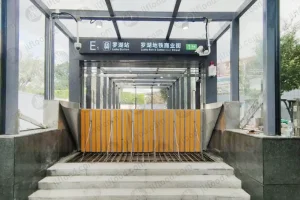
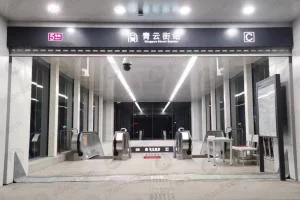
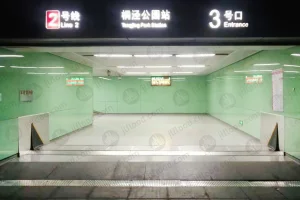
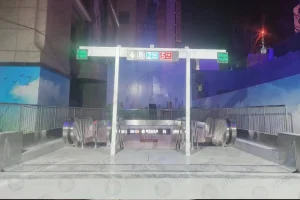
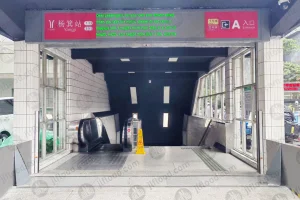
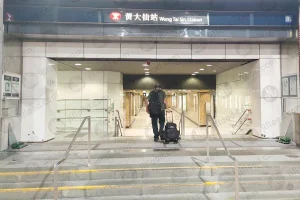
Station entrances and pedestrian connection tunnels require ultra-reliable barriers. Standard installations at subway portals prevent torrential rainwater from inundating tracks, electrical signal rooms, and underground concourses. Designed with surface-flush mounting to comply with ADA accessibility guidelines during normal commuter foot traffic.
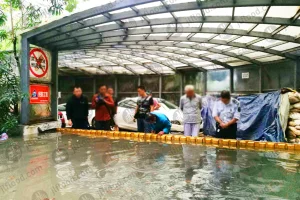
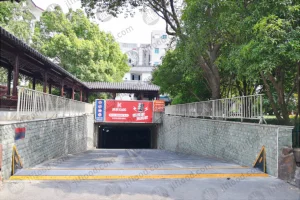
Underground parking structures in Kuala Lumpur CBD, Mont Kiara, and Penang shopping malls represent high financial exposure. Surface-mounted and embedded flip-up/hydrodynamic barriers automatically deploy when rainwater overflows storm drains, preventing vehicle submergence and property damage.
Electrical distribution substations operated by utility companies (such as Tenaga Nasional Berhad - TNB) require uninterrupted protection against water ingress. Power-free automatic gates around perimeter walls and cable trench doors ensure uninterrupted power supply to cities during flood crises.
Cost efficiency, rapid custom manufacturing, and seamlessly integrated cross-border logistics.
Malaysia’s construction industry relies on high-specification engineering components delivered on strict project timelines. Partnering directly with specialized China flood barrier manufacturers offers distinct structural and financial advantages:
Chinese factories specialize in bespoke civil engineering adaptations, matching precise curb widths (from 1.5 meters up to multi-span 30-meter arrays) and non-standard trench depths without requiring expensive re-tooling.
Bypassing regional trading intermediaries allows Malaysian developers to save 30% to 45% on capital expenditure (CapEx) while securing higher material grades (e.g., 316 Stainless Steel frames over standard aluminum).
Direct ocean freight corridors from major Chinese ports (Ningbo, Shanghai, Shenzhen) to Port Klang and Penang Port ensure lead times as short as 12–18 days, complete with Form E ACFTA preferential tariff documentation.
Explore our full line of hydrodynamic, surface-mounted, embedded, and flip-up flood protection gates.
Aligning international manufacturing standards with local Department of Irrigation and Drainage (JPS) requirements.
In Malaysia, urban drainage works are guided by the Urban Stormwater Management Manual for Malaysia (MSMA - Manual Saluran Mesra Alam) issued by the Department of Irrigation and Drainage (JPS / DID Malaysia). Our engineering team collaborates with local civil engineering firms to provide complete CAD profile drawings, structural loading calculations, and foundation rebar layouts that integrate seamlessly into MSMA-compliant perimeter drain structures.
As smart city initiatives expand across Cyberjaya and Greater Kuala Lumpur, flood management systems are transitioning toward integrated IoT architectures. The next generation of hydrodynamic flood barriers manufactured by China suppliers incorporates multi-layer technology:
Expert technical insights regarding installation, maintenance, and factory water testing verification.
Submit your entrance dimensions, flood retention height requirement, or civil project drawings. Our engineering team provides custom cost estimates, structural calculations, and video proof of factory water testing within 24 hours.
Send Inquiry Now →