


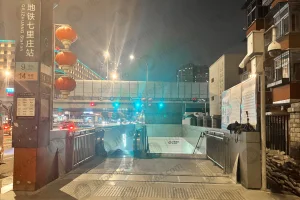
Wholesale Embedded Type Automatic Flood Barrier for South Africa Metro
Flush-mounted hydrodynamic barrier rising automatically with water buoyancy. Zero electricity required—ideal during load shedding.
View Product Details →
Engineered for instant automated protection against catastrophic flash urban flooding in rapid transit and civil infrastructure.
Flush-mounted hydrodynamic barrier rising automatically with water buoyancy. Zero electricity required—ideal during load shedding.
View Product Details →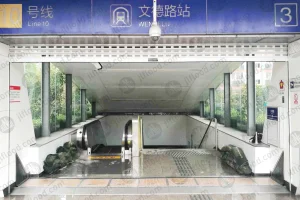
Surface-mounted retrofit design requiring minimal civil work excavation. Instant hydro-activation for station entrances and ramps.
View Product Details →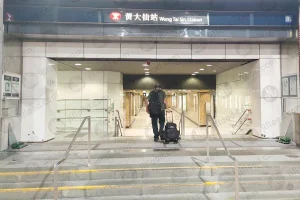
Heavy-duty hinged mechanical barrier engineered for wide pedestrian entrances, cable trenches, and utility doorways.
View Product Details →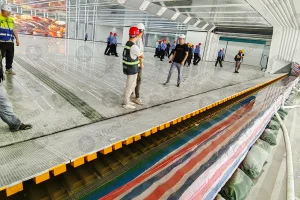
Autonomous physical water-retaining wall that seals station portals without manual intervention or sensor failure risks.
View Product Details →Urban infrastructure across South Africa's major economic hubs—including Gauteng (Johannesburg and Pretoria), eThekwini (Durban), and the Western Cape (Cape Town)—faces unprecedented climate risks. Intensifying convective rainstorms, flash flooding, and aging municipal stormwater networks have placed critical underground transport networks like the Gautrain Rapid Rail Link and the Passenger Rail Agency of South Africa (PRASA) network under severe operational pressure. When extreme surface runoff descends into metro portals, concourses, cable trenches, and electrical substations, the economic damages and threat to human life escalate exponentially.
Traditional flood protection—such as manually deployed aluminum stop logs or electric flood doors—suffers from fatal failure modes in South Africa. The primary risk factor is unreliable power grid stability (Load Shedding) during severe storm events, combined with rapid flash flood onset times (often under 15 minutes). Unpowered hydrodynamic flood barriers eliminate these risks by utilizing pure hydraulic buoyancy to rise and lock automatically without electricity or manual labor.
South Africa’s commercial hubs rely heavily on underground integration. Johannesburg's Park Station, underground logistics depots in Durban Port, and subterranean shopping concourses in Cape Town Foreshore feature low-lying entry thresholds. In 2022, catastrophic coastal flooding in KwaZulu-Natal demonstrated that conventional drainage pumps cannot cope when municipal stormwater mainlines back up. Modern engineering mandates passive, structural perimeter flood protection right at the ingress portal.
International engineering standards (such as FM 2510 and ISO 22301 for business continuity) now emphasize flood protection solutions that feature self-activation. Municipalities and global asset managers operating in South Africa are shifting specifications away from labor-dependent sandbags or motorized gates toward hydrodynamic automatic flood barriers embedded flush into station thresholds.
As a global pioneer in mass-transit flood defense engineering, China’s Industry 4.0 manufacturing ecosystem offers unparalleled advantages for South African contractors, municipal authorities, and private developers:
Custom engineering is required to adapt flood protection gates to specific geographical and civil engineering contexts across South Africa:
Designed for high-intensity summer thunderstorm runoff in Johannesburg and Tshwane (Pretoria). Installed at Gautrain station entrances, underground parking basements, and ESKOM electrical distribution sub-stations to prevent sudden water ingress during grid blackouts.
Features enhanced 316 marine-grade stainless steel frames to withstand highly corrosive salt-spray environments in coastal port logistics zones, underground pedestrian underpasses, and tidal-influenced riverine basins.
To assist quantity surveyors, civil consulting engineers, and procurement directors in budget forecasting, the following table provides estimated cost benchmarks for commercial and metro-grade flood barrier deployments destined for South African ports (FOB China / CIF Durban & Cape Town):
| Barrier System Model | Retaining Height Range | Span Capability | Activation Mechanism | Estimated Unit Cost (USD) | Ideal SA Application |
|---|---|---|---|---|---|
| Hydrodynamic Embedded Metro Gate | 500mm – 2000mm | Modular (Unlimited) | Passive Buoyancy (Zero-Power) | $850 – $1,450 / meter | Gautrain/PRASA Stations, Deep Basements |
| Surface-Mounted Flood Barrier | 400mm – 1200mm | Up to 10m per leaf | Automatic Hydrostatic Lift | $620 – $1,100 / meter | Retrofit Car Park Ramps, Commercial Hubs |
| Flip-Up Mechanical Flood Barrier | 600mm – 1500mm | Up to 6m single leaf | Hydro-buoyant / Hydraulic auxiliary | $750 – $1,300 / meter | Pedestrian Station Entrances, Utility Rooms |
| Heavy-Duty Substation Gate | 800mm – 1800mm | Custom Spans | Self-Closing Buoyancy Lock | $900 – $1,600 / meter | ESKOM Substations, Industrial Plants |
* Note: Indicative pricing excludes localized South African import duties (SARS tariffs), local freight, and site-specific civil concrete bed preparation. Final project quotes require localized structural drawing approval.
Explore our full range of field-tested hydrodynamic flood gates engineered for rail transit systems, connection channels, and power infrastructure.
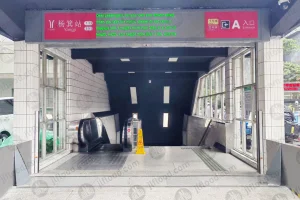
Proven heavy-transit station flood protection barrier system engineered for massive pedestrian flow portals.
View Product Details →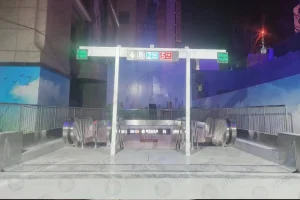
High-head retaining wall barrier constructed for coastal metro station underground entry points.
View Product Details →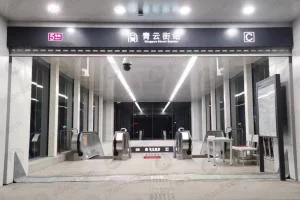
Fully automated hydrostatic retention gate system compliant with international urban rail standards.
View Product Details →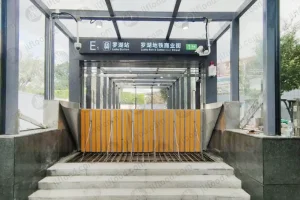
Modular wide-span hydro-barriers engineered to protect subterranean station concourses.
View Product Details →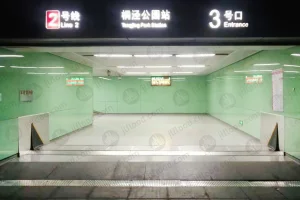
Specialized flood gate arrays designed for subterranean passages linking shopping hubs to metro lines.
View Product Details →
Passive mechanical gate system requiring zero manpower during extreme weather incidents.
View Product Details →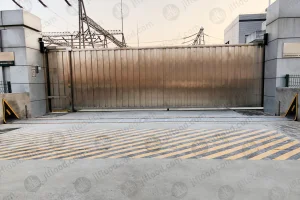
Perimeter flood barrier built specifically to protect critical electrical infrastructure and transformer yards.
View Product Details →
Structural hydro-barrier preventing flood cascades between interconnected underground commercial structures.
View Product Details →Expert answers regarding civil work integration, load shedding resilience, compliance, and shipping logistics.
Our hydrodynamic automatic flood barriers operate on pure hydrostatic principles. As floodwater flows into the ground embedded chamber, rising water pressure generates natural buoyancy that lifts the barrier panel automatically and locks it into place. The system requires zero electrical power, zero sensors, zero backup generators, and zero human intervention—making it completely immune to load shedding blackouts.
Yes. Our embedded surface plates are engineered from structural heavy-gauge stainless steel or aircraft alloy, capable of supporting standard axle loads up to 40 tonnes (equivalent to AASHTO H-20 and SANS heavy transport standards). When resting flush, vehicles, buses, and pedestrians pass over the barrier seamlessly.
We provide comprehensive engineering packages, including AutoCad layout drawings, civil concrete recess foundation templates, structural finite element analysis (FEA) reports, EPDM seal lifetime certifications, and step-by-step English installation manuals. Remote commissioning support is included for all South African projects.
Standard manufacturing production lead time is 15 to 25 days depending on standard or custom dimensions. Sea freight dispatch from Shanghai or Ningbo port directly to Durban (Port of Durban) or Cape Town typically takes 22 to 28 days transit time.
Submit your opening width, kerb level, and project specifications. Our structural engineering team will prepare a tailored technical quotation and AutoCAD embedment detail within 24 hours.
Send Inquiry Now