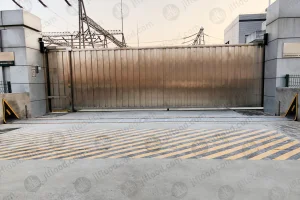
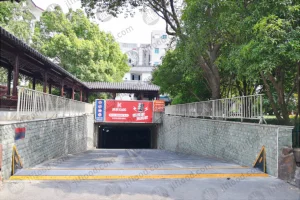
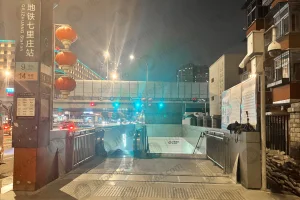
Field-proven automatic water-retaining barriers engineered for rapid deployment across high-risk commercial and municipal sectors.
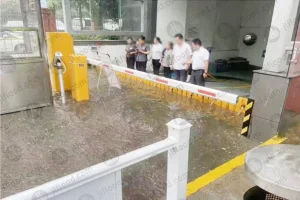
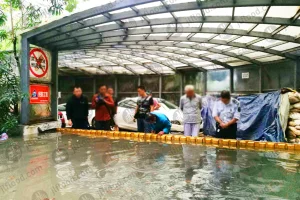
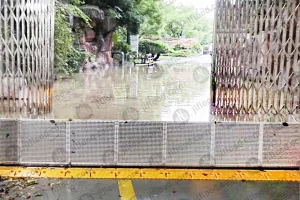
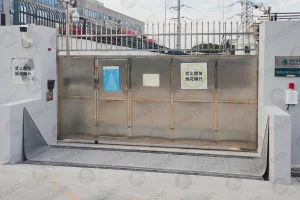
Understanding the severe hydrological vulnerabilities of India's commercial capital and the shift toward autonomous flood mitigation infrastructure.
The Mumbai Metropolitan Region (MMR)—encompassing key financial districts such as Bandra-Kurla Complex (BKC), Nariman Point, Lower Parel, and expanding manufacturing corridors in Navi Mumbai and Thane—presents a complex flood mitigation scenario. Mumbai's geographic vulnerability is exacerbated by extreme localized cloudburst events (exceeding 100mm/hour), flat coastal topography, high-tide sea level surges blocking storm-drain discharges, and the overflow of the Mithi River.
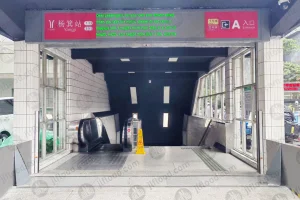
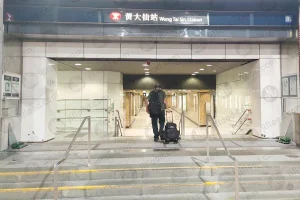
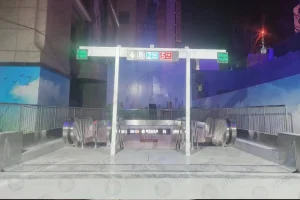
When high tides coincide with torrential rains, the city's stormwater drainage network experiences severe back-pressure. Water inundates low-lying critical infrastructure, specifically subterranean basements, underground car parks, metro rail portals, and high-voltage power substations. In commercial hubs like BKC, a single basement flood event can cause tens of millions of rupees in structural damage, destroyed electromechanical utility gear, IT equipment losses, and severe business interruption.
Our OEM factory-engineered actual water-retaining flood barriers operate on basic principles of fluid mechanics—specifically buoyancy force (Archimedes' Principle) and hydrostatic pressure. The system rests flush within a shallow embedded frame installed at the threshold of driveways, entrance gates, or underground ramp entrances.
As surface runoff flows toward the structure, water enters the shallow embedment chamber via intake grates. No electrical sensors or manual switches are needed.
The engineered lightweight, high-strength panel absorbs the water's natural buoyancy force, pivoting upward automatically as the water level rises within the chamber.
Hydrostatic head pressure presses the panel tightly against dual EPDM rubber side-wall gaskets, forming an airtight, watertight seal up to 2.0 meters retaining height.
Custom-engineered flood gate hardware must cater to specific structural and traffic requirements across commercial, municipal, and industrial developments in Mumbai:
Engineered for harsh coastal saline environments, dynamic hydrodynamic impact, and heavy structural load specifications.
Constructed using 6063-T6 extruded aluminum alloy and SS316 stainless steel frame assemblies, engineered to resist saline air corrosion inherent to coastal cities like Mumbai.
Flush frame profiles designed to withstand vehicle axle loads ranging from 10 tonnes to 30 tonnes (standard duty to extra heavy duty traffic ratings).
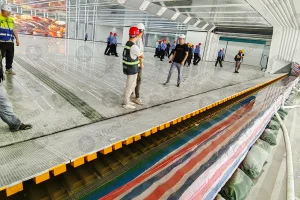
100% of barrier designs undergo static water head testing, dynamic uplift validation, and seal leakage rate verification in factory test pools before container loading.
Modular connecting leaf arrays enable barrier configurations for wide driveway spans exceeding 20 meters, maintaining structural stability without central posts.
Nanjing Junli Technology Co., Ltd. provides direct wholesale exports, engineering design support, BIM/CAD CAD embedment templates, and comprehensive installation documentation for Indian EPC contractors, civil engineers, and facility developers. Through optimized logistics routes to JNPT (Jawaharlal Nehru Port Trust, Mumbai), we ensure timely factory-direct delivery, customs-compliant documentation, and competitive wholesale pricing structures.
Detailed technical responses for specifiers, consultants, and procurement managers in the Mumbai market.
The flood barrier relies strictly on water buoyancy and hydrostatic head pressure. As floodwaters enter the stainless steel bottom chamber embedded at the driveway threshold, the buoyant force automatically lifts the hinged panel. As the water level rises, water pressure forces the panel against the side seals. No electrical power, hydraulic motors, sensors, or manual triggers are required.
Yes. The bottom embedded frame chamber is designed with integrated silt sediment traps and quick-access flush plates. Standard maintenance involves inspecting and cleaning the internal chamber post-monsoon. The mechanical buoyancy mechanism remains operational even in muddy water conditions due to its high displacement design.
Standard unit panel heights range from 0.5m to 2.0m retaining heads. Clear widths can be customized from single 2-meter openings up to 20+ meter multi-panel continuous modular arrays for wide industrial gates or underground parking ramps.
For retrofit projects, a narrow trench is excavated across the entrance threshold to accommodate the embedded bottom frame, connected to the local storm drainage line. We supply full civil embedment drawings, rebar layout specs, and step-by-step guidance for local contractors.
Factory-direct wholesale catalogue for commercial basements, metro transit stations, and utility substations.