
Direct-from-factory hydrodynamic flood defense systems engineered for underground rail access points, station concourses, and critical urban portals across Portugal.
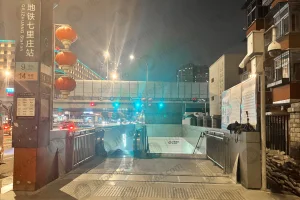
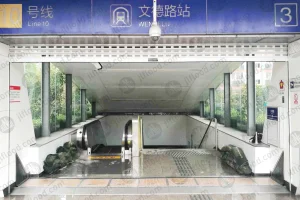
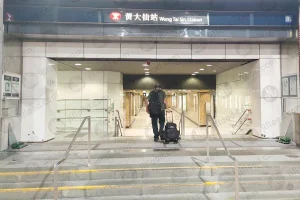
As Portugal faces intensified climate variability—ranging from severe Atlantic atmospheric rivers to coastal tidal surges—metropolitan transit networks such as Metropolitano de Lisboa (Linha Amarela, Verde, Vermelha, and the Circular Line Expansion) and Metro do Porto (Linha Rosa and Linha Rubi) require advanced flood mitigation frameworks.
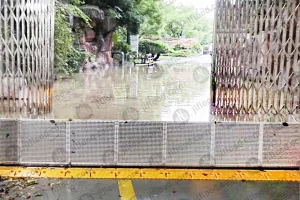
Portugal’s major urban centers feature steep topographies draining into low-lying estuaries—specifically the Tagus River in Lisbon and the Douro River in Porto. Extreme precipitation events, combined with high sea levels during spring tides, regularly generate flash floods in Lisbon’s Baixa, Alcântara, and Avenida da Liberdade districts, posing severe inundation threats to underground pedestrian tunnels, escalators, and rail tunnels.
In adherence to the EU Floods Directive (2007/60/EC) and national civil protection mandates overseen by the Portuguese Environment Agency (APA - Agência Portuguesa do Ambiente), municipal transit agencies must integrate passive resilience systems. Passive automatic flood barriers eliminate human operational dependencies, ensuring structural asset protection even during grid failures caused by severe storms.
Traditional flood defense in metro systems relied on manual aluminum dam boards or electrically powered vertical lift gates. Both exhibit critical failure points during real-world typhoon or torrential flood events due to localized power grid blackouts or human absence.
| Evaluation Parameter | Junli Hydrodynamic Passive Barrier | Motorized/Electric Flood Barrier | Manual Aluminum Stop-Logs |
|---|---|---|---|
| Power Dependence | Zero Power Required (Buoyancy Driven) | Requires AC Power / Generator Backup | Manual Installation Required |
| Activation Mechanism | Automatic hydrodynamic self-rising | Sensor / Remote Electric Motor | Human labor deployment |
| Response Velocity | Lifts instantly upon water influx (<30 sec) | 1 - 5 Minutes (subject to power) | 30 - 120 Minutes (High Risk) |
| Maintenance Profile | Minimal (Annual seal check & debris clean) | High (Motor, wiring, control panels) | Medium (Storage & degradation) |
| Pedestrian / Vehicle Traffic | Flush embedded, 100% flat surface | Ramp obstruction or threshold bump | Requires manual placement |
| Design Service Life | 20+ Years (304/316 Stainless + Marine Al) | 8 - 12 Years (Mechanical wear) | 10 - 15 Years |
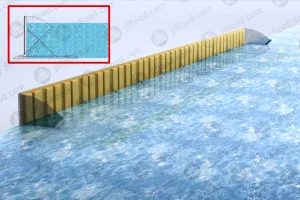
As surface runoff flows into the bottom stainless steel embedded pit, the structural air chambers inside the barrier panel generate high hydrodynamic buoyancy. The panel hinges upward automatically without needing human monitoring.
Rising floodwaters apply direct pressure against the front face of the elevated gate panel. Higher hydrostatic head creates stronger contact against side frame seals, establishing an impenetrable barrier.
Once stormwaters recede through municipal drainage network channels, trapped water within the embedded basin drains out via side weep-holes, returning the barrier panel flush into the pavement ground frame.
For international procurement teams, civil engineering contractors (such as Mota-Engil, Teixeira Duarte, or Acciona working on Portuguese transit contracts), sourcing directly from Nanjing Junli Technology delivers exceptional quality-to-cost ratios backed by heavy industrial capability.
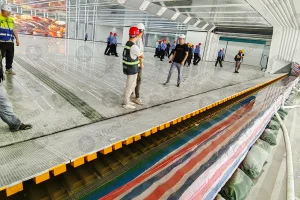
Unlike trading intermediaries, Junli maintains a dedicated, full-scale hydraulic testing pool. Every batch of metro flood barriers undergoes rigorous 100% water tightness testing, dynamic water pressure deflection simulation, and seal fatigue testing before export packing. Test videos and third-party inspection certificates (SGS/TÜV) are provided per project batch.
Metro stations exhibit diverse opening geometries, ranging from narrow 1.8m pedestrian staircase portals to 25m wide multi-lane underground logistics ramps. Junli engineers provide customized CAD/BIM civil embedment drawings matching Portuguese architectural norms, including EN 1991 structural loading requirements (up to D400 heavy vehicle wheel ratings).
Given the coastal salinity in Lisbon, Porto, Setúbal, and Faro, Junli constructs metro barriers using high-grade T6063-T6 extruded aluminum profiles, structural SUS304 or SUS316 stainless steel housings, and aging-resistant EPDM rubber gaskets capable of enduring saltwater spray, ambient UV exposure, and heavy urban wear for decades.
Operating out of our Nanjing manufacturing hub, Junli offers direct factory wholesale pricing, rapid prototype turnaround times, and bulk containerized export shipping. Portuguese contractors achieve up to 40% capital budget savings compared to regional European assembly vendors while securing superior technical features.
Junli flood protection gates are engineered to safeguard multiple urban infrastructure node types across Portugal's public and private sectors.
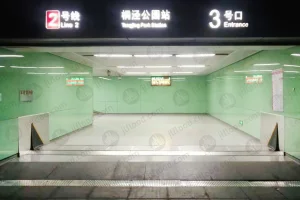
Protecting underground passenger transit concourses at station portals in Metropolitano de Lisboa and Metro do Porto. Barriers lay flush with pedestrian paving, preventing tripping hazards during dry operations.
Deployable at subterranean parking ramps of commercial facilities, shopping centers (e.g., Colombo, NorteShopping), and residential complexes vulnerable to urban runoff overflow in Lisbon, Porto, and Coimbra.
Protecting high-voltage power substations and cable trenches operated by E-Redes and REN. A flood inside a metro power substation causes widespread multi-line transit shutdowns; Junli gates block water at the outer wall perimeter.
Browse our wholesale production line available for deployment across transit contracts, municipal infrastructure, and commercial engineering projects in Portugal.
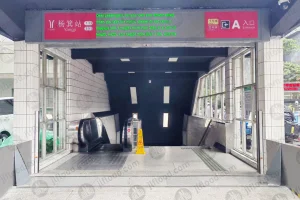
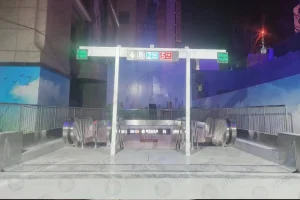
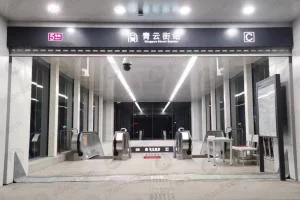
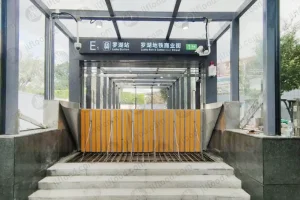
Detailed answers to technical, logistical, and compliance questions regarding importing Junli flood barriers into Portugal and the European Union.
Junli hydrodynamic barriers utilize basic hydrostatic physics. The barrier panel is housed inside an embedded stainless-steel bottom basin flush with the road level. When floodwater reaches the entrance, it flows through top inlet grates into the basin. Air chambers inside the panel create immediate buoyancy, forcing the gate panel to pivot upwards automatically. As the water level rises, forward hydrostatic pressure presses the panel tightly against side frame rubber seals, establishing an IP68-rated seal without sensors, motors, or external electricity.
Yes. Our barriers are designed in accordance with relevant Eurocode standards, including EN 1990 (Basis of Structural Design) and EN 1991 (Actions on Structures). Driveway-installed models are tested for heavy vehicular loads up to EN 124 Class D400 (40-ton static load), ensuring heavy buses, maintenance trucks, and fire appliances can drive over embedded panels safely during daily transit operations.
Standard manufacturing lead times range from 15 to 25 calendar days depending on custom dimensions and structural span requirements. Ocean freight transit from Ningbo/Shanghai ports to Port of Lisbon or Port of Leixões (Porto) typically takes 28 to 35 days. Express manufacturing options are available for urgent civil infrastructure emergency works.
Absolutely. We manufacture both embedded-type barriers (ideal for new construction or deep station revamps) and surface-mounted barriers. Surface-mounted models require minimal trench excavation, bolting directly onto existing concrete slabs and kerbs, making them ideal for heritage metro stations in central Lisbon (e.g., Baixa-Chiado, Rossio) where deep ground excavation is restricted.
Because there are no electrical motors, hydraulic pumps, or complex electronic sensors, maintenance is exceptionally minimal. We recommend semi-annual visual inspections to clear leaves or municipal sediment from the bottom drainage basin and flushing side weep-holes with water. EPDM rubber seals should be inspected annually and typically last 10-15 years before easy field replacement.
Our engineering team provides comprehensive engineering support packages, including 2D DWG detail drawings, 3D BIM models (Revit format), structural stress calculation reports, foundation concrete pouring specifications, and bilingual (English/Portuguese) installation manuals for tender integration.
Submit your entrance opening dimensions, flood height parameters, or civil tender requirements. Our senior engineering team will deliver a comprehensive proposal and factory-direct quote within 24 hours.
Send Inquiry Now

