


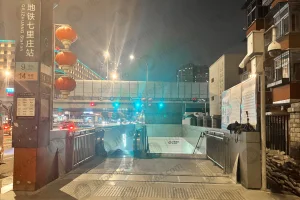

Certified hydro-buoyancy flood protection systems ready for Swiss transport infrastructure specifications. Zero manual intervention required during flash floods or heavy snowmelt runoffs.
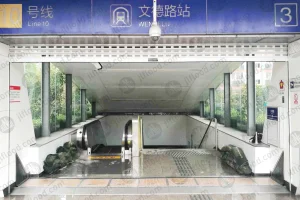
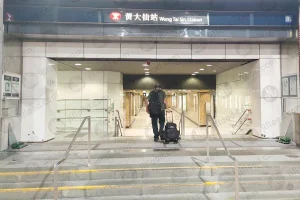
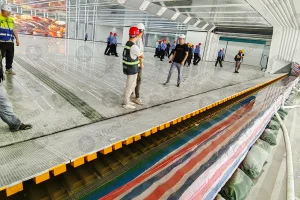
Switzerland’s unique alpine topography, combined with accelerating climate shifts, creates an unprecedented hydro-meteorological hazard profile for urban underground assets. While Switzerland is celebrated for world-class civil engineering—such as the SBB rail network, Zurich’s subterranean passages, the Lausanne Metro (m2/m3), and Basel’s multi-modal transit hubs—recent micro-burst rainfall events (pluvial surface flooding) and sudden alpine rain-on-snow incidents have exposed major vulnerabilities in sub-surface access points.
In high-density Swiss urban centers like Zurich, Geneva, Bern, and Lucerne, a single flooding event at a metro entrance, pedestrian underpass, or power substation can cause tens of millions of Swiss Francs (CHF) in direct equipment destruction and secondary business disruption. Traditional flood defense mechanisms—such as manual aluminum stop-logs or electrically operated flood gates—frequently fail when intense summer thunderstorms trigger flash floods within minutes or when local power grids black out.
Swiss structural and civil engineering standards (governed by the Swiss Society of Engineers and Architects - SIA 261 action on structures) demand ultimate reliability, minimal life-cycle maintenance, and fail-safe autonomy. Junli’s Hydrodynamic Automatic Metro Flood Barriers operate completely without electricity, sensors, human monitoring, or hydraulic oil systems. Utilizing pure fluid dynamics and Archimedes' principle of buoyancy, incoming floodwaters automatically trigger the barrier to rise, forming an impenetrable hydrostatic wall within seconds.
Engineered specifically for Alpine winter conditions. Built with high-grade AISI 316L (EN 1.4404) stainless steel frame components and hydrophobic EPDM dynamic gaskets capable of withstanding heavy road salt exposure and sub-zero freeze-thaw cycles without degradation.
Standard units accommodate heavy maintenance vehicles and emergency transit buses with axle-load ratings up to 28 Metric Tons (SLW60 vehicle loading specs). Panels sit completely flush with kerb level when retracted, ensuring zero trip hazard for pedestrians.
While activation is 100% mechanical and autonomous, embedded micro-switches can interface directly with Swiss municipal smart-city SCADA control centers, triggering automated alerts, station closure alarms, and pump station telemetry.
A direct structural and operational comparison evaluating total cost of ownership (TCO), life-cycle reliability, and response latency for underground civil engineering projects.
| Evaluation Parameter | Junli Hydrodynamic Barrier | Aluminum Demountable Logs | Electro-Hydraulic Gates | Inflatable Water Barriers |
|---|---|---|---|---|
| Power Dependence | 0% (Pure Water Buoyancy) | 0% (Manual Labor) | 100% (High Risk during Blackout) | 100% (Requires Air Compressors) |
| Activation Speed | < 0.1s Water Response | 30 - 90 Minutes (Manual Assembly) | 15 - 45 Seconds (Motorized) | 15 - 30 Minutes (Inflation Time) |
| Labor Requirement | Zero Staff Needed | 4 - 8 Trained Personnel Required | 1 Operator or Automated Signal | 2 - 4 Technicians Required |
| Swiss Winter Salt Tolerance | High (AISI 316L / EPDM Seals) | Moderate (Galvanized / Aluminum Corrosion) | Low (Hydraulic Valve Freezing Risk) | Low (Rubber Embrittlement) |
| Underground Footprint | Flush Ground Level Integration | Requires Dedicated Storage Racks | Requires Above-Ground Motor Housings | Requires Storage Depot |
| 20-Year Life Cycle TCO | Lowest (Zero Standby Energy) | High (Ongoing Labor & Storage Costs) | High (Electric Motor & Fluid Service) | Moderate (Frequent Replacement) |
Junli Technology provides OEM, EPC contractor, and direct municipal pricing structures customized for Swiss engineering tenders, architectural specifications, and bulk infrastructure orders.
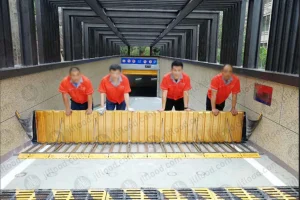
Designed for standard 1.5m to 4.0m pedestrian metro station entrance widths. Features modular stainless steel embedding frames, automatic hydrodynamic panels (retaining height 600mm - 1200mm), and anti-slip drive plates.
Multi-leaf mechanical arrays designed for underground parking ramps, subterranean logistics centers, and broad metro depot access roads spanning 5.0m up to 24.0m wide.
Final FOB/CIF pricing for Switzerland (destinations including Basel Rhine Port, Zurich Airport freight hub, or Geneva transport depots) is determined by: (a) Clear span width & design retaining water height; (b) Metallurgical grade selection (Standard SUS304 vs. Marine/De-icing Grade SUS316L); (c) Integrated IoT sensor telemetry requirements; and (d) Structural load rating (Pedestrian vs. Heavy Commercial Vehicle).
Custom engineered deployment configurations tailored for public infrastructure authorities, private transport operators, and commercial real estate developers in Switzerland.
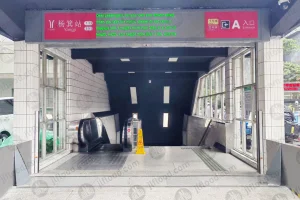
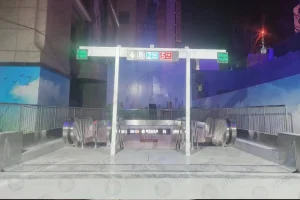
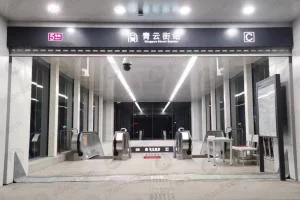
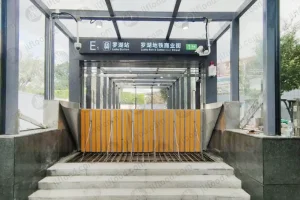
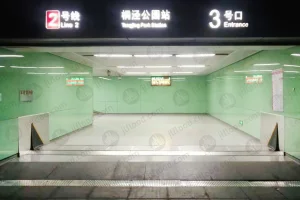
Protecting high-footfall entrances of subterranean rapid transit lines. When extreme rainfall overwhelms surface gutters, water entering the trench instantly lifts the embedded door leaf, safeguarding lower concourses, signaling rooms, and high-voltage traction substations.
Explore Metro Line Solutions →Swiss utility providers (such as CKW, EWZ, BKW) rely on uninterrupted grid stability. Ground-level cable trenches and equipment room doorways fitted with Junli barriers block catastrophic water ingress into critical transformer cells.
Explore Substation Protection →Flush-mounted driveway installations for multi-story basement car parks in Swiss commercial buildings. Vehicles drive smoothly across the high-strength aluminum top panel daily with zero disturbance to normal traffic flow.
Explore Garage Barrier Options →Review all project-proven flood protection gate models, including connection channel units, specialized heavy-duty variants, and real-water tested barrier configurations.
As extreme weather events become more frequent across Europe, Junli Technology continues to pioneer advanced hydrodynamic materials, IoT integration, and zero-emission structural designs.
Integrating ultra-light carbon-reinforced polymers with marine-grade 316L stainless steel core structures. This decreases panel weight by 35% while increasing structural flexural strength, allowing even faster activation during extreme hydraulic surges.
Integrating local rain-gauge IoT networks directly with barrier status sensors. Municipal authorities in Switzerland can monitor barrier engagement in real time via cloud dashboards, ensuring rapid dispatch of emergency personnel if required.
All Junli barriers feature 100% recyclable structural metallic alloys and non-toxic EPDM sealing systems, fulfilling stringent European Green Procurement standards and environmental regulations enforced in the Swiss Confederation.
Clear answers regarding installation, SIA compliance, delivery, wholesale pricing, and winter maintenance for projects in Switzerland.
The flood barrier is installed inside a recessed concrete foundation frame flush with ground level. When rising surface water flows into the chamber, internal buoyancy tanks and hydrostatic leverage automatically raise the door panel to block the opening. The system requires zero external electricity, zero sensors, and zero manual activation—making it 100% fail-safe during severe weather blackouts.
For Swiss projects, we offer premium AISI 316L (EN 1.4404) stainless steel embedded frames combined with de-icing salt resistant EPDM triple dynamic seals. The bottom foundation pit features built-in self-draining gutters and optional low-wattage heating trace channels to prevent ice formation inside the basin during extreme winter freeze-thaw cycles.
For embedded models, civil contractors construct a shallow reinforced concrete trench according to Junli’s structural template drawings. The unit is placed, leveled, connected to the local drainage outlet, and grouted into place. Surface-mounted retrofit options are also available for existing assets where excavation is restricted.
Every shipment includes complete English/German engineering documentation: factory hydrostatic seal test certificates, mill test certificates (MTC) for stainless steel grades, CAD structural embedded drawings, installation operation manuals, and warranty certifications compliant with European standards.
Standard modular sizes ship within 14 to 21 business days. Custom engineered multi-leaf wide-span units typically ship within 30 days. We provide sea freight to major European ports (such as Rotterdam, Antwerp, or Basel Rhine Port) or direct air-freight options to Zurich Airport (ZRH) for urgent infrastructure tenders.