Direct factory engineering solutions, customizable frame profiles, and field-tested hydrodynamic automatic flood gates engineered for zero-power rapid deployment.
Urbanization, changing micro-climates, and extreme precipitation events have transformed flood protection from a secondary building maintenance item into a primary C-suite risk mitigation strategy. Municipalities, asset managers, and industrial conglomerates now demand automated, zero-human-intervention flood barrier systems to safeguard high-value underground assets.
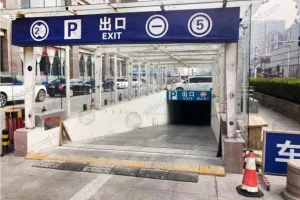
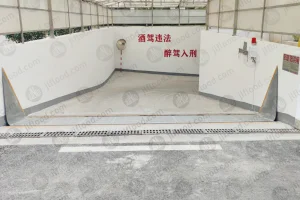
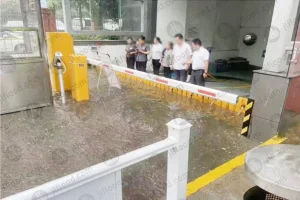
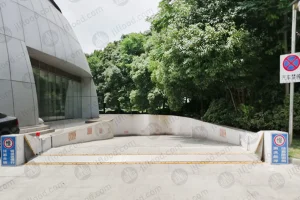
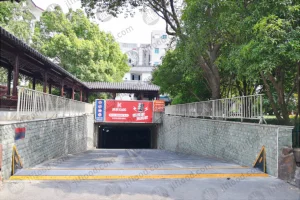
Subterranean parking structures represent severe financial liabilities during flash floods. Traditional manual aluminum slot-in boards often fail due to delayed human deployment during off-hours. Inflatable and dynamic buoyancy-driven barriers provide automatic deployment without manual intervention.
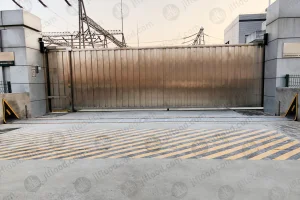
Electrical transformers, switchgear rooms, and cable trenches require absolute water tightness. A single flooding incident can cause localized grid blackouts, multi-million dollar equipment replacement costs, and severe regulatory fines. Water barriers designed for substations feature specialized EPDM oil-resistant and fire-retardant elastomeric seals.
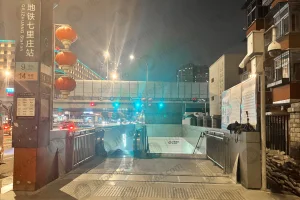
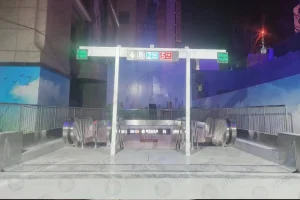
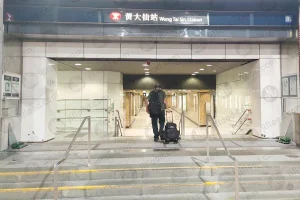
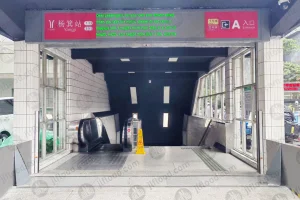
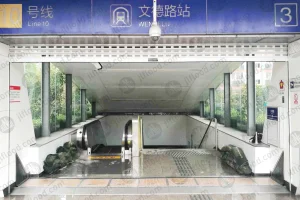
Mass transit underground station entrances, ventilation shafts, and connection corridors present massive clear-span barrier challenges. Inflatable rubber dam technologies and embedded hydrodynamic barriers permit wide vehicle/pedestrian clearance without obstructing daily commuter traffic.
Selecting the correct flood mitigation technology requires a precise evaluation of hydraulic head pressure, structural clear span, power dependency, and maintenance schedules. Below is an engineering comparison between modern industrial flood protection systems.
| Performance Dimension | Hydrodynamic Self-Rising Barrier | Pneumatic Inflatable Rubber Dam | Manual Modular Aluminum Panel |
|---|---|---|---|
| Power Requirement | 100% Passive (Water Buoyancy Powered) | Pneumatic Compressor / Air Tank | Manual Human Labor |
| Deployment Time | Instantaneous (< 0.5 sec upon water ingress) | 2 to 5 Minutes (Automated Inflation) | 30 to 90 Minutes (Labor Dependent) |
| Max Retaining Height | Up to 2.0 Meters per Leaf | Up to 3.5 Meters Continuous | Up to 1.5 Meters (Stackable) |
| Drive-Over Load Capacity | AASHTO HS20 / Heavy Truck (30-50 Tons) | Flexible Recessed Cavity Clearance | Requires Removal of Threshold Rails |
| Maintenance Profile | Bi-annual Chamber Cleanout | Annual Compressor & Pressure Test | Storage Inspection & Seal Replacement |
| B2B Price Point Range | Medium to Premium CAPEX / Near-Zero OPEX | Competitive Mid-Scale CAPEX | Low Initial CAPEX / High Operational Risk |
Our inflatable and automatic barrier panels utilize high-tensile vulcanized EPDM/TPU coated synthetic fabrics combined with 6063-T6 marine-grade extruded aluminum structural frames. The inflatable bladders feature multi-layer reinforcement against puncture, ozone degradation, and oil exposure, achieving a tensile strength exceeding 4500 N/5cm and operational stability across temperatures from -40°C to +80°C.
Different infrastructure environments present distinct architectural interfaces. Our manufacturing facility in Nanjing supplies engineered flood control kits tailored to specific structural parameters.
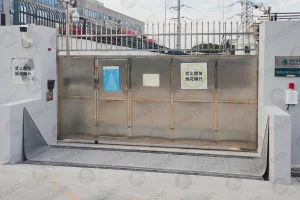
Specifically developed for utility perimeter gates. Features low-profile threshold embedment to allow uninterrupted access for heavy machinery, transformers, and service vehicles. Integrates with substation SCADA systems to trigger early visual alerts while maintaining automatic mechanical self-closing mechanisms.
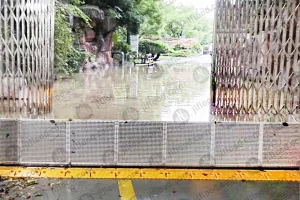
Widely deployed across major metro systems including Guangzhou, Suzhou, Beijing, and Hong Kong rail networks. Surface-mounted or embedded type flood barriers deploy quickly during extreme typhoons, preventing surface runoff from entering underground concourses and train tunnels.
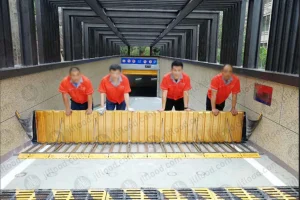
Flush installation ensures daily drive-over capability without vibration or noise. When torrential rain overwhelms municipal drainage systems, rising floodwaters enter the bottom catchment tray, automatically lifting the panel through hydrostatic buoyancy to seal the ramp access completely.
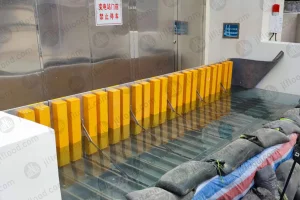
Procurement directors cannot risk infrastructure defense on theoretical computer designs. Every Junli flood barrier engineering design undergoes mandatory full-scale water retention testing in our factory hydro-testing pool prior to order fulfillment.
Target Seepage Rate (L/min/m) Under Maximum Water Head Pressure
Non-Destructive Weld & Seam Inspection for Structural Assemblies
ISO9001 Quality Management & ISO14001 Environmental Compliance
Global Patent Portfolio Covering Hydrodynamic & Sealing Innovations
During extreme storm events such as Typhoon Bebinca, installed Junli hydrodynamic gates across eastern China successfully blocked urban flood surges without external power or personnel intervention. Factory witness testing records, material certificates (EN 10204 3.1), and operational video footage are provided with every batch export shipment.
Inflatable flood barriers and automatic self-closing gates are engineered-to-order infrastructure products. Understanding the pricing factors allows project managers to optimize overall Project CAPEX while ensuring compliance with local flood codes.
Unit pricing scales based on standard structural modules. Standard retaining heights range from 0.5m to 2.0m. Single clear spans up to 6 meters are standard; modular multi-leaf arrays with removable intermediate posts accommodate span widths exceeding 30 meters.
Base structural components utilize high-grade anodized aluminum alloys or 304/316 stainless steel for aggressive coastal environments. Inflatable components feature heavy-duty chlorosulfonated polyethylene (CSPE) or EPDM polymers, adjusting base costs by 15-30% depending on chemical resistance needs.
While base hydrodynamic barriers operate 100% passively, optional smart city integrations (IoT water-level telemetry, remote manual overrides, status feedback sensors, visual/audible alarms) add electronic control panels to the bill of materials.
Explore specialized models for subway lines, wide-entry substations, commercial garages, and automated power-free flood barriers.
Detailed technical answers addressing mechanical operation, civil works preparation, international shipping compliance, and maintenance requirements.
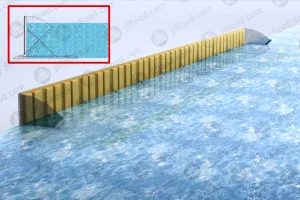
Hydrodynamic barriers operate using pure fluid hydrostatics and dynamic buoyancy principles. As surface water flows into the bottom recessed frame, water enters the internal float chamber. The natural buoyancy of the engineered panel, combined with the pressure head of the incoming water, mechanically pivots and raises the barrier into its locked vertical position. No pumps, electrical sensors, battery backups, or human operators are required.
Standard embedded garage and entrance barriers are engineered to exceed AASHTO HS20-44 and heavy industrial traffic loading standards (axle loads up to 30 tons). The top drive-over cover plate is manufactured from reinforced 6063-T6 aluminum alloy or structural steel with anti-slip tread patterning, ensuring long-term structural integrity without deformation.
For embedded installation, contractor teams prepare a concrete trench based on our structural CAD templates. The trench must be level, reinforced with rebar according to site specs, and include a bottom drainage pipe connection (typically DN50 or DN100) linked to the site sump pit to drain residual rain. Surface-mounted options are also available for retrofit projects where slab cutting is restricted.
Pneumatic inflatable barriers require an annual check of the air compressor system, pressure relief valves, and rubber surface condition. Bladders are treated with anti-UV and anti-ozone elastomeric coatings. In typical ambient conditions (-30°C to +70°C), our heavy-duty synthetic rubber compounds maintain a design service life of 15 to 20 years.
Yes. Our in-house engineering team provides complete technical submittal packages within 48 hours, including DWG/BIM drawings, civil interface details, structural load calculations, and localized acceptance test procedures for architectural specification write-ups.
All export orders are packed in heavy-duty IPPC-certified wooden crates with internal waterproof vapor wrapping. Documentation includes Certificate of Origin (Form E, CO, etc.), Factory Inspection Reports, Material Test Certificates, and Comprehensive Installation Manuals in English.
Contact Nanjing Junli Technology Co., Ltd. today to consult with our Senior Technical Engineering Team, request custom site drawings, or obtain factory-direct wholesale pricing.