
Direct factory-engineered modular hydrodynamic gates, embedded frames, and automatic underground protection arrays field-tested across top-tier transit networks.
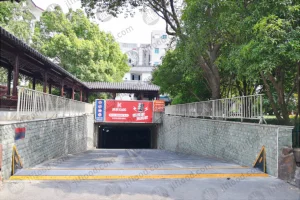

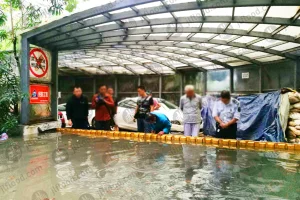
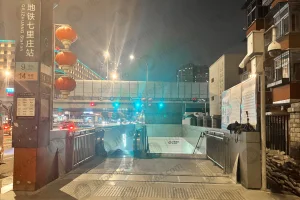
Rapid urbanization combined with extreme precipitation events triggered by climate change has exposed critical vulnerabilities in mass rapid transit (MRT) systems worldwide. Metro stations, sub-grade connection channels, and underground railway concourses act as giant sinks during flash floods and cloudburst events. When surface water breaches station thresholds, catastrophic inundation occurs within minutes, causing loss of human life, complete destruction of signaling equipment, traction power sub-stations, and rolling stock.
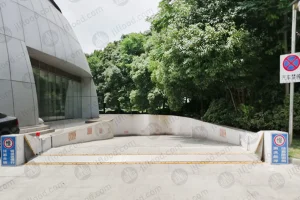
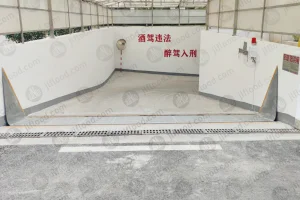
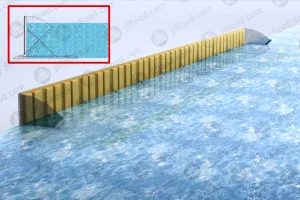
The Embedded Flood Control System for Metro engineering paradigm shifts the strategy from active human intervention to passive mechanical hydro-autonomy. Installed completely flush with the finished floor level at station portals, connection channels, or ventilation shafts, the embedded system seamlessly allows daily pedestrian flow and emergency transit vehicles to pass unobstructed. Upon ambient water accumulation, the physics of buoyancy and hydrostatic pressure automatically raise the heavy-duty barrier leaf to seal the station entrance against catastrophic water ingress.
Engineering a flood gate for high-density public transport infrastructure demands strict adherence to civil load limits, hydraulic sealing standards, and structural longevity. Nanjing Junli Technology Co., Ltd. has developed the Hm4e and Hm4d series embedded hydrodynamic gates specifically to meet metro authority civil design codes.
Constructed from heavy-gauge hot-dip galvanized steel or AISI 316 stainless steel frame embedded directly into the civil floor slab. Integrated with high-capacity bottom drainage gutters to handle minor splash water without premature deployment.
Engineered with low-density high-rigidity structural aluminum alloys or composite core panels. When water fills the recessed chamber, buoyancy forces lift the panel edge, rotating on self-lubricating stainless steel hinges.
Utilizes automotive-grade vulcanized EPDM rubber gaskets combined with inflatable or hydrostatic pressure lip seals along the bottom and vertical side-wall guide columns to guarantee zero-leakage performance under max design head.
As water level rises against the deployed vertical panel, the hydrostatic pressure head forces the gate leaf into tight mechanical contact against structural stops, creating a tighter seal as flood severity increases.
| Technical Parameter | Embedded Hydrodynamic System (Hm4e) | Surface Mounted Automatic System (Hm4d) | Manual Modular Stop-Log System |
|---|---|---|---|
| Power Dependency | 0% (100% Passive Hydrodynamic) | 0% (Passive Hydro-Buoyant) | Manual Human Labor Required |
| Response Trigger Time | Immediate (< 3 seconds upon chamber inflow) | Immediate (< 5 seconds) | 30 to 120 Minutes (Deployment Delay) |
| Standard Retaining Height | 600 mm – 2000 mm (Customizable) | 500 mm – 1500 mm | 400 mm – 1200 mm |
| Pedestrian / Vehicle Traffic Interface | 100% Flush Level Floor (Zero Trip Hazard) | Ramped Surface Drive-over Kerb | Obstructive Surface Anchors |
| Structural Load Rating | EN 124 Class D400 / E600 (Up to 60T) | Class C250 (Up to 25T) | Non-Load Bearing (Pedestrian Only) |
| Primary Material Construction | AISI 316L / 6061-T6 High-Strength Aluminum | AISI 304 Stainless Steel Frame | Extruded Aluminum Hollow Beams |
| Sealing Efficacy (Leakage Rate) | ≤ 0.05 L/hr per meter length (Exceeds Standard) | ≤ 0.10 L/hr per meter length | Variable (Dependent on Seal Degradation) |
Procuring embedded metro flood defense systems directly from specialized Chinese industrial manufacturers like Junli Technology delivers distinct capital expenditure (CAPEX) and technical benefits to municipal authorities, international contractors, and EPC procurement executives.
Nanjing serves as an advanced manufacturing node with immediate access to raw material refining (stainless steel extrusion mills, specialized rubber vulcanization plants, and precision laser cutting hubs). This spatial concentration reduces raw component logistics costs by up to 35% compared to European or North American fabricators.
Unlike trading companies or outsourced assemblers, Junli maintains a full-scale hydrodynamic water-testing pool in Nanjing. Every single embedded frame and leaf assembly undergoes full hydrostatic pressure head testing and seal verification prior to export packing.
Having supplied flood protection for over 30 Chinese subway networks (including Guangzhou, Beijing, Suzhou, Nanjing, Hong Kong, and Dalian), our engineering templates cover almost every structural trench configuration, reducing custom CAD drafting lead times to under 48 hours.
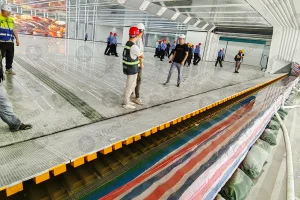
Engineering integrity demands physical evidence. Junli Technology validates every barrier design in simulated typhoon flood conditions inside our specialized testing pool facility. Watch the hydrodynamic self-rising mechanism react in real-time under water pressure without electrical power.
Our embedded and surface-mounted flood protection barriers are protecting critical infrastructure across urban centers subject to severe typhoon landfalls and seasonal monsoon deluges.
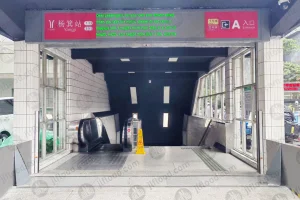
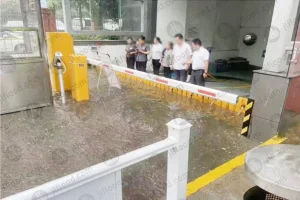
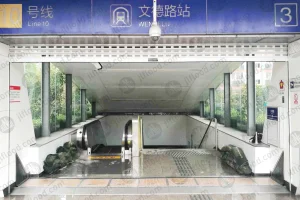
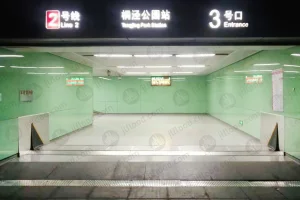
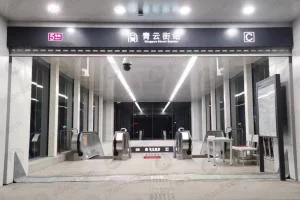
Installed across multiple high-risk station entrances including Yangji Station. During record rainstorms, Junli embedded hydrodynamic gates automatically deployed, blocking incoming surface runoff and saving critical underground electrical distribution gear.
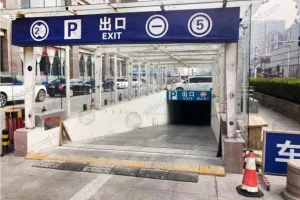
Custom multi-leaf embedded arrays deployed at connection channels exposed to coastal surge water. Features specialized heavy-duty top plates designed to withstand continuous bus and emergency service transit vehicle crossing.
Integration of embedded automatic barriers at subterranean shopping mall pedestrian portals. Zero floor lip threshold ensures ADA-compliant access during normal operation while guaranteeing IP68 flood protection.
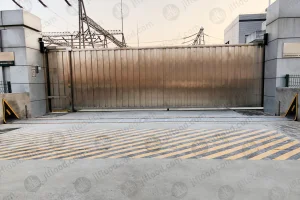
Protection of critical power transformers and high-voltage distribution switch rooms. Prevents district-wide grid blackouts caused by flash floods entering underground cable trenches and transformer bays.
When requesting a formal quotation or tender estimate for an Embedded Flood Control System for Metro, several engineering factors influence the final FOB/CIF unit cost. Understanding these elements enables project engineers and quantity surveyors to optimize budget allocations.
| System Type / Model Range | Estimated Cost Range (USD / Linear Meter) | Key Cost Drivers & Material Options | Typical Lead Time |
|---|---|---|---|
| Hm4e Embedded Hydrodynamic Metro Gate | $1,200 – $2,800 / m | AISI 316L stainless steel embedment frame, heavy axle rating (D400/E600), customized retaining height (0.6m - 1.8m), continuous rubber matrix. | 15 – 25 Days |
| Hm4d Surface-Mounted Automatic Gate | $850 – $1,900 / m | AISI 304 frame, lightweight marine-grade leaf, drive-over ramp transitions, standard retention up to 1.2m. | 10 – 20 Days |
| Lightweight Flip-Up Entrance Barrier | $450 – $950 / m | Pedestrian doorway application, modular latching system, aluminum alloy construction, manual or gas-assist flip-up. | 7 – 14 Days |
| Substation Cable Trench Barrier | $600 – $1,400 / m | Dielectric isolation coatings, compact frame embedment, specialized fire-retardant EPDM seal profiles. | 10 – 18 Days |
Clear engineering answers addressing technical feasibility, maintenance intervals, and site preparation for transit consultants and project directors.
Explore our complete range of tested surface, embedded, and automatic flood barrier configurations for critical infrastructure facilities.
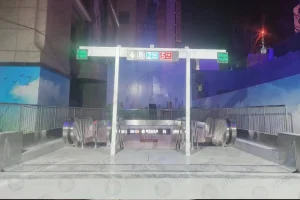
Whether you are drafting civil engineering specifications for a new subway expansion, retrofitting an operating transit portal, or procuring hydro-buoyant gates for sub-station protection, Nanjing Junli Technology delivers verified engineering excellence, competitive factory pricelists, and complete CAD embedment support.


