Explore primary hydrodynamic automatic flood gates, subway entrance barriers, and heavy-duty substation door dams engineered for municipal, commercial, and industrial flood mitigation.
As climate volatility accelerates worldwide, urban flash flooding, extreme precipitation events, and storm surges present unprecedented operational threats to commercial real estate, underground transit networks, and critical power infrastructure.
Traditional manual sandbags and drop-in aluminum stop logs fail during rapid inundations or nighttime outages. Global civil asset owners are rapidly mandating hydrodynamic power-free automatic flood gates that deploy mechanically without human intervention or electrical power.
Global building regulations—such as EN 13564 and FM 2510 flood protection standards—increasingly require structural perimeter flood barriers for underground car parks, metro line access shafts, and power substations to prevent catastrophic multi-million dollar asset losses.
Rapid urban urbanization has expanded subterranean space usage. Underground shopping malls, civil defense corridors, subways, and multi-tier basements require automated door dams integrated seamlessly with vehicle driveways and pedestrian thresholds.
Understanding how passive automatic flood doors operate under extreme hydro-static dynamic conditions without reliance on sensors, electric motors, or emergency backup generators.
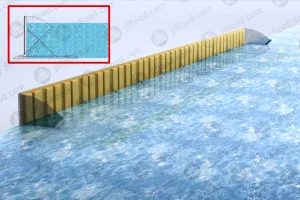
The foundation of hydrodynamic automatic flood barriers lies in fluid mechanics. The barrier door panel rests flush inside a recessed sub-grade stainless steel ground chamber during dry conditions. Vehicles and pedestrians pass over the reinforced top plate unhindered.
Water-tight integrity depends on dual-durometer EPDM (Ethylene Propylene Diene Monomer) rubber seals designed for extreme weather exposure and marine environment longevity.
| Flood Protection System | Activation Mechanism | Blackout Reliability | Maintenance & Labor | Vehicle Traffic Impact |
|---|---|---|---|---|
| Hydrodynamic Auto Gate (Junli Standard) | 100% Water Buoyancy Powered | 100% Fail-Safe (No Power Needed) | Zero Manual Labor / Annual Visual Check | Flush Recessed / Drive-over 60T |
| Removable Aluminum Demountable Barrier | Manual Human Assembly | High Risk (Human Error/Absence) | High Staging & Manual Bolt-down Labor | Requires Manual Storage & Setup Time |
| Electro-Hydraulic Automated Gate | Motor / Hydraulic Pump System | Requires UPS Backup / Motor Fail Risk | High (Hydraulic Fluid/Electric Sensors) | Surface Bump or Shallow Trench |
| Manual Flip-Up Barrier | Manual Winch / Lever Operation | Requires On-Site Staff Deployment | Moderate Manual Inspection | Hinged Threshold Obstruction |
Why international engineering EPC contractors, municipal authorities, and commercial developers procure flood barrier door dams directly from specialized Chinese industrial hubs like Nanjing Junli Technology Co., Ltd.
China's Yangtze River Delta industrial belt provides direct access to high-grade structural aluminum extrusions (6063-T6, 6061-T6) and marine-grade stainless steel (304/316). Raw material integration minimizes lead times and eliminates supply bottlenecks.
Unlike trading resellers, premier Chinese manufacturers own 1:1 scale hydraulic test basins. Every manufactured flood door panel undergoes real water pressure holding, deflection measurement, and sealing validation prior to export packing.
Whether engineered for single clear spans up to 6.0 meters or modular continuous installations extending over 50 meters, Chinese factory CAD/BIM teams deliver embedded frame drawings, structural calculations, and custom load-bearing modifications within days.
Tailored flood barrier architectural configurations engineered for specific high-risk subterranean urban ingress points.
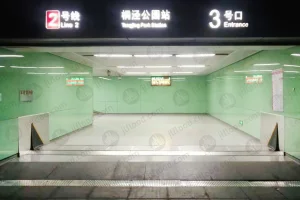
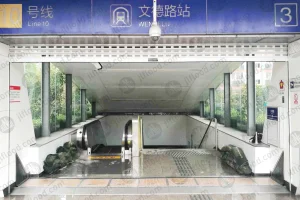
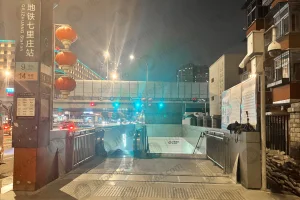
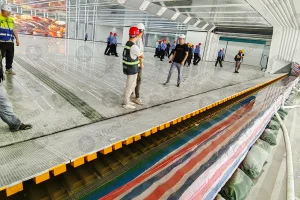
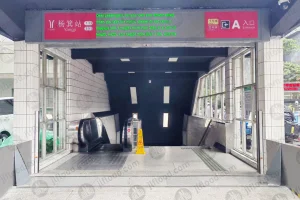
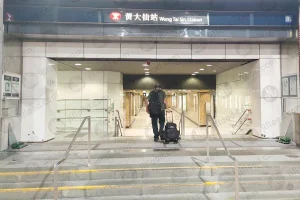
Metro entrance portals, ventilation shafts, and connecting underground pedestrian channels represent primary vulnerable points. Surface-mounted or embedded hydrodynamic barriers (such as the Hm4d-0006E series) prevent surface floodwater from cascades down escalator shafts into subways, protecting thousands of daily passengers and electrical traction assets.
Proven References: Guangzhou Metro, Beijing Subway, Dalian Metro, Suzhou Rail Transit, Hong Kong Mass Transit Facilities.
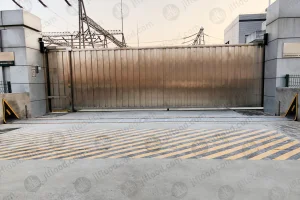
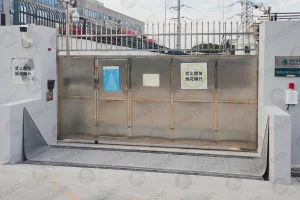
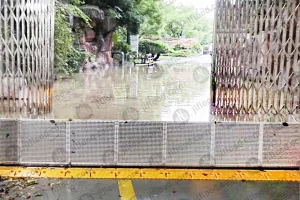
A single inundated power substation gate can trigger wide grid outages. Substation perimeter gates require low-threshold, high-durability flood doors. Self-closing and automatic flip-up flood dams block cable trenches and perimeter gateways, retaining water heads up to 2.0 meters without interrupting utility vehicle access during dry periods.
Proven References: State Grid Power Substations, High-Voltage Transformer Stations, Municipal Power Control Centers.
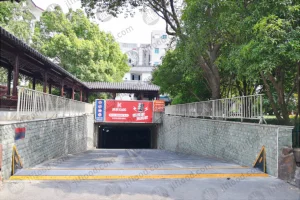
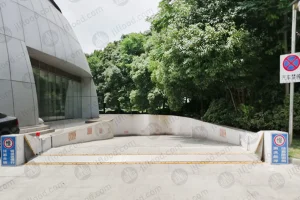
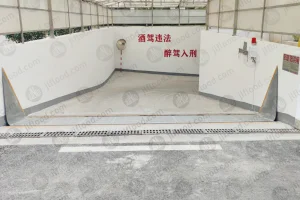
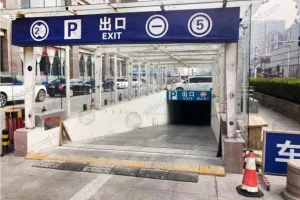
Underground garages in shopping malls, hospital basements, and residential complexes suffer catastrophic vehicle damage during intense cloudbursts. Driveway embedded flood barriers sit level with asphalt or concrete ramps, withstanding continuous 40-to-60-ton vehicle traffic roll-over until floodwaters trigger automatic deployment.
Proven References: Commercial Real Estate Driveways, Hospital Emergency Access Ramps, Underground Logistics Depots.
Government concourses, subterranean pedestrian street crossings, data center basements, and airport landside infrastructure demand robust perimeter defense against urban waterlogging. Self-opening and closing flood door systems deliver 24/7 autonomous protection against flash surges.
Proven References: Airport Landside Depots, Municipal Civil Defense Channels, High-Speed Rail Station Depots.
Key technological innovations transforming flood defense door dams from static physical barriers into smart, integrated urban resilience nodes.
Modern flood barrier installations integrate LoRaWAN, NB-IoT, or 5G telemetry modules. Optical encoders and water-level sensors notify facility operators via mobile alerts and central SCADA dashboards the instant a panel begins rising, tracking deploy status in real-time.
To resist de-icing salts, coastal salinity, and chemical runoff, modern barrier leaves feature multi-stage surface treatments: anodic oxidation, fluorocarbon electrostatic powder coating, and hot-dip galvanized structural steel frames rated for C5-M high-corrosion environments.
Advanced extruded aluminum alloys reduce barrier panel deadweight while increasing bending section modulus. Lightweight modular panel leaves allow rapid field handling, lower freight costs, and modular width extension up to any architectural doorway span.
Essential technical checkpoints for procurement managers, structural engineers, and tender committees evaluating China flood barrier manufacturers.
Ensure the supplier provides Finite Element Analysis (FEA) reports verifying that maximum structural deflection under full design head ($H_{water}$) does not exceed $L/250$ of clear span width. Deflection over-tolerance leads to seal gapping and catastrophic water leakage.
For ramp installations, confirm compliance with heavy vehicle load standards (e.g., AASHTO HS20-44, EN 124 Class D400/E600). The top cover plate must sustain repeated heavy truck impact without dynamic warping or track deformation.
Evaluate manufacturer credentials based on documented typhoon-season operational case studies. Require actual water-retaining video evidence, factory seal hydrostatic test certificates, and ISO 9001/14001 quality management audit reports.
Verify that supplier packages include embedded steel frame installation templates, concrete rebar clearance notes, and recommended bottom pit drainage connections to clear residual rainwater post-event.
Expert insights addressing installation, operational mechanics, maintenance schedules, and shipping logistics.
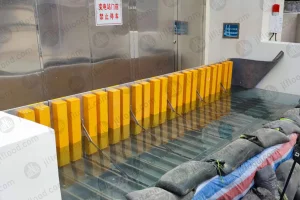
The system operates on pure physical fluid dynamics. Water entering the recessed foundation chamber generates natural hydrostatic buoyancy, pushing the closed-cell hydrophobic panel leaf upward. Mechanical leverage automatically locks the panel into the water-retaining position. Because no motors, electrical wiring, sensors, or pumps are used, power blackouts—which frequently accompany major storms—have zero impact on system deployment reliability.
Standard single hydrodynamic barrier modules support retaining water heights from 0.5 meters up to 2.0 meters, with single clear span widths up to 6.0 meters. For extra-wide vehicle ramps or multi-lane transit portals exceeding 20 to 50 meters, modular barrier leaves are linked in series using removable or automatic intermediate support mullions to form a continuous floodwall.
Maintenance is minimal due to the power-free mechanical design. We recommend semi-annual visual inspections to clear leaves or sediment from the bottom chamber inlet, flushing the drainage channel with water, and inspecting the EPDM rubber seals for physical damage. Torsion spring tension and side track slide blocks should be lubricated annually.
Yes. Two primary mounting configurations exist: Embedded type (requiring a shallow ground trench for flush pavement mounting) and Surface-mounted / Flip-up type (anchored directly onto existing flat concrete slabs without ground excavation). Surface-mounted models are ideal for operational facilities where ground cutting is restricted.
Barrier panels and structural frames are wrapped in protective anti-scratch PE film, edge-sheathed with shock-absorbing foam, and secured inside export-grade ISPM-15 fumigated wooden crates or steel frame cradles. Side tracks and hardware components are boxed separately with bilingual assembly tags and embedded template installation guides.
Browse additional factory-direct flood door variants, embedded subway gates, power-free automatic barriers, and customized industrial dams.