Explore our flagship automatic self-closing, hydrodynamic, and surface-mounted flood protection barriers built for extreme precipitation and urban waterlogging resilience.
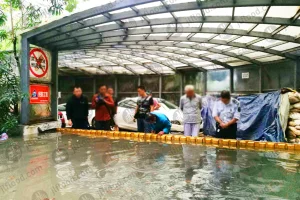
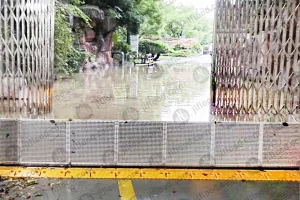
As global climate volatility escalates, urban centers face an unprecedented frequency of flash floods, cloudburst waterlogging, and storm surges. Traditional temporary defense measures—such as manual sandbag stacking, aluminum stop logs, and electrically driven flood gates—are rapidly being phased out by municipal authorities, civil defense consultants, and residential estate developers.
The fundamental flaw of manual intervention is human dependency. Flash floods often strike during off-peak hours or extreme nighttime typhoons when maintenance crews are absent. On the other hand, electrically powered motorized flood barrier systems suffer a catastrophic single point of failure: extreme storms routinely disrupt municipal power grids, leaving electrical gates rendered completely inert precisely when water levels breach critical thresholds.
Consequently, international demand has coalesced around China Flood Barrier For Home Manufacturers & Factories capable of designing and fabricating zero-power, hydro-dynamically activated, automatic self-closing flood gates. Engineering pioneers like Nanjing Junli Technology Co., Ltd. lead this shift by integrating aerospace-grade aluminum alloys, structural fluid dynamics, and maintenance-free mechanical leverage systems directly into building foundations.
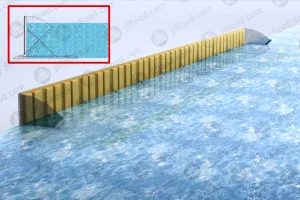
The core innovation behind modern China home flood protection lies in hydrodynamic buoyancy mechanics. Unlike surface-mounted manual barriers that require physical setup, an embedded hydrodynamic flood barrier sits completely flush with the driveways or residential threshold during normal conditions.
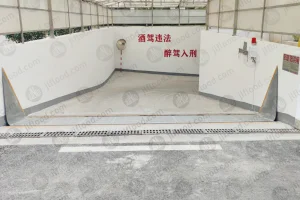
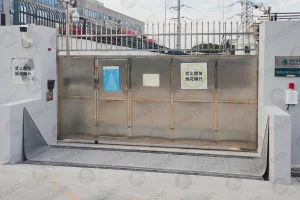
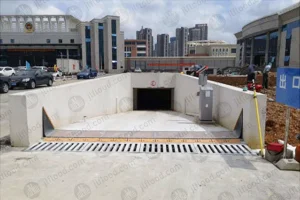
Under non-flood conditions, the structural barrier panel forms a seamless surface over the recessed foundation frame. Built with structural 6063-T6 aluminum or 304/316 stainless steel, it supports continuous heavy vehicle traffic, including fire engines and SUV delivery vehicles (up to 28-ton axle loads).
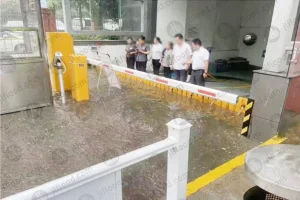
When heavy rain causes surface runoff to exceed street drainage capacity, incoming water automatically flows into the specialized inlet grates of the subterranean foundation chamber. Water accumulates within the sealed chamber beneath the barrier panel.
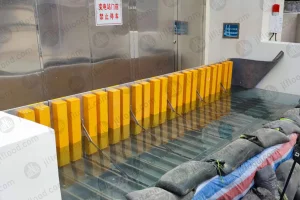
As the water level in the chamber rises, natural hydro-buoyancy forces lift the hollow structural panel. No electric power, manual pulling, or sensor trigger is required. The rise velocity dynamically correlates to the rate of water ingress, achieving full deployment in seconds.
Upon reaching its design height (ranging from 0.5m to 2.0m), the barrier locks mechanically. The external hydrostatic pressure of the floodwater pushes the panel tightly against heavy-duty EPDM perimeter rubber seals, creating a hermetic seal with zero leakage.
| Subsystem Element | Material / Structural Specification | Operational Function & Performance Metric |
|---|---|---|
| Primary Barrier Panel | High-Density Extruded Aluminum Alloy 6063-T6 / T5 | Corrosion-resistant structural core engineered for dynamic hydro-impact and heavy vehicle traffic loads. | Foundation Embedment Chamber | SUS304 / SUS316 Stainless Steel Frame | Embeds into civil concrete substrate, providing long-term structural anti-deformation resilience in moist soil conditions. |
| Primary Water Seal | Customized EPDM (Ethylene Propylene Diene Monomer) Rubber Profile | UV-resistant, chemical-resistant sealing gasket ensuring long-term elasticity and leak-tight hydrostatic protection. |
| Automatic Recess Cover | Non-Slip Serrated Surface Pattern Plate | Ensures pedestrian and vehicle traction during normal dry periods and light rain conditions. |
| Sediment Flush Drain | Integrated Bottom Sludge Release & Maintenance Valve | Allows effortless post-flood cleanout of accumulated silt, leaves, and debris within the foundation trench. |
While urban metro networks and power substations require heavy infrastructure barriers, residential homeowners and villa community management companies face unique architectural and operational challenges. A flood barrier for home applications must seamlessly balance high-performance structural defense with aesthetic architectural integration.
Basement garages in luxury villas and private homes represent the single highest financial risk area during floods. Installing an embedded automatic hydrodynamic barrier across the ramp threshold blocks fast-moving street runoff from drowning parked vehicles, home electrical systems, and subterranean living space.
Modern residential architecture frequently features walk-out basements, light wells, and subterranean courtyards. Compact, light-type self-closing flip-up barriers protect vulnerable glass doors and French windows from localized pooling water during severe rainstorms.
For multi-family residential developments and gated sub-districts, wide-span modular hydrodynamic barrier arrays installed across perimeter access gates prevent district-wide inundation, protecting shared underground utility infrastructure and central plant rooms.
Preventing water ingress into home power distribution rooms, battery storage installations, and emergency back-up generator sheds is crucial for ensuring life-safety services remain active throughout severe flood events.
Sourcing flood barriers directly from top-tier Chinese manufacturers provides international engineering procurement teams, distributors, and estate developers with unmatched technical customization, economic value, and production capacity.
Located in Nanjing, Jiangsu Province—the heartland of China's advanced machinery manufacturing cluster—factories like Nanjing Junli Technology Co., Ltd. leverage localized access to high-purity aluminum extrusion plants, precision CNC laser cutting, specialized rubber molding, and automated robot welding lines.
No two architectural openings are identical. Chinese factories offer full OEM/ODM flexibility, customizing barrier width, clear span, retaining height (0.5m to 2.0m+), curb angle transition plates, and heavy vehicle axle loading capacity directly from client-supplied CAD drawings.
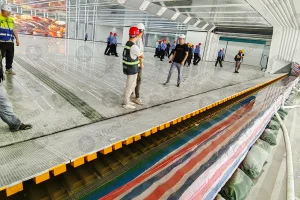
Leading Chinese exporters do not rely on theoretical simulation. Every single product design is validated in full-scale hydraulic testing pools to measure lifting response speed, EPDM sealing compression, structural deflection under head pressure, and post-flood manual override safety.
With standardized modular packaging, heavy-duty seaworthy wooden crating, complete English installation templates, and rapid transit via Shanghai and Ningbo ports, Chinese factories ensure seamless on-site delivery for emergency infrastructure retrofit deadlines globally.
Nanjing Junli Technology Co., Ltd., headquartered in Qinhuai District, Nanjing, Jiangsu Province, is a Chinese high-tech enterprise dedicated to the R&D and manufacturing of intelligent flood control products for the construction and infrastructure industries. Our engineers work across four technology segments — intelligent civil defence, intelligent flood control, intelligent bridge, and intelligent energy — solving complex structural, sealing, and drainage details for residential, commercial, and government projects worldwide.
To pass stringent international consultant reviews and insurer audits, Chinese flood barriers undergo exhaustive laboratory testing and factory verification protocols prior to shipping.
Tested in accordance with international flood barrier leakage standards (such as FM 2510 and structural hydrostatic head limits). Leakage is kept well under allowable limits (<0.5 L/hr per linear meter of seal joint).
Every extruded panel geometry undergoes structural FEA simulation to guarantee maximum allowable deflection limits are met under full hydro-head pressure and dynamic wave impact loads.
Global project documentation includes comprehensive structural calculation reports, 2D/3D CAD installation drawings, concrete embedment templates, EPDM chemical resistance datasheets, and operation manuals.
The barrier panel sits flush inside a recessed foundation chamber. Rising surface water enters the chamber through bottom grates and generates natural hydro-buoyancy and hydrostatic pressure, which automatically lifts and mechanically locks the panel into the retaining position. No power supply, sensor, pump, or human intervention is required — so the gate operates perfectly during grid power blackouts.
Standard hydrodynamic units cover retaining heights from 0.5 m up to 2.0 m, with single clear spans up to 6 m. Multi-leaf modular arrays can be combined to cover wide residential driveway entrances or logistics gates exceeding 20 meters. Lightweight flip-up barriers are also available for residential pedestrian doorways and equipment rooms.
Yes. Every design family is validated in our dedicated full-scale hydraulic testing pool for lifting response time, structural panel deflection, and EPDM seal leakage rates. Factory acceptance test (FAT) videos and detailed third-party inspection reports can be provided with every export order.
For embedded hydrodynamic types, a reinforced concrete trench with embedded stainless steel frame, drain connection, and leveled curb surface is prepared according to our CAD template. Surface-mounted and flip-up barriers require only an anchored base plate on a level concrete threshold, making them ideal for retrofit projects on existing buildings.
The foundation trench features top inlet grates that filter out large debris. An integrated bottom sludge release valve and removable panel design allow routine maintenance crews to easily flush out accumulated silt and leaves with a high-pressure hose twice a year.
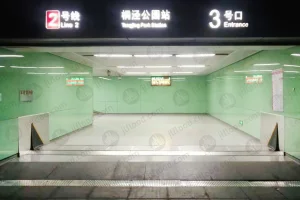
Select specialized automatic flood protection gates engineered for subterranean garages, metro rail infrastructure, power substations, and commercial properties.