Engineered for high hydrostatic resistance, rapid deployment, and zero-power hydrodynamic activation. Explored and manufactured directly by China's leading flood defense facilities.
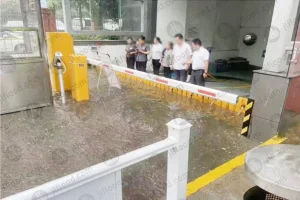
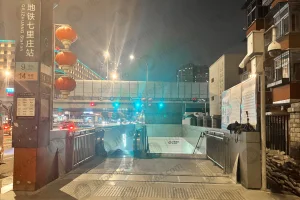
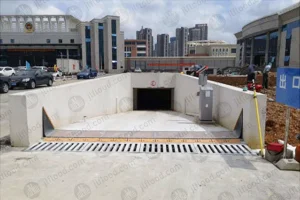
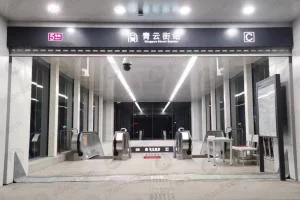
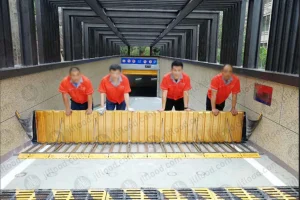
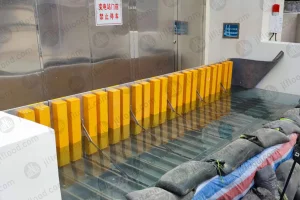
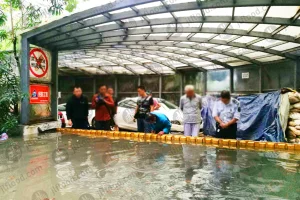
Analyzing global urban hydrology shift from temporary manual containment to fully automated, structural hydrodynamic flood barriers.
Flash flooding and high-intensity urban waterlogging events are increasing in frequency globally. Standard perimeter security and traditional sandbags are no longer accepted by commercial insurers and municipal authorities due to high human capital deployment costs and high failure rates.
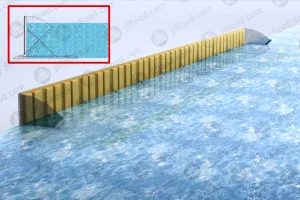
Modern architectural specifications prioritize passive hydrodynamic systems. These gates sit flush with driveways or doorway thresholds during normal operational hours, automatically deploying strictly via water buoyancy forces during sudden inundations without needing staff or electricity.
Private home residential garages, underground basements, and luxury villas are adopting embedded modular aluminum barriers. Homeowners demand sleek aesthetic integration, zero curb impedance for vehicles, and heavy-duty structural seals to protect subterranean luxury assets.
In the contemporary landscape of civil defense and municipal structural engineering, flood defense has evolved from a reactive emergency measure into an integral architectural design mandate. When sourcing a China Flood Barrier For Household Supplier & Factories, global procurement specialists, engineering consultants, and commercial real estate developers demand rigorous technical standards, verified hydrodynamic physics, and resilient supply chain logistics.
Across North America, Western Europe, Southeast Asia, and the Middle East, commercial infrastructure asset managers face escalating premium penalties from global insurance underwriters if perimeter entrances lack certified flood defense systems. Global procurement requirements focus on three core metrics:
Key Engineering Insight: Hydrodynamic passive flood barrier technology operates exclusively on Archimedes' Principle of buoyancy. As floodwaters fill the surface drainage retention trough, buoyancy forces act upon the lightweight structural panel, raising it automatically. The incoming hydrostatic force subsequently presses the barrier panel tightly against EPDM seals, creating an impenetrable water barrier.
To assist procurement managers and structural engineers in evaluating defense mechanisms, the following matrix outlines performance across standard industrial parameters:
| Technology Type | Activation Source | Deployment Speed | Power Requirement | Lifespan & Maintenance | Human Intervention |
|---|---|---|---|---|---|
| Hydrodynamic Passive Gate | Water Buoyancy & Hydrostatic Pressure | Immediate (0.1 - 2.0s) | Zero (100% Mechanical) | 20+ Years / Minimal Maintenance | Unmanned (Automatic) |
| Active Hydraulic Barrier | Hydraulic Pump & Sensor Array | 30 - 90 Seconds | High (Requires Power Backup) | 8-10 Years / High Maintenance | Automated / Sensor Dependent |
| Manual Modular Aluminum Plank | Manual Assembly / Slotting | 15 - 45 Minutes | Zero | 15+ Years / Seal Wear Risks | High (Requires On-Site Team) |
| Traditional Sandbags / Water Bags | Manual Labor Stacking | Hours (Labor Intensive) | Zero | Single Use / Discarded | Extreme Labor Force Required |
China's modern high-tech manufacturing ecosystem—exemplified by premier facilities such as Nanjing Junli Technology Co., Ltd.—delivers unmatched competitive advantages in structural engineering, metal extrusion precision, and custom project scalability.
Leveraging state-of-the-art Industry 4.0 production standards, Chinese specialized factories utilize CNC precision machining, robotic TIG/MIG welding, and automated surface anodization for high-grade 6063-T6 marine aluminum extrusions and 304/316 stainless steel frame assemblies. This industrial cluster integration allows factory-direct customization of span lengths, load-bearing capacities (spanning up to 60-ton vehicle drive-over loads), and customized retaining heights, ensuring seamless architectural retrofitting for both residential garages and major subway transit hubs.
From private household driveways to massive municipal metro stations, customized flood barriers provide zero-footprint structural safety.
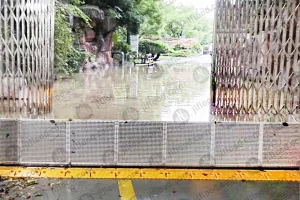
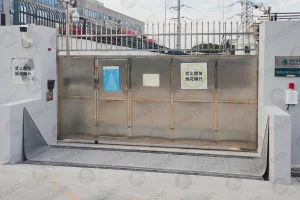
Household garage driveways present unique challenges: barriers must lie completely flush with the ground so sports cars and family vehicles drive over them without vibration or structural damage. When cloudburst rainstorms occur, surface water flowing down the slope triggers the embedded hydrodynamic leaf, locking out floodwaters and preventing catastrophic vehicle submergence and basement foundation erosion.
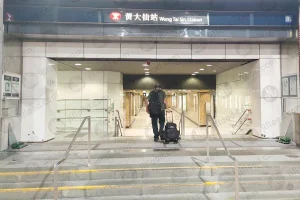
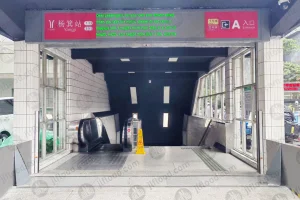
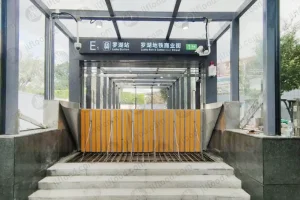
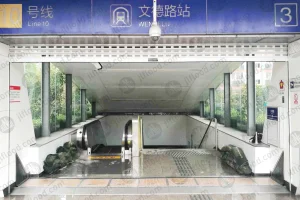
Metro entrance channels and subterranean pedestrian corridors are vulnerable urban funnel points during severe typhoons. Rapidly rising surface runoff can submerge underground platforms in minutes. Surface-mounted and embedded automatic flood gates installed across Guangzhou Metro, Beijing Metro, and Suzhou Metro demonstrate field-proven capabilities, protecting public transit assets without impeding passenger flow during normal dry operations.
Electrical substations demand absolute dry security; water intrusion causes explosive electrical short-circuiting, widespread blackout grid failures, and multi-million-dollar transformer destructions. Customized heavy-duty aluminum gates installed around perimeter walls and cable trench rooms seal out floodwaters with vulcanized triple-lip EPDM gaskets under severe water pressure heads.
Industrial parks, logistics hubs, and commercial shopping centers require multi-span barrier array assemblies. Modular hydrodynamic systems allow continuous clear widths exceeding 20 meters, utilizing interlocking middle support pillars to maintain structural rigidity against hydrodynamic wave impacts.
In-depth responses curated by senior hydraulic design experts and factory engineers for international buyers.
The flood barrier panel sits flush within a pre-installed recessed foundation channel during normal conditions. When floodwater reaches the entrance, water naturally flows into the bottom chamber via surface inlet grates. As water collects, buoyancy forces automatically lift the lightweight, high-strength hollow aluminum panel upwards. As the water level rises further, forward hydrostatic pressure forces the panel firmly against vertical EPDM rubber side seals, forming a continuous water-tight lock. The process is completely mechanical, self-actuating, and 100% reliable during blackout power outages.
Standard residential and commercial embedded models are engineered with high-strength structural reinforced ribbed bottom frames. Standard units readily support 30 to 60-ton vehicle drive-over loads (equivalent to heavy fire trucks, emergency vehicles, and commercial delivery fleets) without panel deformation or frame misalignment.
Yes. Chinese factories specialize in OEM and ODM tailoring. Single-leaf span lengths can be customized up to 6 meters, and retaining heights range from 0.5 meters to 2.0 meters. For extra-wide driveway openings exceeding 20 meters, modular multi-leaf arrays with removable or pop-up intermediate structural pillars are engineered to meet specific site architectural layouts.
Because hydrodynamic barriers eliminate electrical motors, hydraulic pumps, and digital sensors, maintenance costs are minimal. Factories recommend seasonal inspection clearing of debris or leaves from the bottom drainage basin, along with routine water flushing twice per year. EPDM sealing strips should be visually inspected annually and lubricated with silicone grease to maintain maximum elastic sealing performance.
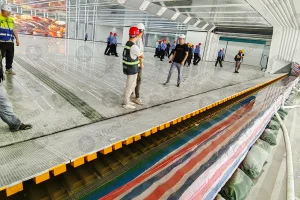
Top-tier Chinese manufacturers conduct full-scale hydrostatic water-testing in dedicated factory test pools. Every custom order is subjected to full design head water height testing to verify panel deflection, dynamic lifting speed, and zero-leakage seal rates. Video testing reports and third-party inspection certificates (such as SGS or CE compliance documentation) are issued prior to export packaging.
For embedded type barriers, civil contractors create a shallow concrete trench according to factory-supplied structural drawings. Embedded anchor frames, rebar tie-ins, and bottom drain outlet piping (connected to municipal storm pumps or gravity drains) are positioned before high-strength concrete pouring. Surface-mounted models require only a level concrete base and chemical anchor bolt fixing.
Explore specialized automatic gates, power-free defense units, and metro station flood protection components for global export.