Explore specialized automatic flood barrier systems tailored for subway entrances, electrical substations, and critical civil infrastructure.
Analyzing climate resilience, hydrostatic safety limits, and passive auto-deployment flood barrier infrastructure for modern subways.
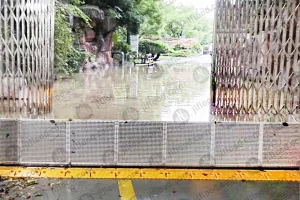
Core Infrastructure Insight: Modern metro networks function as underground hydro-topographic sinks during extreme cloudburst events. When surface drainage capacities (typically designed for 1-in-10-year storm events) are exceeded, surface runoff surges down pedestrian access points, escalator portals, and ventilation shafts. Passive hydrodynamic automatic flood barriers eliminate human delay and electrical failure risks during sudden municipal floods.
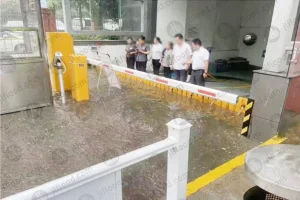
Rapid urban sprawl and shifting precipitation patterns have exponentially heightened the vulnerability of sub-surface public transit systems globally. Metro station entrances represent the primary interface between intense surface water runoff and high-density underground human transit. A single breached entrance can inundate miles of track tunnels, disrupt electrical traction power systems, damage rolling stock, and result in catastrophic financial loss and structural degradation.
Traditional flood protection measures—such as manual sandbagging, modular aluminum slot-in stoplogs, or electrically driven vertical gates—fail consistently under extreme real-world conditions. Manual deployment relies heavily on early warning leads, available field labor, and clear access routes during severe weather. Electrically actuated gates remain inherently vulnerable to grid power outages, circuit shorting from initial water contact, or sensor malfunctions caused by debris clogging. China's leading flood barrier manufacturers have solved these failure modes through advanced hydrodynamic passive auto-buoyancy engineering, setting a new benchmark for global transit authority procurement.
A comprehensive mechanical analysis of automatic self-rising flood gates without human intervention or electrical inputs.
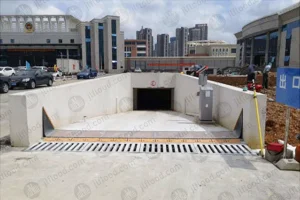
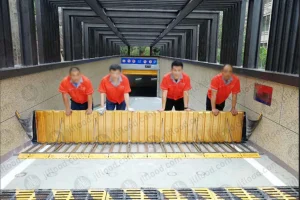
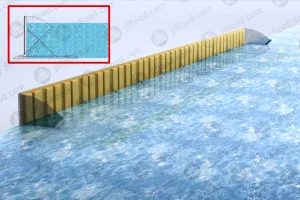
The flood barrier panel rests flush with the finished floor inside a embedded ground frame chamber during normal pedestrian operations. When floodwater reaches the threshold level, incoming water flows through intake grilles directly into the lower basin. As water rises inside the sealed chamber, Archimedes' principle of buoyancy generates vertical lift on the hollow structural panel ($F_{buoyancy} > W_{panel} + F_{friction}$).
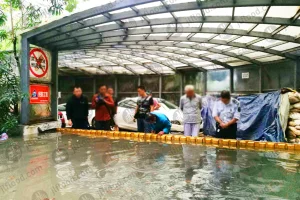
As the barrier rotates upward on stainless steel pivot hinges to reach its fully raised posture (typically 60° to 90° angle), the hydrostatic pressure exerted by the retaining water body acts directly against the front face of the panel. Higher water heads increase the clamping force against side gaskets, creating a self-reinforcing mechanical seal that prevents structural displacement.
Primary containment integrity relies on custom-extruded, weather-resistant EPDM elastomer seals configured along the lower pivot boundary and side vertical abutments. Under hydrodynamic head pressures up to 2.0 meters, these specialized multi-lip profile gaskets deform dynamically against precision-machined frame guides, achieving leak-rate performance far superior to standard commercial thresholds.
Metro station installations demand exceptional structural strength due to continuous heavy pedestrian foot traffic, service vehicle passage, and aggressive environmental exposure. Leading Chinese factories utilize marine-grade materials engineered for 25+ year operation lifespans:
Unrivaled industrial clusters, full-scale hydraulic testing facilities, and competitive global export capabilities.
China operates over 50 cities with active subway networks totaling tens of thousands of underground stations. Chinese manufacturers have installed hydrodynamic flood barriers across major transit systems including Guangzhou Metro, Shanghai Metro, Beijing Subway, Shenzhen Metro, and Hong Kong MTR. This extensive deployment provides unparalleled real-world validation data under severe typhoon surges and extreme urban rainfall events.
Chinese suppliers located in industrial clusters like Jiangsu, Zhejiang, and Guangdong leverage fully integrated raw material sourcing. From specialized extrusion of wide-span aluminum profiles to precision laser cutting, CNC machining, automated robotic welding, and specialized surface anodizing, China offers unmatched lead time efficiency and economies of scale for mega-project infrastructure orders.
Leading Chinese exporters maintain full-scale hydraulic testing pools where engineered barriers undergo complete water inundation simulation prior to dispatch. Structural deflection, seal compression rates, response times, and hydrostatic head limits are verified and documented with factory acceptance test (FAT) reports, giving international buyers absolute confidence in product reliability.
Tailored barrier engineering designs configured for distinct architectural entrance profiles and critical municipal assets.
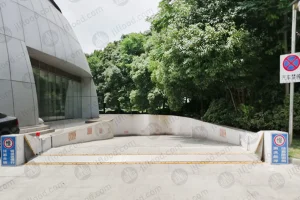
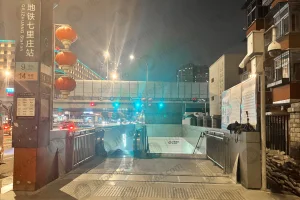
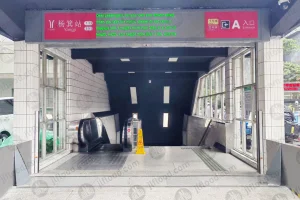
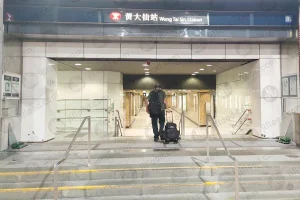
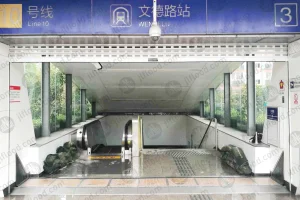
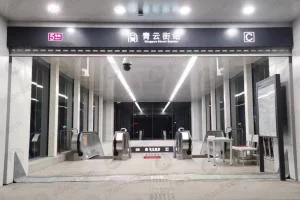
Installed at street-level entrance steps, landside plazas, and underground shopping concourse connection channels. Surface-mounted or flush embedded units ensure zero tripping hazard for thousands of daily commuters while offering instant passive defense when street flash flooding occurs.
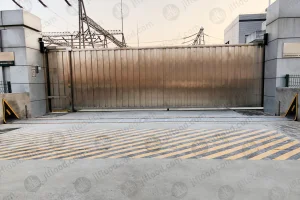
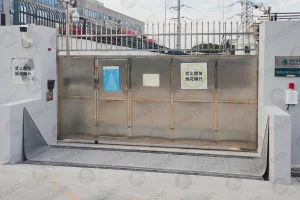
Substation gates represent critical vulnerabilities. A flooded traction substation renders an entire line inoperable. Heavy-duty surface-mounted or flip-up automatic gates protect high-voltage transformer rooms and cable trenches against severe water intrusion.
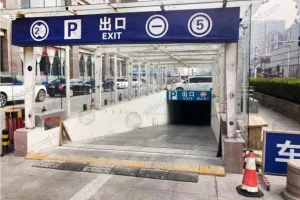
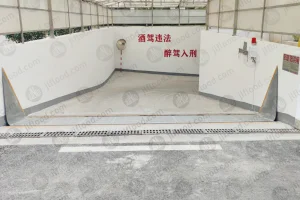
Vehicular access points to underground subway maintenance depots, commercial parking ramps, and multi-level basement complexes require high axle-load bearing panels (up to 30 tons) capable of withstanding continuous heavy truck driving over the flush recessed frame.
Emergency egress channels, air intake grilles, and combined civil defense shelters utilize vertical-closing or specialized embedded hydrodynamic flood barrier designs engineered to withstand dynamic wave impacts and debris loads during severe flood disasters.
Key technical parameters, civil engineering pre-requisites, and compliance criteria for EPC contractors and municipal tenders.
When preparing tender documentation for metro station flood mitigation, international engineering consultants should include the following core functional requirements to ensure structural and operational reliability:
Must be 100% passive hydrodynamic buoyancy activated without electric power, compressed air, or manual triggering.
Standard retaining height from 500mm to 2000mm. Modular clear spans up to 6000mm per panel segment without intermediate removable posts.
Maximum permissible leakage rate under full design head ≤ 0.15 L/min per linear meter of perimeter seal (conforming to international flood barrier standards).
Embedded frame installation requires concrete pit depth matched to panel height with integrated bottom drainage connection (DN100 minimum pipe).
Key technological shifts driving the transformation of underground transit safety infrastructure.
While mechanical deployment remains strictly passive and unpowered, modern hydrodynamic flood barriers are increasingly outfitted with wireless low-power NB-IoT telemetry sensors. These components transmit real-time deployment status, water depth readings, and tilt angles directly to the subway network Centralized Management System (SCADA).
Transit authorities demand seamless integration with station entrance aesthetics. Next-generation barriers feature top cover recessed trays capable of holding matching granite pavers, tactile paving bricks, or brushed architectural metals, rendering the un-deployed barrier virtually invisible to daily commuters.
Global financial institutions (such as the World Bank and Asian Infrastructure Investment Bank) are mandating climate-adaptation resilience audits for modern urban rail investments. Standardizing passive flood protection at all sub-surface openings has transitioned from an optional safety upgrade to an essential project financing prerequisite.
Addressing core technical, civil construction, maintenance, and ordering questions from international clients.
Browse our additional line of field-proven automatic flood gates, surface-mounted barriers, and modular transit solutions.