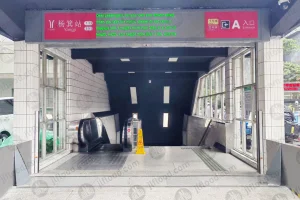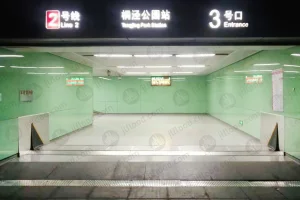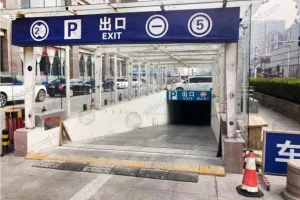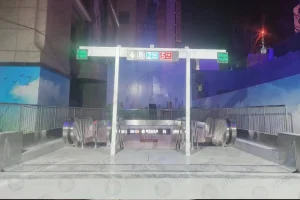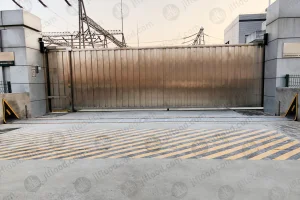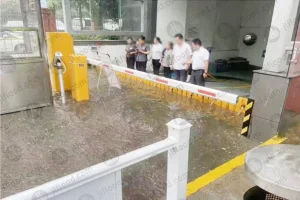
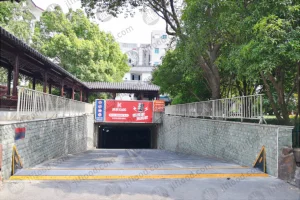
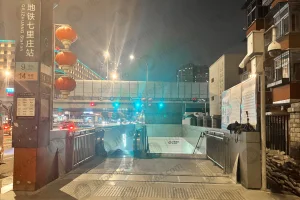
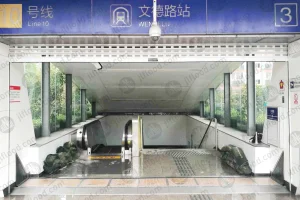
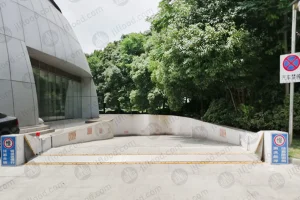
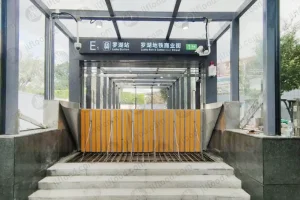
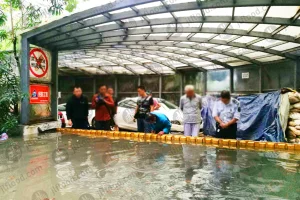
Urban inundation, intensified by extreme meteorological events and dense underground infrastructural development, has placed immense strain on civil resilience frameworks worldwide. Historically, municipal engineers and property procurement executives relied on manual sandbags or portable polymer-based "Quick Dam" water-absorbing bags for localized flood mitigation. While effective for low-velocity surface runoff at residential doorways, temporary sandless bags present critical operational vulnerabilities when deployed across critical infrastructure like underground transit stations, power utility substations, and underground vehicular ramps.
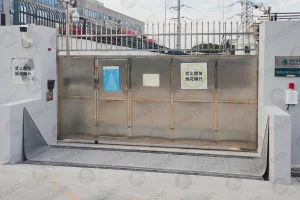
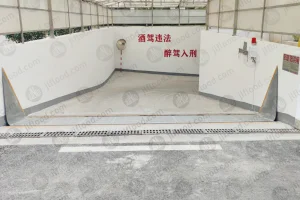
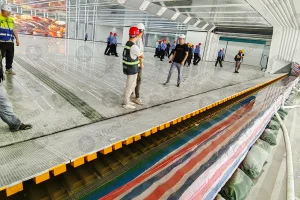
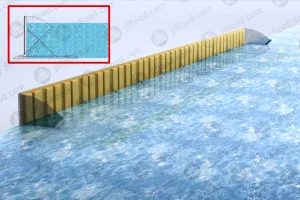
China's advanced engineering ecosystem has led a structural revolution by scaling factory manufacturing of Hydrodynamic Automatic Flood Barriers (HAFB). Often referred to in global procurement catalogs under the expanded taxonomy of high-capacity "Quick Dams" and hydrodynamic flood gates, these systems operate via mechanical buoyancy and hydrostatic head pressure. They require zero human intervention, zero electrical power supply, and zero digital sensor triggers—providing complete failure-proof containment during municipal blackouts when urban flooding hits peak severity.