
Explore China's premier engineered flood protection barriers designed for municipal, metro, and commercial infrastructure.
An engineering analysis of modern flood prevention architecture, manufacturing innovation in China, and structural design standards for critical assets.
In an era defined by extreme climate volatility, urban centers and industrial complexes face unprecedented vulnerability to flash floods, cloudbursts, and storm surges. Traditional flood defense mechanisms—such as manual sandbagging or motorized mechanical gates—frequently fail under real-world crisis conditions due to logistical delays, power outages, or human error during sudden torrential downpours. Consequently, global engineering practices have shifted toward unattended, passive hydrodynamic flood barriers and heavy-duty foldable flood protection equipment.
Chinese manufacturers and specialized engineering factories, led by pioneers like Nanjing Junli Technology Co., Ltd., have positioned China at the epicentre of this technological shift. By leveraging advanced metallurgy, precision automated welding, and innovative hydro-buoyancy physics, Chinese production hubs now export world-class, power-free automatic flood control gates to over 30 countries across Asia, Europe, the Middle East, and the Americas.
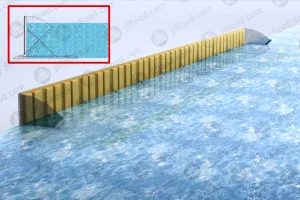
Unlike electrical flip-up barriers that depend on power lines or backup diesel generators—both of which are vulnerable to electrical trip-outs during flood events—hydrodynamic automatic barriers operate purely on fluid dynamic buoyancy and hydrostatic balancing. As water fills the underground frame basin, the density differential between water and the structural aluminum panel forces the panel to deploy automatically without any human presence or electrical trigger.
Surging global demand for climate resilience across critical municipal infrastructure, commercial real estate, and utility networks.
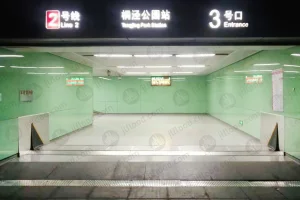
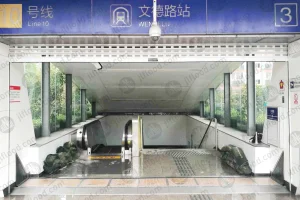
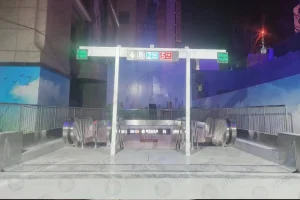
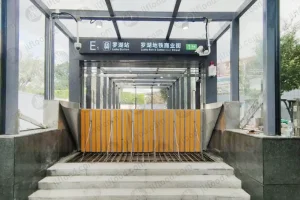
Underground metro stations represent high-risk urban flood points. In severe weather, surface runoff cascades down concourse stairs and tunnel openings, causing cataclysmic damage to signal electronics and rolling stock. China-manufactured modular flood gates engineered for connection channels and station portals provide watertight containment up to 2.0 meters of static water head.
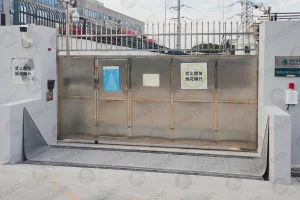
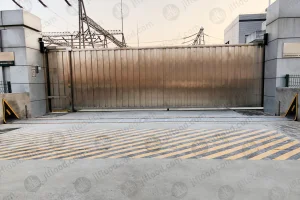
Electrical substations demand continuous operational integrity. Substation gate barriers prevent floodwaters from invading cable trenches and high-voltage transformer bays. China factories custom-build non-conductive, corrosion-resistant embedded barriers that isolate power infrastructure during severe regional inundation.
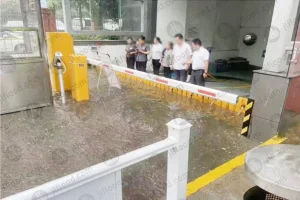
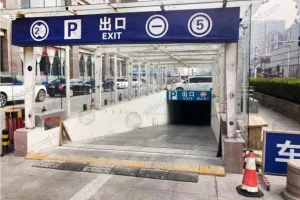
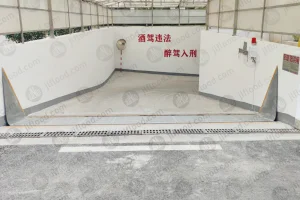
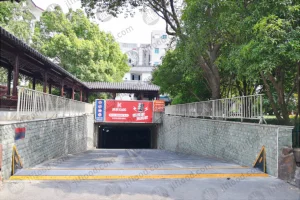
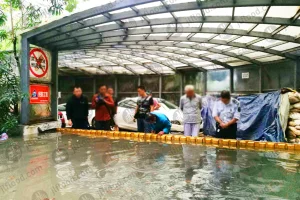
Commercial shopping malls, multi-story office towers, and luxury residential basements require drive-over flood barriers. Foldable and self-closing garage flood barriers lay completely flush with the road surface under normal traffic conditions, maintaining zero vehicle bounce, and deploy seamlessly when storm runoff overwhelms municipal storm drains.
How Chinese industrial hubs synthesize advanced metallurgy, automated engineering, and economy-of-scale production to deliver unmatched quality-to-cost ratios.
The global demand for China foldable flood protection equipment stem from China's unmatched industrial manufacturing ecosystem. Specialized factories, such as Nanjing Junli Technology Co., Ltd. located in Jiangsu Province, integrate structural R&D, alloy extrusion, rubber vulcanization, and full-scale hydrostatic testing under a single quality control framework (ISO 9001/14001/45001 certified).
| Evaluation Parameter | China Advanced Hydrodynamic Barrier | Traditional European / US Mechanical Barrier | Conventional Manual Sandbags / Aluminum Stop-Logs |
|---|---|---|---|
| Deployment Mechanism | 100% Automatic (Water Hydrodynamics) | Electric Motor / Hydraulic Ram / Sensor Based | 100% Manual Installation Required |
| Power Dependence | Zero Power (Functioning during Blackouts) | Requires Constant Grid / UPS Backup | None |
| Deployment Speed | < 30 Seconds upon water entry | 1 to 5 minutes (Sensor dependent) | 2 to 6 Hours (Labor Intensive) |
| Traffic Load Capacity | Heavy Vehicle Drive-Over (up to 60 Tons) | Varies (Often requires protective ramps) | Zero Drive-Over Capability |
| Total Cost of Ownership (TCO) | Low (Minimal maintenance, zero standby power) | High (Motor maintenance, electrical checks) | High Recurring Labor & Replacement Costs |
| Manufacturing Lead Time | 15–25 Days (China Factory Scale) | 8–16 Weeks | Immediate off-the-shelf, high labor cost |
China flood barriers utilize high-strength marine-grade aluminum alloys (6063-T6 and 6005A-T6) combined with 304/316 stainless steel frame housings. This offers extreme tensile strength while resisting atmospheric corrosion and chemical exposure in coastal environments.
Watertight integrity relies on multi-channel EPDM rubber gaskets. Chinese factories co-extrude high-density vulcanized rubber seals that maintain flexibility from -40°C to +90°C, guaranteeing zero-leakage performance under continuous static pressure.
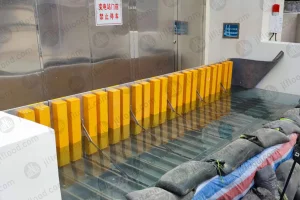
Leading Chinese OEMs operate dedicated indoor hydro-test pools. Every batch undergoes full-height hydrostatic head pressure testing, panel deflection measurement, and sealing validation before export documentation is signed.
Field-proven structural applications across Chinese metro networks, substations, and mega-infrastructure projects.
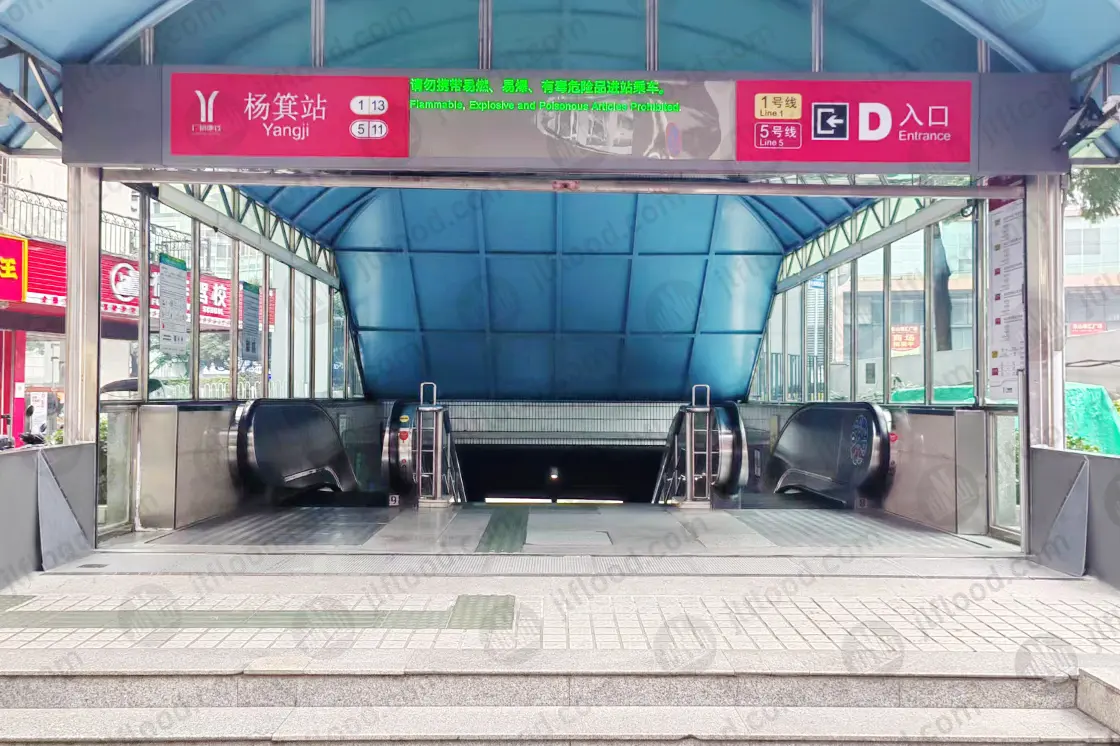
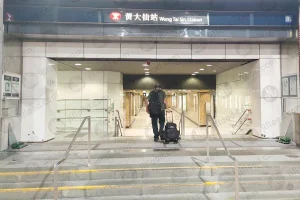
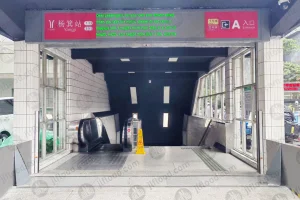
Installed across Guangzhou, Beijing, Suzhou, and Hong Kong Metro lines, embedded automatic barriers sit flush with the station floor. When water levels exceed safety margins, the barrier self-erects to isolate the subterranean concourse from municipal storm overflow.
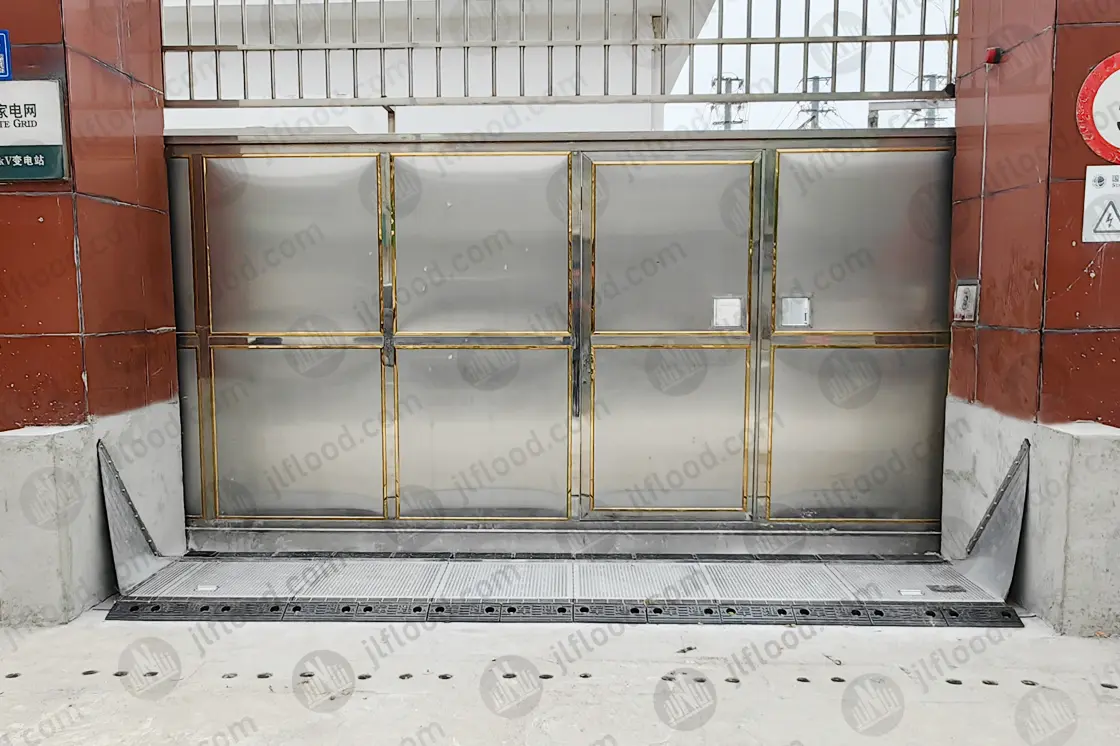
Deployed extensively for State Grid electricity stations in Jiangsu and Beijing. These surface-type and embedded flip-up gates protect high-voltage transformer rooms from catastrophic flood destruction without disrupting daily utility vehicle ingress.
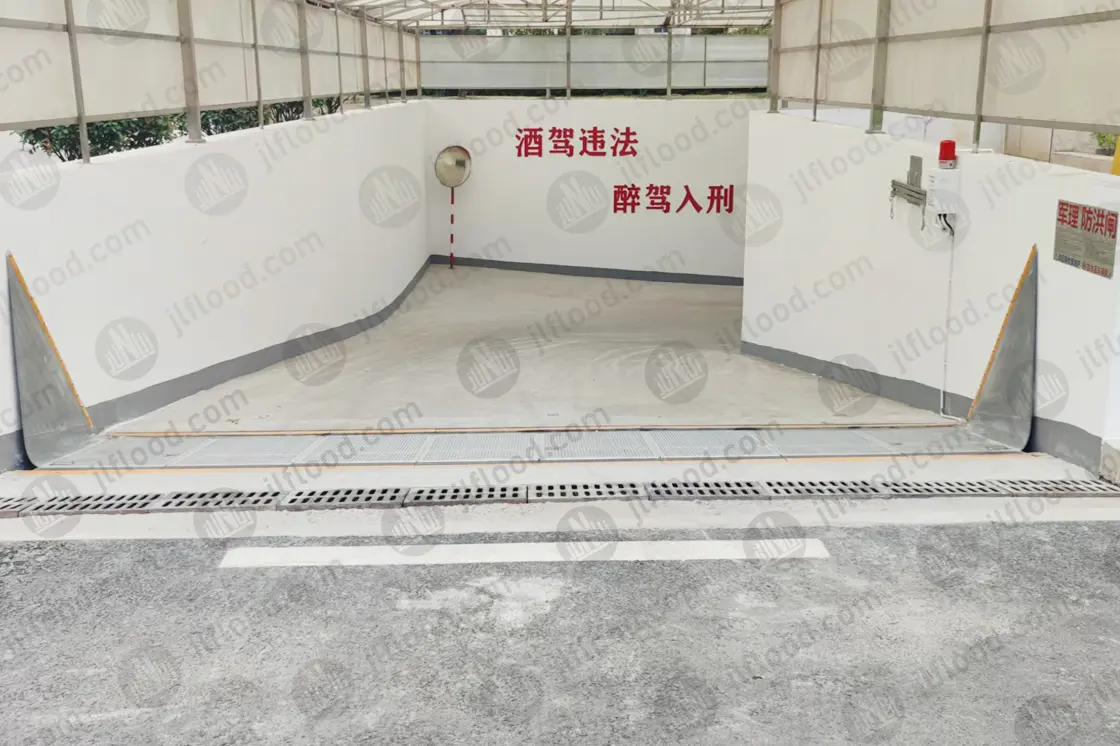
High-end residential developments, hospital basements, and shopping center garages (e.g. Wanda Plaza networks) install heavy-duty drive-over barriers designed to withstand constant 30-ton to 60-ton truck traffic without panel deformation.
A step-by-step engineering procurement framework for EPC contractors, structural engineers, and commercial buyers.
When sourcing foldable flood protection equipment and hydrodynamic gates from China manufacturers, procurement managers and engineering consultants must evaluate five key specification parameters to ensure compliance with international building codes and flood safety regulations:
Calculate clear opening width ($W$) and maximum required design water retention height ($H$). Standard single-leaf spans accommodate up to 6.0 meters, while modular multi-leaf arrays seamlessly protect wide entrances exceeding 20 meters with intermediate support columns.
Verify axle-load ratings based on vehicle usage. Pedestrian-only entrances require light flip-up gates (1.5–3.0 Tons), whereas underground commercial ramps subject to delivery trucks or fire engines necessitate heavy-duty steel-embedded frames rated for 30–60 Tons (AASHTO HS20 / EUROCODE EN124 heavy load standards).
Evaluate site excavation capability. Embedded hydrodynamic barriers require a recessed concrete trench (typically 250mm–400mm depth) with integrated drainage connections. Surface-mounted or flip-up barriers are preferred for retrofit projects where floor cutting is restricted.
Ensure supplier compliance with maximum leakage rate standards (e.g., less than 0.5 L/hr per linear meter of seal under full design head). Request factory water testing certificates and real-world field test videos.
Specify anodized aluminum (minimum 15–25 µm film thickness) or 304/316 stainless steel frame construction for coastal saltwater or industrial chemical environments to prevent galvanic corrosion.
Confirm that the manufacturer provides export-standard reinforced wooden crate packaging, detailed CAD installation templates, English maintenance manuals, and remote video commissioning assistance.
Explore the complete industrial engineering catalog of China-manufactured modular and embedded flood barrier gates.
In-depth technical answers addressing installation, maintenance, hydraulic principles, and global procurement procedures.
The barrier panel is installed flush inside a recessed foundation chamber embedded in the ground. When surface water runoff approaches the entrance, water flows into the chamber through intake grates. The accumulating fluid creates hydrostatic buoyancy force underneath the panel. Combined with calculated counterweight leverage, the buoyancy lifts the barrier automatically as the water level rises. The incoming hydrostatic pressure then locks the barrier panel firmly against side seals, creating a watertight wall without needing motors, sensors, grid electricity, or human operators.
Standard hydrodynamic single-span modules cover retaining heights from 0.5 meters to 2.0 meters, with single spans up to 6.0 meters wide. For wider openings, such as multi-lane garage ramps or broad metro entrances spanning over 20 meters, modular barrier units are linked using removable or collapsible intermediate support posts to create continuous, seamless flood defense walls.
Yes. Heavy-duty garage and driveway flood barriers produced by leading Chinese manufacturers are structural-rated for vehicle passage. Top covers are reinforced with structural ribbing and non-slip aluminum tread plates capable of supporting axle loads from 30 Tons up to 60 Tons (suitable for loaded freight trucks and emergency fire vehicles) without causing panel warping or frame displacement.
Yes. Reputable manufacturers such as Nanjing Junli Technology perform rigorous full-scale hydrostatic testing in dedicated testing pools. Every custom order is tested for seal compression, opening speed, structural deflection under maximum head, and seal leakage rates. Full video documentation, quality inspection certificates, and third-party testing reports are supplied with each export shipment.
Because passive hydrodynamic barriers contain no electrical motors or hydraulic pumps, maintenance costs are extremely low. Standard protocol involves clearing leaves and debris from the bottom trench basin every six months, inspecting the EPDM rubber seals for wear, and conducting a manual washdown/buoyancy check once per year to ensure smooth hinge articulation.
Manufacturers provide comprehensive CAD civil drawings, trench excavation parameters, rebar layout notes, and embedded anchor templates prior to delivery. Local civil engineering contractors perform trenching and concrete pouring according to the drawings. Once the trench is ready, the pre-assembled barrier frame is lowered into position, anchored, sealed, and connected to local drainage outlets. Remote video commissioning guidance is provided by the factory engineering team.


