
Direct from China manufacturing facility: Field-proven automatic hydro-retaining barriers engineered for subway gates, substation entrances, and subterranean parking structures.
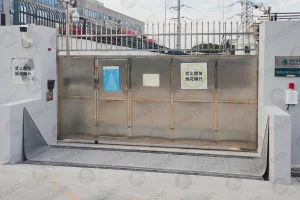
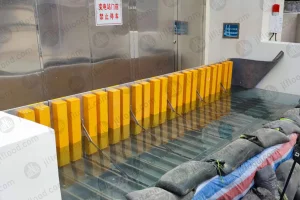
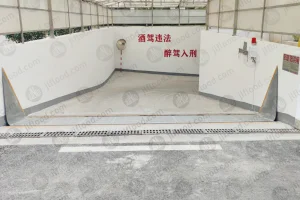
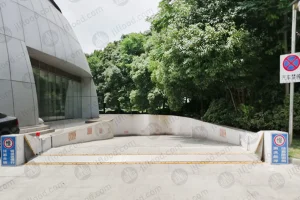
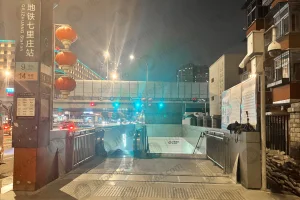
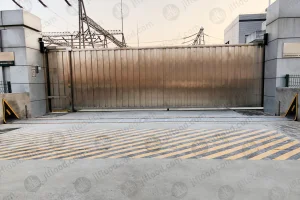
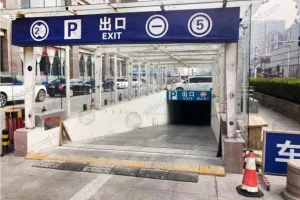
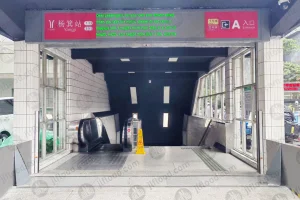
As global climate volatility intensifies, severe flash floods and extreme urban precipitation events are escalating in frequency and magnitude. Municipal infrastructure, transit tunnels, subterranean parking structures, and electrical substations face unprecedented water ingress risks. Traditional flood control measures—such as manual sandbag placement, removable stop logs, or electrically driven sluice gates—exhibit critical failure points during peak flood emergencies.
Manual flood barriers depend entirely on early warning lead times and human intervention, which frequently fail during overnight cloudbursts or rapid urban waterlogging. Conversely, motorized systems depend on electrical grids or standby generator capacity—utilities that are notoriously prone to immediate failure during storm-induced regional blackouts. The modern civil engineering standard dictates a transition toward passive hydro-mechanical safety mechanisms.
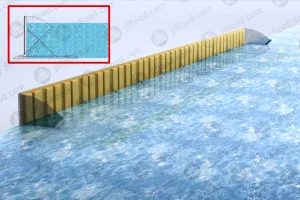
Core Engineering Paradigm: The China Mechanical Self-Closing Flood Barrier functions on hydrodynamic pressure and Archimedes' principle of buoyancy. Without sensors, human triggers, or electricity, incoming floodwaters physically actuate the barrier panel to rise automatically as water levels swell, creating a continuous water-retaining wall.
The system remains embedded completely flush within the road or entrance foundation during dry weather. Vehicles and pedestrians pass over smoothly without resistance. When floodwater reaches the intake basin, hydro-buoyancy lifts the barrier plate dynamically in direct proportion to water level rise.
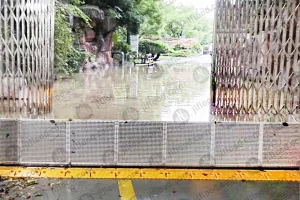
Equipped with commercial-grade EPDM gaskets featuring elastic memory. Under hydrostatic head pressure, the seal compresses tightly against side frames and floor channels, yielding virtually zero leakage (<0.05 L/min per meter) under maximum design water height.
Constructed with high-strength structural 6063-T6 marine aluminum alloy or SUS304/316 stainless steel. The foundation chamber and surface tread plate are rated for heavy transit loading up to 60 tons (AASHTO HS-20 / Chinese Highway-I standards).
China has established itself as the global epicenter for precision hydraulic control components, structural extrusion technology, and intelligent civil defence equipment manufacturing. Sourcing mechanical self-closing flood barriers from leading Chinese manufacturers offers global engineering firms, EPC contractors, and procurement departments unmatched technical and economic leverage.
Chinese manufacturing hubs in Jiangsu (Nanjing), Zhejiang, and Guangdong house fully integrated supply chains—from raw marine aluminum billet casting and precision extrusion to automated laser cutting, CNC machining, and specialized EPDM vulcanization. This spatial density drastically reduces lead times and component acquisition costs.
Tier-1 Chinese suppliers operate full-scale hydro-testing basins within their factories. Every mechanical self-closing flood barrier series undergoes rigorous physical water head stress tests, hydrostatic deformation calculations (FEA software verification), and cycle tests simulating 20+ years of active flood deployment.
By combining high-volume automated production lines with skilled engineering expertise, Chinese factories provide ISO/CE certified mechanical flood gates at a fraction of the cost of traditional European or North American fabricators, without compromising structural safety margins or material specs.
To assist structural engineers, municipal planners, and procurement officers in selecting the optimal mitigation asset, the following table compares key technical parameters across primary flood defence methods:
| Performance Metrics | China Mechanical Self-Closing Barrier | Motorized / Hydraulic Gate | Manual Demountable Stop Logs | Traditional Sandbags |
|---|---|---|---|---|
| Power Requirement | 0 kWh (Pure Hydro-Buoyancy) | High (Requires Grid / Generator) | None | None |
| Human Deployment Needed | No (100% Autonomous) | Yes (Operator or Sensor Trigger) | Yes (Intensive Physical Labor) | Yes (Heavy Manual Stacking) |
| Response Time | Instantaneous (As Water Rises) | 1 to 5 Minutes | 2 to 6 Hours | 4 to 12 Hours |
| Daily Traffic Impact | Zero (Embedded Flush with Road) | Zero (When Open) | Obstruction During Install | Total Blockage |
| Blackout Vulnerability | 100% Immune | High Risk of Failure | Immune | Immune |
| Service Life Span | 25+ Years (Stainless Steel/Aluminum) | 10 - 15 Years (Electrical wear) | 10 Years (Seal Degradation) | Single Use Only |
| Operational Standby Cost | Near Zero | Moderate to High (M&E Checks) | Storage & Maintenance Cost | Disposal & Re-purchase Cost |
Mechanical self-closing flood barriers from China suppliers are designed with versatile mounting configurations—primarily surface-mounted or embedded embedded-frame channels—making them highly adaptable across critical urban vulnerabilities:
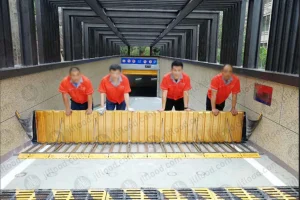
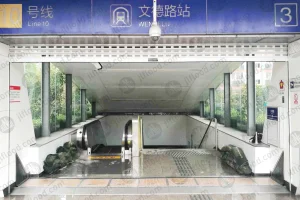
Subway concourse entrances, pedestrian passageways, and vent shafts represent primary points of catastrophic flood inflow. Systems customized for transit systems (such as Guangzhou Metro and Dalian Metro projects) incorporate stainless steel leaf modules, continuous sub-floor drainage connections, and anti-slip surface ribs to safeguard daily commuter flow while standing ready for extreme inundation.
High-voltage transformer substations, power distribution centers, and telecom switching hubs require uninterrupted flood defence. A flood breach here can cause millions in electrical equipment destruction and paralyze urban grids. Self-closing barriers installed at perimeter access gates ensure automated isolation of critical electrical assets even during unstaffed off-hours.
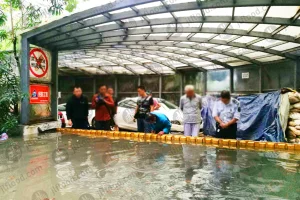
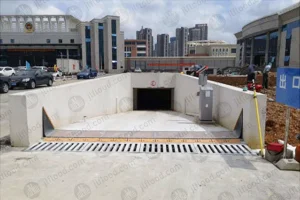
Basement parking ramps in commercial shopping centers, residential high-rises, and private estates act as natural reservoirs during storm runoff. Embedded mechanical self-closing flood gates sit flush with driveway slopes, accommodating heavy daily vehicular traffic without noise or vibration, automatically popping up when stormwater accumulates.
When issuing tender documentation or procuring directly from Chinese manufacturers, engineering procurement managers must ensure technical proposals include comprehensive structural and material compliance. Below is a checklist of critical specifications for global project integration:
Ensure structural panels are constructed from anodized 6063-T6 / 6005A-T6 aluminum alloy or 304/316 grade stainless steel. Embedded foundation frames must feature high-durability hot-dip galvanized steel or stainless casing to prevent sub-surface corrosion.
Specify maximum design water height (typically 500mm to 2000mm) and demand structural deflection limits non-exceeding L/250 under full hydrostatic load, backed by Finite Element Analysis (FEA) reports.
Embedded barriers require a concrete trench with integrated bottom drainage ports connected to gravity discharge or sump pumps to clear residual rainwater from the housing pit once floodwaters recede.
Require vendor pre-shipment inspection certificates confirming 100% full-scale water basin testing for seal tightness, automatic flotation responsiveness, and structural seal recovery.
Expert insights on mechanical self-closing flood barrier engineering, installation, and operation.
The system utilizes the hydrodynamic principle of buoyancy. The barrier panel rests horizontally inside a recessed foundation trench flush with the ground. When floodwaters roll in, water enters the trench through inlet grates. As water accumulates, the buoyant force overcomes the weight of the engineered panel, lifting it smoothly. As the water level rises further, hydrostatic pressure pushes the barrier leaf firmly against side seals and structural stops, locking it into a vertical retaining position without requiring sensors, motors, or human interaction.
Yes. Chinese factories engineer heavy-duty models (such as the Hm4d-0006 series) with high-tensile structural aluminum alloy or reinforced stainless steel tread plates supported by internal load-bearing ribs. These units are rated for axle loads of up to 60 tons (AASHTO HS-20 / Chinese Highway-I standards), allowing heavy commercial vehicles, fire trucks, and buses to pass over daily without damaging the barrier mechanism or structural trench.
As floodwaters recede, water inside the foundation chamber drains out via an integrated sub-floor gravity drain pipe or connected pump trench. As the water level drops, the buoyancy force decreases, and gravity gently lowers the barrier panel back into its horizontal resting position flush within the ground frame, ready for the next event.
Because there are no electrical components, motors, or electronic sensors, maintenance requirements are minimal. Routine preventive maintenance involves: (1) Periodic cleaning of the bottom trench to clear leaves, silt, or debris; (2) Visual inspection of the EPDM rubber seals for wear or UV aging; and (3) Semi-annual manual testing by filling the trench with water to verify smooth upward flotation and seal alignment.
Embedded installation: The foundation pit is cast into the concrete ground during civil works, allowing the barrier top plate to sit 100% flush with the road surface. Ideal for new subway gates, ramps, and high-end commercial projects.
Surface installation: The barrier frame is anchored directly onto existing flat concrete ground with slight ramp approaches on either side. Ideal for retrofit projects on existing buildings where excavating a deep trench is structurally restricted.
Chinese suppliers offer modular length designs. Standard single-leaf barrier modules range from 1.0m to 6.0m clear width, which can be linked seamlessly in series using intermediate pillar supports to cover driveways over 20 meters wide. Retaining heights generally range from 300mm up to 2000mm depending on site flood risk calculations.
Explore specific factory-direct models engineered for high-durability municipal and commercial infrastructure defense.

Whether you are designing a high-capacity urban subway line, retrofitting a commercial property basement, or establishing local agency distribution for civil protection equipment, our engineering team in China provides complete end-to-end technical support—including CAD interface drawings, FEA structural reports, custom manufacturing, and global export packaging.


