Direct factory solutions for subterranean entrances, rail transit networks, and power substations.
Navigating the paradigm shift from manual/active flood gates to unassisted passive hydrodynamic barriers.
As global climate disruption intensifies the frequency of hyper-localized extreme precipitation events (such as "100-year storms" occurring multiple times per decade), municipal infrastructure, commercial real estate developers, and civil defense engineers are re-evaluating traditional flood mitigation assets. Historical reliance on manual sandbags, motorized vertical lift gates, or electrically actuated flood doors has proven inherently vulnerable during catastrophic weather events. Power outages, grid failures, delayed human deployment, and sensor malfunctions during flash floods account for over 78% of flood barrier protection failures globally.
This whitepaper evaluates the engineering dynamics, procurement economics, and manufacturing ecosystem of China passive flood barriers—specifically hydrodynamic automatic flood gates pioneered by industry leaders like Nanjing Junli Technology Co., Ltd. Hydrodynamic passive barriers operate strictly on physical buoyancy and hydrostatic pressure principles, eliminating the need for electrical connectivity, external pumps, human intervention, or electronic sensors. When floodwater reaches a pre-calibrated threshold, the system autonomously deploys to protect subterranean basements, subway entrances, high-voltage transformer substations, and critical transportation hubs.
Deep dive into hydro-buoyancy physics, structural loading limits, and dual-sealing elastomeric matrices.
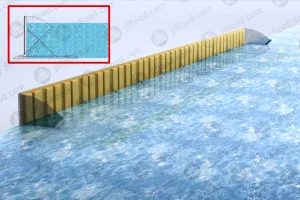
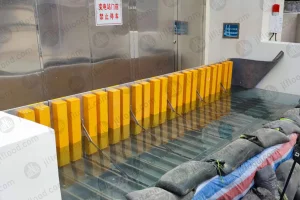
The core mechanism utilizes a recessed stainless-steel ground foundation basin. When surface floodwaters approach the barrier threshold, water flows into the bottom collection basin through intake grilles. As the basin fills, buoyancy forces act upon the structural door leaf (engineered with closed-cell high-density composite core aluminum), causing the panel to automatically pivot upward around its stainless-steel hinge shaft.
As the flood level rises against the outer face of the fully upright panel, hydrostatic head pressure increases exponentially. This pressure pushes the panel tightly against the lateral frame uprights and bottom sealing interfaces. The higher the floodwater level, the greater the compressive force exerted on the elastomeric gaskets, guaranteeing a tighter fluid barrier.
Junli's engineering architecture features multi-stage EPDM (Ethylene Propylene Diene Monomer) vulcanized rubber profile gaskets combined with silicone wiper seals. Resistant to UV degradation, extreme temperature fluctuations (-40°C to +90°C), and chemical contaminants found in urban runoff, this dual-seal system maintains zero-leakage performance over 20-year operational horizons.
Engineered for high-traffic environments such as underground parking ramps and industrial utility gates, passive flood barriers are subjected to severe vehicular wheel loads (up to AASHTO HS-20 or Eurocode load classes) when stowed flat in the ground basin. The top surface plate is constructed from heavy-duty checkered stainless steel (SUS304/SUS316) or high-tensile 6063-T6 aluminum alloy reinforced with internal I-beam web stiffeners.
| Structural Metric | Surface Mounted (e.g. Hm4d-0006E) | Embedded Type (e.g. Hm4e-006C) | Heavy-Duty Gate (Hm4d-0006C) |
|---|---|---|---|
| Standard Retaining Heights | 500mm – 1200mm | 600mm – 2000mm | 1000mm – 2500mm+ |
| Load-Bearing Capacity | 5 – 10 Tons Axle Load | 20 – 40 Tons Heavy Truck | 40 – 60 Tons Heavy Industrial |
| Installation Profile | On-slab retrofitting without trench excavation | Flush recessed ground trench installation | Deep foundation civil embedding |
| Primary Target Application | Metro stations, building doorways, historic retrofits | Underground garage ramps, logistics hubs | Power substations, critical infrastructure gates |
Understanding price structures, OEM/ODM manufacturing standards, and RFQ evaluations for Chinese factories.
When engineering consultants, EPC contractors, and procurement executives solicit quotes for flood protection systems, cost estimation extends far beyond basic unit FOB pricing. Evaluating Chinese manufacturers requires a holistic review of raw material grades, structural safety factors, dynamic seal testing, and export compliance engineering.
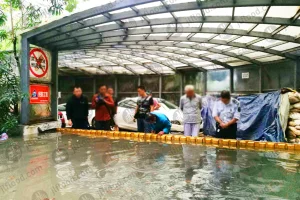
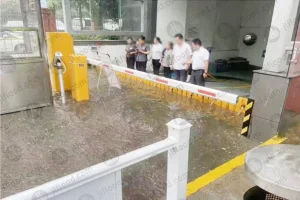
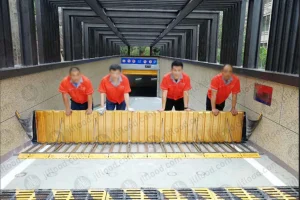
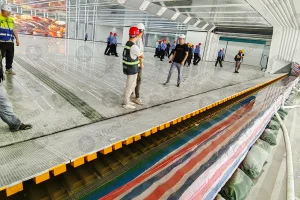
Verified performance of Junli hydrodynamic automatic flood barriers in full-scale water tests.
Field-proven deployments across transit networks, power grids, commercial assets, and civic infrastructure.
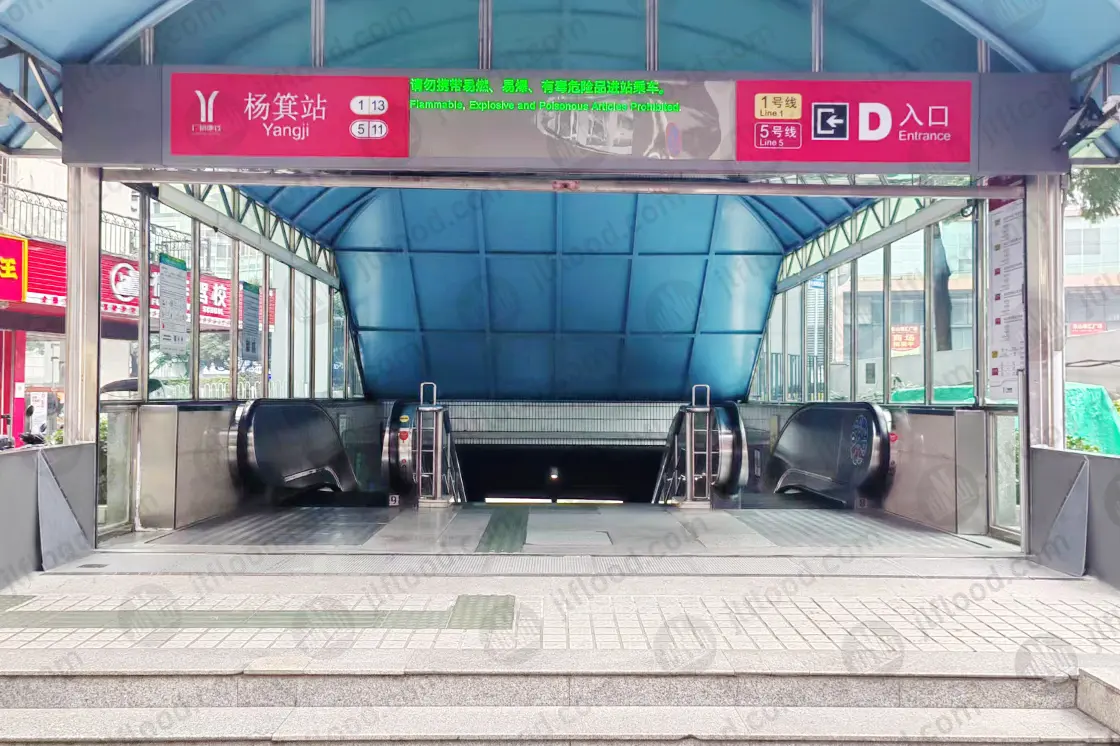
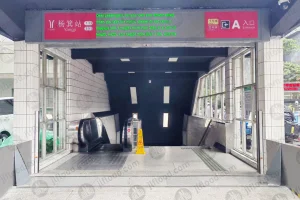
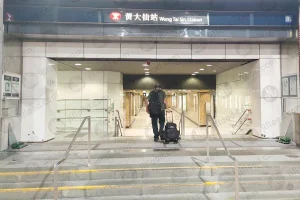
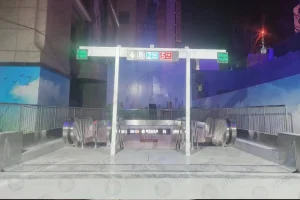
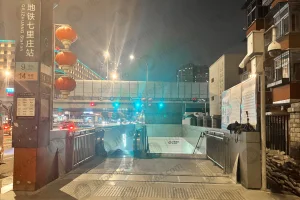
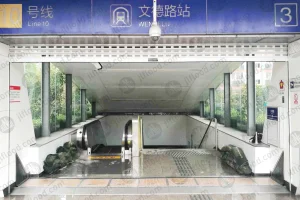
Deployed across metro networks in Guangzhou (Yangji Station), Dalian, Beijing, Suzhou, Shenzhen, and Hong Kong. Flushes perfectly with street pavement levels during normal operations, self-erecting instantly during severe typhoon storm surges to prevent water ingress into underground passenger tunnels.
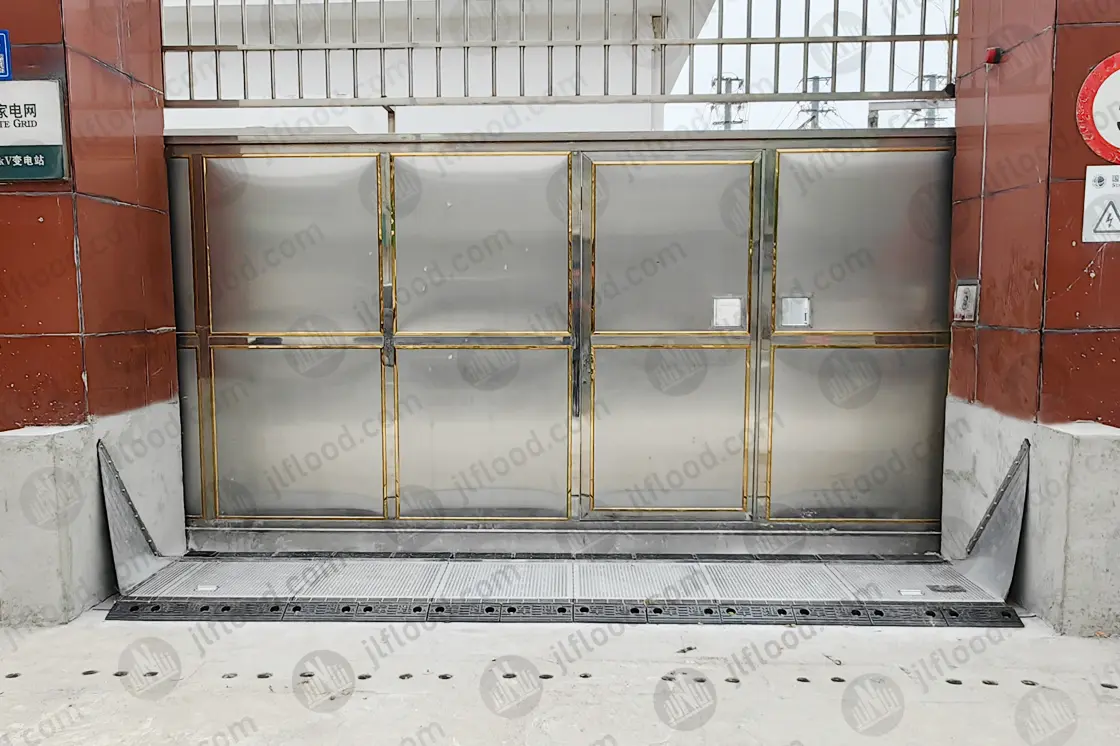
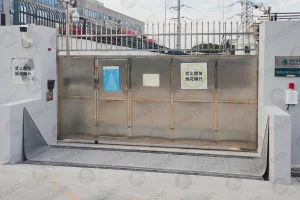
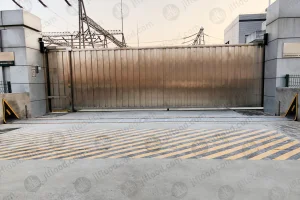
Protection engineered for electrical substations and cable trenches in Jiangsu, Beijing, and Anhui. Safeguards critical transformers and high-voltage gear against catastrophic short-circuit failures caused by urban surface water accumulation.
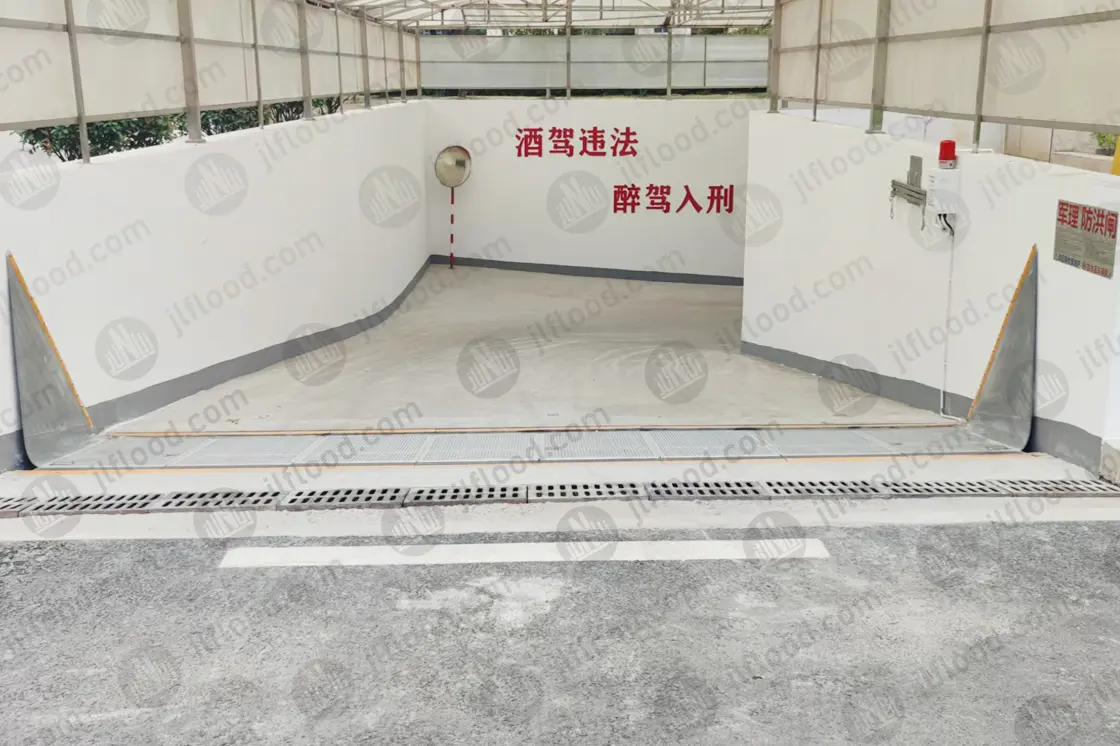
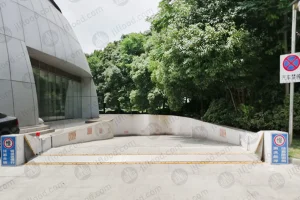
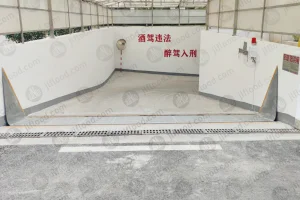
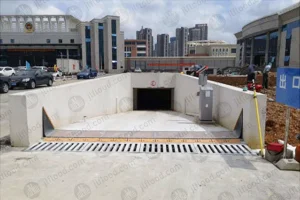
Flush-mounted drive-over barrier systems installed across residential car parks, hospital emergency entrances, and retail centers (including Hefei Wanda Plaza). Handles daily heavy vehicular traffic while maintaining 24/7 passive flood readiness.
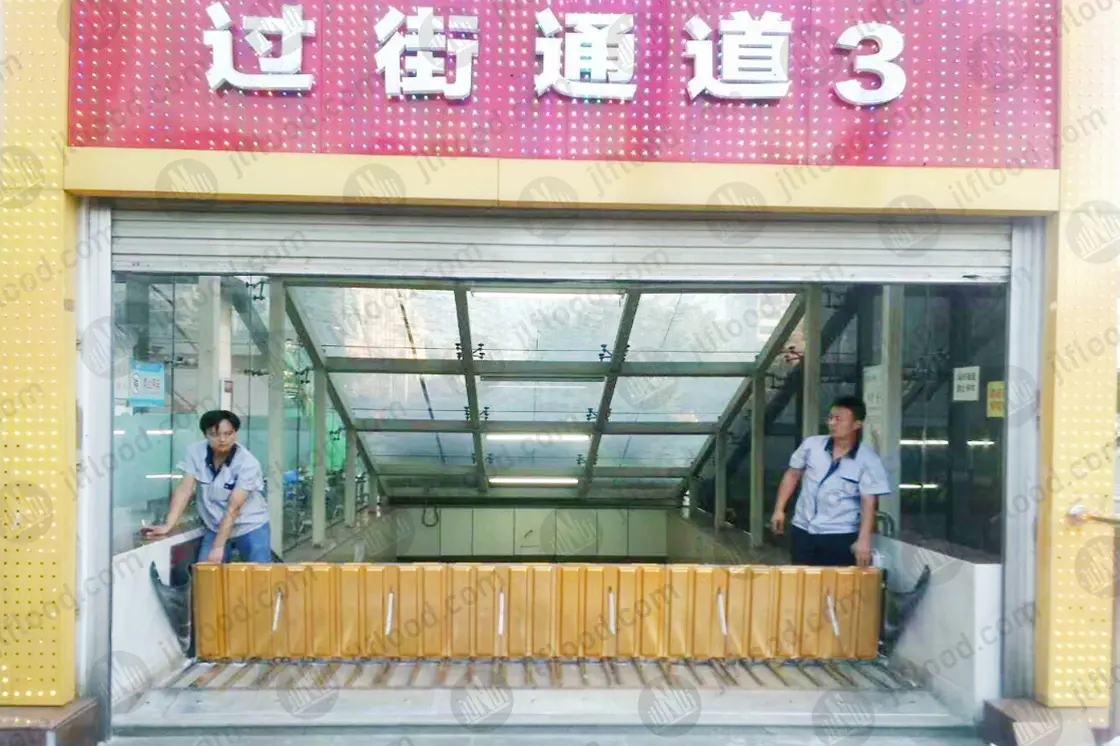
Heavy-duty barrier deployments at Jinan civil-defence street crossings, Guilin South Railway Station concourses, and Guangzhou Airport landside facilities. Ensures zero downtime for vital transportation logistics during extreme weather.
Aligning Chinese manufacturing with international engineering codes and project specifications.
Overseas project procurement requires rigorous compliance with destination civil engineering standards, building codes, and import regulatory frameworks. Junli Technology ensures all exported passive flood barriers strictly conform to global quality benchmarks:
Barrier structures are calculated in alignment with BS EN 1993 (Eurocode 3: Design of steel structures) and ASTM F3127-16 (Standard Guide for Flood Barrier Systems). Weld integrity complies with AWS D1.1/D1.2 structural welding standards.
Prior to shipment, products can undergo third-party witness testing (SGS, TÜV, or Bureau Veritas) in our dedicated hydraulic test basin. Leakage rates are measured in liters/hour per meter of wetted perimeter under full hydrostatic design head.
Every export shipment includes comprehensive civil interface structural drawings, embedment templates, rebar clearance requirements, English O&M manuals, and a 10-year warranty certificate for structural components.
Integrating Smart IoT telemetry, self-diagnostic sensors, and ultra-durable composite materials.
While the mechanical operation of passive flood barriers remains 100% power-free and hydrodynamic, the integration of smart monitoring technologies represents the next frontier in urban asset management. Junli Technology's R&D team in Nanjing is actively advancing three core innovation tracks:
Integrating ultra-low-power NB-IoT/LoRaWAN water level micro-sensors within the basin chamber. When water ingress initiates panel movement, automated signal alerts are transmitted to municipal SCADA systems and property managers' mobile devices in real time.
Developing ultra-lightweight carbon-fiber composite barrier leaves that reduce panel mass by 40% compared to traditional aluminum, allowing ultra-fast hydrodynamic deployment in sub-0.05 second response windows.
Incorporating hydro-scouring bottom flumes and angled sediment deflector plates to prevent silt, leaves, and urban debris from interfering with bottom hinge rotation during multi-day storm cycles.
Expert answers to common engineering, procurement, and installation inquiries.
Explore specialized substation gates, flip-up barriers, and high-capacity metro systems.
Chinese National High-Tech Enterprise specializing in intelligent flood control engineering, civil defense barrier systems, and hydrodynamic protection solutions.
Contact our engineering desk with your project's clear width, design flood height, and site opening dimensions for a customized hydrodynamic barrier proposal within 24 hours.
Submit Project Engineering RFQ