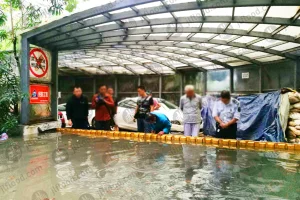
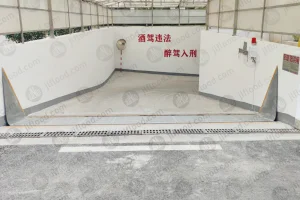
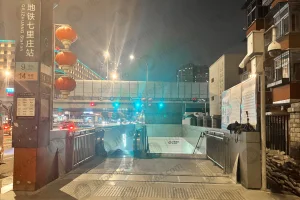
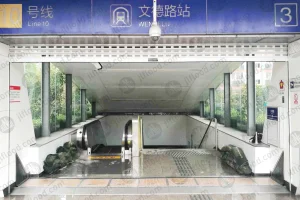
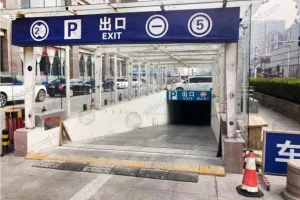
Explore our primary industrial flood protection assemblies engineered for high-durability passive water retention, rapid deployment, and structural compliance.
Rapid urbanization, combined with extreme hydrometeorological events linked to global climate shift, has rendered traditional manual sandbag defenses and reactive pumping stations insufficient for modern municipal infrastructure. Cities globally are experiencing unprecedented surface water runoff, cloudburst events, and flash flooding. In critical underground civil structures—such as subway entrance portals, underground transformer substations, commercial parking garages, and utility vaults—flooding leads not merely to localized property damage, but to catastrophic economic disruption, infrastructure paralysis, and life-threatening hazards.
As a leading China Quick Dam Flood Barrier Manufacturer and hydrodynamic gate developer, Nanjing Junli Technology Co., Ltd. pioneers passive hydrodynamic safety engineering. Unlike standard temporary quick dams or manual waterbags that require extensive labor, real-time warning lead times, and logistical deployment under severe weather, our engineered automatic self-rising flood barriers operate strictly on physical principles: hydrostatic uplift and fluid buoyancy dynamics.
To achieve verifiable high-level performance without human intervention, our structural engineering team utilizes specialized mechanical dynamics. The system consists of an embedded bottom frame (foundation casing panel), a buoyant door leaf (structural barrier panel), continuous rubber sealing elements, and dual-side hydraulic damping regulators.
When flash flood waters overflow the curb line, water enters the recessed foundation basin through the stainless steel top intake grates. As water collects in the chamber, Archimedian buoyancy acts directly beneath the hollow air-sealed aluminum alloy leaf.
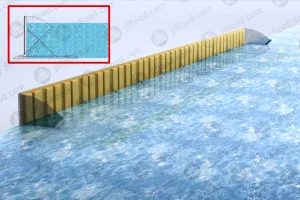
As the fluid level inside the basin rises, the buoyancy vector overcomes the resting weight of the barrier panel. The panel pivots smoothly around its bottom stainless-steel hinge axle, extending upward to form a rigid structural wall against incoming flow.
Once fully deployed (typically at a 75° to 90° inclination), external floodwater pressure pushes the panel tightly against the side upright frames. The higher the flood level, the tighter the compression seal becomes against specialized dual-lip EPDM gaskets.
Building high-yield flood barriers requires rigorous raw material selection to withstand hydrodynamic wave impact, debris strikes, and heavy vehicle traffic rolling over ground plates during normal dry operation:
| Component Element | Material Grade / Specification | Engineering Function & Advantage |
|---|---|---|
| Main Barrier Panel | Extruded Aircraft Aluminum Alloy 6063-T6 / T5 | High strength-to-weight ratio, high corrosion resistance, maximum natural buoyancy uplift without deformation. |
| Embedded Frame Casing | Hot-Dip Galvanized Structural Steel / Stainless Steel 304/316 | Immense subterranean load-bearing capacity (tested up to FEA 40-Ton vehicle load capability). |
| Primary Water Gaskets | EPDM (Ethylene Propylene Diene Monomer) Elastomer | UV-resistant, anti-aging, chemical resistance, maintaining seal flexibility from -40°C to +120°C. |
| Side Wall Wall Seals | Self-Lubricating Fluororubber & Polyurethane Composite | Ensures zero-friction deployment during rising water while offering leak-proof side compression. |
| Deployment Regulators | 316 Stainless Steel Hydraulic Damper Springs | Prevents sudden mechanical slam; stabilizes panel movement during high-velocity surface water currents. |
When global EPC contractors, architectural specifiers, and municipal procurement heads evaluate flood control suppliers, China presents an unprecedented combination of advanced metallurgy, raw material integration, rapid manufacturing scalability, and rigorous quality assurance. Located in Nanjing, Jiangsu Province—at the heart of China’s advanced transportation and civil engineering manufacturing hub—Nanjing Junli Technology Co., Ltd. delivers distinct supply chain benefits:
Unlike generic fabricators who assemble off-the-shelf components, our plant houses complete aluminum extrusion processing lines, laser cutting systems, automatic robotic welding bays, and standardized hydrostatic testing pools.
Every single flood gate batch undergoes 100% full-scale water retention testing in our internal hydraulic pool prior to export. Leakage rates are measured against strict international thresholds (≤0.05 L/min per linear meter).
We provide complete CAD engineering shop drawings, 3D BIM models for site integration, structural load calculation certificates, and civil trench embedment templates tailored specifically to international building codes.
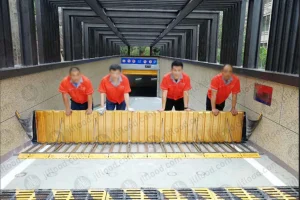
Different architectural openings present unique operational constraints. A quick dam flood barrier installed at a metro station requires seamless human foot-traffic safety, while a car park ramp must withstand heavy rolling vehicular wheel loads. Below is our engineered breakdown across sectors:
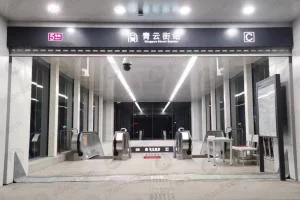
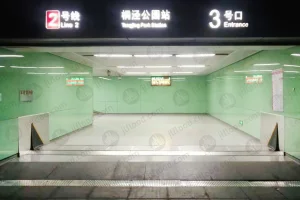
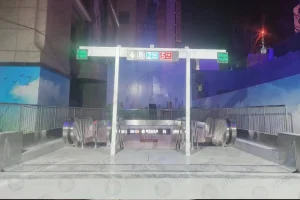
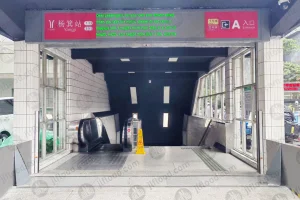
Deployed at pedestrian station entrances, connection channels, and vent shafts. Flush surface embedding ensures pedestrians walk smoothly without tripping hazards during sunny weather. Proven across Beijing, Guangzhou, Suzhou, and Dalian metro networks.
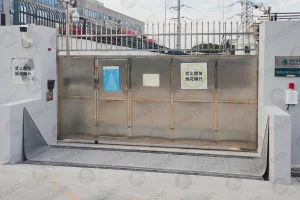
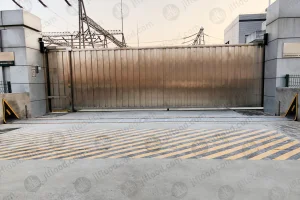
Guarding electrical transformer rooms, cable trenches, and perimeter gates. Flooding in electrical substations causes massive power grid failure. Hydrodynamic barriers pop up instantaneously when flash floods threaten power facilities.
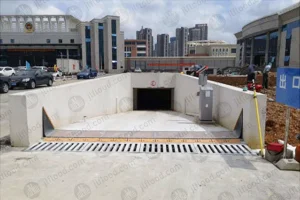
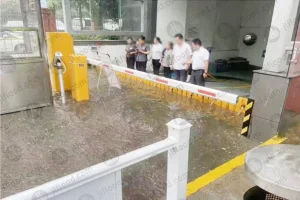
Fitted at garage entrance ramps of commercial shopping malls, hospitals, and residential compounds. Heavy-duty ground frames permit vehicles to drive over continuously while keeping water out when rainstorms strike.
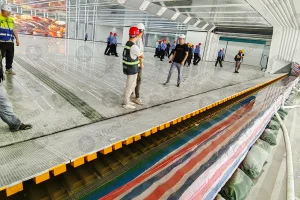
Specialized large-span modular barriers engineered to protect underground pedestrian underpasses and military civil defense facilities against surface runoff inundation and extreme weather emergencies.
When specifying flood retention barriers for international commercial tenders, procurement consultants must compare dynamic self-rising mechanisms against traditional temporary flood protection choices:
| Evaluation Parameter | Junli Hydrodynamic Auto Flood Barrier | Traditional Sandbags & Water Bags | Manual Demountable Aluminum Planks |
|---|---|---|---|
| Labor Requirement | 0 Persons (100% Unattended) | 10-20 Personnel required | 2-4 Technicians required |
| Power / Electricity Need | Zero Power (Hydro-buoyancy) | None | None |
| Deployment Response Speed | Instantaneous (< 30 Seconds) | 2 to 5 Hours manual piling | 30 to 60 Minutes assembly |
| Esthetic & Storage Footprint | Hidden Flush Ground Trench | Large storage area required | Dedicated rack storage room |
| Life Expectancy | 20+ Years Continuous | Single-use / Single season | 5-10 Years (Seal wear) |
| Operational Risk | Zero Human Error Risk | High risk of delayed deployment | High risk during sudden night storm |
Browse our extended product lineup including specialized metro models, self-opening/closing barrier gates, and embedded ground assemblies.
Whether you are designing a new urban metro extension, upgrading a regional electrical power grid, or retrofitting an existing commercial park garage, our engineering team provides complete support from structural design to site commissioning.