Explore standard & customized self-closing hydrodynamic flood protection systems engineered for metro portals, power substations, and industrial facilities.
Rapid climate shift and urbanization have led to severe cloudburst events worldwide, putting underground metro lines, high-speed rail hubs, sub-stations, and commercial basements at catastrophic risk of inundation. The conventional reliance on manual sandbags, motorized flood walls, or human-operated sluice gates has consistently demonstrated fatal single points of failure—specifically electrical grid collapse during storms, delayed response times due to traffic jams, and human operational errors in chaotic emergency situations.
The contemporary standard specified by Tier-1 EPC contractors and Municipal Transit Authorities centers on unpowered hydrodynamic automatic flood barriers. Engineered and pioneered by leading OEM manufacturers such as Nanjing Junli Technology Co., Ltd., these passive safety barriers utilize the physical principles of hydrodynamic buoyancy and hydrostatic head pressure to deploy automatically without grid reliance, sensor arrays, or manual labor.
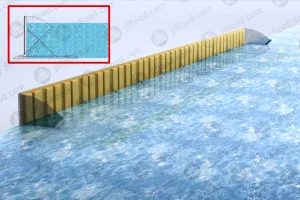
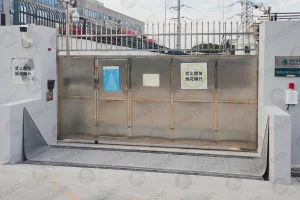
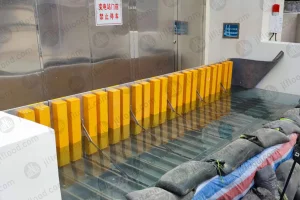
When surface runoff flows into the foundation basin embedded at the entrance threshold, water pressure instantly triggers the buoyancy chamber. As water levels rise inside the pit, the engineered aluminum alloy or stainless steel door panel rotates smoothly around a heavy-duty pivot hinge, locking against industrial EPDM dual-lip gaskets. The rising water itself forms the physical barrier, producing a tight seal proportional to the external flood height.
As detailed in civil engineering audits across 30+ metro systems, passive hydrostatic deployment eliminates catastrophic operational lag. When a typhoon disables local electrical substations, Junli’s self-closing barriers maintain 100% operational readiness, automatically retracting back flush into the ground once stormwaters recede through integrated sub-surface drainage pathways.
The global market for automatic metro flood protection solutions is experiencing exponential growth, driven by stringent municipal regulatory mandates and revised insurance risk criteria. Institutional infrastructure investors now mandate resilient climate adaptation (Nature-Based & Passive Engineering Solutions) for underground transportation assets, high-voltage transformer substations, and critical logistics hubs.
Underground metro portals represent extreme liability zones. A single breach can submerge miles of electrified tunnels, resulting in multi-billion-dollar train set destruction and long-term transit downtime. International transit operators are replacing manual stop-logs with surface-mounted and embedded hydrodynamic gates to secure stairwells, ventilation shafts, and connection tunnels.
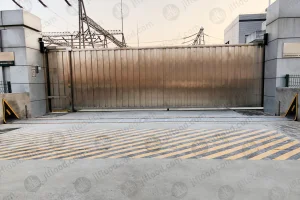
Electric utilities demand robust perimeter flood defense. Water ingress into high-voltage switchgear rooms leads to catastrophic short circuits and city-wide blackouts. Self-closing barriers installed at substation vehicle access gates offer 24/7 unpowered protection against flash floods without interfering with heavy transformer transport.
Property developers face escalating insurance premiums for underground car parks and logistics docks. Auto-rising barriers provide an invisible flood wall flush with the asphalt that supports heavy vehicle drive-over traffic up to 40+ tons (D400 load rating), rising only when water arrives.
As the world's primary manufacturing hub for advanced hydrodynamic flood protection systems, Chinese factories have integrated Industry 4.0 automated production pipelines, high-precision robotic laser welding, structural finite element analysis (FEA), and real-water simulation test pools to set global benchmarks for structural integrity and sealing longevity.
Companies like Nanjing Junli Technology Co., Ltd. (located at No.104 Shi Men Kan, Qinhuai District, Nanjing, Jiangsu, China) exemplify this advanced manufacturing approach. Moving beyond traditional structural steel fabrication, Junli integrates four specialized technological domains: Intelligent Civil Defence, Intelligent Flood Control, Intelligent Bridges, and Intelligent Energy infrastructure.
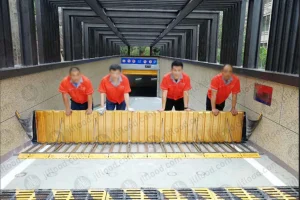
Every customized barrier leaf undergoes rigorous hydrostatic stress testing in dedicated hydraulic testing pools prior to export. Leak rates, dynamic lift speed, and seal compression profiles are certified with fully traceable documentation for engineering compliance.
Frames and leaf structural panels are engineered using high-strength 6063-T6 marine aluminum extrusions and 304/316L stainless steel cores. Reinforced internal ribs guarantee compliance with heavy vehicular load ratings (up to AASHTO HS20 and EN124 D400).
By leveraging China's complete industrial ecosystem, Junli delivers custom-engineered flood gates with rapid lead times, direct factory quotes, OEM branding support, and worldwide delivery logistics supported by complete technical drawing packages.
Junli hydrodynamic automatic flood barriers are field-proven in extreme rainstorms and typhoons across major metropolitan centers including Guangzhou, Beijing, Suzhou, Shenzhen, Dalian, and Hong Kong.
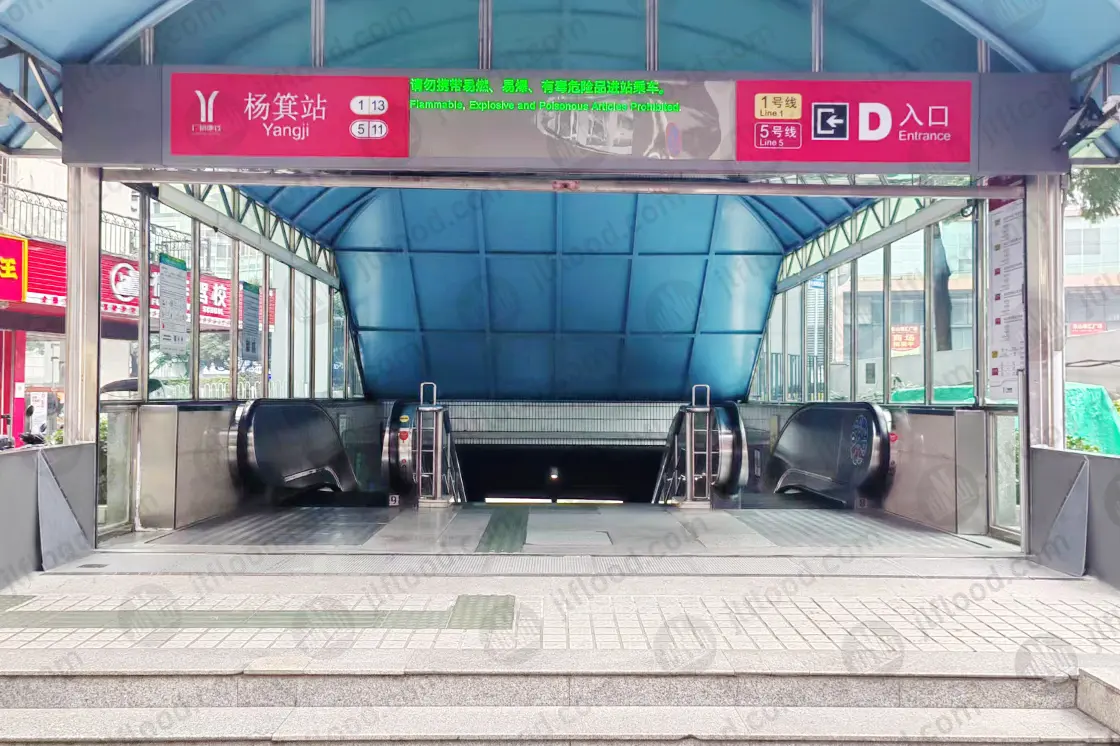
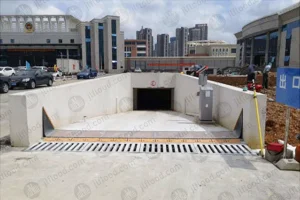
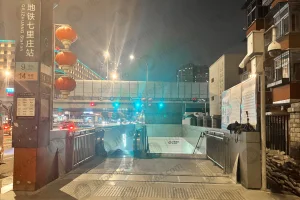
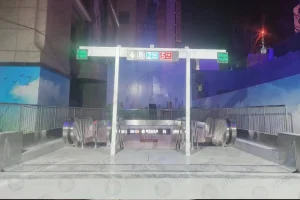
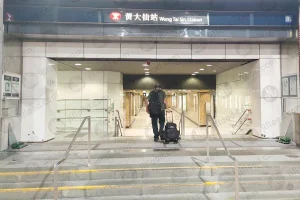
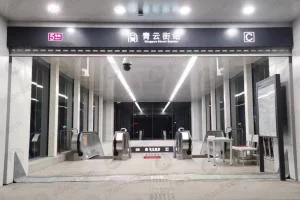
Deployed across high-volume transit station entrances and connection corridors to provide zero-power flood isolation during tropical storm surges.
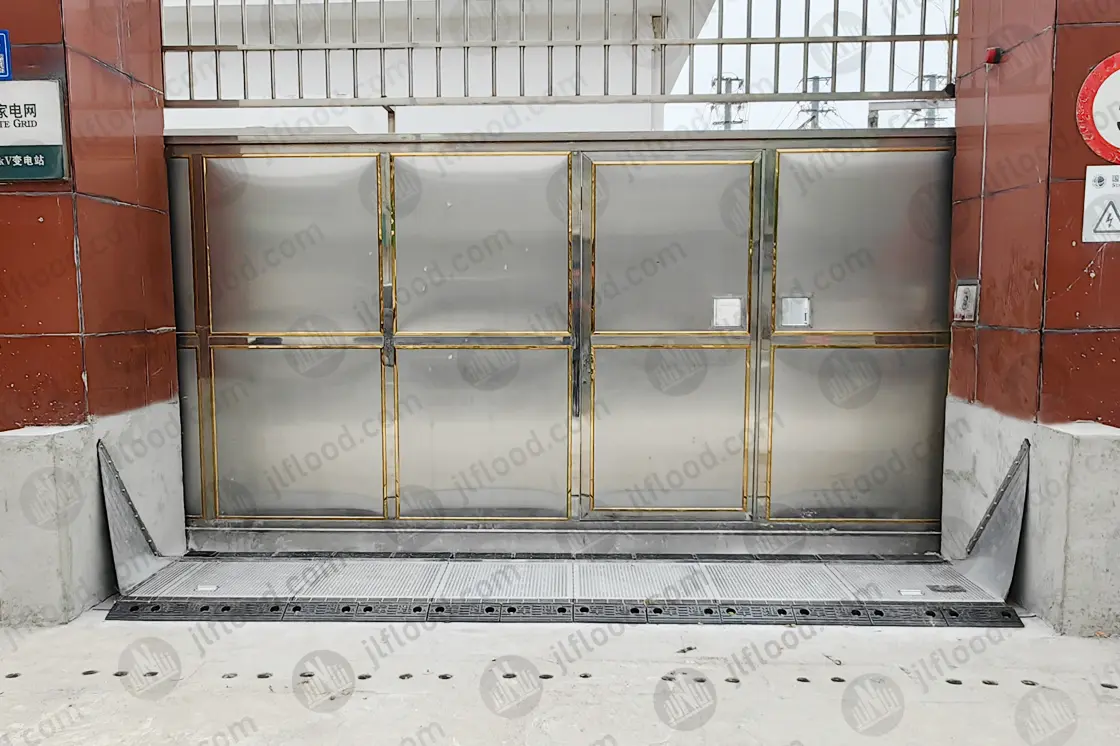
Automated perimeter flood gates installed at main transformer transport bays, preventing water ingress while seamlessly handling daily heavy maintenance vehicles.
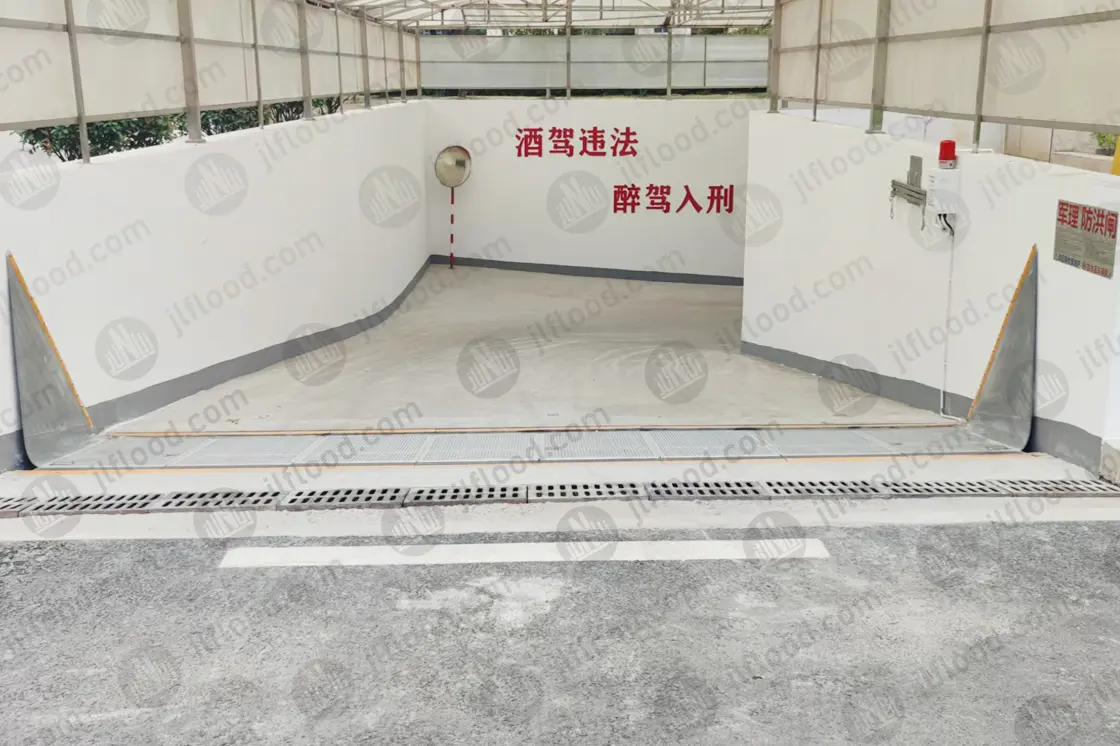
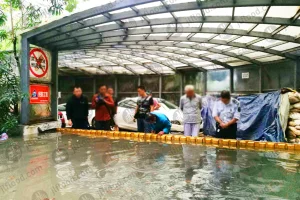
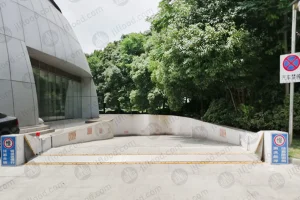
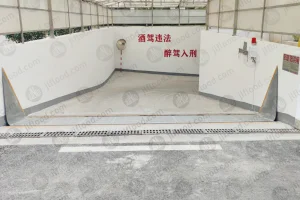
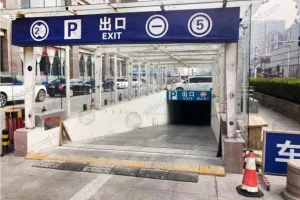
Flush embedded auto-rising barriers installed at parking garage access ramps, safeguarding thousands of vehicles during intense urban cloudbursts.
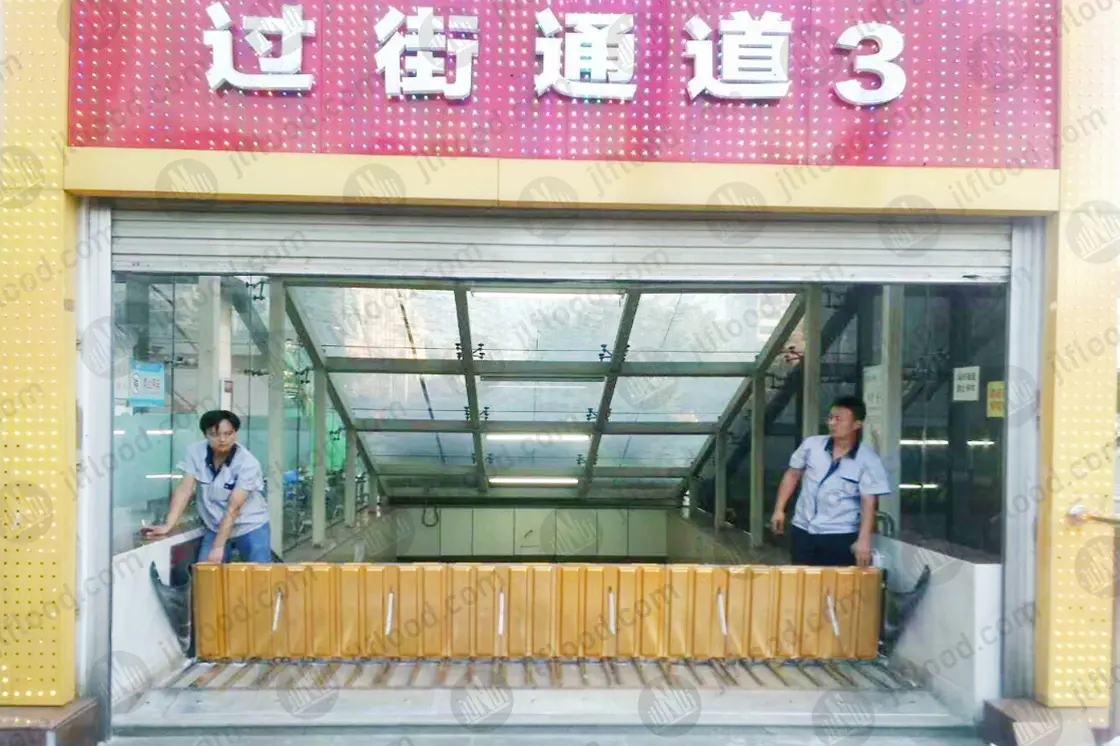
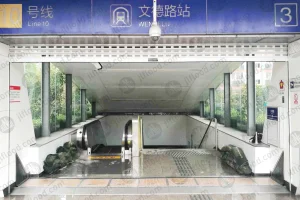
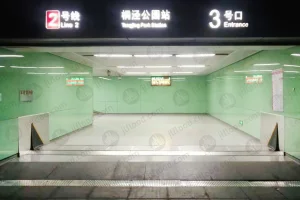
Heavy-duty municipal flood gates securing underground retail pedestrian tunnels and civil defense passages without impairing daily pedestrian traffic flow.
Specifying engineers and procurement officers must evaluate critical architectural parameters when selecting automatic hydrodynamic flood gates. Below is an engineering comparison matrix for the main structural configurations offered by OEM manufacturers.
| Parameter / Feature | Embedded Type (HM4D-0006D) | Surface Installation (HM4D-0006E) | Flip-Up Automatic Model |
|---|---|---|---|
| Civil Work Prep | Recessed pit / concrete trench required | Direct flat ground anchoring (Retrofit) | Wall or side-frame mounting |
| Drive-Over Capability | D400 (Heavy vehicles / Buses / Trucks) | C250 (Light vehicles / Cars) | Pedestrian / Light equipment carts |
| Retaining Height | 0.5m to 2.0m (Customizable) | 0.3m to 1.0m | 0.4m to 1.2m |
| Activation Power | Hydrodynamic / 0 kWh Passive | Hydrodynamic / 0 kWh Passive | Hydrodynamic or Counter-weight |
| Primary Application | Metro entrances, main garage ramps | Existing buildings, retrofit sites | Equipment doors, cable trenches |
When requesting factory-direct quotes for China flood barriers, pricing is calculated based on structural engineering inputs rather than arbitrary off-the-shelf unit fees. Primary quotation drivers include:
Clear, authoritative technical answers regarding specification, installation, and long-term maintenance of self-closing hydrodynamic flood barriers.
The barrier panel is installed flush within a recessed sub-surface foundation trough. During surface flooding, water enters the bottom basin through inlet grilles. The incoming hydrostatic head creates buoyancy under the buoyant air-chamber panel, causing it to pivot upwards automatically. As water rises higher, it forces the barrier panel tightly against its frame sealing gaskets. The system requires zero electrical power, sensors, motors, or manual operators, guaranteeing operation during total storm power blackouts.
Yes. Junli embedded hydrodynamic barriers (such as the HM4D series) are structural load-tested to withstand axle weights exceeding EN124 D400 standards (up to 40-ton vehicle drive-over). High-tensile aluminum alloy construction and internal structural support beams absorb heavy vehicle dynamic loads without affecting the underlying hinge mechanism.
Because the system has no motors or hydraulic pumps, maintenance is minimal. Routine procedures consist of periodic debris clearing from the bottom recessed trench (facilitated by removable top stainless steel covers), inspecting the EPDM sealing strips twice a year, and performing an annual manual flush-water lift test.
For wide entrances, modular barrier leaves are connected in series using removable intermediate posts or interlocking side seals. This allows unlimited horizontal span protection while maintaining easy access during dry operational periods.
Junli supplies complete English engineering CAD/BIM drawing sets, structural calculation reports, embedded template dimensions, step-by-step civil construction manuals, and remote video commissioning assistance. On-site engineer dispatch for large-scale transit contracts can also be arranged.
Explore additional specialized flood gate configurations certified for metro portals, power substations, and critical public utility doors.
Partner with Nanjing Junli Technology Co., Ltd. for certified hydrodynamic self-closing flood barrier engineering, customized OEM specifications, and global tender support.