
Field-proven automatic flood defence solutions manufactured for underground stations, vehicular tunnels, and power substations.
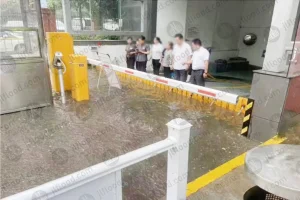
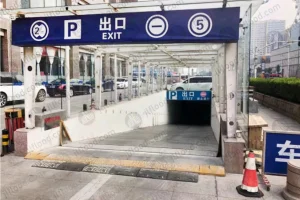

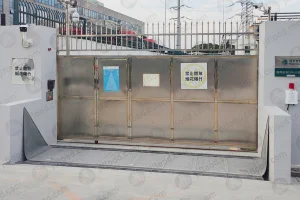
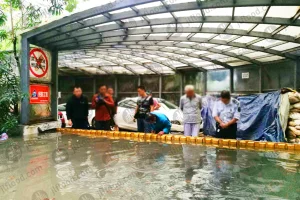
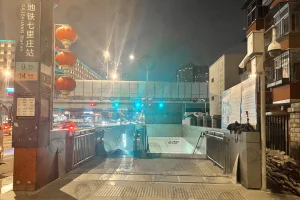
Analyzing the shift from manual flood boards to hydrodynamic self-closing flood gates in modern underground rail transit protection.
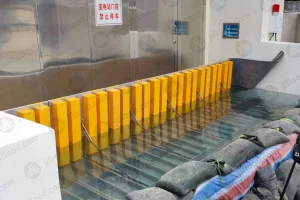
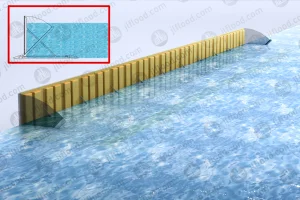
Unlike electromechanical barriers vulnerable to grid failure during extreme storms, hydrodynamic gates leverage fluid dynamics and buoyancy principles. Entering water flows into a sub-surface retention chamber, automatically raising the retaining wall as water levels rise.
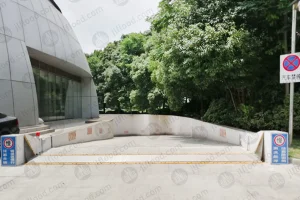
Installed flush with the pedestrian line or vehicular access ramp, the system remains completely hidden during dry conditions. Vehicles and commuters pass seamlessly overhead without structural obstruction or tripping hazards.
Constructed from high-tensile structural aluminum alloys (6063-T6 / 6005A-T6) or 316 stainless steel, engineered to withstand high hydrostatic pressure, dynamic surge wave impacts, and urban debris loads up to 30kN/m².
How municipal transit authorities, general contractors, and EPC consultants evaluate high-capacity flood defence manufacturers.
International procurement frameworks demand compliance with international hydraulic engineering standards. Key evaluation criteria include FM Approvals 2510, BS EN 124 (for load bearing frames), and ISO 9001 quality management verification. Chinese tier-1 manufacturers offer fully audited test protocols.
Selecting self-closing passive systems over active motorized gates eliminates ongoing electrical maintenance, sensor calibration, standby battery replacements, and human operation risks. This yields up to a 65% reduction in 20-year Total Cost of Ownership (TCO).
Every metro station presents distinct civil geometries. Leading Chinese manufacturers deliver fully configured Revit BIM models, AutoCAD detail drawings, and structural load calculations tailored to exact station entrance invert levels and curb heights.
Evaluating flood defence modalities for subway entrance portals, underground connection channels, and electrical substations.
| Technology Vector | Hydrodynamic Self-Closing Barrier | Electromechanical Flip-Up Barrier | Manual Aluminum Stop-Logs |
|---|---|---|---|
| Power Reliance | 0% (100% Passive Hydraulic) | Requires AC Power / Battery Backup | Manual Assembly Required |
| Deployment Speed | Instantaneous (< 30 seconds) | 1 to 3 Minutes (Motor Driven) | 30 to 60 Minutes (Human Dependent) |
| Human Operator Risk | Zero Human Interaction | Remote / Manual Switch Required | High Exposure to Flood Risk |
| Sealing Efficacy | Continuous Dynamic EPDM Gasket | Mechanical Edge Seals | Interlocking Beam Compression Seals |
| Pedestrian / Vehicle Obstruction | 100% Flush to Grade | Raised Threshold Frame | External Storage Required |
| 20-Year Maintenance Cost | Ultra-Low (Visual Inspection) | High (Motors, Sensors, Wiring) | Medium (Storage & Periodic Drills) |
The hydrodynamic mechanics behind China's state-of-the-art self-opening and closing flood barrier systems.
Initial surface runoff enters through stainless steel drainage grilles into the subterranean foundation basin. As the basin fills, buoyancy forces act upon the engineered hollow-core barrier panel, initiating smooth angular rotation around stainless steel pivot hinges.
As water height escalates, hydrostatic pressure forces the barrier panel against side wall uprights. High-density EPDM rubber compression seals expand under hydraulic pressure, forming a watertight barrier capable of zero-leakage performance under extreme head levels.
Following flood water recession, integrated sub-surface drainage channels slowly empty the foundation chamber. Internal mechanical damper dampers govern the return rate, lowering the gate flush back into its embedded ground housing without impact stress.
Protecting vital metro networks across major urban centers prone to typhoon sea surges and extreme pluvial rainstorms.
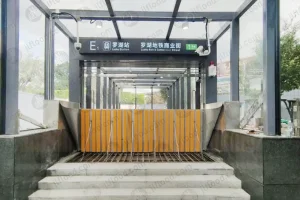
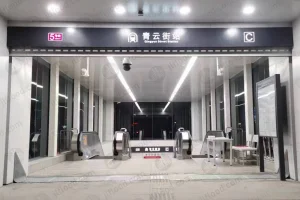
Equipped numerous coastal station entrances with custom-engineered hydrodynamic flood barriers. Certified under severe winter typhoon conditions, blocking saltwater tidal surges and maintaining uninterrupted subway operation.
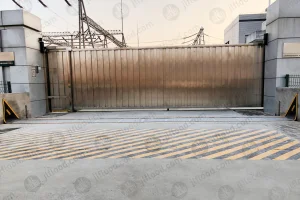
Delivered heavy-duty embedded automatic barriers for electrical distribution centers powering metropolitan mass transit grids, eliminating risk of subterranean electrical shorts during flash flooding events.
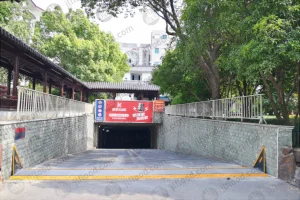
Integrated wide-span modular flood gates across inter-connecting subway passages and underground shopping plaza interfaces, providing continuous protection without compromising foot traffic design.
Ensuring seamless installation, full civil alignment, and international project handovers.
Every shipment is backed by structural Finite Element Analysis (FEA) reports, material mill certificates, EN 10204 3.1 compliance documents, full-scale factory water pressure test records, and comprehensive English maintenance manuals.
To guarantee civil embedment accuracy, Chinese engineering specialists provide standardized embedding frames, detailed rebar layout templates, on-site supervision, and remote video commissioning support for global projects.
Engineered for a 20+ year design life. Supply chains maintain standardized replacement EPDM gasket kits, mechanical damper spares, and corrosion-resistant hardware for long-term operational peace of mind.
Explore our full line of flip-up, embedded, surface installation, and substation-specific flood barriers.
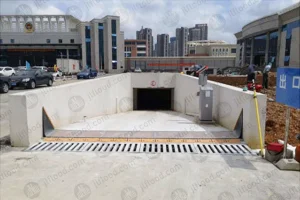
Direct technical answers regarding self-closing flood gates, civil integration, maintenance protocols, and ordering options.
The system operates completely independent of electrical power, hydraulic pumps, or motor actuators. The mechanism uses fluid buoyancy and hydrostatic pressure. When floodwater reaches the ground level retention threshold, it fills a sub-surface basin, floating the barrier leaf upwards. As water levels increase, the hydrostatic head locks the barrier against elastomeric dynamic seals, preventing water ingress even during complete grid blackouts.
Standard modular units accommodate retaining heights from 0.5 meters to 2.0 meters. Single clear spans can be engineered up to 6.0 meters per leaf. For wide metro station entrances exceeding 20 meters, modular inter-connecting mullions or multi-leaf sync arrays are utilized to create continuous, seamless protection lines.
The system features top-mounted, heavy-duty stainless steel debris filter grilles that prevent large objects from entering the chamber. The internal basin is designed with sloping drainage channels toward a central sump connection. Regular maintenance involves simple quarterly visual inspections and flushing out fine sediment with a standard water hose.
When fully retracted flush to the ground, the system cover plates and frame structure meet heavy-duty axle load requirements up to AASHTO HS-20 / EN 124 Class D400 (40 Tonne vehicle rating), ensuring that emergency service vehicles and maintenance trucks can drive over the barrier safely.
Yes. Every manufactured unit undergoes 100% full-scale hydraulic pool testing in our factory test basin. We measure elevation speed, seal deflection, hydrostatic yield stress, and leak rate compliance. Clients receive third-party witnessed inspection videos and formal FAT certificates prior to international shipment.


