



Explore our certified zero-energy self-closing flood gates designed for metro stations, civil transit channels, and high-risk urban infrastructure.
In an era defined by intensifying global hydrometeorological anomalies, flash flooding and extreme monsoon waterlogging present existential threats to urban underground infrastructure. Modern metropolises rely heavily on subterranean assets—including mass rapid transit (MRT) networks, multi-level underground parking facilities, high-voltage utility substations, and commercial connection tunnels. Traditional flood defense mechanisms, such as manual sandbag positioning, motorized vertical sluice doors, and electrically actuated barriers, exhibit high rates of failure during catastrophe events. Electrical outages, sensor malfunctions, grid collapses, and human absence during unexpected night-time cloudbursts frequently render active systems completely ineffective.
As a leading China Self Closing Floodgate Supplier & Factory, Nanjing Junli Technology Co., Ltd. has engineered a paradigm shift in civil hydraulic defense. By deploying pure hydrodynamic passive buoyancy principles, our modular self-closing flood gates operate with absolute autonomy—requiring zero electricity, zero human intervention, zero external sensors, and zero standby energy consumption. This technical whitepaper explores the physical mechanics, structural dynamics, manufacturing supply chain advantages, and real-world performance metrics of hydrodynamic flood protection systems.
Operates purely on hydrostatic buoyancy ($P = \rho g h$). Performs flawlessly during grid failures and blackout events during extreme typhoons.
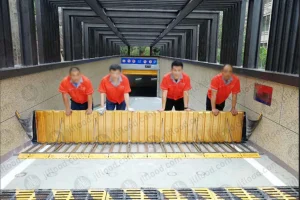
Inflowing floodwater immediately enters the ground basin, triggering the mechanical buoyancy panel in under 0.1 seconds to prevent water ingress.
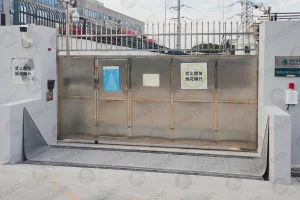
Flush-mounted stainless steel or 6063-T6 aluminum cover plates withstand heavy traffic load up to 60 tons (AASHTO HS-20 / Eurocode 40T equivalent).
The operational cycle of the Junli self-closing flood barrier relies on Archimedes' Principle combined with hydro-mechanical leverage. The system consists of three fundamental assemblies: the Recessed Embedment Foundation Chamber, the Buoyant Barrier Panel Assembly, and the Triple-Dynamic Compression Seal Network.
When surface water run-off exceeds kerb retaining capacity, excess water flows into the bottom collection basin through low-resistance entry grates. As water accumulates inside the chamber, the buoyant density profile of the internal leaf ($\rho_{\text{panel}} < \rho_{\text{water}}$) creates positive vertical thrust:
F_{\text{buoyancy}} = \rho_{\text{water}} \cdot V_{\text{displaced}} \cdot g - W_{\text{panel}} > 0
As the panel rises, hydrostatic head pressure pressing against the exterior face creates an additional sealing force. The higher the flood level rises, the tighter the compression seal engages against the lateral frame abutments.
Water tightness is maintained via custom-extruded EPDM (Ethylene Propylene Diene Monomer) synthetic rubber gaskets engineered with high elastic memory and UV resistance. The sealing matrix includes:
| Technical Parameter | Standard Commercial Specification | Heavy Infrastructure / Metro Specification |
|---|---|---|
| Primary Material Construction | 6063-T6 Structural Aluminum Alloy | SUS304 / SUS316 Stainless Steel Core |
| Standard Retaining Heights | 500mm – 1200mm | 600mm – 2000mm (Customizable) |
| Single Span Clear Width | Up to 6.0 Meters per Leaf | Modular Continuous Multi-Span (>30m) |
| Response Time | Immediate (< 0.1 sec upon water inflow) | Immediate (< 0.1 sec upon water inflow) |
| Driveway Load Capacity | 20 – 30 Tons Axle Load | 40 – 60 Tons Heavy Freight / Fire Engine Load |
| Power Requirement | 0 kW (Passive Hydrodynamic) | 0 kW (Passive Hydrodynamic + Optional IoT Telemetry) |
| Operating Temperature | -40°C to +80°C | -45°C to +90°C |
Tailored structural integration for high-density metropolitan environments and vulnerable subterranean portals.
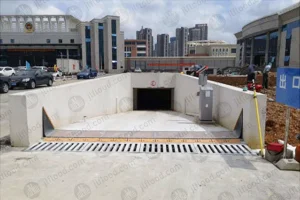
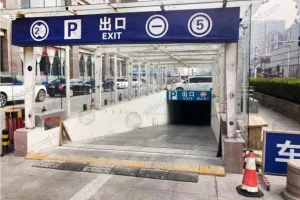
Installed flush at parking ramp entrances of shopping malls, luxury residential complexes, and hospital basements. Vehicles traverse smoothly daily without interference; barrier elevates automatically during extreme rainstorms.
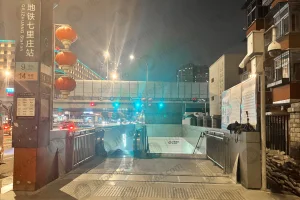
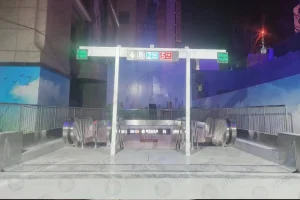
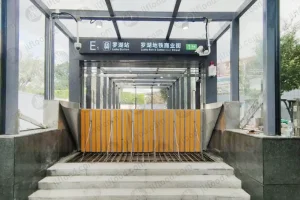
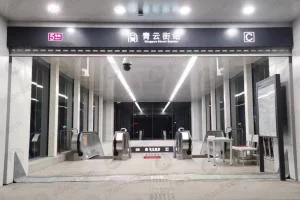
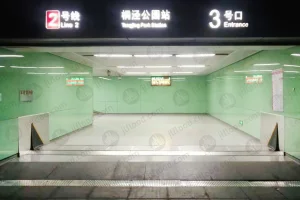
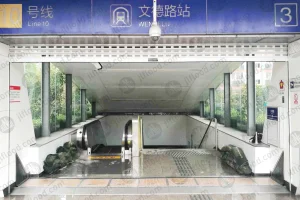
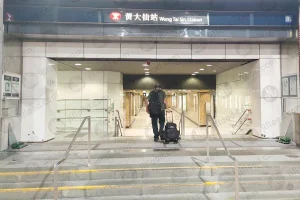
Field-proven solutions for subway passenger portals, emergency escape stairwells, and underground pedestrian connection channels. Prevents catastrophic tunnel flooding and preserves multi-billion-dollar transit assets.
Protects electrical transformer compounds, cable vaults, and energy distribution centers. Eliminates grid outage risks caused by sudden inundation of power infrastructure.
Acts as dual-purpose barrier: retains incoming severe floodwaters and serves as secondary containment to prevent hazardous chemical spills from reaching municipal drainage lines.
As an established high-tech enterprise based in Qinhuai District, Nanjing, Jiangsu Province, Nanjing Junli Technology Co., Ltd. leverages China's unparalleled industrial ecosystem to deliver world-class hydraulic engineering products at competitive factory-direct pricing.
From initial structural CAD modeling and FEA stress simulation to automated laser cutting, robotic welding, non-destructive seal testing, and export packaging—all steps are performed in-house under strict ISO9001 guidelines.
Our engineering team delivers customized dimensional civil embedding templates, connection flange drawings, and custom retaining height configurations within 48 hours for global engineering consultants.
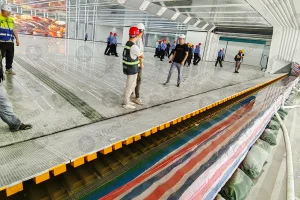
Unlike suppliers relying strictly on digital renderings, Junli operates a full-scale hydrodynamic water testing pool. Every batch undergoes physical head pressure leakage tests prior to ocean shipment.
Watch full-scale physical water pressure tests demonstrating instant automatic buoyancy elevation and zero-leakage performance under design head.
Over 30+ metro systems, municipal works, and utility operators across Asia rely on Junli self-closing flood gates during extreme weather events.
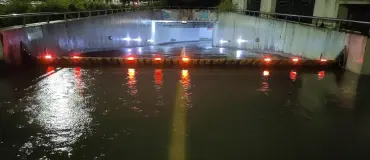
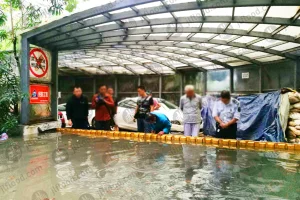
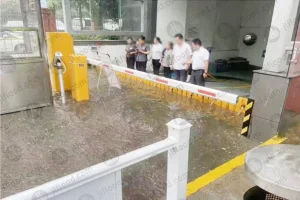
Blocked incoming municipal storm run-off automatically with zero power and no staff present.
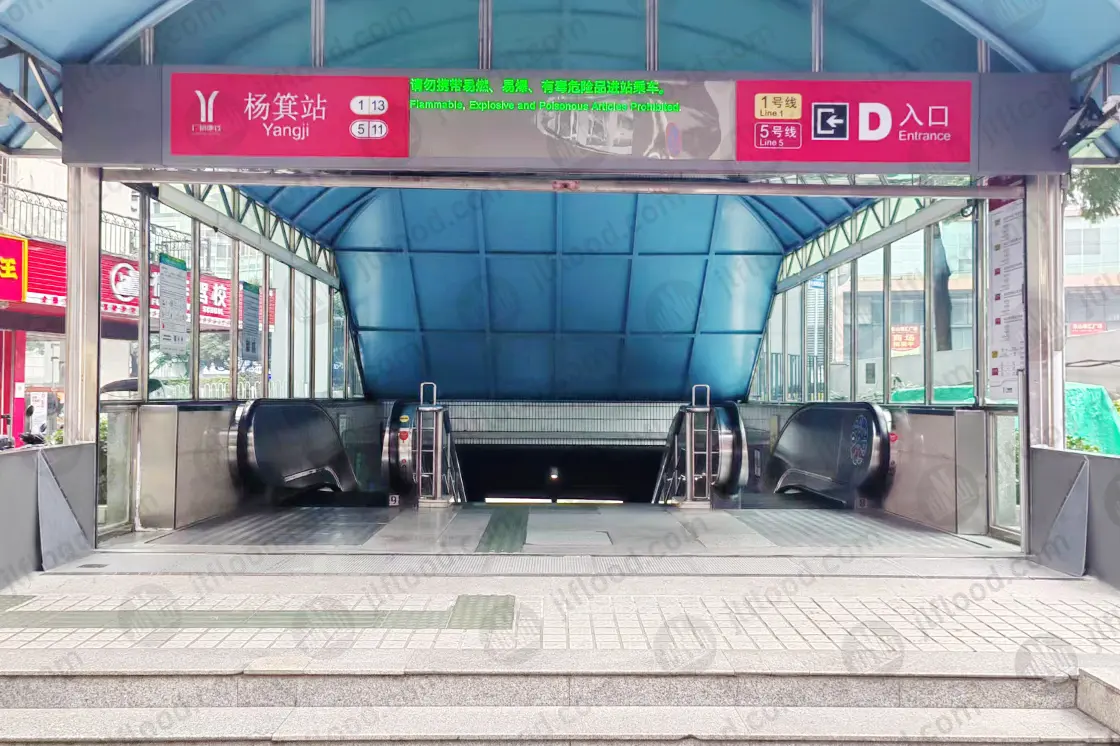
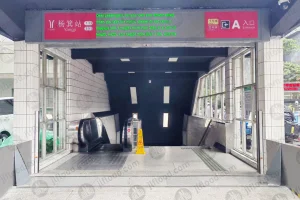
Full span station entrance protection protecting high-traffic passenger connection hubs.
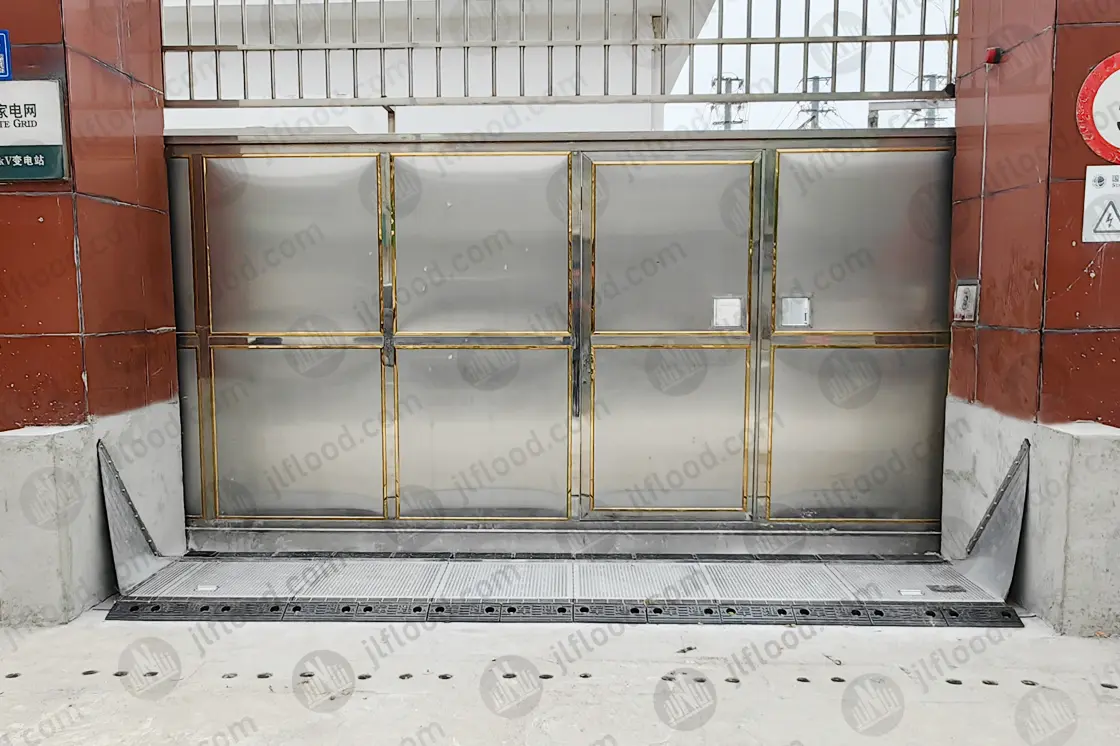
Substation cable trench and perimeter gate protection retrofitted without power interruption.
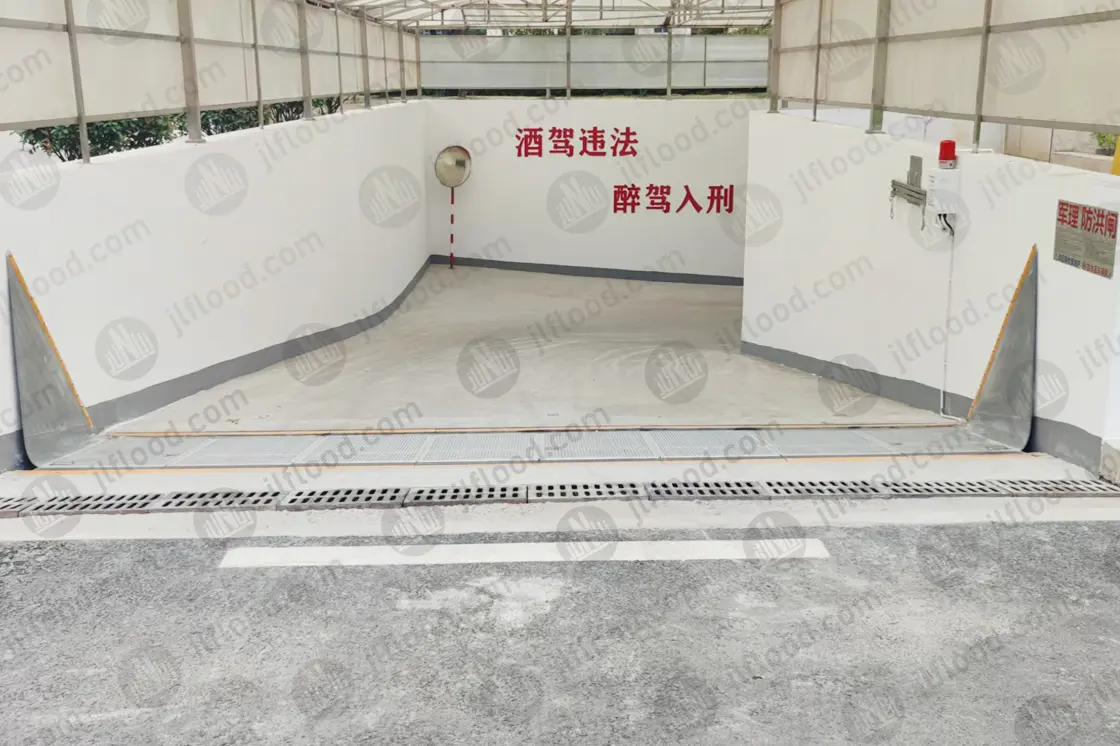
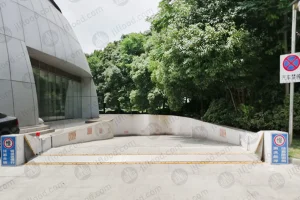
Flush surface-mounted hydrodynamic array withstanding daily heavy vehicle passage.
While mechanical passive operation remains the safest foundation for flood defense, the evolution of Smart Cities demands dual-redundancy connectivity and digital status monitoring. Nanjing Junli Technology is pioneering the convergence of passive hydrodynamics with micro-power IoT telemetry.
Integrated wireless sensors transmit instantaneous barrier trigger status, water level readings, and dynamic seal compression metrics directly to city SCADA control rooms without requiring external grid wiring.
Application of fluorocarbon marine-grade polymer finishes and anodic oxidation treatments ensuring a 20+ year design lifespan even in high-salinity coastal environments and de-icing salt exposure.
Providing global architectural design firms with native Revit parametric BIM models, standardized embedment structural details, and fluid-structure interaction (FSI) simulation data.
Select specialized automatic flood barrier models configured for rapid installation, surface mounting, or subterranean embedded frames.
Find direct engineering answers regarding hydrodynamic self-closing barrier design, site preparation, civil works, and international delivery options.
Contact our senior hydraulic engineering team at Nanjing Junli Technology Co., Ltd. Send us your entrance dimensions and site conditions to receive a detailed technical layout proposal and competitive factory pricing within 24 hours.