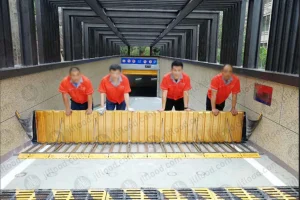
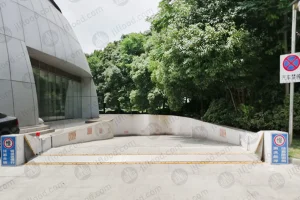
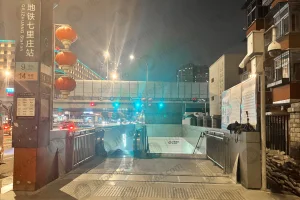
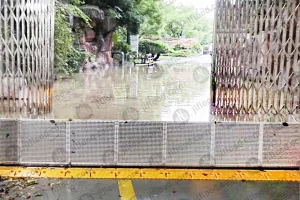
Explore our engineering-grade solid and automatic hydrodynamic flood defense systems manufactured directly in China.
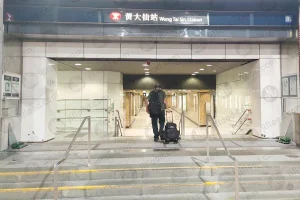
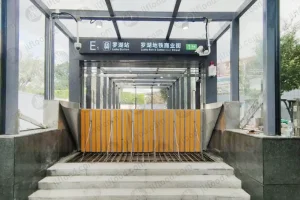
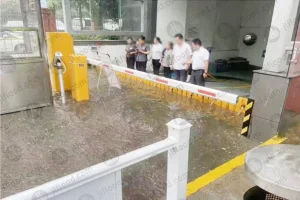
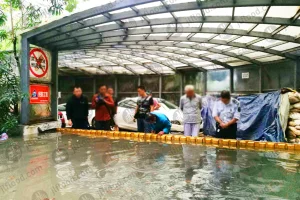
Metropolitan underground rail systems represent the critical lifelines of modern megacities. However, increasing global climate volatility, severe cloudburst events, atmospheric rivers, and urban heat-island-induced flash floods present unprecedented hydro-meteorological risks to subterranean civil infrastructure. A single breach of water into a subway entrance portal can cascade into millions of dollars in structural damage, traction power system destruction, signaling logic failure, and catastrophic operational downtime.
Historically, transit authorities relied upon manual deployments of sandbag barricades, removable aluminum stoplogs, or electrically actuated sluice gates. However, real-world flooding events demonstrate that manual deployment frequently fails due to rapid inundation speeds, staffing shortages during extreme weather, or grid power loss—which almost universally coincides with severe storm surges. This paradigm shift has driven global procurement toward Solid Flood Barriers and Unpowered Hydrodynamic Automatic Gates manufactured to rigorous international standards.
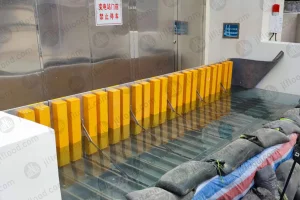
Core Technical Advantage: Modern solid flood barriers produced by leading China suppliers integrate high-tensile 6063-T6 extruded aluminum profiles and stainless steel SUS304/SUS316 components, operating via passive water buoyancy or quick-locking solid modular channels to guarantee immediate ingress protection without human intervention or grid reliance.
Designing flood protection for mass rapid transit (MRT) stations requires a balance between architectural integration, high pedestrian traffic load capacity, and uncompromising structural integrity against hydrostatic and hydrodynamic pressures.
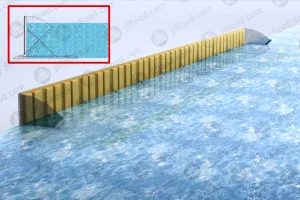
Utilizes incoming floodwater hydrostatic energy to lift the barrier gate automatically. The basin fills via gravity, driving dynamic buoyancy levers without electrical motors or batteries.
Finite Element Analysis (FEA) ensures barrier panels withstand extreme water head pressures (up to 20kPa/m²) and impact loads from floating urban debris without structural deformation.
Specialized Ethylene Propylene Diene Monomer (EPDM) gaskets provide high elastic memory, UV resistance, and zero-leakage seals along bottom and side jamb interfaces under dynamic load.
When calculating the required barrier structural module for a subway station entrance, engineers must account for both static head pressure and dynamic impact forces from moving flood water and floating debris. The total hydrostatic force ($F_h$) exerted per linear meter is governed by:
F_h = 1/2 · ρ · g · h²
Where ρ represents water density (1000 kg/m³), g is gravitational acceleration (9.81 m/s²), and h is design retaining height (typically 0.6m to 1.8m for subway station stairs). Our China manufacturing facilities utilize high-wall thickness hollow-rib extruded structural profiles, ensuring minimum bending stress ($\sigma_{max}$) well below the yield strength threshold ($\sigma_y \ge 210 \text{ MPa}$) of standard 6063-T6 aluminum alloys.
Selecting the optimal flood protection architecture for subway stations involves balancing operational readiness, civil works footprint, maintenance costs, and capital expenditures. Below is an engineering benchmark comparison:
| Feature Parameter | Solid Hydrodynamic Automatic Barrier | Modular Solid Demountable Barrier | Motorized Electric Sluice Gate |
|---|---|---|---|
| Actuation Source | 100% Water Buoyancy (Power-Free) | Manual Human Assembly | Grid Electricity / Backup Generator |
| Response Time | < 30 Seconds (Automatic) | 15 – 45 Minutes (Labor Required) | 1 – 3 Minutes (If Power Intact) |
| Blackout Vulnerability | Zero Vulnerability | Zero Vulnerability | High Vulnerability (Motor Failure Risk) |
| Pedestrian Surface Profile | Flush Floor Embedment (Zero Obstacle) | Surface Post Sleeves | Raised Threshold Step / Overhead Frame |
| Maintenance Profile | Annual Debris Clearance & Seal Check | Storage Rack Audit & Gasket Inspection | Quarterly Motor, Sensor & Wiring Servicing |
| Lifecycle OPEX | Extremely Low | Moderate (Labor Drills) | High (Electrical Maintenance) |
As the global hub for heavy infrastructure equipment, China's industrial clusters—particularly in Jiangsu (Nanjing/Suzhou) and Guangdong provinces—offer unprecedented advantages for international buyers, municipal authorities, and main contractors sourcing solid flood barriers for transit projects:
A comprehensive subway network requires localized flood barriers configured for specific structural entry points:
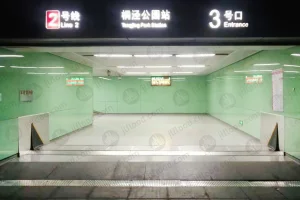
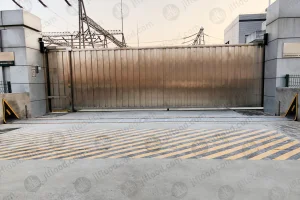
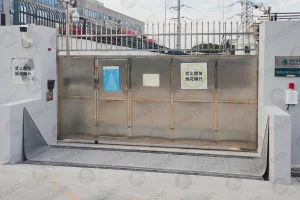
Installed at pedestrian ground-level entrances and escalator landings. Flush embedment allows millions of commuters to walk over smoothly daily, while automatic flip-up or hydrodynamic activation blocks incoming street floods instantly.
Protects critical electrical transformers, switchgear rooms, and subterranean power feed gates. Solid heavy-duty flood gates prevent water-induced short circuits that can freeze transit operations across an entire city region.
Seamlessly integrates into underground commercial passages linked directly to metro concourses. Standardized modular designs maintain aesthetic harmony while providing certified water containment.
Vertical and angled flood protection barriers integrated into street-level ventilation grates prevent surface water runoff from plunging directly into deep underground station shafts.
When requesting quotes for solid flood barriers from China suppliers, international engineering buyers should provide detailed structural and environmental parameters to ensure accurate tender pricing and custom CAD layout proposals:
Expert engineering insights regarding solid subway flood barriers, customization, logistics, and installation.
Hydrodynamic barriers operate entirely on hydrostatic pressure principles and water displacement physics. As floodwater flows into the ground-level embedded stainless steel chamber, built-in structural buoyancy floats automatically rise. This rotational mechanism pushes the solid barrier panel upward into its locked vertical retaining position. No electrical power, manual switches, motor drives, or human operators are required.
Our solid subway flood barriers are engineered for a minimum design lifecycle of 20 to 30 years. Structural panels are fabricated from corrosion-resistant 6063-T6 anodized aluminum alloy or SUS304/SUS316 stainless steel. Maintenance involves routine cleaning of sediment from the foundation pit twice a year and checking the elastic integrity of the EPDM seals annually.
Yes. The top stainless steel cover plates of embedded barriers are engineered with high-strength internal ribbing certified to support axle loads ranging from pedestrian-only up to 40-ton heavy municipal maintenance vehicles (conforming to AASHTO HS-20 loading criteria).
Every export order undergoes full-factory water containment testing prior to packing. We provide comprehensive Factory Acceptance Test (FAT) reports, third-party hydro-seal certificates, raw material mill test certificates (MTC), structural calculation sheets, and detailed installation guide documentation in English.
For wide subway station portals (over 6 meters wide), we supply modular interconnected barrier assemblies featuring removable or integrated self-locking intermediate mullion posts, creating continuous flood defence walls of virtually unlimited overall width.
Explore our specialized range of subway channel, garage, and substation flood prevention products.