
Factory-direct OEM/ODM manufacturing solutions engineered for underground metro portals, substations, and commercial driveways.
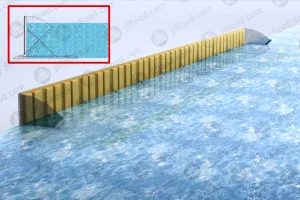
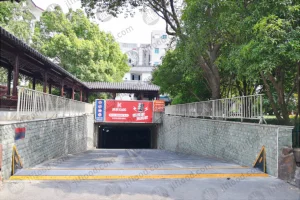
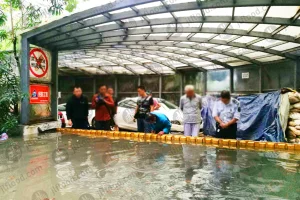
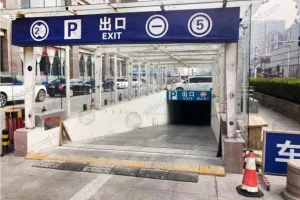
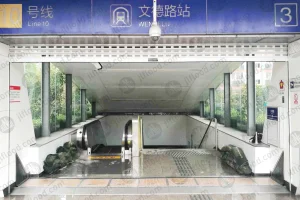
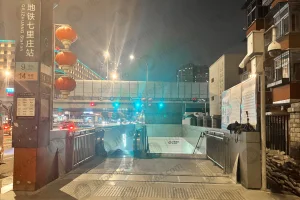
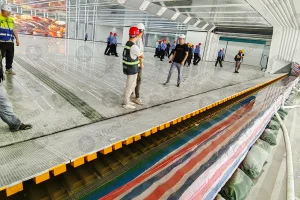
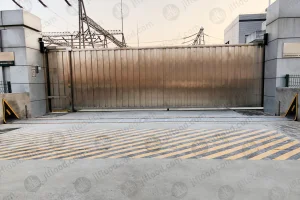
As extreme meteorological events escalate worldwide, subterranean mass rapid transit (MRT) networks face unprecedented hydrodynamic pressures. Engineering automatic flood protection at station entrances has shifted from a perimeter option to a critical resilience baseline.
Subway networks act as artificial subterranean funnels during high-intensity pluvial flooding. When surface urban storm-water runoff exceeds municipal drainage discharge rates, water surges down station stairs, ventilation shafts, and access ramps. Conventional sandbags or manual panel barriers fail due to human delay, missing crew during sudden cloudbursts, or structural failure under hydrostatic dynamic heads.
A single breaching event can inundate track beds, sub-surface electrical traction substations, signal relay rooms, and interconnecting tunnel networks, resulting in hundreds of millions of dollars in equipment destruction and total system paralysis.
Modern civil engineering guidelines now mandate passive autonomous flood mitigation infrastructure. Passive hydrodynamic automatic flood barriers operate without human intervention, electrical grid dependence, sensors, or pneumatic pumps. Utilizing the physical principle of water buoyancy and hydrostatic pressure, the barrier deploys automatically as floodwaters arrive.
Core Engineering Rule: "The defense system must function flawlessly during the exact moment electric power grids collapse and personnel are unable to reach the site."
A deep dive into the mechanical physics of buoyancy-driven self-rising gates engineered by Nanjing Junli Technology Co., Ltd.
The system rests flush with the surrounding finished pavement inside a structural steel or concrete foundation trench. When flash floods sweep across the station entrance, water flows into the bottom intake basin through stainless steel inlet grates.
As water fills the sealed reservoir chamber, high-density closed-cell aluminum or composite panel modules experience upward archimedean buoyancy. The front leaf rotates upwards around a heavy-duty stainless steel hinge axis without motor drives.
As flood levels rise, hydrostatic pressure forces the barrier panel against high-grade EPDM double-lip compression gaskets fitted along side wall abutments, forming a watertight hydrodynamic seal resistant to high shear forces.
Standard units support retained water heights from 0.5 meters to 2.0 meters, with infinite modular linear width extensions across multi-bay entrances. Structural calculations satisfy maximum hydrodynamic wave loads, impact forces from floating debris (tested to 1,000 kg dynamic lateral impact), and structural deflection limits below L/250.
Comparing metro flood prevention standards and infrastructure adoption trends across key global jurisdictions.
Rapid transit authorities in megacities like Guangzhou, Hong Kong, Tokyo, Singapore, and Shanghai enforce strict flood mitigation codes for underground connections. Driven by typhoons and monsoons, agencies mandate automatic barriers with zero reliance on power lines, leading to widespread adoption of surface-mounted (Hm4d-0006E) and embedded (Hm4e-006C) automatic gates.
In European and North American metropolitan areas (such as London, New York, and Paris), aging subway systems demand non-disruptive civil modifications. Surface-mounted hydrodynamic barriers are increasingly specified because they eliminate the need to excavate deep structural foundations into historical concrete slabs while meeting severe climate resilience directives.
Evolution from purely mechanical hydrodynamic barriers to smart micro-grid integrated flood defense ecosystems.
100% mechanical buoyancy activation. Zero electricity, high-efficiency seal gaskets, ultra-low maintenance, proven in typhoon-grade water retention.
Integration of self-powered LoRaWAN and optical position sensors. Automatic transmission of real-time barrier angle, water level height, and seal integrity data directly to Subway SCADA central command centers.
Generative AI weather models linked to automated perimeter micro-barriers. Pre-emptive mechanical locking and dynamic pressure balancing prior to storm surge landfalls.
Tailored engineering strategies covering all vulnerable underground portals within a metro ecosystem.
Custom multi-leaf barrier arrays designed to fit wide station concourses. Sleek aesthetics blend seamlessly with architectural paving while retaining heavy pedestrian traffic resistance (capable of supporting up to 5-ton vehicle axle loads when closed).
Specialized vertical flip-up and self-closing gates designed to seal air intakes and subterranean cable trenches, preventing floodwaters from shorting out high-voltage traction transformers.
Modular barriers for subterranean pedestrian tunnels linking subway concourses directly to adjacent commercial shopping malls and underground parking structures.
Technical answers to key procurement, installation, and engineering queries from municipal consultants and B2B buyers.
The barrier panel is installed flush within a recessed frame chamber. When surface runoff water flows into the chamber, it creates hydraulic buoyancy under the hollow aluminum or composite panel. As the water level rises, buoyancy lifts the front edge of the panel upward around its axis, while hydrostatic water pressure seals the barrier panel tight against side EPDM gaskets. The entire deployment process relies strictly on natural physical dynamics—requiring zero sensors, power lines, motors, or human activation.
Embedded-type barriers (such as model Hm4e-006C) feature a foundation frame flush-mounted into a newly cast concrete trench during initial station construction, resulting in a completely seamless ground line. Surface-mounted models (such as Hm4d-0006E) feature an ultra-slim ramp design that anchors directly onto existing ground slabs—making them ideal for retrofit projects on operational subway stations without requiring major structural excavation.
Yes. In its resting position, the barrier panel forms a flat surface with the surrounding floor. Standard heavy-duty metro and garage models are engineered to withstand wheel axle loads up to 5 to 20 tons (depending on structural alloy options), making them suitable for high-density pedestrian concourses and service vehicle access ramps.
Because the system features no electrical motors or complex gearboxes, maintenance requirements are minimal. Routine quarterly protocol requires clearing debris or leaves from the bottom drainage trench using a vacuum or hose, along with visual inspection of the EPDM side seals. Annual manual lift checks ensure smooth mechanical hinge movement over a projected 20+ year service life.
Nanjing Junli Technology operates full-scale hydraulic testing pools inside our production facilities. Every customized batch undergoes 1:1 scale water pressure validation, measuring panel deflection rate, auto-trigger response speed, and seal leak tightness against design water heads before issuing official factory test certificates.
Explore site-proven modular assemblies for stations, substations, connection channels, and underground parking facilities.
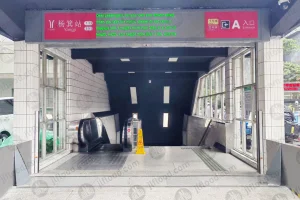
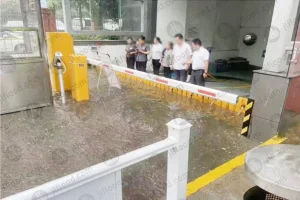
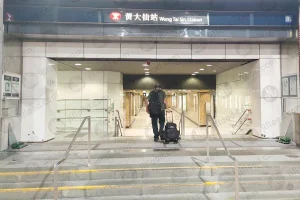
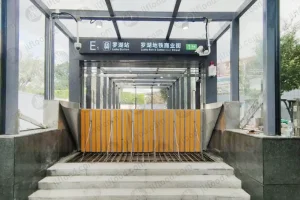
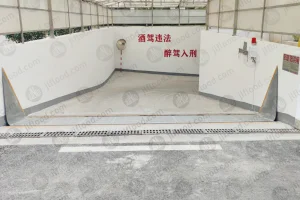
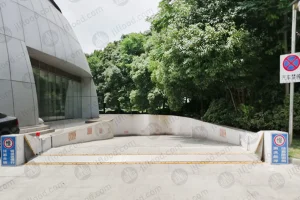
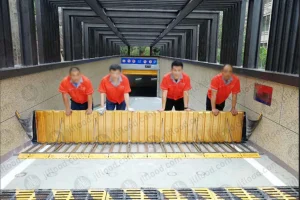
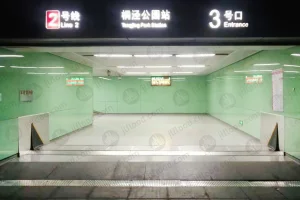
Whether designing a new mass rapid transit line or upgrading existing urban underground facilities, our specialized engineering team provides tailored civil drawings, hydrodynamic calculations, and OEM manufacturing solutions worldwide.


