Engineered for high-density municipal, industrial, and commercial entrance flood protection
An authoritative analysis on zero-power passive flood barrier engineering, manufacturing economics, and climate adaptation standards
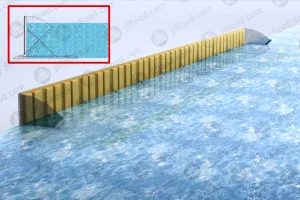
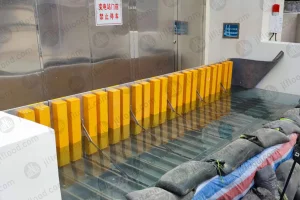
Unlike electromechanical barriers vulnerable to urban power grid collapses during intense typhoons, hydrodynamic gates utilize pure fluid buoyancy and hydrostatic pressure. As floodwaters breach boundary thresholds, incoming water fills the bottom sub-floor chamber, naturally buoyant door leaves automatically deploy upward to seal the portal without human intervention or electricity.
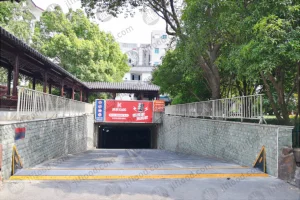
Underground garage driveways require flood gates capable of supporting high axial loads. Modern factory specifications integrate high-tensile 6063-T6 or 6005A-T6 structural aluminum alloy profiles reinforced with internal load-bearing ribs. The surface drive-over plates withstand wheel loading ratings up to 30 tons (AASHTO HS-20 / EN 124 D400 standard), preventing structural deformation during daily traffic usage.
Water-retaining performance depends entirely on elastomeric seal integrity under lateral hydrodynamic head pressures. Advanced manufacturing incorporates continuous EPDM (Ethylene Propylene Diene Monomer) vulcanized rubber seals paired with fluorocarbon-coated stainless steel side frames, delivering a zero-leakage threshold (<0.05 L/hr/m) under full immersion testing.
🔍 SEO & Engineering Insight: Urban extreme weather events caused by global climate shifts have made traditional manual flood barriers obsolete. Modern building codes (such as ASCE 24 and Eurocode 3) increasingly favor passive, hydro-buoyant systems that remove human reaction time and electrical failure points during catastrophic storm surges.
Unmatched supply chain integration, rigorous hydraulic pool testing, and scalable custom engineering
Nanjing and Jiangsu manufacturing clusters feature world-class aluminum extrusion presses (up to 10,000 tons capacity). This allows flood gates to be extruded in single, ultra-wide continuous sections without structural welds, dramatically elevating tensile strength and reducing potential structural failure points under high hydraulic pressure.
Top-tier Chinese manufacturers operate dedicated deep-water hydrostatic testing pits. Every custom order undergoes 1:1 scale operational testing where gates are subjected to real water immersion, measuring deployment friction, automatic buoyant release speed, and seal deflection before export packaging.
Every civil infrastructure site presents unique spatial constraints. Direct factory integration offers tailored clear spans (1m to 30m arrays), varying retention heights (0.5m to 2.0m per leaf), flush embedded vs. surface-mounted frame designs, and specialized signals output (RS485 Modbus telemetry for smart building monitoring).
| Feature Parameter | Hydrodynamic Automatic Gate | Electromechanical Barrier | Manual Demountable Panels |
|---|---|---|---|
| Power Source | Zero (100% Water Buoyancy Driven) | Electric Motor / Hydraulic Pump | Human Labor Required |
| Blackout Reliability | 100% Operational (No Grid Dependence) | Fails without UPS/Generator Backup | 100% Operational (If Staff Present) |
| Activation Speed | Automatic (Passive reaction to water level) | Sensor-dependent or Manual switch | 30 - 120 Minutes Setup Time |
| Maintenance Profile | Minimal (Silt Flushing & Seal Check) | High (Motor, Wiring, Battery Tests) | Low (Storage & Component Checks) |
| Daily Traffic Impact | Flush with Ground (Drive-Over Rated) | Flush or Elevated Threshold | No barrier when uninstalled |
| Total Cost of Ownership (10yr) | Extremely Low (No power/high wear parts) | High (Electrical upkeep & battery replace) | High (Labor cost for setup drills) |
Deployment topologies engineered specifically for vulnerable subterranean assets
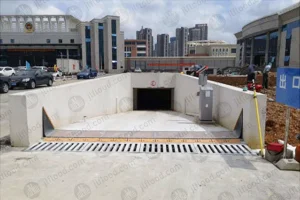
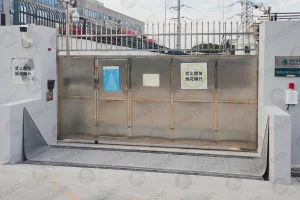
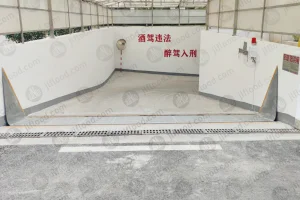
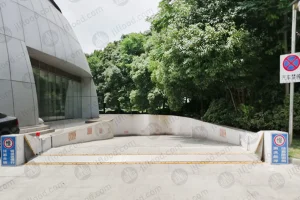
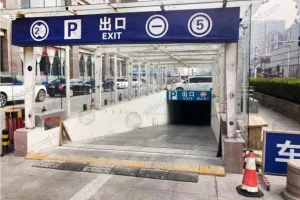
Subterranean car parks are prime flood targets during short-duration high-intensity rainstorms. Standard embedded hydrodynamic barriers sit flush with the driveway asphalt. As runoff overspills kerbs, the barrier deploys, sealing the ramp while allowing vehicle egress over the top edge until maximum deployment depth is reached.
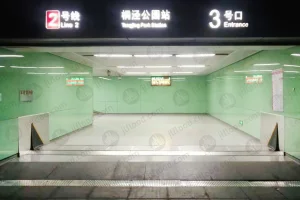
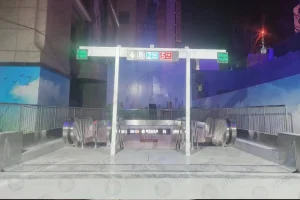
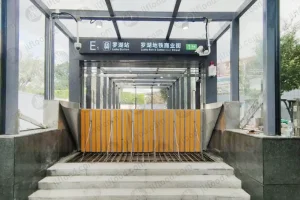
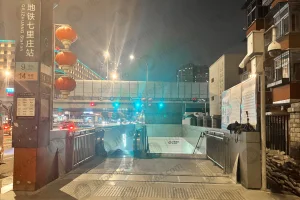
Rail transit portals demand ultra-reliable containment to protect multi-billion dollar tunnel systems. Heavy-duty metro-type flood gates integrate multi-leaf linkage systems capable of sealing wide pedestrian access channels, complete with emergency manual release valves and warning strobes for pedestrian safety.
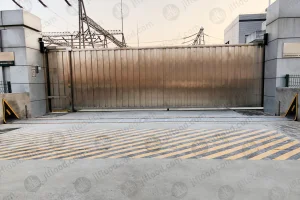
Electrical substation inundation causes wide-area power outages. Custom substation barrier systems feature non-conductive boundary seals, stainless steel ground frames, and oil-resistant seals designed to handle both floodwaters and potential transformer coolant containment requirements.
Explore real-world case studies, factory hydrostatic pool testing, and engineered deployment data
Junli engineers hydrodynamic automatic flood barriers that rise by water power alone — no electricity, no pumps, no staff on site. Since our first metro installation we have delivered flood protection systems to underground garages, rail transit stations, power substations, airports and civil-defence passages, and every design is proven in real typhoon-season water-retaining events, not only in the laboratory.
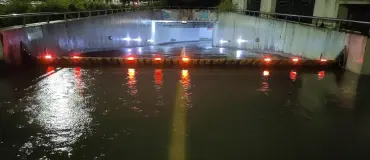
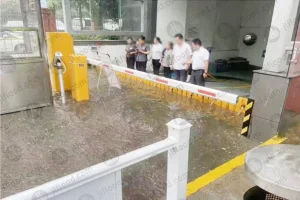
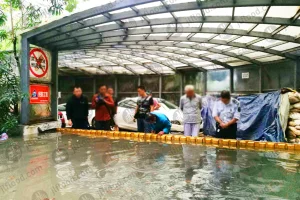
During Typhoon Bebinca, sites equipped with Junli floodgates blocked incoming surface water automatically — with no operator present and no power available.
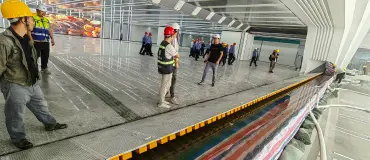
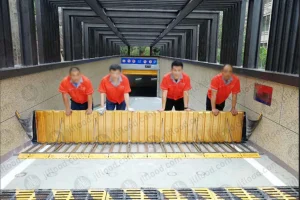
Buoyancy and hydrostatic pressure raise and lock the panel. Zero energy consumption, zero standby cost, mechanical reliability for a 20-year service window.
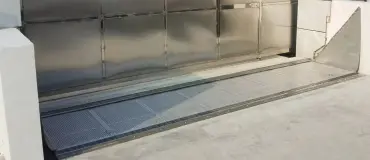
Every model is pool-tested for lifting time, seal leakage and deflection under design head before shipment, with test reports issued per order.
Junli Technology Co., Ltd., headquartered in Qinhuai District, Nanjing, Jiangsu Province, is a Chinese high-tech enterprise dedicated to the R&D and manufacturing of intelligent flood control products for the construction and infrastructure industries. Our engineers work across four technology segments — intelligent civil defence, intelligent flood control, intelligent bridge and intelligent energy — which lets us solve the structural, sealing and drainage details that generic door factories miss.
We own the tooling, welding, sealing and water-test capability in-house, so retaining height, frame embedment and corrosion protection can be tailored to your local rainfall intensity, kerb geometry and traffic load.
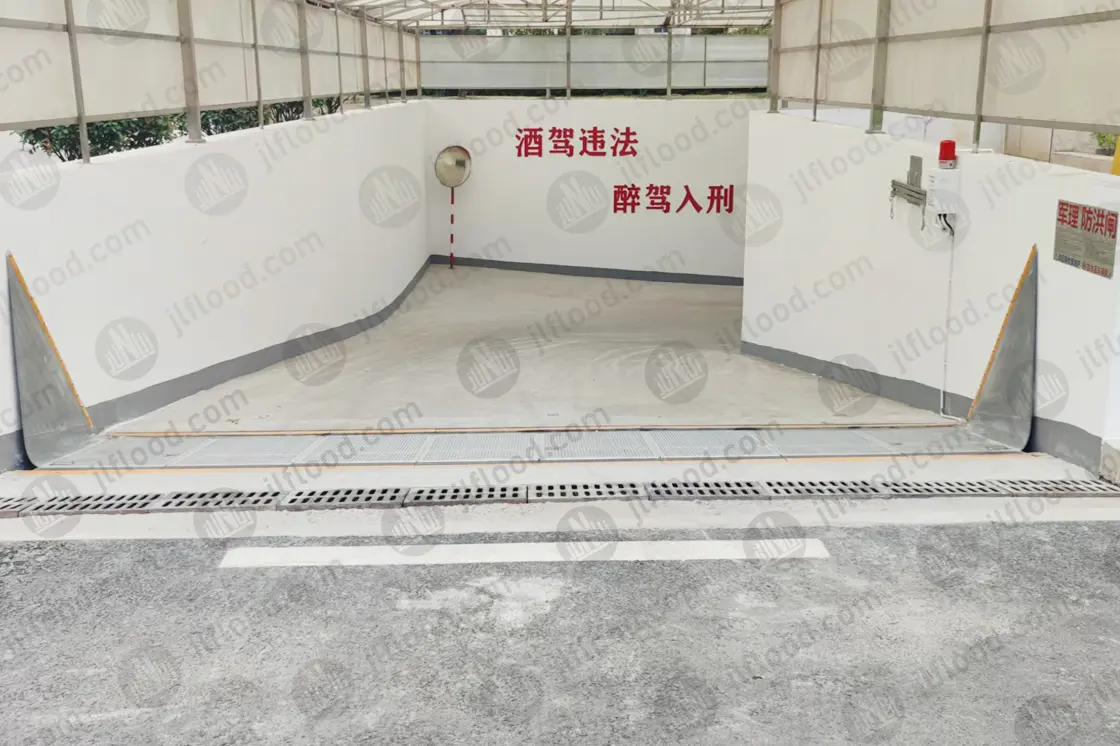
Flush-mounted ramp protection for residential, hospital and mall car parks. Vehicles drive over it daily; it rises only when water arrives.
View Garage Range →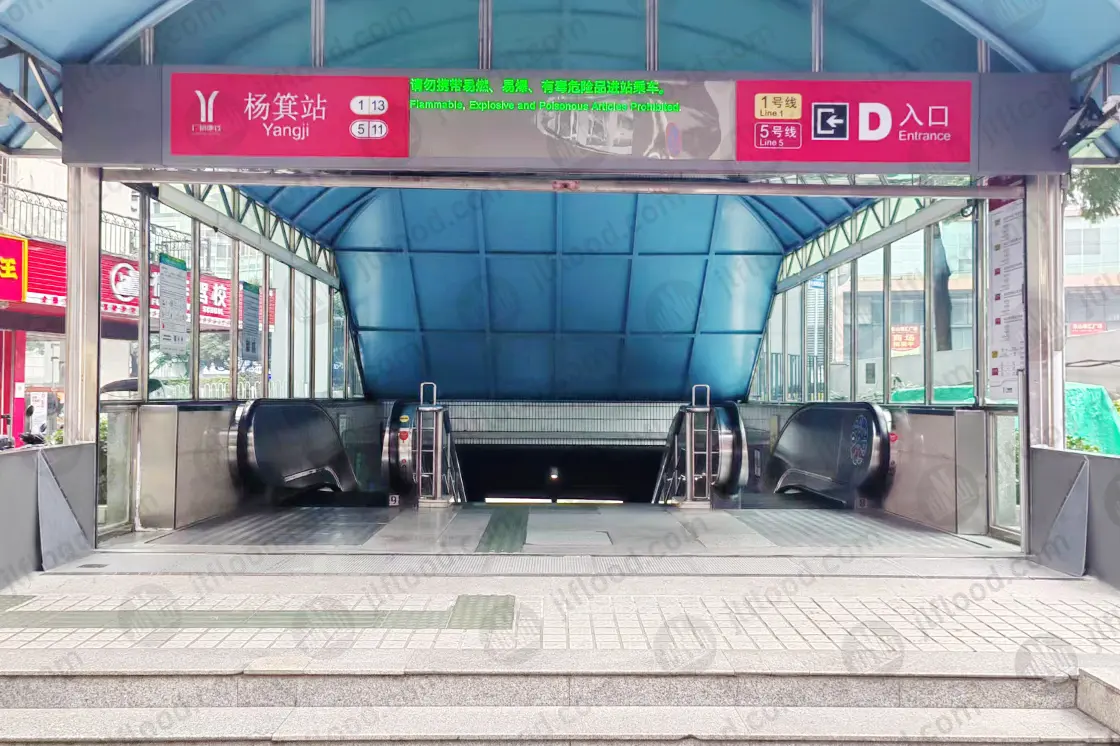
Station entrances, connection channels and air shafts. Validated on rail transit lines in Guangzhou, Suzhou, Nanjing, Beijing, Shenzhen and Hong Kong.
View Metro Range →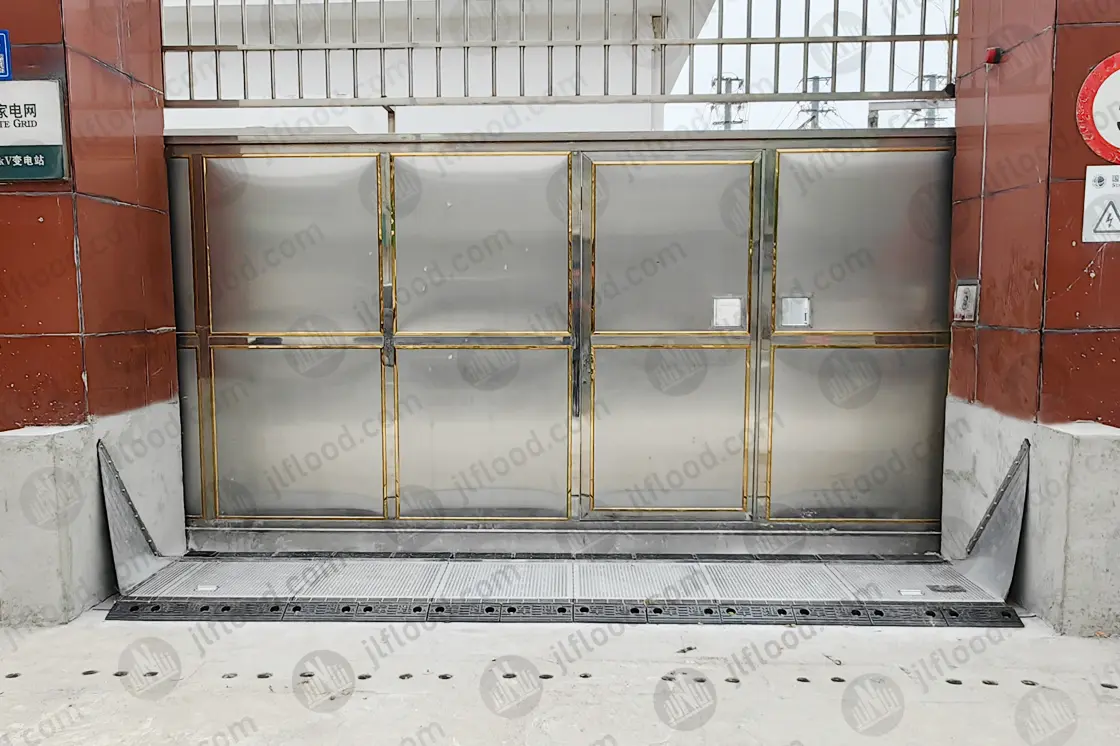
Perimeter gates and cable trench doors for power utilities, where a single flooding event can black out an entire district.
View Substation Range →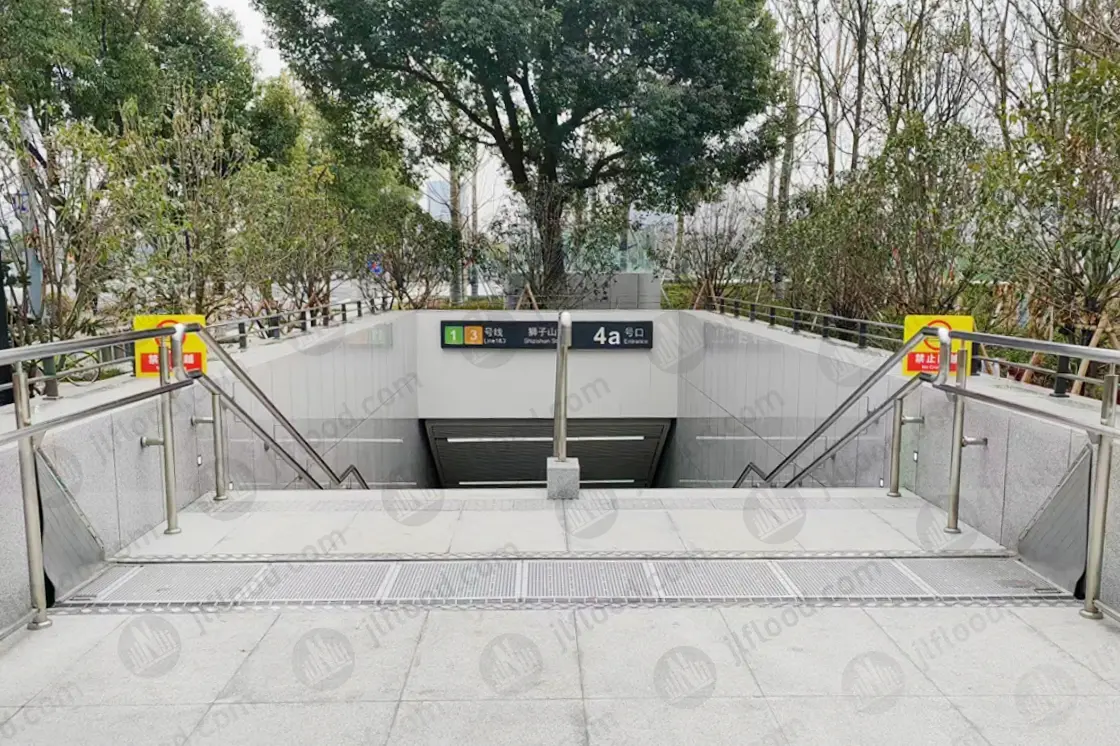
Reference units with recorded flood-event performance — the fastest way to justify a specification to your client or insurer.
View Retaining Cases →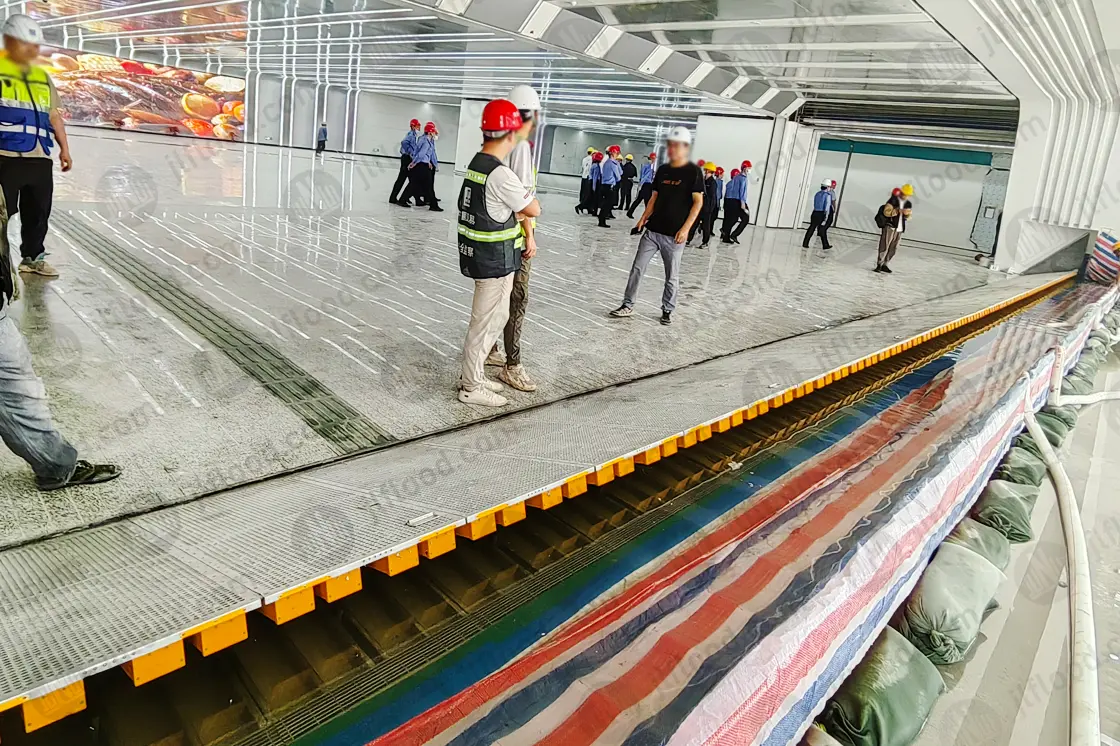
Witness testing, leakage measurement and acceptance documentation available before and after installation.
View Test Reports →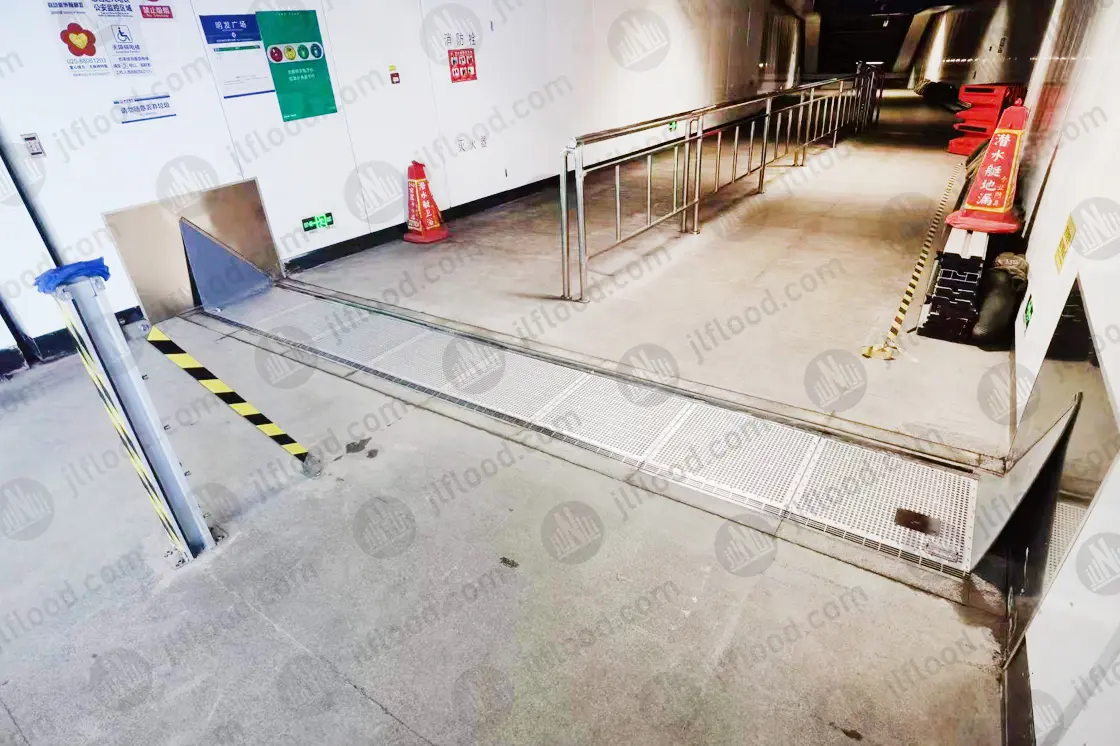
Light flip-up units, embedded-type frames, self-closing doors and replacement seal kits for maintenance programmes.
Browse All Products →Key market drivers reshaping architectural civil defence specifications through 2030
Global architectural firms are incorporating zero-emission flood barriers into corporate ESG targets. Passive hydrodynamic systems consume zero standby kilowatt-hours, aligning perfectly with green building certification benchmarks (LEED, BREEAM, and WELL standards).
Major commercial property insurers now mandate physical water-testing validation certificates before underwriting subterranean assets in flood risk Zones A and V. Factory witness testing serves as key compliance proof to secure lower insurance premiums.
While deployment remains 100% mechanical and power-free, modern automatic gates are fitted with dual-channel magnetic switches and IoT sensors. Facility managers receive instant mobile app alerts and SCADA dashboard notifications the millisecond a barrier rises.
In-depth responses for structural consultants, EPC contractors, and wholesale buyers
The barrier panel is installed flush inside a concrete foundation trench at the driveway entrance. Under normal dry conditions, vehicles drive over the structural top plate without obstruction. When flash floods or storm surges cause surface water to spill into the bottom intake tray, fluid buoyancy dynamics lift the buoyant panel automatically. As water rises, hydrostatic pressure pushes the gate upward into a locked vertical position against durable EPDM rubber side frames, forming a watertight seal without electricity, human intervention, or electronic sensors.
Wholesale pricing for automatic flood gate systems is primarily dictated by: (1) Total clear span opening width (single panels up to 6m, modular multi-leaf units for openings >20m); (2) Retaining height requirements (standard 0.5m, 1.0m, 1.5m, or 2.0m); (3) Axle load rating (light duty pedestrian vs. 30-ton heavy vehicle traffic capability); and (4) Frame material alloy (6063-T6 aluminum vs. 304/316 marine-grade stainless steel side posts). Factory quotes typically include structural calculations, CAD shop drawings, and export crate packaging.
Embedded hydrodynamic barriers require a shallow concrete trench cast according to factory template dimensions. The civil contractor provides a leveled base, structural rebar connection points, and a minimum 110mm gravity drainage outlet at the trench bottom to prevent rain collection during standard storms. For retrofit projects where ground excavation is restricted, surface-mounted flip-up barriers can be anchored directly onto existing flat concrete aprons.
Leading manufacturers adhere to ISO9001, ISO14001, and CE execution protocols. Each production batch is subjected to hydro-head hydrostatic pressure testing in-factory. For international infrastructure projects, third-party inspection agencies (such as SGS, TÜV, or Bureau Veritas) can witness real-water retention testing, seal leakage measurements, and material mill certificates prior to container loading.
Explore specialized embedded, substation, and municipal rail transit flood gates
Connect directly with our engineering team for customized CAD templates, structural calculation packages, and FOB/CIF wholesale price quotes.