Factory-direct wholesale supply of hydrodynamic and automatic flood protection barriers engineered for high-traffic civil and commercial infrastructure openings.
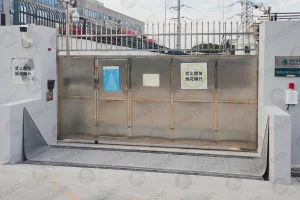
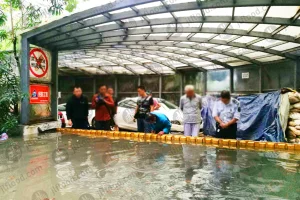
Global urbanization coupled with extreme, micro-burst rainfall events driven by regional climate shifts has placed unprecedented stress on urban subterranean infrastructure. Civil engineering design paradigms have fundamentally shifted from reactive perimeter sandbagging to integrated, automated, and hydrodynamic flood barriers.
Traditional motorized or pneumatic flood gates rely on continuous AC grid power, complex PLC controllers, optical sensor arrays, and manual intervention. However, 87% of severe urban flash flooding events are accompanied by localized power grid failures, rendering electromechanical gates completely inoperable right when emergency deployment is needed most.
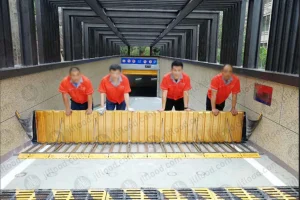
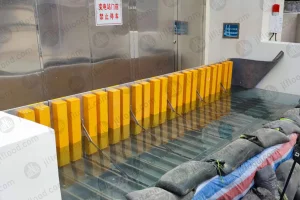
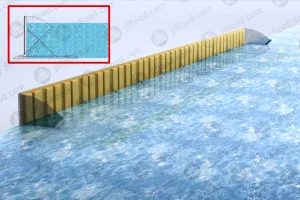
Modern architectural engineering demands passive automatic activation. Hydrodynamic flood barriers operate exclusively via fluid buoyancy and hydrostatic head pressure. When surface runoff reaches designated emergency thresholds, water naturally floods the foundation chamber, buoying up the high-strength aluminum door panel in under 0.1 seconds without any electricity or human command.
Global EPC contractors, municipal engineers, and institutional developers seeking wholesale automatic floodgate suppliers demand audited manufacturing quality, verifiable hydrodynamic performance metrics, international structural compliance, and flexible OEM embedment dimensions tailored to heavy vehicular traffic loads.
Nanjing Junli Technology Co., Ltd. has refined the structural mechanics of automatic self-closing flood gates. Below is an engineering analysis of how hydrodynamic pressure balances out mechanical forces during extreme water retention events.
Fluid Dynamics Core Principle: $F_{buoyancy} = \rho \cdot V_{displaced} \cdot g$. As surface water enters the embedded stainless steel bottom chamber, the internal buoyancy tanks experience upward thrust proportional to fluid volume. As water rises higher outside, hydrostatic head pressure ($P = \rho \cdot g \cdot h$) acts horizontally against the structural panel face, pressing the high-density EPDM gasket matrix directly into the structural frame, creating an airtight, zero-leakage seal.
Utilizes multi-layer vulcanized EPDM rubber profiles combined with fluorocarbon-treated bottom lip seals. Resists chemical weathering, petroleum spills from vehicle driveways, and UV degradation over 25+ years of operational exposure.
Constructed using high-tensile 6063-T6 or 6005A-T6 aircraft-grade aluminum alloy panels, reinforced with interior load-bearing honeycombs capable of sustaining concentrated vehicle traffic up to 40-ton truck loads (EN 124 D400 standard).
Features an angled, debris-ejection bottom chamber equipped with sediment clearance channels. Small pebbles and sand are flushed away by incoming water flow, preventing mechanical jamming during emergency deployment.
| Era / Technology Phase | Activation Mechanism | Structural Composition | IoT Integration & Monitoring | Maintenance Profile |
|---|---|---|---|---|
| Generation I (Legacy) | Manual insertion aluminum stop-logs | Hollow structural aluminum bars | None (100% manual labor required) | High storage footprint & delayed setup |
| Generation II (Electromechanical) | Electric motors, hydraulic rams, PLCs | Fabricated carbon steel plates | Basic wired contact sensors | Frequent motor/pump battery maintenance |
| Generation III (Current Standard) | Hydrodynamic pure water buoyancy | 6063-T6 Extrusions + EPDM matrix | Passive limit switches & scada signal output | Quarterly inspection & chamber flushing |
| Generation IV (Next-Gen AI Era) | Multi-stage self-buoyant + magnetic latch | Carbon-fiber composite alloys | 5G AI Telemetry, lidar silt prediction & IoT cloud | Self-diagnosing predictive seal telemetry |
Engineered for seamless integration into diverse architectural topologies. Each deployment scenario addresses specific hydraulic head risks, structural load classes, and spatial footprint constraints.
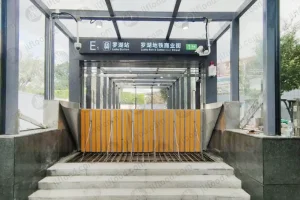
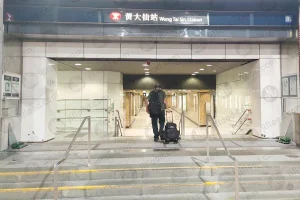
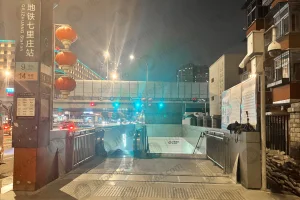
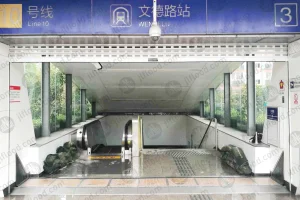
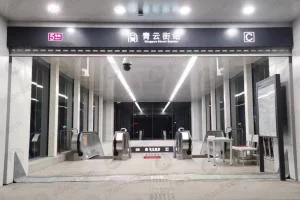
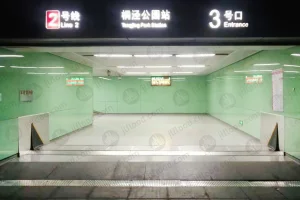
Subway entrance steps, connection channels between stations and commercial complexes, and underground ventilation shafts require complete protection against flash flooding. Embedded flush barriers remain level with floor tiles, allowing uninterrupted pedestrian flow of up to 50,000 commuters daily until flood waters trigger deployment.
Power transformation centers, high-voltage equipment rooms, and cable vault trenches represent critical lifeline infrastructure. A single water ingress incident can result in multi-million dollar electrical transformer burnouts and city-wide blackouts. Automatic flip-up and hydrodynamic gates prevent floodwater penetration around perimeter access gates.
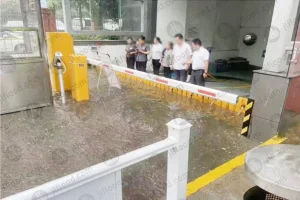
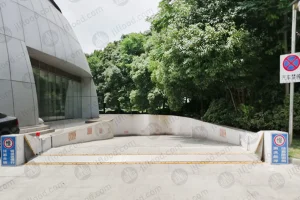
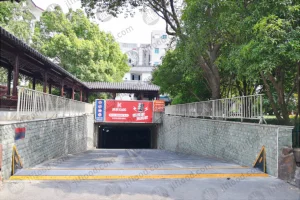
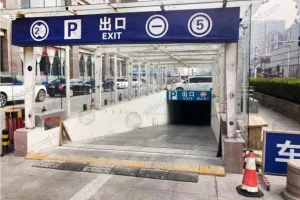
Underground ramps for shopping centers, luxury residential towers, and corporate office parks face catastrophic liabilities if luxury vehicles and building MEP rooms drown. Surface-mounted or embedded hydrodynamic barriers automatically seal driveway ramps spanning up to 12 meters in width.
Nanjing Junli Technology Co., Ltd. operates at the core of the Yangtze River Delta advanced hydraulic manufacturing hub. Overseas procurement partners benefit from unprecedented manufacturing velocity, material traceability, and cost efficiency.
From aluminum alloy billet casting and custom profile extrusion die creation to automated robotic laser welding, T-6 heat treatment, and EPDM rubber molding—100% of manufacturing operations take place within our owned, ISO-certified Nanjing facilities.
We do not rely on computer simulation alone. Every custom wholesale order undergoes 100% full-scale water pressure retention testing in our internal 5-meter deep hydrostatic test pool before export packaging, guaranteeing zero field leakage.
By eliminating regional trading intermediaries and optimizing raw material sourcing in China's industrial hardware corridors, we deliver direct factory pricing at 35% to 50% cost savings compared to European or North American equipment vendors.
Navigating international building regulations requires complete engineering documentation packages. Junli Technology provides global EPC clients with end-to-end technical clearance materials.
Fully compliant with ISO 9001 (Quality Management), ISO 14001 (Environmental Management), and ISO 45001 (Occupational Health). CE certified for structural safety across European Union jurisdictions.
We provide architectural engineering teams with DWG, STEP, REVIT, and BIM models to easily embed floodgate civil cutouts directly into building blueprints prior to concrete pouring.
Tested in compliance with stringent international leakage limits (under 0.5 liters/hour per meter of seal perimeter), significantly outperforming standard municipal storm flood threshold guidelines.
Export-ready heavy-duty fumigated wooden box packaging with protective anti-corrosion barrier film. Complete with English civil installation manuals, anchor bolts, and spare EPDM seal kits.
An objective performance review for consulting engineers, municipal planners, and wholesale equipment buyers evaluating life-cycle costs and operational risks.
| Evaluation Parameter | Junli Hydrodynamic Automatic Barrier | Motorized / Electric Flood Gate | Manual Demountable Stop-Logs |
|---|---|---|---|
| Power Dependence | Zero Power Required (Passive Water Buoyancy) | 100% Dependent on Electricity & UPS | Zero Power Required |
| Deployment Reaction Speed | Instantaneous (< 0.1s Passive Response) | Moderate (30s - 2 mins via motor gear) | Slow (30 mins - 2 hours manual assembly) |
| Labor Dependence | 0 Personnel Needed (100% Unattended) | Requires operator or remote trigger | Heavy manual labor team required |
| Structural Load Bearing | Up to 40-Ton Axle Load (EN D400 Heavy Vehicle) | Varies (often light pedestrian only) | Low vehicle drive-over capability |
| 25-Year Life Cycle Cost (TCO) | Lowest (Minimal maintenance, zero electric bills) | High (Motor rebuilds, battery replacements) | High (Labor costs & potential human error loss) |
Detailed answers to standard engineering, OEM customization, and wholesale shipment questions asked by international buyers and project engineers.
Explore additional modular, embedded, and specialized flood control barriers designed for utility substations, metro channels, and commercial garages.