
Explore our primary line of high-grade stainless steel embedded, surface, and power-free hydrodynamic automatic flood barrier systems manufactured directly in China.
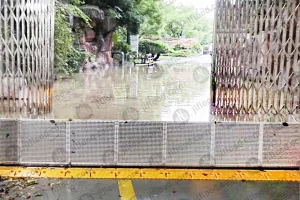
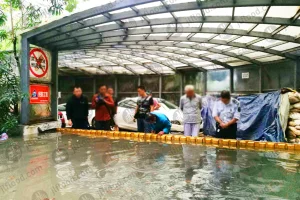
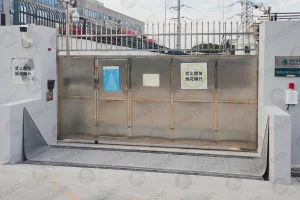
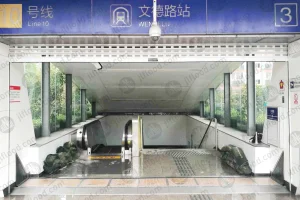
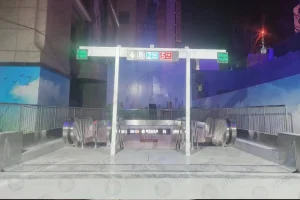
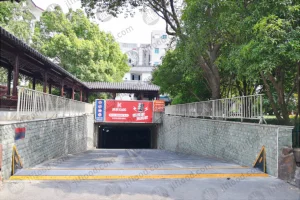
As climate change accelerates extreme weather events—manifesting in torrential pluvial storms, rapid urban flash floods, and coastal surge anomalies—the global construction, municipal engineering, and asset management sectors face unprecedented vulnerabilities. Traditional flood mitigation tools like manual sandbags and labor-intensive aluminum stop-logs are rapidly being phased out due to critical failure points: delayed human deployment, high labor dependency, and inevitable structural degradation under severe hydrostatic heads.
Modern architectural standards (such as FEMA Technical Bulletins, EN 13564 flood mitigation directives, and ISO 22301 business continuity protocols) mandate passive, highly resilient, and easy-to-install stainless steel flood barriers. Municipalities, commercial real estate REITs, power grid operators, and underground transit authorities across North America, Europe, East Asia, and the Middle East are re-allocating capital expenditures toward self-activating hydrodynamic systems. These structural barriers provide continuous 24/7 protection without relying on electrical power, manual monitoring, or complex sensor arrays—ensuring asset safety even during complete grid blackouts.
Unlike standard aluminum barriers that suffer from galvanic corrosion, chemical pitting in saline floodwaters, and lower shear resistance, 304 and 316L structural stainless steel engineered by Chinese specialized OEM factories deliver superior yield strength (>205 MPa), exceptional fatigue resistance under dynamic wave pounding, and a verified 25-plus year operational lifespan with minimal maintenance overhead.
The cornerstone of Nanjing Junli Technology’s engineering design lies in pure hydrodynamic leverage. Understanding the exact mechanical force vectors is paramount for structural engineers specifying baseline requirements for high-stakes urban infrastructure.
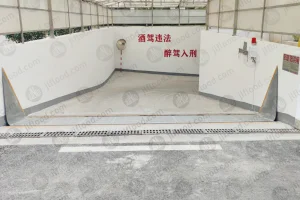
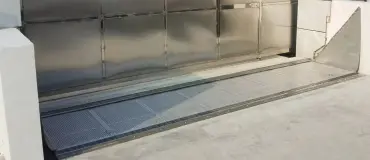
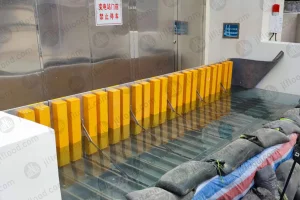
The modular barrier leaf rests flush inside a stainless steel ground chamber embedded at the doorway or ramp threshold. When water flows into the intake unit, natural buoyancy forces push the panel upward. As water rises, hydrostatic pressure locks the leaf firmly into position against heavy-duty EPDM gaskets.
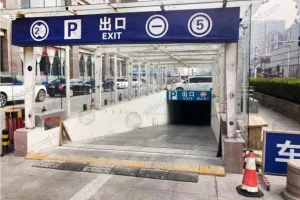
Constructed with structural stainless steel internal stiffeners and top-plate covers, embedded barriers sustain heavy vehicular traffic (up to 30–60 tons axle weight), making them perfectly suited for busy underground parking ramps, logistics hubs, and fire-truck access routes.
Utilizing automotive-grade vulcanized EPDM rubber sealing strips paired with SUS304/SUS316 stainless steel frame housings, the assemblies resist chemical exposure, road salt, UV degradation, and bio-fouling, achieving absolute zero-leakage performance under testing.
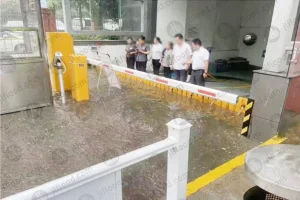
Every single modular design from Nanjing Junli Technology undergoes full-scale hydraulic pool testing to measure structural deflection, sealing integrity, and deployment speeds prior to global shipment.
Navigating global B2B procurement requires balancing strict engineering compliance with cost optimization. Chinese manufacturing clusters—specifically in high-tech manufacturing centers like Nanjing, Jiangsu—have established world-leading efficiencies in specialized steel fabrication and hydrodynamic flood control engineering.
Direct proximity to major premier stainless steel mills allows manufacturers to source certified SS304, SS316L, and structural aluminum alloys at baseline raw material costs. This translates to a 30% to 45% lower procurement cost compared to Western European or North American fabricators without sacrificing material thickness or structural integrity.
Junli Technology utilizes automated multi-axis fiber laser cutting and robotic seam welding systems. This ensures airtight tolerances on modular stainless steel barrier leaves, embedded ground frame channels, and interconnecting joint splices, eliminating micro-gaps where high-pressure flood water could seep through.
With standardized modular tooling and thousands of square meters of dedicated manufacturing floor space, Chinese factories can deliver large-scale project volumes (e.g., multi-station subway line barrier packages or city-wide utility grid rollouts) within 14 to 21 business days, compared to 8–12 week lead times standard in Western facilities.
Different infrastructure entrances demand distinct mechanical configurations, clear span widths, retaining heights, and structural mounting strategies. Below is a detailed breakdown of field-proven application sectors.
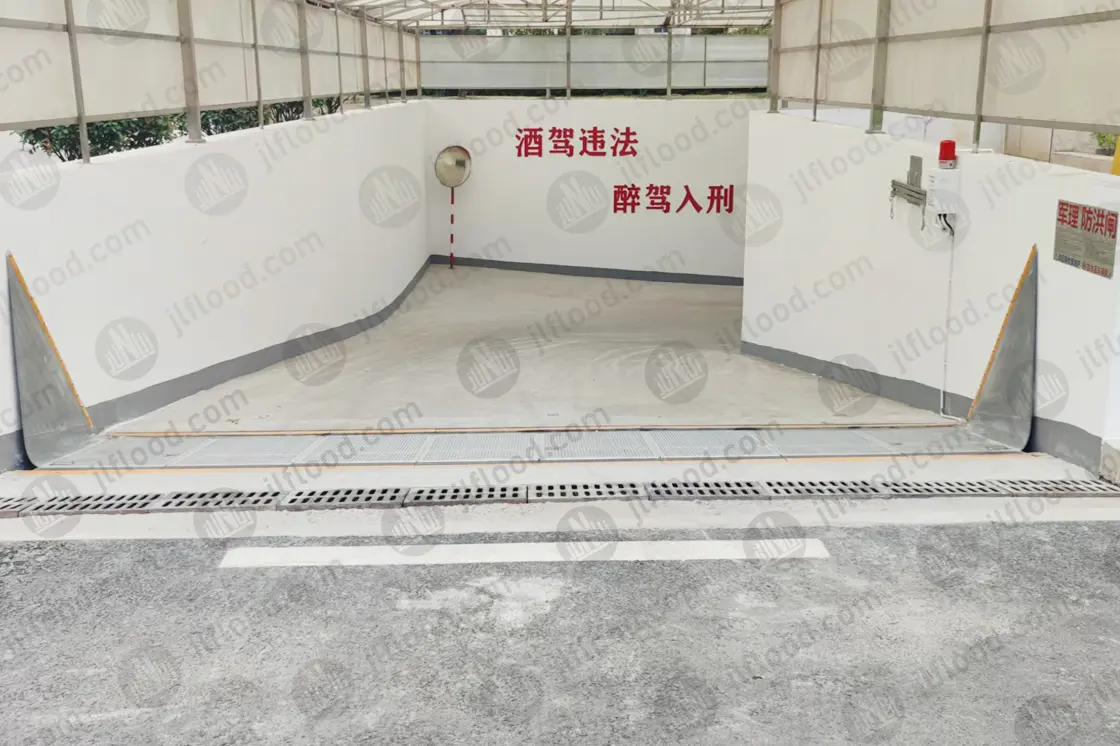
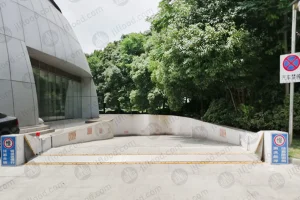
Flush embedded hydrodynamic barriers installed across residential, hospital, and commercial plaza garage ramps. Vehicles drive seamlessly over the top plate daily. During sudden downpours, the incoming runoff instantly activates the barrier, sealing off underground parking floors and electrical vehicle charging bays.
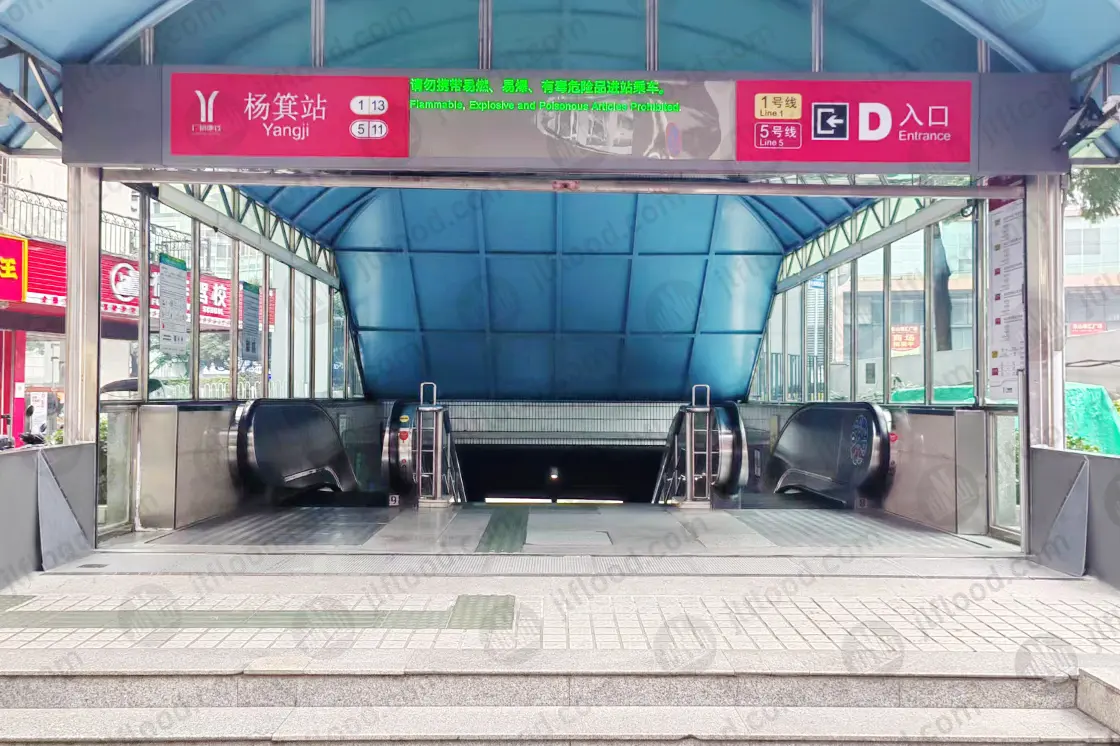
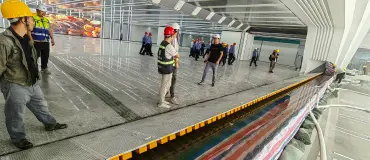
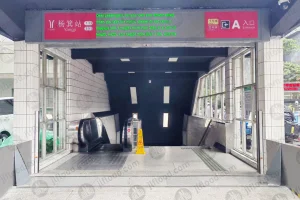
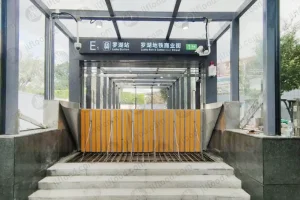
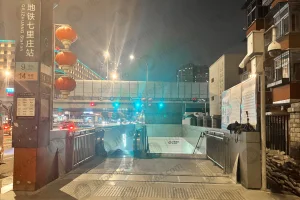
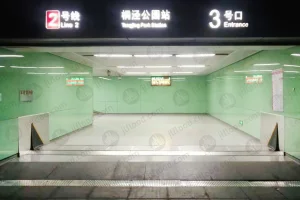
Applied at pedestrian station portals, air shaft intakes, and underground connection tunnels. Trusted across major urban rail transit systems including Guangzhou Metro, Beijing Metro, Suzhou Metro, Dalian Metro, and Hong Kong MTR transit corridors.
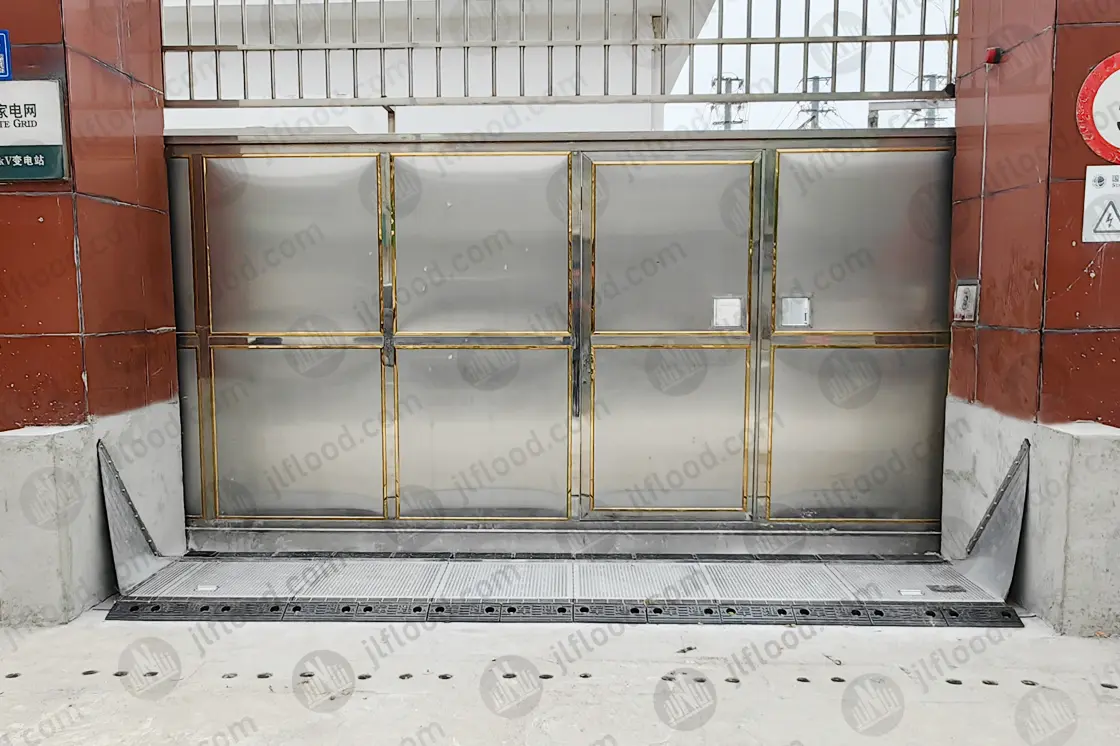
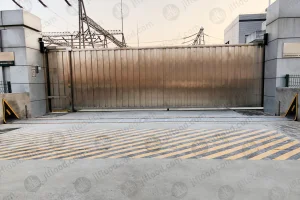
Critical energy assets require zero-fail flood barriers to prevent transformer flooding and regional power grid blackouts. Junli supplies specialized perimeter gates and cable trench flood barriers engineered for State Grid facilities and industrial power plants.
Automatic activation blocking surface floodwaters with zero operator presence.
Pure water-head buoyant actuation, eliminating dynamic electric components.
100% full-scale seal leakage and deflection verification before export loading.
B2B buyers, EPC contractors, and municipal procurement engineers can reference the standardized pricing guidelines below. Prices are scaled based on linear meter span, retaining height, material grade (304 vs 316L Stainless Steel), and activation mechanism.
| Barrier Model Type | Material Specification | Standard Height (H) | Axle Load Rating | Est. Wholesale Price (FOB China) | Ideal Application |
|---|---|---|---|---|---|
| Embedded Hydrodynamic Auto Barrier | Stainless Steel 304 / EPDM Seal | 500mm – 1000mm | 30 - 45 Tons | $450 – $750 / Linear Meter | Commercial Ramps, Metro Entrance Portals |
| Heavy-Duty Transit Hydro Barrier | Stainless Steel 316L / Reinforced Frame | 1000mm – 2000mm | 60+ Tons | $800 – $1,350 / Linear Meter | High-Speed Rail, Metro Connection Channels |
| Surface-Mounted Flip-Up Barrier | Anodized Al-Alloy & Stainless Base | 400mm – 800mm | 15 - 20 Tons | $320 – $580 / Linear Meter | Retrofit Buildings, Substation Gateways |
| Pedestrian Doorway Self-Closing Barrier | SUS304 Brushed Finish / Structural Polymer | 600mm – 1200mm | Pedestrian Only | $280 – $480 / Unit Set | Equipment Rooms, Cable Trench Entry Doors |
| Custom Hydrodynamic Mega Span Array | Marine Grade 316L Stainless Steel | 1500mm – 2200mm | 60+ Heavy Logistics | Project Specific / Factory Quote | Airport Perimeter Gates, Municipal Sluices |
Standard lead times for wholesale sample sets are 7 working days. Bulk project orders exceeding 100 linear meters qualify for volume discounts, customized embedding templates, third-party SGS/TÜV material certification, and dedicated installation guidance manuals in English.
The flood control industry is transitioning from reactive emergency measures to intelligent, proactive urban hydro-resilience. Nanjing Junli Technology leads this R&D frontier by integrating smart telemetry into passive hydrodynamic systems.
While mechanical activation remains 100% power-free via hydrodynamic buoyancy, embedded micro-sensors monitor deployment status, water depth head, seal compression, and chamber drainage flow in real-time, relaying data directly to Municipal Smart City SCADA platforms via NB-IoT or LoRaWAN.
Modern architectural designs require barrier foundations that integrate seamlessly into existing pavement without disrupting utility lines. Factory-prefabricated stainless steel embedment trays reduce civil construction time on-site from weeks down to a 48-hour window.
Next-gen EPDM and fluoroelastomer compound seals are chemically modified to endure extreme temperature swings (-40°C to +120°C), resisting industrial grease, petroleum runoff, and ozone exposure without cracking or losing elastic memory over decades.
Addressing the key technical, logistical, and commercial inquiries raised by international structural engineers, procurement officers, and distributors.
Explore the second half of our specialized catalog featuring embedded metro barriers, substation protection gates, and automatic hydrodynamic arrays.
Access engineering documentation, export service specifications, and technical whitepapers maintained by Nanjing Junli Technology Co., Ltd.
Export logistics, ocean packing standards, installation templates, and international project commissioning guidelines.
In-depth technical articles on urban waterlogging mitigation, seal chemical resistance, and FEMA structural benchmarks.
Fast index into specific flood control hardware categories, stainless steel barrier models, and case references.
Submit your entrance dimensions, required retaining height, and ground interface details. Our structural engineering team will deliver a comprehensive project proposal within 24 hours.


