
Factory-direct hydrostatic solutions engineered for municipal subways, power utility gates, and commercial underground parking structures.
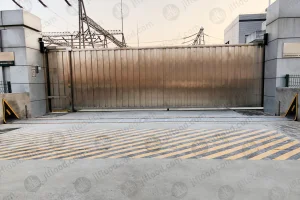
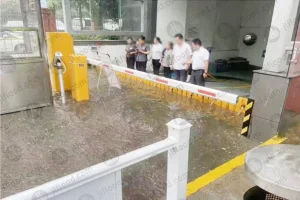
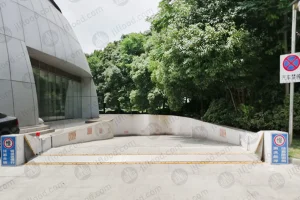
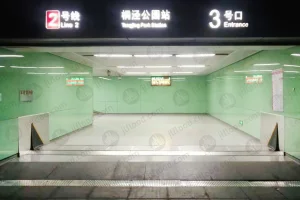

As extreme hydrometeorological events increase in frequency, industrial civil asset managers are moving away from manual deployment toward hydrodynamic self-activating barrier systems.
Eliminates reliance on external power grids, backup diesel generators, electric motors, or water level sensors that are prone to short-circuiting during tropical storms.
Reinforced extruded aluminum alloy profiles (6063-T6) engineered to sustain heavy vehicular traffic, including 40-ton logistics trucks and emergency vehicles.
The moment surface run-off enters the embedded bottom reservoir chamber, natural buoyancy automatically pivots the flood wall upward to lock against hydrostatic forces.
Engineered in Nanjing and deployed across multi-national infrastructure projects.
Deep technical specification guide for structural engineers, EPC contractors, and municipal procurement directors.
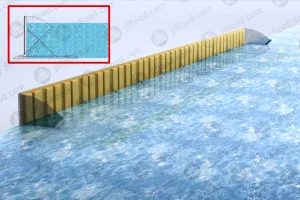
The entryway automatic flood barrier operates on fundamental Archimedes principles and hydrostatic leverage. Designed flush with surrounding pavement during dry periods, the system comprises a ground-embedded structural frame basin and a high-strength rotating barrier panel.
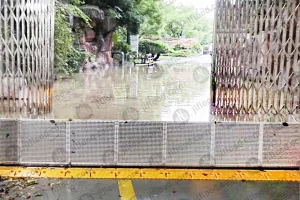
As storm surge or flash flood water flows across the threshold, water enters the bottom basin through intake grates. As water fills the basin, buoyant force lifts the front edge of the barrier panel. As the water head rises, hydrostatic pressure forces the panel firmly against vertical side-frame seals, creating a watertight barrier that scales dynamically with water height.
Watertight integrity depends on elastomer compression dynamics under continuous hydrostatic pressure. Our barriers utilize custom-extruded EPDM (Ethylene Propylene Diene Monomer) composite gaskets combined with high-grade NBR rubber seals.
The seals feature multi-lip profiles that self-tighten as water pressure increases. Resistive to UV degradation, ozone, temperature fluctuations (-40°C to +90°C), and chemical runoff, these seals maintain continuous performance through a 20-year service lifecycle.
| Performance Standard | Surface-Mounted Barrier Type | Embedded Basin Hydrodynamic Type | Flip-Up Mechanical Type |
|---|---|---|---|
| Primary Actuation Method | Manual Placement / Water Buoyancy | Hydrodynamic Automatic (Passive Buoyancy) | Electro-Hydraulic / Motorized Drive |
| Power Requirement | Zero (100% Passive) | Zero (100% Passive Hydrostatic) | Grid Electric / Battery Backup Required |
| Standard Retaining Height | 500mm – 1000mm | 600mm – 2000mm (Customizable) | 500mm – 1500mm |
| Traffic Load Capability | Light Pedestrian / Car Access | AASHTO HS-20 / EN 124 D400 (40 Tons) | C250 to D400 Rating |
| Civil Foundation Depth | 100mm – 150mm Surface Anchor | 300mm – 500mm Trench Depth | 400mm Pit Depth |
| Deployment Latency | Immediate upon water fill | < 0.5 Seconds from water intake | 30 – 90 Seconds motor drive |
Tailored structural designs matching global municipal safety guidelines and building codes.
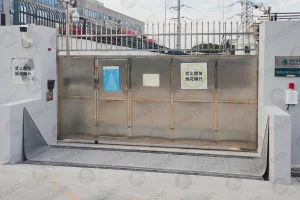
Ensures zero water intrusion into high-voltage transformer rooms and switchgear basements. Prevents multi-million-dollar utility outages during extreme rainfall.
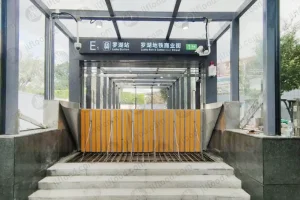
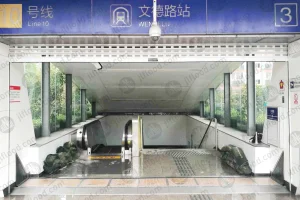
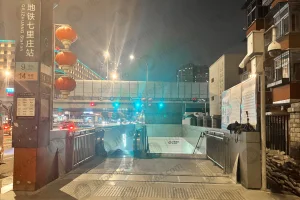
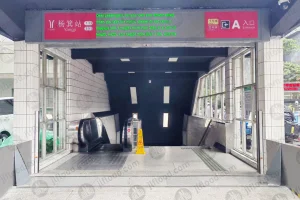
Protects vulnerable passenger portals, connection channels, and ventilation shafts against urban flood flows without obstructing foot traffic during normal transit operation.
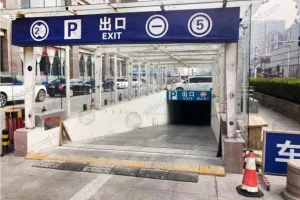
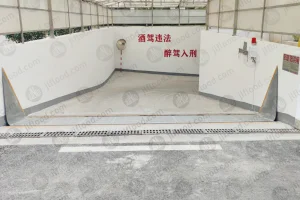
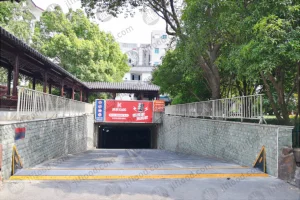
Flush ramp-mounted installation ensures smooth passage for passenger vehicles and delivery trucks. Automatically seals garage portals when street runoff crests the threshold level.
How next-generation passive flood barriers combine mechanical reliability with modern IoT monitoring networks.
Base mechanical hydrodynamic design utilizing density differential, Archimedean buoyancy, and high-tensile spring-assisted return systems to guarantee deployment.
Integration of low-power LoRaWAN or NB-IoT sensor modules into the embedded bottom basin to transmit real-time water level and panel status alerts to central BMS control rooms.
Direct connectivity with municipal stormwater SCADA systems, allowing facility managers to remotely view deployment metrics and flood crest telemetry across entire rail or utility networks.
Merging local rain-gauge forecasting with smart flood barriers to auto-test mechanical readiness and seal pressure before precipitation begins.
Every unit manufactured at our Nanjing facility undergoes rigorous physical testing before international shipment.
Strict structural welding standards, laser cutting tolerances (< 0.5mm), and environmental impact controls across all manufacturing processes.
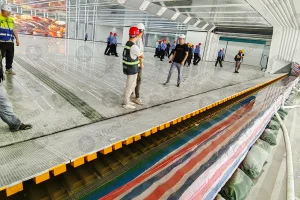
100% of custom orders undergo full-scale hydrostatic head pressure testing in our specialized hydro-chamber to measure seal leakage rates and mechanical deflection under load.
We provide complete civil foundation structural CAD drawings, rebar layout specs, embedded anchor templates, and remote installation guidance for international EPC partners.
Browse additional hydrodynamic barrier models, surface-type metro gates, and embedded water-retaining solutions.
Expert guidance on structural integration, maintenance intervals, and international order fulfillment.


