
High-performance hydrodynamic automatic flood protection barriers engineered for metro stations, electrical substations, commercial basements, and critical urban infrastructure. Zero-power operation, field-tested, and factory-direct wholesale pricing.
Explore our primary range of automatic hydrodynamic flood barriers and heavy-duty entryway protection systems manufactured to international municipal safety specifications.
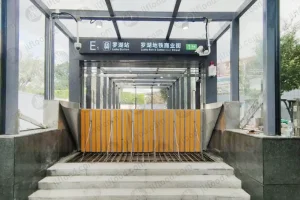
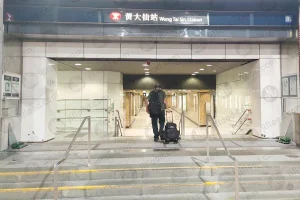
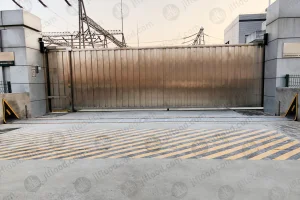
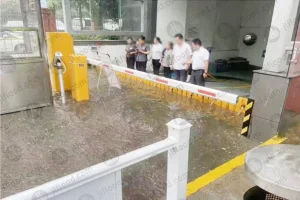
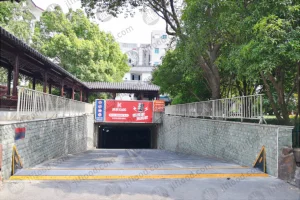

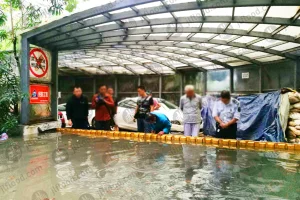
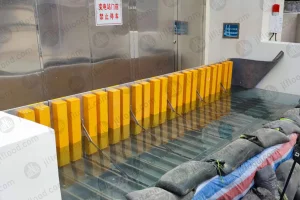
Accelerating climate volatilization and catastrophic urban cloudbursts have redefined risk profiles for subterranean infrastructure. Modern structural flood mitigation demands continuous, maintenance-free, self-activating entryway flood barriers that operate without reliance on grid power or human intervention.
Traditional flood prevention relied heavily on manual sandbags, removable flood boards, or electrical sensory gates. Manual systems suffer from fatal human latency during sudden atmospheric river events or nocturnal typhoons. Electrical systems frequently fail during severe storms due to municipal grid blackouts, short circuits, or sensory pump flooding.
Next-generation entryway flood gates utilize pure buoyancy kinematics. As surface runoff fills the recessed ground frame, hydrostatic pressure lifts the door panel automatically. The rising water itself powers the seal engagement, creating an impenetrable barrier against flash floods before water can breach the interior threshold.
Information Gain Note: Unlike standard perimeter barriers, entryway flood gates installed at underground parking ramps, metro portals, and power substations must balance structural heavy-vehicle drivability (ASTM C857 / EN 124 standards) with micro-second hydrodynamic responsiveness.
Selecting the correct entryway flood barrier requires detailed civil engineering analysis. Below is the technical specification matrix comparing China factory-direct wholesale flood barrier configurations.
| Barrier Category | Activation Mechanism | Material Metallurgy | Watertight Seal Rating | Load Support Class | Ideal Entryway Application |
|---|---|---|---|---|---|
| Hydrodynamic Automatic Gate | Water Buoyancy (Passive) | 6063-T6 Structural Aluminum / Stainless Steel | 99.9% (EPDM Dual-Lip Seal) | Heavy Vehicle (T25 - T40) | Underground Garages, Metro Inlets |
| Flip-Up Automatic Gate | Hydraulic / Water-Weighted | SUS304 Stainless Frame + Aluminum Door | Water-tight under 1.5m head | Medium Vehicle / Pedestrian | Commercial Plaza Entrances, Logistics Bays |
| Embedded Modular Barrier | Pre-installed / Auto-Rising | Anodized Marine Alloy 6005-T6 | Continuous Compressible Gasket | Heavy Transit (Up to 40 Tons) | Substation Enclosures, Rail Outlets |
| Self-Closing Trench Gate | Hydrostatic Counterweight | High-Strength Modular Structural Steel | Zero-Leakage Inverted Lip Seal | Pedestrian & Forklift Duty | Cable Trenches, Basement Walkways |
Procuring entryway flood barriers from Chinese manufacturing hubs (such as Nanjing, Jiangsu) provides global EPC contractors, developers, and municipal agencies with decisive structural and economic advantages.
China leads global non-ferrous metallurgy, allowing local factories to extrude ultra-wide, single-piece 6063-T6 aluminum flood gate panels exceeding 6 meters without structural welds. This reduces potential leakage points while optimizing load resistance.
Leading Chinese manufacturers maintain dedicated hydraulic test pools. Every custom production batch undergoes 100% full-scale hydrostatic testing—verifying lifting buoyancy, seal deflection, and maximum head retention prior to ocean transport.
By integrating regional steel mills, precision CNC machining shops, and proprietary EPDM seal vulcanization under one eco-system, Chinese suppliers offer 35%–50% cost efficiencies over European or North American counterparts on bulk orders.
Entryway flood gates must be tailored to specific spatial, structural, and hydraulic requirements. Here is how specialized systems protect diverse critical assets.
Subway entrances and underground pedestrian connections represent extreme flood risk zones. Water ingress can submerge track channels, signaling electronics, and cause massive life-safety threats. Embedded hydrodynamic barriers sit flush with the granite entryway floor during normal transit hours. When torrential rainwater overflows city gutters, the panel lifts autonomously to create a continuous 0.6m to 1.5m high retaining wall, shielding commuters and multi-billion-dollar transit infrastructure.
Electrical substations require continuous protection against flash flooding to prevent regional grid blackouts. Gates installed at substation entryways utilize non-conductive anodized surface coatings and flame-retardant EPDM seals. Because power grid failure often coincides with severe storms, power-free hydrostatic operation ensures 100% barrier uptime without relying on auxiliary generators.
Parking ramps are vulnerable to rapid urban runoff accumulation. Flush-mounted garage entryway barriers are designed for heavy vehicle drive-over traffic (up to 40-ton truck loads). Special rubber leaf wipers clear debris during rising action, ensuring the gate seats firmly into its side channels even when mud or street leaves enter the recessed frame.
Chemical plants and logistics parks require bi-directional flood management: preventing external flood waters from inundating hazardous material bays, and containing internal chemical spills or fire-water runoff from leaking into municipal waterways. Heavy-duty stainless steel gates provide certified chemical resistance and structural rigidity under high hydrostatic pressure.
The urban flood defence sector is undergoing rapid technological convergence. Leading entryway flood gate manufacturers are introducing key innovations to meet smart-city requirements:
Modern hydrodynamic gates are integrated with low-power NB-IoT/LoRaWAN position sensors. While the gate operates purely on water buoyancy, real-time wireless signals alert municipal control centers instantly when a gate initiates deployment or reaches full retention elevation.
Leading wholesale suppliers now deliver standard STEP and IFC 3D parametric models for seamless integration into Building Information Modeling (BIM) workflows, simplifying civil interface design for structural architects and EPC engineering teams.
Global insurance syndicates and municipal planning boards increasingly mandate passive automatic flood barrier installations for underground developments as a prerequisite for commercial building permits and flood insurance coverage.
Browse our specialized embedded models, self-closing flood gates, and location-specific installation arrays available for factory-direct wholesale export.
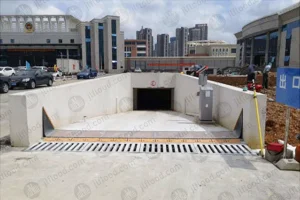
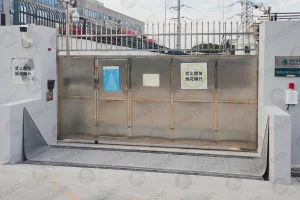
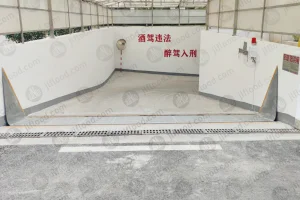
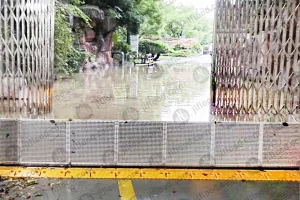
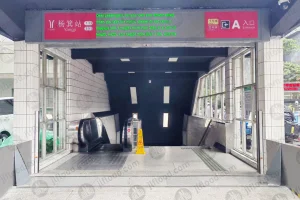
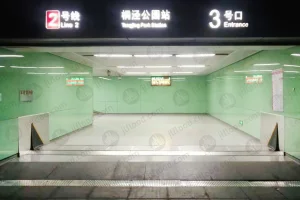
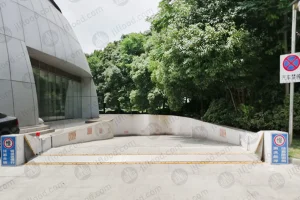
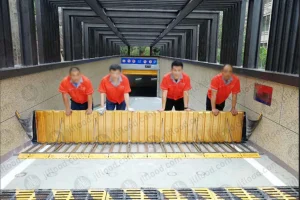
How wholesale buyers, civil engineering firms, and municipal procurement directors order custom entryway flood protection barriers direct from our manufacturing facility.
Provide the net width, structural threshold depth, kerb height, and required water retention height of your entryway opening.
Our structural engineers produce customized CAD drawings and Finite Element Analysis (FEA) reports verifying load-bearing limits.
Alloy extrusion, CNC machining, vulcanized EPDM seal assembly, followed by full-head hydrostatic pool verification testing.
Seaworthy export crate packaging, export clearance documentation, step-by-step civil installation templates, and digital support.
Addressing key technical, logistical, and operational queries from global entryway flood gate buyers and engineering consultants.
The barrier utilizes pure mechanical hydromechanic leverage and buoyancy principles. The panel rests flush inside a recessed stainless steel floor casing. When water overflows into the chamber, buoyancy causes the high-density internal floats and hollow aluminum panel to rise. As water depth increases, hydrostatic pressure firmly pushes the door panel against the rubber side gaskets, locking it into position automatically. No sensors, batteries, pumps, or human intervention are required.
Yes. Our standard heavy-duty garage and entryway flood gate frames are reinforced with internal structural ribbing engineered to sustain 25-ton to 40-ton axle loads (conforming to EN 124 / D400 vehicle ratings). The top panel sits completely flush with the surrounding finished driveway floor, allowing cars, buses, and fire engines to pass smoothly during normal operational conditions.
Single-leaf automatic hydrodynamic panels typically range from 0.5 meters to 2.0 meters in retaining height. Clear span width for a single panel can reach up to 6.0 meters. For wide entryway openings (such as multi-lane parking garage ramps or wide metro station plazas exceeding 10–30 meters), modular intermediate mullions or multi-leaf sync-arrays are installed to span unlimited total widths.
The recessed bottom casing features a built-in angled sediment basin and self-clearing leaf wipers. When the panel elevates during water inflow, the wipers brush away accumulated silt along the hinge line. Furthermore, the bottom chamber includes standard drainage discharge ports connected to the building’s sump pump or gravity drain network to automatically evacuate residual rainwater once the flood subsides.
Because hydrodynamic gates contain no electric motors, hydraulic fluids, or electrical logic boards, maintenance is exceptionally low. We recommend a simple semi-annual inspection: clearing any accumulated silt or gravel from the frame basin using a water hose, inspecting the EPDM rubber seals for physical damage, and manually lifting the panel once a year to verify smooth mechanical movement.
Every export shipment includes comprehensive technical documentation: Certified Mill Test Reports (MTR) for aluminum/steel alloys, Factory Acceptance Test (FAT) water retention reports, CAD installation interface drawings, FEA structural calculation sheets, ISO9001/ISO14001 quality certificates, and a 5-Year Limited Structural Warranty.


