
Factory-direct wholesale quotes for metro stations, substations, underground parking garages, and municipal water-retaining projects.
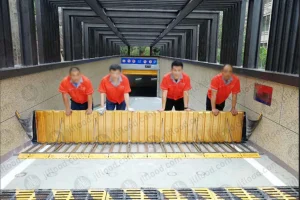
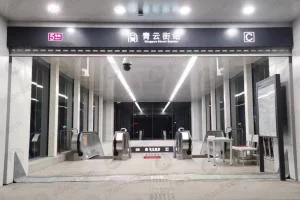
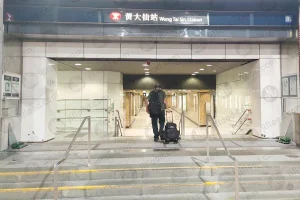
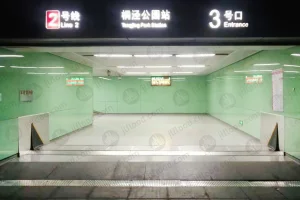
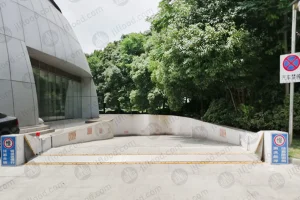
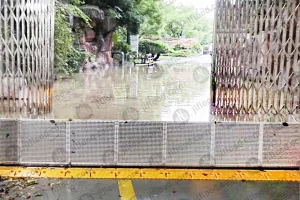
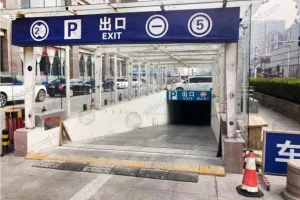
In an era marked by accelerating climate volatility, intense urban waterlogging, and flash pluvial flooding, modern municipal and commercial infrastructure faces unprecedented hydraulic vulnerabilities. Underground transit networks, subterranean parking complexes, electrical utility substations, and commercial basements represent prime targets for catastrophic water inundation. Traditional manual flood barriers—such as temporary sandbags or labor-intensive stoplogs—suffer from systemic failure modes, primarily stemming from delayed human deployment, insufficient structural rigidity, and human operational error during off-hour flash flood events.
This technical whitepaper provides municipal engineers, structural architects, EPC contractors, and global B2B procurement managers with a comprehensive evaluation of passive hydrodynamic automatic flood barrier panels. Manufactured in China's advanced industrial engineering hubs, these self-acting flood protection systems harness hydrostatic and hydrodynamic fluid dynamics to achieve 100% automated activation without external electrical power, human intervention, or electronic sensor reliance.
Core Engineering Gain: Unlike motorized or sensor-dependent flood gates that fail during grid power outages—the exact window when severe typhoons and storm surges strikes—hydrodynamic self-closing flood panels utilize incoming water buoyancy to automatically pivot or rise into place, creating a watertight structural barrier instantaneously.
How zero-power hydrodynamic buoyancy panels balance heavy traffic loads with automatic flood containment.
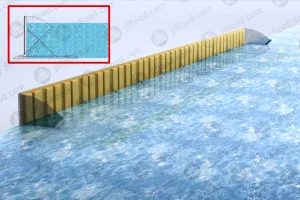
The system is recessed flush into ground level. When floodwaters reach the intake threshold, water flows into the bottom chamber via gravity. The hydrodynamic buoyant panel density profile ($\rho_{panel} < \rho_{water}$) initiates self-buoyant rotation around a heavy-duty stainless steel hinge system, rising automatically as water levels swell.
Fabricated using high-tensile extruded aluminum alloy (6063-T6 / 6005-T6) with an anodized coating layer exceeding 25μm. This structural configuration offers maximum structural yield strength ($>240 \text{ MPa}$) while remaining exceptionally light for fluid dynamic levitation.
Self-sealing performance is achieved via continuous co-extruded EPDM rubber seals featuring chemical resistance to oil, ozone, and acid rain. Hydrostatic head pressure compresses the seal against stainless side wall jams, decreasing leakage rates well below international civil engineering standard limits.
Objective performance benchmark of primary commercial flood protection panel systems.
| Flood Barrier Panel Type | Activation Mechanism | Power Requirement | Standard Height Range | Traffic Load Capacity | Maintenance Cycle |
|---|---|---|---|---|---|
| Hydrodynamic Self-Rising Gate (HM4D) | Automatic Water Buoyancy | 0 kW (100% Passive) | 500mm – 2000mm | 40 Ton Truck Drive-Over | Semi-Annual Visual Inspection |
| Flip-Up Automatic Flood Barrier | Hydrostatic / Hydraulic Assisted | Passive or Backup Battery | 400mm – 1500mm | 25 Ton Axle Load | Annual Hydraulic Check |
| Surface-Mounted Modular Panel | Manual Pre-Slotted Installation | Manual Labor | 200mm – 3000mm | N/A (Pedestrian / Doorway) | Post-Event Clean & Store |
| Substation Enclosure Shield Gate | Self-Closing Spring / Dynamic Float | Zero Electric Grid Needed | 600mm – 1200mm | Light Utility Vehicle | Bi-Annual Gasket Lubrication |
Procuring specialized flood mitigation equipment directly from certified Chinese OEM/ODM production facilities unlocks immense competitive advantages for global B2B buyers, municipal authorities, and regional flood barrier distributors. China's industrial infrastructure—specifically in specialized flood control manufacturing centers like Nanjing, Jiangsu—combines complete metallurgical supply chains with rigorous quality assurance systems.
Commercial building openings rarely conform to static off-the-shelf dimensions. Chinese manufacturing hubs utilize advanced CNC laser cutting, automated robotic MIG/TIG welding cells, and dedicated aluminum extrusion dies. Whether an architectural specification calls for an extra-wide 20-meter driveway span, custom retention heights (e.g., 600mm, 1000mm, or 1500mm), or embedded ground frames built for heavy transport hubs, Chinese factories deliver precise engineering within 14–21 calendar days.
Top-tier Chinese manufacturers operate dedicated hydrostatic testing pools and hydraulic flow rigs inside their facilities. Prior to international containerized shipping, every batch of hydrodynamic flood barrier panels undergoes real-water seal verification. Test metrics include response speed upon water inflow, deflection under peak static head pressure ($L/500$ deflection limits), and zero-leakage gasket performance under high-pressure submersion.
By leveraging localized aluminum ingot sourcing, direct extrusion lines, and streamlined assembly practices, Chinese factories provide wholesale pricing at 40% to 60% lower costs than European or North American counterparts—without compromising structural integrity or material certifications (ISO 9001, ISO 14001, CE, BS EN 1991 compliance).
Tailored engineering integrations for critical urban vulnerability points.
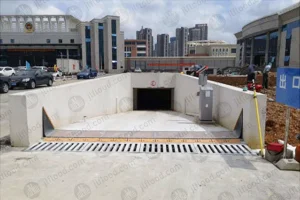
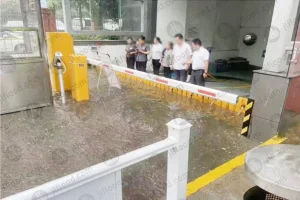
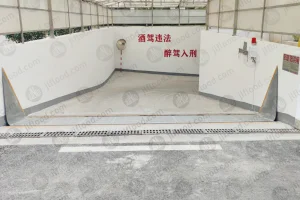
Flush embedded installation across car park entrances. Vehicles effortlessly drive over the structural top plate daily. Automatically deploys during sudden cloudbursts, preventing basement car submergence.
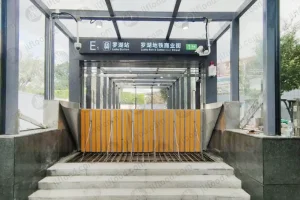
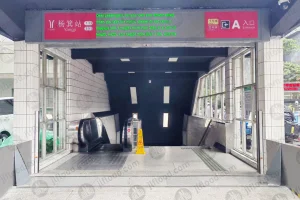
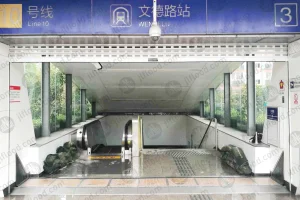
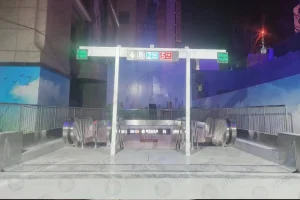
Deployed at metro pedestrian steps, inter-station connecting channels, and ventilation shafts. Engineered to meet strict mass transit authority safety protocols with fail-safe mechanical locking.
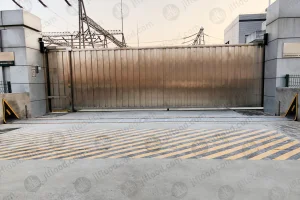
Perimeter gates and control room thresholds protected against flash urban logging. Prevents catastrophic transformer shorts and power grid collapse during extreme weather events.
Aesthetically seamless barrier systems matching high-end architectural facades. Surface-mounted or flip-up configurations ensure zero tripping hazards for pedestrian traffic.
Select your project parameters to request custom engineering drawings, pricelists, and FOB/CIF shipping quotes.
As global municipal building codes adapt to climate change, structural engineering requirements for flood barriers are shifting rapidly from static defensive walls to smart, integrated, resilient systems. Key technological developments shaping the next decade include:
While the primary mechanical activation of hydrodynamic panels remains 100% passive and zero-power dependent, modern installations are increasingly paired with low-power IoT telemetry sensors. Solar-powered or long-life battery sensors transmit real-time telemetry alerts to facility management dashboards, sending mobile notifications the instant water fills the bottom chamber and triggers gate elevation.
Advancements in material science have introduced carbon-fiber reinforced polymer (CFRP) and high-density composite aluminum panel matrixes. These materials reduce panel weight by an additional 30% while expanding structural tensile capacity, allowing for single-leaf spans exceeding 8 meters without intermediate removable mullions.
Future urban planning emphasizes non-destructive retrofitting for legacy buildings. Modern flood gate designs utilize ultra-thin recessed embedment frames or surface-mounted incline tracks, permitting installation on existing concrete slabs without requiring extensive excavation or utility line relocation.
Answers to critical questions regarding technical specifications, factory pricing, customization, and international logistics.
The system operates purely through buoyancy and hydrostatic physics. No electricity, batteries, hydraulic pumps, or human operators are required. As incoming floodwaters enter the recessed base frame chamber, fluid buoyancy naturally floats the engineered aluminum panel upward. Continuous rising water increases hydrostatic head pressure, forcing the panel tight against the dual-lip EPDM seals to form an immediate watertight lock.
Yes. Standard embedded drive-over models (such as the HM4D series) are structural rated for axle loads of 40 tons or higher (conforming to EN 124 Class D400 / AASHTO HS-20 standards). The top surface plate is constructed from heavy-gauge extruded aviation aluminum with anti-slip tread patterns, engineered to withstand daily heavy vehicle traffic in underground garages and logistics parks.
Standard custom production typically ranges from 14 to 21 business days after CAD drawing approval. For large municipal infrastructure projects requiring multiple modular arrays, staggered containerized deliveries can be scheduled. Accelerated production runs are available for urgent seasonal flood preparation orders.
Every shipment includes complete English CAD installation schematics, concrete foundation embedment guidelines, factory hydrostatic pool test certificates, material mill test certificates (MTC), ISO 9001 quality compliance reports, and a 5-year structural manufacturer warranty.
The bottom frame chamber is designed with integrated slope drainage channels and clean-out access points. Periodic maintenance involves removing the top inspection covers to flush out leaf litter or sediment using a standard high-pressure water hose during routine biannual facility inspections.
Send your entrance clear spans, required retention height, and project location to receive a custom CAD proposal and wholesale price breakdown within 24 hours.


