
Explore field-tested hydrodynamic flood gates, automatic rising barriers, and custom embedded retaining systems engineered by Nanjing Junli Technology Co., Ltd.
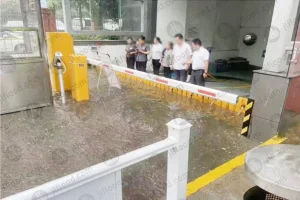
As extreme weather events become more intense and frequent globally, industrial real estate developers, municipal transit authorities, electrical grid operators, and EPC contractors are fundamentally reassessing their perimeter flood protection strategies. Traditional flood defense methods—such as manual sandbagging, temporary aluminum stop logs, and electrically driven flood gates—are increasingly seen as liabilities due to human error, deployment delays, and electrical grid failures during severe storms.
Modern enterprise procurement requires zero-power, hydrodynamic self-closing flood protection baffles. By harnessing hydrodynamic buoyancy force and hydrostatic water pressure, these advanced civil engineering barriers automatically rise and lock when floodwaters arrive—requiring no human intervention, no electrical sensors, no external energy source, and zero manual activation time.
In 92% of catastrophic urban flood events, regional power grids trip or are intentionally cut to prevent electrocution. Electrically actuated flood gates fail under blackout conditions unless backed by multi-redundant UPS systems, which introduce massive maintenance overhead. Hydrodynamic automatic flood baffles utilize physical fluid dynamics, guaranteeing 100% deployment reliability regardless of grid integrity.
Flood defense requirements vary significantly depending on hydraulic head pressure, traffic loads, clear opening widths, and structural substrate conditions. Wholesale buyers must select specific architectural configurations tailored to their asset class.
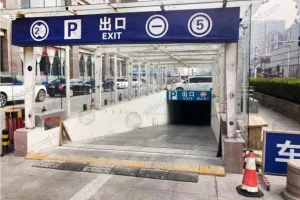
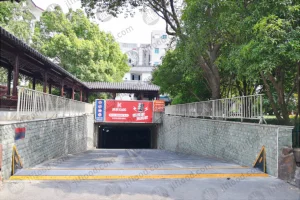
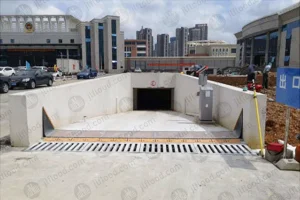
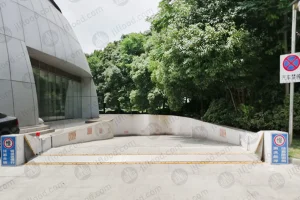
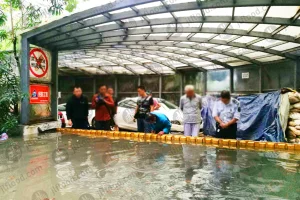
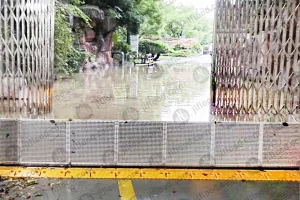
Flush-mounted drive-over hydrodynamic baffles integrated into subterranean parking ramps. Designed for heavy vehicular traffic (up to 30–60 tons load capacity) during daily operations, rising automatically when rainfall runoff overflows drainage channels.
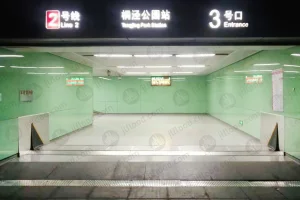
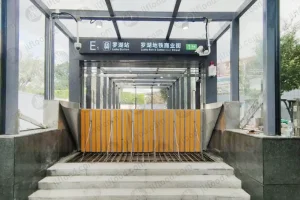
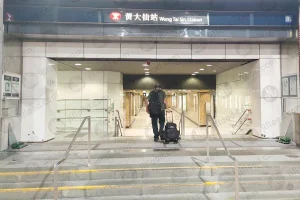
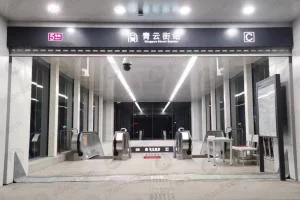
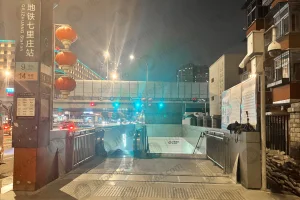
High-security barriers for metro station entrances, vent shafts, and underground pedestrian connection channels. Engineered to resist extreme water head dynamic surges caused by typhoon flash floods in major metropolitan areas.
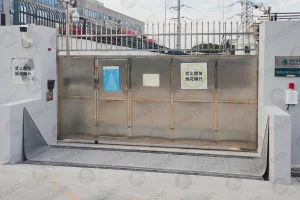
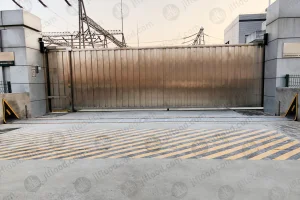
Unmanned substation perimeter gates and transformer room access doors. Prevents catastrophic regional power failure by isolating high-voltage switchgear facilities from incoming surface water runoff.
| Evaluation Parameter | Passive Hydrodynamic Baffles | Manual Aluminum Stop-Logs | Electromechanical Flood Gates |
|---|---|---|---|
| Activation Mechanism | Water Buoyancy & Hydrostatic Pressure | Manual Staff Assembly | Electric Motor / Hydraulic Pump |
| Blackout Vulnerability | Zero Impact (100% Operational) | Zero Impact (Needs Personnel) | High Risk (Fails without generator/UPS) |
| Response Delay | Instantaneous (0–30 Seconds) | 1 to 3 Hours (Requires mobilization) | 1 to 5 Minutes (If sensors detect) |
| Labor Cost & Risk | Zero Operational Labor | High Personnel Deployment Risk | Low Operational Labor |
| Annual Maintenance | Minimal (Clean frame basin debris) | Storage & seal inspection | High (Motor, wiring, sensors, UPS) |
| Life Cycle Cost (20-Yr) | Lowest Total Cost of Ownership | Medium (High labor & logistics) | Highest (Regular component replacement) |
Understanding the fluid dynamics behind self-closing automatic flood barriers is critical for structural engineers, procurement officers, and architectural specifiers. Nanjing Junli Technology Co., Ltd. builds its products using verified hydro-mechanical principles.
The flood barrier panel rests flush within a recessed, low-profile stainless steel or structural aluminum foundation chamber. The top surface functions as a seamless, load-bearing roadway or pedestrian floor during normal weather.
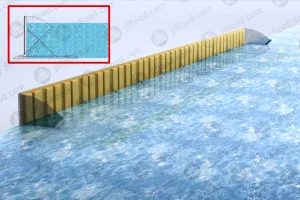
When floodwater reaches a pre-calculated water retaining threshold, surface water enters the embedded chamber via targeted intake grates. As water fills the bottom reservoir, hydrostatic buoyancy forces act on the hollow, high-buoyancy engineered panel, causing it to pivot upward automatically around a heavy-duty stainless steel hinge system.
As the floodwater level rises further, hydrostatic pressure presses the top panel against the downstream frame uprights. This fluid pressure compresses dual-durometer EPDM/NBR elastomeric seals along the sides and bottom of the frame.
The higher the floodwater rises, the tighter the seal becomes. This self-tightening sealing design achieves an exceptionally low leakage rate compliant with stringent international water-retaining standards.
When purchasing wholesale flood protection baffles directly from Chinese manufacturers, structural reliability, manufacturing precision, and QA documentation are paramount. Nanjing Junli Technology Co., Ltd. maintains rigorous quality control processes at every stage of design and production.
Every customized barrier array undergoes full hydrostatic head pool testing at our factory test facility. We measure exact deployment initiation time, panel lifting motion smoothness, structural deflection, and seal water-tightness prior to dispatch.
We provide full structural CAD blueprints, 3D BIM models, anchor embedment templates, rebar reinforcement clearance requirements, and civil drainage channel connections for general contractors.
Our flood control products adhere to international engineering standards, including CE marking, ISO 9001 quality management system certification, ISO 14001 environmental compliance, and standardized testing based on FM 2510 and BS EN 13564 guidelines.
When requesting wholesale quotes for flood protection baffles from our engineering team, pricing depends on several critical architectural factors. To receive an accurate factory-direct quotation within 24 hours, buyers should provide the following design specifications:
Wholesale Volume Pricing: Nanjing Junli Technology Co., Ltd. offers tiered pricing for municipal infrastructure projects, multi-site commercial parking portfolios, and regional OEM distributor orders.
Browse our specialized automatic, embedded, flip-up, and metro-line flood barriers engineered for long-term operational resilience.

Get quick, definitive answers to technical, operational, and commercial questions regarding hydrodynamic self-closing flood protection baffles.
The system operates entirely on fluid dynamics—buoyancy force and hydrostatic pressure. As floodwaters enter the embedded foundation tray, the high-buoyancy panel naturally floats and rises. Rising water behind the panel locks it securely against downstream frame seals. It requires zero electrical power, zero battery backups, zero sensors, and zero manual labor.
Yes. When in its default lowered position, the top surface of our embedded flood barrier sits perfectly flush with the road or ramp surface. Engineered with high-strength structural aluminum extrusion (6063-T6) or heavy-gauge stainless steel, standard units support axle loads ranging from 15 to 60 tons without structural deformation.
Maintenance is minimal compared to electromechanical systems. We recommend a semi-annual visual inspection: clearing silt or autumn leaves from the intake grates and flushing out the bottom drainage channel with water. The EPDM rubber seals are weather-resistant and UV-stabilized, requiring replacement only every 8 to 10 years under harsh environmental conditions.
Standard single-leaf retaining heights range from 500mm (0.5m) to 2000mm (2.0m). Single clear spans are manufactured up to 6 meters. For wide driveways or station entrances exceeding 20 meters, modular multi-leaf arrays with removable or flush-folding intermediate posts are deployed.
We provide comprehensive technical support including detailed civil foundation drawings, 3D installation videos, rebar layout specs, and step-by-step English maintenance manuals. Remote video engineering consultations and on-site engineering dispatch options are available for major infrastructure tenders.


