Explore our field-tested, hydrodynamic self-rising flood gates designed for metro stations, power substations, underground car parks, and home perimeters. Manufactured under strict ISO 9001 and CE quality standards.
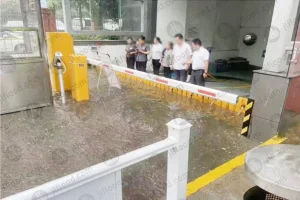
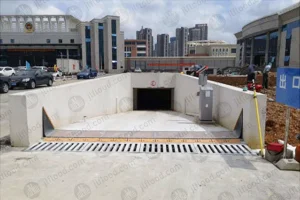
As rapid urbanisation aligns with increasing frequencies of extreme weather events, atmospheric river events, and sudden cloudburst typhoons, urban infrastructure globally faces an unprecedented threat of inundation. Urban flash flooding poses immense risks to subterranean structures, including residential basements, commercial garage ramps, metro transit channels, and power grid substations. Conventional flood protection methods—such as manual sandbagging, temporary modular aluminum stop-logs, and electrically powered pump-activated barriers—have repeatedly demonstrated catastrophic single-point vulnerabilities during real-world disasters.
When extreme storm surges hit urban centers, three power-grid anomalies routinely coincide: unexpected grid blackouts, rapid hydro-static pressure accumulation within minutes, and severe traffic gridlocks that prevent manual deployment crews from reaching vulnerable entryways. Recognizing these operational bottlenecks, global municipal planners, civil engineering consultants, and commercial real estate developers are shifting specification standards away from active manual systems toward hydrodynamic passive automatic flood barriers.
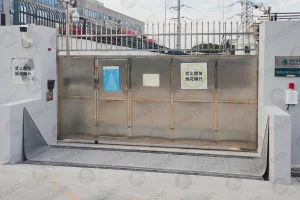
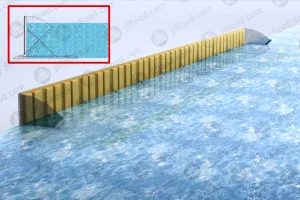
As an industry-leading flood protection home water control barrier manufacturer and direct factory engineering team based in Nanjing, China, Nanjing Junli Technology Co., Ltd. has revolutionized passive perimeter water defense. The fundamental mechanics of our flagship automatic flood gate rely directly on fluid mechanics principles—specifically Archimedes' Buoyancy Principle and hydrostatic differential balancing.
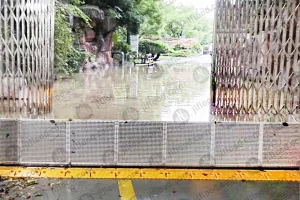
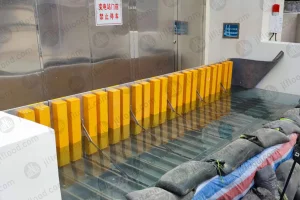
Rising floodwater flows through natural gravity intake grates into a recessed ground foundation basin beneath the barrier door. As water levels inside the chamber fill, positive hydrodynamic buoyancy forces push the door leaf upwards instantly without needing sensors, motors, or backup generators.
Once elevated to its maximum vertical angle, the incoming water column exerts horizontal pressure against the structural barrier leaf. This pressure compresses specialized marine-grade EPDM double-lip rubber gaskets against frame abutments, generating a leak-proof seal capable of resisting extreme hydrostatic head pressures.
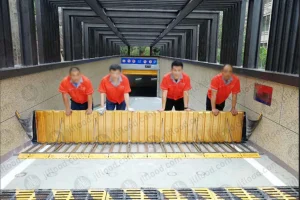
When municipal storm drainage systems clear the surface floodwaters and the reservoir chamber naturally drains via non-return weep valves, the weighted aluminum-alloy gate leaf automatically recedes flush into its ground frame casing, restoring unobstructed vehicular and pedestrian passage.
Sourcing large-span water control barriers, subterranean garage flood gates, and structural perimeter barriers requires strict structural integrity, high precision metallurgy, and reliable scaling capability. China's industrial ecosystem—specifically led by high-tech engineering hubs like Nanjing Junli Technology Co., Ltd.—delivers decisive supply chain advantages for global EPC contractors, architectural firms, and wholesale importers.
Our manufacturing facility utilizes high-tensile 6063-T6 aerospace-grade anodized aluminum extrusions and structural 304/316 stainless steel frame assemblies. Unlike lightweight sheet-metal fabrications, our extrusion profiles feature internal multi-rib structural reinforcement channels that resist deflection under extreme dynamic hydrodynamic wave action and accidental vehicle impact loads.
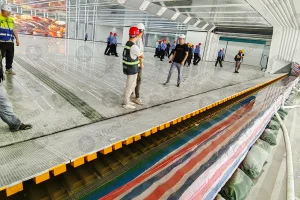
Every single model design manufactured at our factory undergoes rigorous 1:1 full-scale hydro-static pool testing before mass production. We verify seal compression tolerance, passive elevation latency, dynamic sediment handling, and leakage rates under full head pressure, ensuring total compliance with global civil defense standards.
Whether a site calls for a 2.5-meter single driveway span or a 30-meter multi-leaf modular installation across a multi-lane metro connection channel, our engineering team provides tailored CAD/BIM dimensional drawings, embedded frame templates, and structural load calculations designed to match local civil works interfaces perfectly.
By leveraging China's complete industrial supply chain—from raw aluminum ingot refining to vulcanized EPDM seal production—Junli delivers premium, zero-power automatic flood protection gates at factory-direct wholesale pricing, reducing total capital expenditure (CapEx) for developers by up to 40% compared to Western market equivalents.
Selecting the optimal flood defense architecture for critical assets requires a comparative evaluation of operational risk parameters, energy reliance, deployment labor, and long-term operating costs (OpEx).
| Evaluation Parameter | Junli Hydrodynamic Automatic Barrier | Electrically Powered Motor Gates | Manual Demountable Aluminum Logs | Traditional Sandbags |
|---|---|---|---|---|
| Activation Power Source | Zero (Passive Water Hydrodynamic Buoyancy) | Mains Electricity / Diesel Generator Required | Manual Human Physical Effort | Manual Human Physical Effort |
| Response Latency | Immediate (0.1 to 3 Seconds upon inflow) | 30 - 120 Seconds (If power active) | 1 to 3 Hours (Assembly required) | 4 to 12 Hours (Labor intensive) |
| Blackout Reliability | 100% Fail-Safe Operating Guarantee | High Failure Risk during grid outages | Independent of power (Human dependent) | Independent of power (Human dependent) |
| Human Error Risk | Zero (Fully Autonomous System) | Moderate (Operator activation required) | Severe Risk (Requires staff on-site) | Severe Risk (Requires large labor force) |
| Aesthetic & Space Usage | 100% Flush Ground Integration | Bulky Overhead/Side Motor Housing | Requires Off-site Storage Warehouses | Cluttered & Disposable Waste |
| 20-Year Total Cost of Ownership | Lowest (Zero power, minimal seal upkeep) | High (Motor testing, electrical maintenance) | Moderate (Labor setup costs per event) | Highest (Single-use material replacement) |
Different building thresholds present unique structural geometries, water head challenges, traffic loading demands, and civil interface constraints. Junli's technical team configures custom water control barriers tailored specifically for distinct sector vulnerabilities.
For high-end residential villas, underground apartment car parks, and private property driveways, visual aesthetics and daily vehicle accessibility are paramount. Junli's surface-mounted or flush-embedded residential water barriers sit seamlessly at driveway crests. Engineered to support up to 20-ton axle loads, luxury vehicles can drive over the recessed barrier casing daily without damaging structural components. When intense rainstorms hit, the system triggers automatically to protect subterranean garages from multi-million dollar vehicle flooding damages.
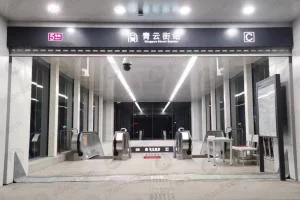
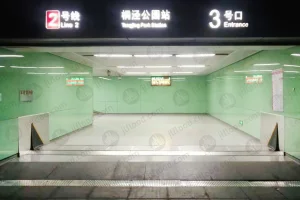
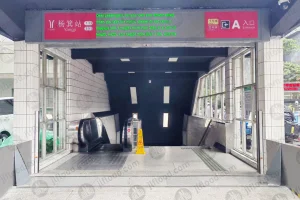
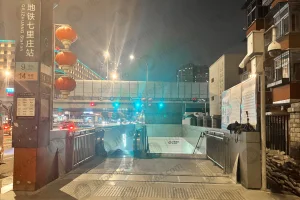
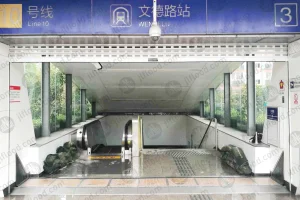
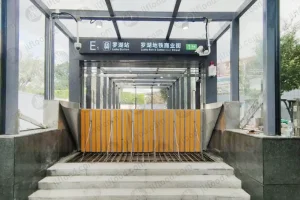
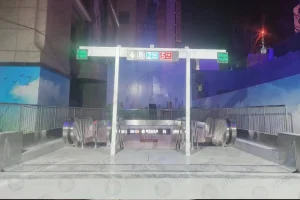
Subway systems are the lifeblood of modern megacities, yet their subterranean nature makes them extremely vulnerable to flash flooding. A single breach at a station portal can submerge underground track tunnels, electrical signaling networks, and passenger platforms. Junli hydrodynamic gates have been successfully specified and installed across dozens of major metro projects, including Guangzhou Metro, Beijing Metro, Suzhou Metro, and Dalian Metro. Installed at pedestrian steps, connection passages, and ventilation shafts, our barriers seal out high floodwaters without obstructing daily commuter movement.
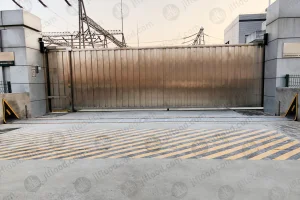
Power transmission substations and mission-critical data centers contain high-voltage switchgear, transformer pits, and floor cable trenches where moisture intrusion causes localized explosions, cascading grid blackouts, and catastrophic equipment destruction. Junli self-closing and self-opening flood gates provide non-electric, 24/7 autonomous protection around perimeter transformer walls, cable trench doorways, and main access gates, preserving grid integrity during natural disasters.
Large-scale commercial plazas, underground shopping centers, municipal utility vaults, and regional hospital emergency facilities require robust flood defense that complies with strict municipal civil defense mandates. Junli offers multi-leaf wide-span hydrodynamic gates featuring modular intermediate support pillars, allowing continuous barrier coverage across openings exceeding 30 meters wide while maintaining structural stability against heavy hydraulic heads.
For international procurement managers, civil engineering consultants, and general contractors, procuring custom industrial flood gates involves multi-stage technical coordination. Nanjing Junli Technology ensures a streamlined, fully documented B2B procurement lifecycle tailored to international project standards.
To determine the correct barrier model (surface-mounted vs. embedded, single-leaf vs. multi-leaf modular), our technical desk evaluates five key engineering inputs supplied by the client:
Our in-house R&D team provides complete CAD detail sheets, BIM Revit models, anchor bolt layout templates, and civil construction interface guidelines. Specification engineers can seamlessly integrate our architectural details directly into project tender packages.
Manufacturing is executed under ISO 9001 quality management protocols. Raw aluminum profiles undergo T6 heat treatment and anodization testing to ensure corrosion resistance against salt spray and urban runoff chemicals. Dual-lip EPDM seal gaskets are subjected to continuous vulcanization compression tests to guarantee decades of dynamic elasticity.
All units are packed in export-standard reinforced wooden crates with waterproof vapor barrier wraps to prevent transit damage during ocean freight. Junli provides comprehensive English installation manuals, step-by-step video tutorials, remote video commissioning guidance, and optional engineer dispatch for global mega-infrastructure contracts.
Get answers to common technical queries regarding hydrodynamic auto flood control systems, civil site readiness, maintenance protocols, and international shipping.
Explore additional specialized flood gate configurations engineered for electrical substations, metro connection channels, and non-electric automated perimeter defenses.