Direct-from-factory hydrodynamic flood control gates, self-closing barriers, and surface/embedded installations certified for urban infrastructure resilience.
An authoritative engineering analysis on climate adaptation, passive hydro-buoyancy mechanisms, and subterranean asset preservation for civil engineers, municipal buyers, and EPC contractors.
In an era defined by intensifying global climate volatility, extreme precipitation events, cloudbursts, and rapid urban stormwater runoffs represent an existential threat to underground infrastructure. High-density metropolitan centers are increasingly susceptible to severe urban waterlogging. Traditional flood mitigation strategies—such as manual sandbag placement, removable aluminum demountable barriers, or electromechanical flood gates—exhibit critical failure points during real-world cloudburst scenarios.
Manual barriers suffer from human latency, logistical delays, and labor unavailability during off-hour typhoons. Electromechanical gates depend heavily on power grids, sensor networks, and hydraulic pumps, which frequently suffer catastrophic short-circuits during severe flooding—the precise moment protection is required. Consequently, municipal transit authorities, power grid corporations, and commercial real estate conglomerates are executing a macro-shift toward hydrodynamic passive automatic flood stop devices.
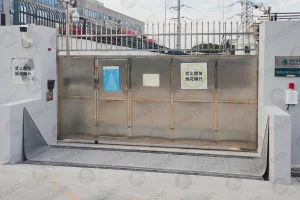
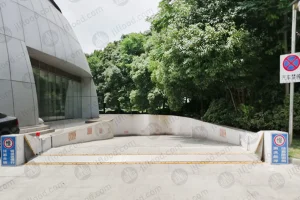
Engineered by Nanjing Junli Technology Co., Ltd., the hydrodynamic automatic flood barrier utilizes a subterranean embedded foundation trough integrated flush with the finished road surface. Under normal dry conditions, heavy vehicles drive directly over the durable structural top plate without obstruction. The barrier panel remains fully recessed, preserving architectural aesthetics and unhindered vehicle/pedestrian transit.
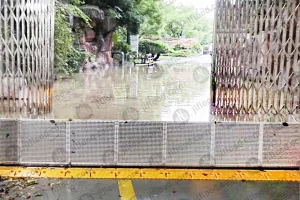
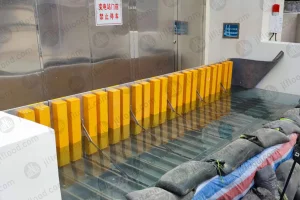
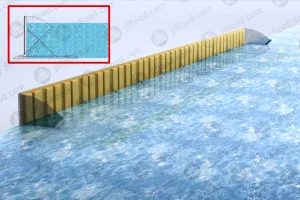
When floodwaters accumulate and breach the entry threshold, surface runoff enters the foundation basin via localized intake grates. As water fills the basin, it generates passive vertical buoyancy according to Archimedes' principle. The hydrodynamic panel automatically pivots upward. As the water head rises, hydrostatic pressure forces the panel’s elastomeric EPDM seals tight against the structural frame, creating an impenetrable water-retaining wall.
Runs purely on water buoyancy and gravity. Unaffected by citywide blackout events, power grid damage, or short-circuited electrical relays.
Passively responds the instant water enters the foundation trough, locking into full vertical retention position within seconds to block flash floods.
Engineered to support heavy commercial vehicles (up to 60-ton truck loads) in drive-over mode without structural deformation or seal displacement.
A clear performance comparison for project engineers selecting optimal perimeter protection for critical infrastructure assets.
| Evaluation Parameter | Junli Hydrodynamic Automatic Gate | Manual Demountable Barriers | Electromechanical Motorized Gates |
|---|---|---|---|
| Activation Principle | Passive Buoyancy & Hydrostatic Pressure | Manual Human Labor & Assembly | Electric Motor / Hydraulic Pump |
| Power Grid Requirement | 0 kW (100% Zero-Power) | 0 kW | High (Requires Backup Generator) |
| Human Latency Risk | Zero (Fully Autonomous) | High (Depends on Staff Availability) | Medium (Requires Manual Trigger/Sensors) |
| Flood Response Speed | Instantaneous (< 0.1s initial response) | 30 to 120 Minutes Setup Time | 15 to 45 Seconds Motorized Lift |
| Flood Head Capacity | 0.5m to 2.0m (Customizable) | 0.6m to 1.2m Maximum | 1.0m to 2.5m |
| Service Life & Maintenance | 20+ Years (Minimal mechanical parts) | High risk of lost posts/damaged seals | High (Motor/Hydraulic oil maintenance) |
Tailored structural configurations designed to integrate seamlessly into global civil projects, building codes, and municipal transit standards.
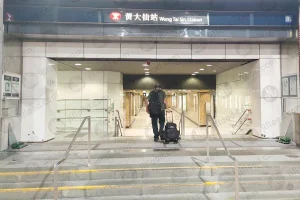
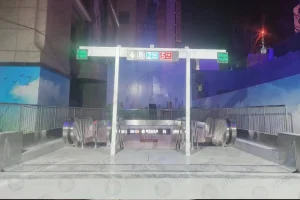
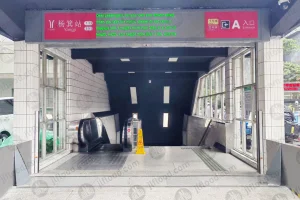
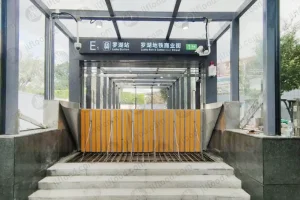
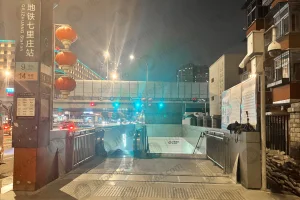
Subway station entrances, pedestrian concourses, and ventilation shafts represent primary water entry vectors during urban floods. As proven across Guangzhou Metro, Dalian Metro, and Suzhou Metro networks, Junli embedded barriers lock station portals automatically, preserving billion-dollar transit electrical assets and passenger safety.
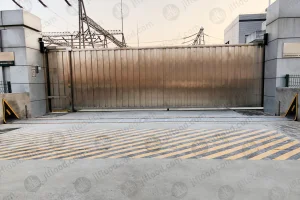
Water intrusion into transformer rooms and high-voltage cable trenches causes regional electrical blackouts. Junli substation flood stop barriers feature high chemical resistance, electromagnetic insulation compatibility, and custom perimeter gate sizes engineered specifically for State Grid and global utility operators.
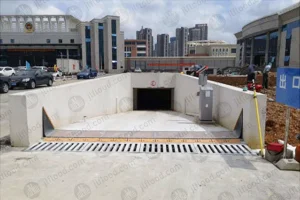
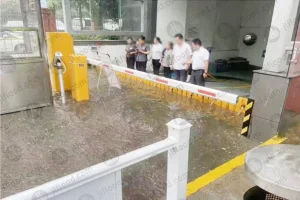
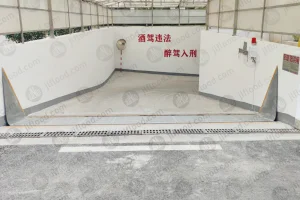
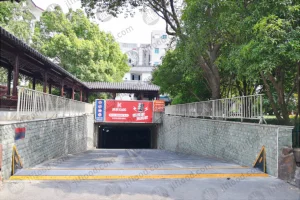
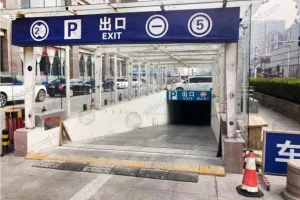
Basement parking ramps are natural drainage basins during heavy storms. Junli garage flood barriers are installed flush at ramp crests or bases. Vehicles drive smoothly over the heavy-load top deck every day; during cloudbursts, the barrier rises to block incoming water, saving vehicles and building mechanical plant rooms.
Hospitals, airport ground facilities, data centers, and underground commercial pedestrian streets require zero-tolerance water ingress protection. Our surface-mounted and embedded hydrodynamic barriers meet international civil defense resilience criteria, supported by complete FAT witness test reports.
Nanjing Junli Technology Co., Ltd. combines advanced hydraulic engineering with strict quality control to deliver OEM/ODM supply chains for overseas infrastructure tenders.
To ensure seamless integration into international construction specifications, Junli flood stop devices comply with rigorous global civil engineering standards, including ASCE 24-14 (Flood Resistant Design and Construction), BS EN 13564, and ISO 9001:2015 Quality Management Protocols. Our internal engineering department provides structural calculation packages, finite element analysis (FEA) for frame deflection under hydro dynamic pressure, and full concrete embedment shop drawings for local civil contractors.
Every designed barrier series undergoes 1:1 scale hydrostatic seal verification, structural bending tests under peak head pressure, and cyclic lifting tests inside our proprietary factory water pool before shipment.
Junli barriers have performed flawlessly during real-world super typhoons (including Typhoon Bebinca and Typhoon Lekima), successfully blocking severe flood waters across over 30 major municipal centers.
We furnish international buyers with comprehensive English CAD templates, BIM modules, structural rebar clearance guides, installation manuals, and localized after-sales replacement seal kits.
Combining reliable passive mechanics with next-generation IoT telemetry for smart city disaster management.
As smart cities evolve, urban flood control demands both mechanical reliability and real-time operational visibility. Junli Technology is pioneering the integration of passive hydrodynamic mechanics with IoT telemetry nodes. While the barrier's physical movement remains 100% mechanical and zero-power, low-power NB-IoT/LoRaWAN sensors integrated into the embedded trough transmit real-time telemetry to municipal emergency dashboards.
Wireless solar-powered sensors detect water inflow and panel deployment angle, sending automated SMS/Email alerts to facility managers during unstaffed hours.
Connecting flood gate deployment metrics directly to subway control centers and building management systems (BMS) to trigger automated sump pumps and emergency lighting.
R&D into self-healing silicone-EPDM hybrid gaskets with enhanced UV, ozone, and thermal degradation resistance, targeting a 30+ year maintenance-free lifecycle.
Browse our full range of field-proven hydrodynamic automatic barriers, surface-mounted gate arrays, and subterranean entrance flood protection systems.
In-depth technical responses regarding structural installation, maintenance schedules, dynamic load ratings, and factory acceptance procedures.
The barrier relies strictly on buoyancy hydrodynamics and hydrostatic pressure head. The barrier door panel rests inside a flush-mounted subterranean foundation trough during dry weather. When surface runoff enters the intake grates, water fills the trough, creating dynamic vertical lift via built-in buoyancy tanks. As the water level rises, the panel automatically pivots upward until it reaches its maximum retaining angle, where elastomeric seals lock against the structural frame. The rising floodwater itself provides the locking force.
For embedded models (preferred for metro entrances and parking ramps), civil contractors excavate a recessed concrete trench according to Junli’s structural template, incorporating drainage connections to prevent sediment accumulation. Surface-mounted and flip-up barriers require a level concrete curb threshold with chemical anchor bolts. Junli provides full CAD embedment drawings, rebar clearance requirements, and concrete strength specifications (C30/C35 minimum) for both installation types.
Standard garage and roadway models are certified for heavy vehicle drive-over loads (HA/HB load standards, supporting 30 to 60-ton gross vehicle weights). The top cover plates are fabricated from high-tensile structural aluminum alloy or stainless steel reinforced with internal structural stiffeners, ensuring zero panel deflection under fire engines, delivery trucks, or public buses.
Every production batch undergoes full-scale hydraulic testing in Junli’s 1:1 water verification pool prior to export. We test panel deployment response time, structural frame deflection under design head, and EPDM seal leakage rates. International buyers receive complete Factory Acceptance Test (FAT) documentation, video records, material mill certificates (SUS304/316), and can schedule third-party inspection (SGS/TÜV/BV) prior to shipping.
Because the hydrodynamic barrier features no motors, gears, or electrical wiring, maintenance requirements are minimal. We recommend semi-annual inspections: clearing debris/leaves from the embedded trough intake grates, flushing out fine silt via the bottom drain, and inspecting the EPDM sealing strips for physical damage or wear. Replacement seal kits can be ordered directly from our wholesale factory team.