Direct factory-engineered flood defence equipment designed for civil engineering projects, metro channels, substations, and commercial ramps.
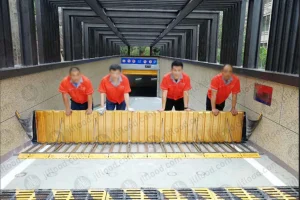
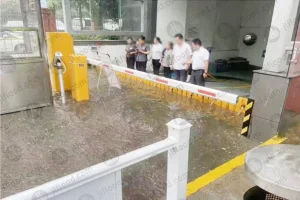
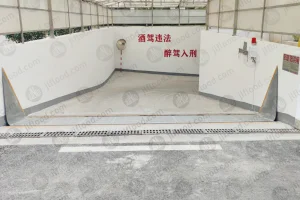
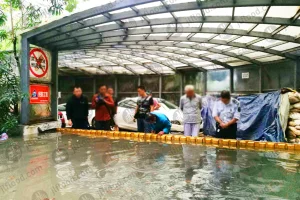
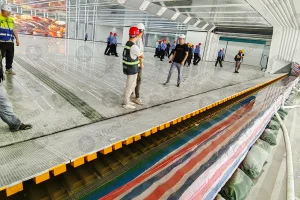
As global climate disruption drives an unprecedented surge in extreme weather events, flash floods, and urban waterlogging, modern civil infrastructure demands flexible, rapid-deployment, and high-reliability water-retaining solutions. Inflatable water barriers—alongside advanced passive hydrodynamic automatic flood gates—represent the apex of modern hydraulic containment engineering. Designed for wholesale procurement by EPC contractors, municipal flood response agencies, power grid operators, and commercial infrastructure managers, these systems bridge the gap between temporary emergency sandbagging and permanent civil concrete dams.
A high-performance inflatable water barrier is a flexible tube or multi-chambered elastomeric dam manufactured from heavy-duty polymer composites (such as Thermoplastic Polyurethane [TPU] or High-Density Polyvinyl Chloride [PVC] reinforced with high-tenacity polyester woven scrims). When inflated with ambient air or water ballast, these barriers form an impermeable, continuous hydrostatic wall that seals tightly against ground contours. This engineering paper explores the material sciences, fluid dynamics, procurement considerations, and manufacturing advantages of sourcing wholesale flood barrier solutions directly from leading Chinese industrial hubs.
Information Gain Insight: Unlike standard rigid flood gates, inflatable water damming systems utilize the physical weight of the contained floodwater itself (hydrostatic load anchoring) to enhance bottom friction and eliminate sliding risk. When integrated with self-rising hydrodynamic bottom-recessed gates, facilities achieve dual-layer perimeter defense against catastrophic inundation.
Engineered for maximum tensile strength, rapid inflation kinetics, dynamic hydraulic stability, and extreme environmental durability.
Constructed with dual-sided TPU/PVC vulcanized coating over 1000D high-tenacity polyester scrims. Provides extreme resistance against tearing, UV degradation, abrasion, and aggressive chemical exposure.
Utilizes dual internal bladders where the inner chamber is filled with water for gravitational anchoring while the peripheral chamber retains pressurized air for quick perimeter shaping and ground sealing.
Equipped with military-grade stainless steel (SS316) coupling hardware, heavy-duty zipper tracks, and industrial velcro storm flaps to enable infinite linear extension across wide riverbanks or driveways.
| Engineering Parameter | Air-Filled Inflatable Barrier | Water-Ballasted Tube Barrier | Hydrodynamic Self-Rising Gate |
|---|---|---|---|
| Primary Material | Reinforced TPU / Heavy PVC | 1200 GSM Polymer Scrim | 6063-T6 Marine Aluminum / SS304 |
| Retaining Height Range | 0.5m – 1.8m (1.6ft – 6ft) | 0.4m – 2.5m (1.3ft – 8.2ft) | 0.5m – 2.0m (1.6ft – 6.5ft) |
| Deployment Time | 10 - 20 minutes (with blower) | 20 - 45 minutes (with pump) | Instantaneous Passive Hydrodynamic (< 1s) |
| Power Requirement | Portable Generator / Air Pump | Submersible Water Pump | Zero Electricity (100% Passive) |
| Tensile Strength (ASTM D751) | ≥ 4000 N / 5cm | ≥ 4500 N / 5cm | Structural Yield Strength 245 MPa |
| Best Application | Emergency Riverbank & Coastal Surge | Widespread Overland Flood Control | Metro Entrances, Garages, Substations |
Why international EPC contractors, municipal procurement officers, and global distributors source directly from specialized Chinese manufacturing bases like Nanjing Junli Technology Co., Ltd.
Sourcing wholesale inflatable water barriers and hydrodynamic flood defense hardware directly from established manufacturing facilities in China provides distinct strategic, financial, and technical advantages for global buyers:
China's Yangtze River Delta industrial belt houses the world's most advanced synthetic textile, rubber vulcanization, and high-frequency RF welding infrastructure. Factories utilize multi-layer extrusion and seamless high-frequency thermal bonding machinery capable of producing continuous membrane tubes up to 50 meters in length without a single mechanical stitch or glued seam. This guarantees structural leak-tightness under extreme hydrostatic loads.
Equipped with multi-axis automated laser cutters, robotized aluminum extrusion welding cells, and automated hydrostatic test pits, Chinese manufacturing facilities can produce thousands of meters of inflatable barriers and hundreds of hydrodynamic flood gates per month. Large-scale municipal tenders and emergency relief orders that typically take months in Western facilities are manufactured, QC-tested, and packed into containerized shipments within weeks.
Reputable China manufacturers operate dedicated hydrostatic testing pools where every batch of inflatable barriers and automated self-closing gates undergoes full-head water testing. Barriers are subjected to inflation pressure verification, seam shear testing, leakage rate assessment, and burst pressure testing (exceeding 2.5x working pressure). Test reports, ISO 9001/14001 certificates, and video evidence are attached directly to order documentation.
Streamlined raw material sourcing and 24/7 automated high-frequency vulcanization enable standard wholesale order dispatch in 10-15 business days.
Custom dimensions, specialized colorways (safety yellow/orange), custom valve placement, high-pressure fittings, and client branding available for commercial distributors.
Comprehensive international shipping support including FOB, CIF, DDP, custom wooden crate packing, container optimization, and complete customs clearance documentation.
Meeting strict international municipal flood standards, insurance requirements, and structural engineering specifications.
Global procurement teams operating in North America, Europe, Australia, and the Middle East face rigorous compliance frameworks when purchasing flood protection systems for critical infrastructure. Inflatable water barriers and automatic flood barrier gates must comply with international performance standards to qualify for municipal bids and insurance premium reductions.
Insurance Risk Mitigation: Commercial asset managers installing certified hydrodynamic automatic flood barriers and maintaining rapid-deployment inflatable barriers on standby frequently qualify for significant insurance premium reductions under commercial property flood hazard policies.
Targeted protection strategies for urban rail transit, electrical power distribution grids, underground commercial car parks, and riverbank spill response.
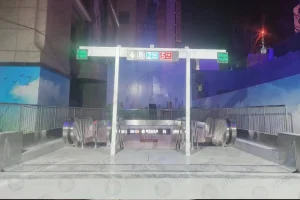
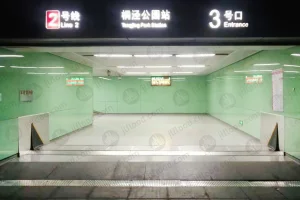
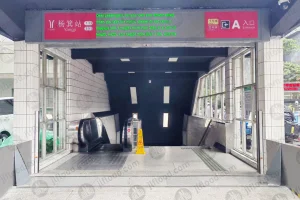
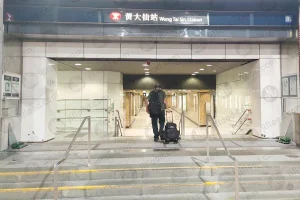
Challenge: Torrential cloudbursts rapidly inundate low-lying pedestrian entrances, ventilation shafts, and connection channels, threatening subterranean passenger networks.
Solution: Embedded hydrodynamic self-closing gates combined with emergency inflatable barriers stored in station equipment lockers for quick perimeter defense.
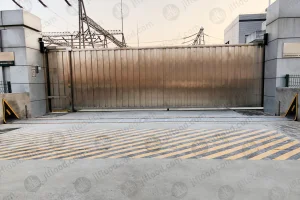
Challenge: Transformer yards and cable trenches flooded by storm runoff cause catastrophic electrical short circuits, equipment blowout, and wide regional blackouts.
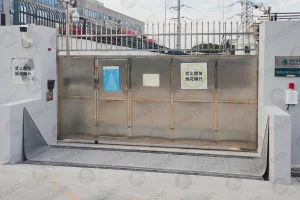
Solution: Power-free automatic rising flood gates installed at gateway perimeters. Provides constant passive defense requiring zero human presence during blackouts.
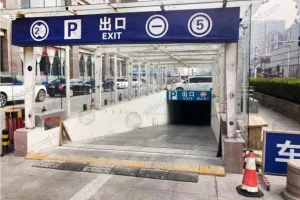
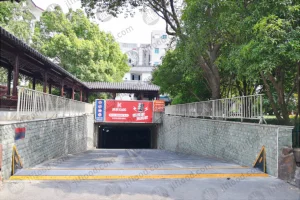
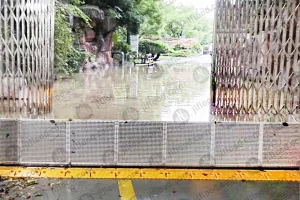
Challenge: Rainwater accumulation on steep commercial basement ramps quickly exceeds drainage pump capacity, submerging vehicles and building utility rooms.
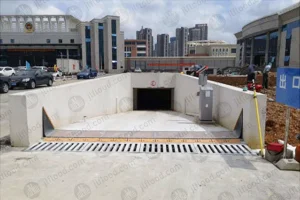
Solution: Drive-over flip-up and hydrodynamic flood gates flush-mounted at driveway crests. Vehicles pass smoothly daily, while incoming surface runoff triggers automatic panel elevation.
The evolution of urban flood risk management from reactive sandbagging to autonomous, sensor-driven hydraulic infrastructure.
The global flood protection industry is undergoing a technological revolution driven by two primary advancements: IoT-connected early warning telemetry and zero-energy passive hydrodynamics.
Next-generation inflatable water barriers are now integrated with solar-powered ultra-sonic water level sensors and cloud-based IoT telemetry. When upstream water levels cross critical threshold marks, central control units automatically activate fast-actuating compressed air valves or high-volume blower systems, inflating long barrier lines before floodwaters reach property perimeters.
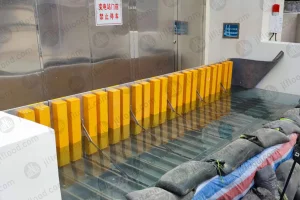
The core vulnerability of electronic flood barriers during severe storms is power grid failure. Leading manufacturers are prioritizing purely mechanical, buoyancy-driven systems. By harnessing hydrostatic head pressure, water entering a recessed sub-surface chamber naturally elevates the barrier leaf. This guarantees 100% operational readiness during severe electrical blackouts—the exact moment urban floods occur.
Clear engineering answers to common technical queries from procurement officers, structural consultants, and project managers.
Explore our extended lineup of specialized automatic barriers, metro connection protection gates, and power substation defence units.