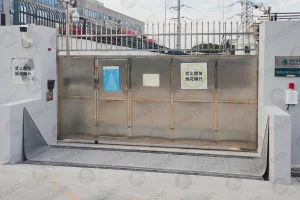
Field-proven passive hydrodynamic gates, surface-mounted barriers, and substation protection units engineered by Nanjing Junli Technology Co., Ltd.
As climate change accelerates extreme precipitation events globally, municipal authorities, EPC contractors, and commercial developers require zero-fail passive flood mitigation. Headquartered in Nanjing, China, Nanjing Junli Technology Co., Ltd. leads the world in hydrodynamic auto-deploying barrier systems.
In modern urban flood mitigation engineering, traditional manual sandbag deployment and electromechanical barrier systems present single points of failure. Grid power outages during severe typhoons, delayed staff deployment due to traffic gridlock, and electrical actuator failure frequently cause subterranean assets—such as underground car parks, metro interchanges, and electrical substations—to flood completely within minutes.
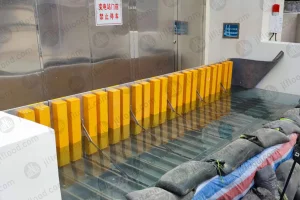
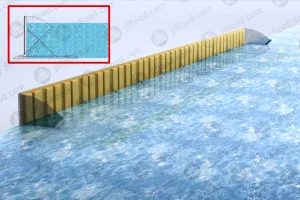
Junli Technology's Hydrodynamic Modular Flood Gate completely eliminates human dependency and electrical grid reliance. By harnessing pure hydraulic buoyancy and hydrostatic head pressure, our modular barriers self-deploy automatically when water enters the subterranean foundation basin. As direct Tier-1 wholesale manufacturers, we deliver customizable, heavy-duty modular flood defence solutions certified against global standards including ASCE 24, DIN 19569-4, and EN 1090-1.
Bridging physical hydraulics with digital municipal telemetry to establish next-generation climate resilience.
Transitioning from conventional structural steel to ultra-high-tensile marine-grade 6063-T6 extruded aluminum alloys and duplex 2205 stainless steel frames. This achieves a 40% reduction in tare weight while enhancing structural resistance against dynamic hydro-impact waves and corrosive saltwater intrusion during coastal tidal surges.
Enhancing the hydrodynamic panel geometry through computational fluid dynamics (CFD) modeling. Optimized panel inclination angles permit instant buoyancy activation at shallow water depth thresholds (<30mm), ensuring full lock-out sealing long before water reaches critical asset heights.
While the barrier deploys 100% mechanically, integrated IoT micro-sensors communicate live deployment status, water depth metrics, and structural seal stress levels directly to municipal smart city SCADA control rooms via NB-IoT or satellite uplinks during total power grid blackouts.
Tailored modular engineering configurations built for structural integration across mission-critical asset domains.
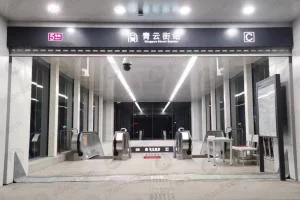
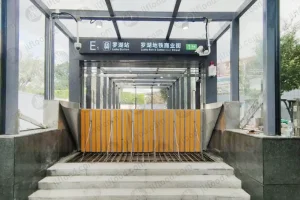
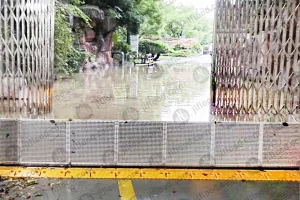
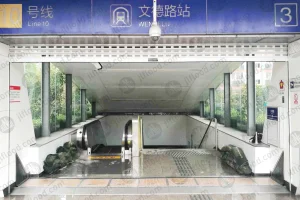
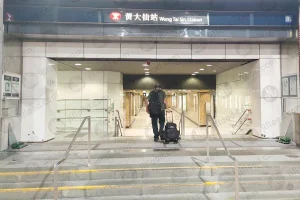
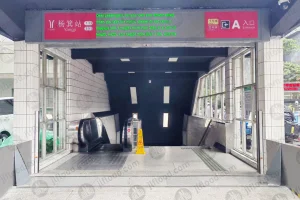
Subway station entrances, pedestrian concourses, and ventilation shafts represent primary water entry points during urban inundation. Junli embedded hydrodynamic gates lie completely flush with the sidewalk during dry conditions, supporting heavy foot traffic. When surface run-off reaches threshold depth, the gate lifts automatically to form an impenetrable barrier up to 2.0m high, keeping subway networks dry.
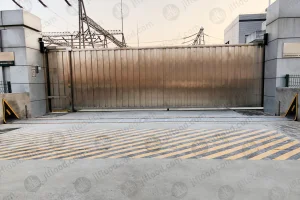
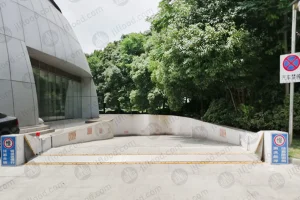
A single flooded transformer vault or cable trench in a high-voltage power substation can paralyze energy grids across entire metropolises. Our surface-mounted and flip-up modular substation flood barriers are manufactured with non-conductive, fire-retardant structural seals and anti-corrosive frames, providing continuous isolation for high-value electrical assets.
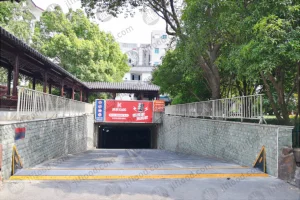
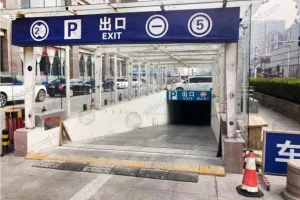
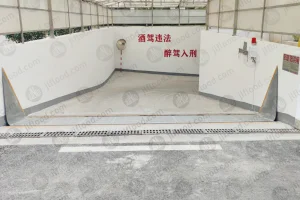
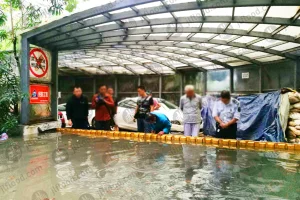
Basement car parks at commercial shopping centers, luxury residential developments, and acute care hospitals face disastrous vehicle and infrastructure loss during extreme rainfall. Designed to withstand vehicle axle loads up to 40 tons (A15 to F900 load rating standards), Junli ramp-mounted automatic gates allow seamless vehicle ingress/egress until floodwaters trigger dynamic self-elevation.
Meeting the rigorous engineering codes and tender specifications of international municipal consulting agencies.
Global civil engineering tenders require strict adherence to localized building codes, structural deflection limits, and seal degradation parameters. Nanjing Junli Technology provides international EPC firms and municipal distributors with comprehensive engineering submittal packages, CAD cross-sections, 3D BIM models, and finite element stress analysis reports.
| Compliance / Standard Category | International Benchmark Specification | Junli Engineering Performance |
|---|---|---|
| Structural Steel & Aluminum Welding | EN 1090-1 / AWS D1.2 (Structural Aluminum) | Continuous robotic TIG/MIG seam welding with 100% NDT (Non-Destructive Testing) ultrasonic weld inspection. |
| Hydrostatic Leakage Rate | DIN 19569-4 Class 4 / BS 6349 | Near-zero leakage rate (< 0.02 L/min per meter of wetted perimeter) utilizing dual-vulcanized EPDM elastomer seals. |
| Flood Resistant Building Design | ASCE 24-14 / FEMA Technical Bulletin 3-93 | Full compliance with hydrodynamic wave dynamic load safety factors (> 2.5 structural safety factor). |
| Traffic Load Capacity | EN 124 Class D400 to F900 Heavy Duty | Internal reinforced honeycomb structural cross-ribbing supporting 40-ton to 90-ton heavy transit vehicles. |
| Corrosion Resistance & Longevity | ISO 12944 C5-M Marine Atmospheric Standard | Anodized aluminum finish (>25μm thickness) combined with 316L stainless steel hardware; 20+ year design life. |
Delivering high-capacity production, standardized quality control, and direct factory wholesale pricing advantages worldwide.
Our Nanjing smart facility operates 12,000-watt fiber laser cutting centers and 12-meter CNC heavy-duty bending presses. This ensures laser-sharp tolerance levels (< 0.5mm) across single-span modular barrier lengths exceeding 6 meters without structural warping.
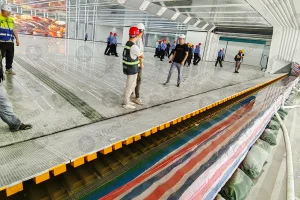
Unlike trading agencies that outsource production, Junli owns an in-house full-scale hydraulic testing basin. Every custom modular batch undergoes 100% real-water retaining tests, verifying lifting kinetics, buoyancy balance, and seal watertightness prior to export packing.
With streamlined access to Shanghai and Ningbo maritime ports, we guarantee accelerated lead times for containerized modular shipments. We provide comprehensive OEM branding, custom dimensional engineering, and localized packaging for global municipal equipment distributors.
Essential technical evaluation metrics for procurement managers, structural engineers, and tender committees.
Procuring commercial flood defence systems requires balancing capital expenditure (CAPEX) with long-term operational expenditure (OPEX) and risk mitigation. Procurement officers must evaluate supplier proposals against five critical criteria to prevent catastrophic building flooding during extreme weather events:
Does the barrier rely on sensors, UPS batteries, or human operators? Selection Standard: Specify passive hydrodynamic buoyancy gates that operate 100% mechanically during grid blackouts.
Is embedded civil foundation work required, or is surface mounting preferable? Selection Standard: Verify embedment depth templates and rebar interference drawings supplied by the manufacturer prior to concrete pouring.
Will traffic abrasion or ozone exposure degrade seals within 3 years? Selection Standard: Insist on recessed, UV-stabilized EPDM bottom and lateral seals engineered for >15 years of mechanical wear.
Are claims backed by factory water pool testing videos and official test certificates? Selection Standard: Require order-specific hydrostatic inspection test reports prior to bill of lading issuance.
Detailed technical answers addressing mechanical operation, civil engineering interfaces, and maintenance protocols.
Browse additional specialized automatic flood protection products engineered for extreme environmental demands.
Contact our Nanjing engineering headquarters today to submit clear opening widths, site topography profiles, or tender design specifications. Receive structural CAD packs, hydrostatic calculation reports, and factory-direct B2B wholesale quotations within 24 hours.