Standard and custom-engineered passive flood protection barriers designed for heavy-duty commercial deployment, metro connection channels, and utility substations.
Accelerating climate instability and urban density demand a paradigm shift from manual flood combat to self-actuated, hydrodynamic civil defense infrastructure.
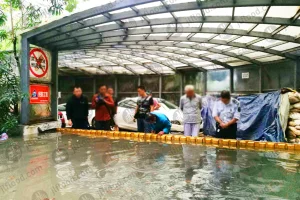
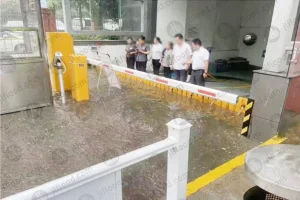
In recent years, global metropolitan areas have experienced a dramatic rise in hyper-localized severe weather events, flash pluvial floods, and sudden storm surges. Traditional civil engineering approaches—relying heavily on manual sandbag stacking, electromechanical flood gates, or human-operated pumps—have revealed critical vulnerabilities during real-world crises. Municipal power grid failures, blocked transit channels, and labor shortages during sudden typhoons frequently leave subterranean assets totally exposed to catastrophic water ingress.
The economic impact of flood damage to underground mass transit networks, electrical distribution substations, multi-level parking structures, and data centers has driven commercial specifiers, EPC contractors, and municipal authorities to re-evaluate structural resilience standardizations. Modern procurement frameworks prioritize Passive Hydrodynamic Modular Flood Protection Systems. These systems operate on zero-electricity, leverage natural hydraulic principles, and deploy instantly when floodwaters arrive, guaranteeing asset safety even during complete citywide blackouts.
| Vector Metric | Traditional Sandbag Deployment | Electromechanical Barrier Gates | Modular Hydrodynamic Passive Gates |
|---|---|---|---|
| Deployment Speed | Slow (2–4 hours manual labor) | Moderate (3–10 minutes via motor) | Instantaneous (< 0.5s fluid trigger) |
| Power Dependence | N/A (Manual labor reliant) | High (Requires continuous/backup power) | Zero Power Required (Passive Hydraulic) |
| Human Reliability Risk | Extreme (Subject to personnel availability) | Moderate (Sensor & motor failure risk) | Zero Human Intervention Required |
| Structural Service Life | Single-use / Disposable | 7–10 Years (High motor wear) | 20+ Years (T6 Aluminum & Stainless Steel) |
| Driveway Flush Embedment | No (Obstructs traffic flow) | Partial (Ramped thresholds) | 100% Seamless Drive-Over Profile |
Inside the hydro-buoyancy mechanism, finite element structural analysis, and sealing technology that make Junli flood barriers elite-grade civil infrastructure.
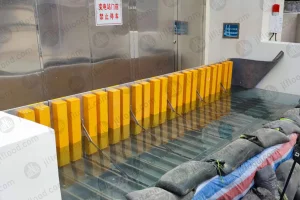
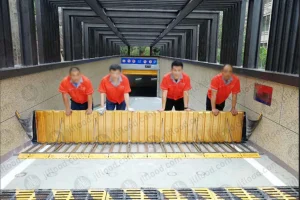
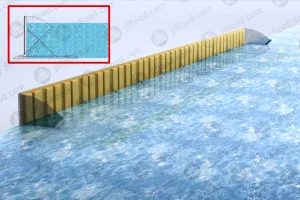
The modular flood panel resides flush within an embedded concrete floor trough during normal operations. When surface water flows toward the opening, it enters the retention chamber beneath the panel. Built-in dynamic buoyancy chambers immediately generate upward displacement force. As the water head rises, hydrostatic pressure locks the barrier vertically, creating a continuous water-retaining wall without any manual intervention or electrical triggers.
Engineered to sustain intense dynamic hydrodynamic impacts and extreme vehicle wheel loads, the modular panels are extruded from high-density 6063-T6 aluminum alloy. Anodized surface treatments provide superior resistance to salt-spray corrosion, chemical runoff, and urban environmental degradation. Structural integrity is validated up to 40-ton vehicle drive-over loads (AASHTO HS-20 / EN124 standard compliance).
Zero-leakage defense relies on proprietary ethylene propylene diene monomer (EPDM) rubber seal profiles. Designed for hyper-elastic compression and cold-weather flexibility (-40°C to +120°C), the dual-lip seal configuration utilizes the weight of the water head itself to compress against the side frames and base frame, achieving near-absolute hydrostatic sealing efficiency verified by strict hydraulic testing protocols.
How Nanjing Junli Technology delivers unmatched structural quality, precision laser customization, and direct-from-factory cost efficiencies to international EPC procurement networks.
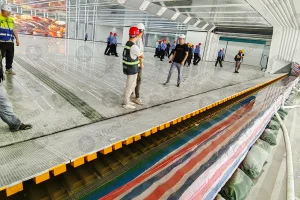
Operating out of Nanjing's advanced industrial hardware manufacturing corridor, Junli Technology leverages fully integrated OEM production pipelines. By housing heavy-duty CNC machining, robotic fiber laser cutting, precision automated welding, and specialized hydro-seal vulcanization under one roof, we eliminate intermediate component markups and maintain rigorous quality control standards across all product lines.
International contractors and engineering specifiers require more than off-the-shelf hardware—they need complete civil interface integration. Junli provides full engineering design packages, including CAD elevation drawings, BIM 3D models, structural anchor load calculations, and site-specific civil works templates tailored to localized construction codes.
Customized flood mitigation configurations tailored to the operational demands of critical urban infrastructure.
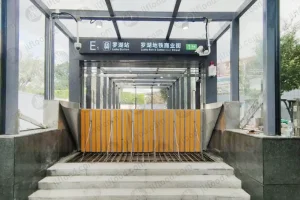
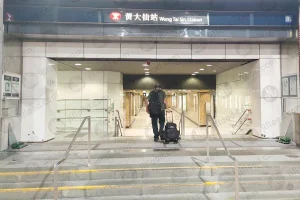
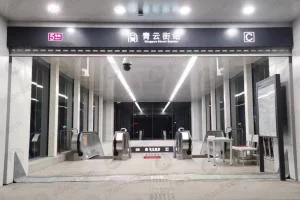
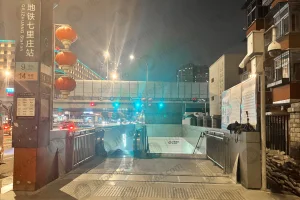
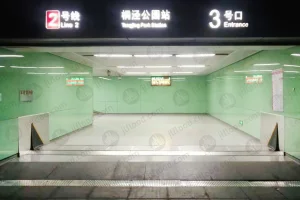
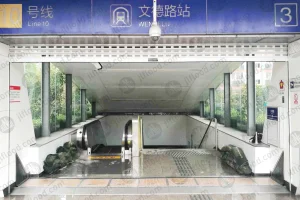
Station pedestrian entrances, ventilation shafts, and subterranean connection channels represent high-risk flood entry vectors. Junli modular metro barriers deploy automatically when flash floods hit station stairwells, protecting high-density passenger zones and subterranean rail systems in major metropolitan centers like Guangzhou, Shenzhen, Suzhou, and Hong Kong.
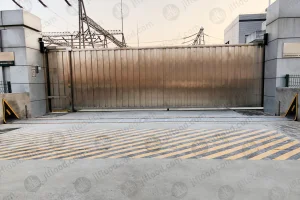
High-voltage transformers and switchgear rooms are highly vulnerable to water damage. A single flooded substation can trigger widespread power outages across entire urban districts. Our non-conductive, anodized modular flood gates provide continuous, zero-maintenance boundary defense for power distribution infrastructure.
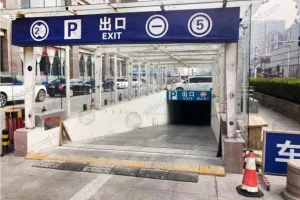
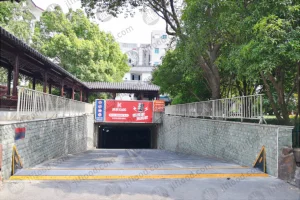
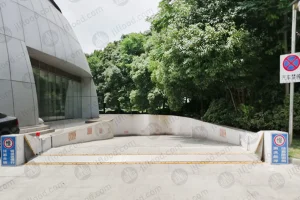
Basement garage ramps at commercial centers, hospitals, and residential developments require wide-span protection that does not hinder daily vehicle access. Our flush-mounted surface and embedded flip-up models sit flush with the road, allowing heavy vehicle traffic until rising floodwaters activate the automatic barrier.
Manufacturing facilities housing sensitive machinery, chemical inventories, or electronic goods require robust perimeter defense. Junli industrial modular flood barriers offer customizable clear openings for wide cargo loading bays, ensuring operational continuity during severe flood events.
The convergence of passive hydrodynamic mechanics with IoT telemetry and intelligent urban resilience management.
As global municipal authorities transition toward "Sponge City" frameworks and climate-resilient architecture, flood mitigation hardware is evolving beyond isolated structural barriers. Next-generation modular flood systems are increasingly integrated into centralized smart city management systems (SCADA) and building automation platforms (BMS).
While the core lifting movement of Junli modular gates remains 100% hydrodynamic and power-independent—guaranteeing operational reliability—our modern systems can be retrofitted with low-power IoT telemetry sensors. These sensors transmit real-time alerts to facility management teams the precise second a barrier begins rising due to water accumulation.
Technical, procurement, and installation guidance for project engineers, specifiers, and wholesale importers.
Factory-direct supply of heavy-duty automatic flood gates, flip-up garage barriers, substation gate barriers, and surface-mount solutions.